Year: 2005
Runtime: 132 mins
Language: Hindi
Director: Mahesh Manjrekar
During Christmas, big‑hearted mechanic Aditya Singh, the sole breadwinner for his sprawling family, works tirelessly for his siblings, grandmother and numerous nieces and nephews. After a sudden fatal car crash, he worries about their future. He persuades Yamraj, the Hindu god of death, to let his spirit return as a ghost so he can resolve unfinished business and safeguard his loved ones.
Warning: spoilers below!
Haven’t seen Vaah! Life Ho Toh Aisi! yet? This summary contains major spoilers. Bookmark the page, watch the movie, and come back for the full breakdown. If you're ready, scroll on and relive the story!
Read the complete plot breakdown of Vaah! Life Ho Toh Aisi! (2005), including all key story events, major twists, and the ending explained in detail. Discover what really happened, and what it all means.
Aditya Verma, affectionately called Adi Chachu or Adi Uncle by the children of his brothers, Shahid Kapoor plays Adi, the steady, hard-working center of a sprawling Mumbai mansion. He holds the family together as the only working member, living amidst his two brothers—one of whom has burned out his own chances in life—and a sister, sister-in-law, and their grandmother, Suhasini Mulay. The home’s weight rests on Adi’s shoulders, even as a plane crash steals one brother away along with his wife, leaving the other brother, Sunil Verma, Mohnish Behl, to battle a long-standing drinking problem. The family’s dynamic is tender but fragile, threaded with love, duty, and the quiet despair of a house that feels almost too big to manage.
Adi’s heart is pulled toward Piya, Amrita Rao, a warm tuition teacher with whom he shares a budding, hopeful romance. They confess their feelings and begin to dream of a future together, a plan to marry that promises normalcy and happiness beyond the family’s mounting pressures. Yet fate intervenes in a dramatic and devastating way: on the way to an important meeting, Adi rushes to save Parth, Master Parth Dave, and is struck by a truck, dying before his time.
In the strange, luminous space of the afterlife, Adi encounters Yama, the god of death, a figure who is at once formidable and surprisingly compassionate. Played with warmth and flair by Sanjay Dutt, Yamraj is not the stern judge one might expect; he wears designer clothes and a red car, and his emotional core begins to soften as he weighs Adi’s wish to return. Yamraj grants Adi a temporary, ghostly return to Earth so he can intervene in the danger threatening his family’s home: the unscrupulous Harish, Adi’s uncle, Prem Chopra, schemes to sell the mansion to powerful industrialist Hirachand, Sharat Saxena. The stakes are personal, and the clock is ticking.
To make contact with the living again, Adi enlists the aid of Shakti, a bright little boy who had been chosen to accompany Adi to heaven. Shakti, Darshil Mashru, embodies a bridge between worlds, and together they seek a way to break through the invisibility that has kept them unseen. They also cross paths with Fakira Bhai B.P.C.M., a mischievous yet resourceful figure played by Arshad Warsi, who grants them the ability to touch humans once more and to move within the living world more freely. With this newly found power, Adi can finally see and influence his family again, offering real hope to those who fear losing him.
As the plot thickens, Yamraj becomes more than a guide; he becomes a father figure of sorts, granting Adi and Shakti moments of sight into the living world for a few brief minutes. The family, upon catching glimpses of what feels like a miraculous return, pleads for Adi to stay with them, while Adi himself wrestles with the reality that his time as a ghost is only temporary. The look of pain and longing in the eyes of his loved ones is palpable, and the movie leans into their emotional stakes with quiet, sincere honesty.
The emotional fulcrum comes when the family awakens, unsure whether what they experienced was a dream or a haunting memory. Only Adi and Shakti carry the truth of their return—the knowledge that death briefly paused to give them a chance to be together again. Yet even with this glimpse of possibility, the world does not fully rewrite itself. A final, hopeful turn arrives when a figure bearing the same voidless charm as Yamraj—an actor who mirrors the god’s presence—appears in Adi’s life and offers to buy the mansion. Adi, steadfast in his love for Piya and his family, declines the offer, choosing instead to remain with Piya and his kin, cherishing the life they can still build together.
In the end, the film mends the fractures of a family by affirming love, loyalty, and the stubborn, enduring power of home. Adi’s decision to stay, coupled with the gentle, quasi-mystical kindness of Yamraj, leaves the household not with an eerie aftertaste but with a tender sense of closure. The mansion remains a symbol of memory and belonging, a place where the dead can touch the living not with fear, but with a quiet, enduring welcome.
Last updated: October 09, 2025 at 16:46
Explore frequently asked questions about Vaah! Life Ho Toh Aisi! (2005) with spoiler-rich answers covering the full plot summary, major story beats, character motivations, hidden details, and ending meaning. This movie summary FAQ helps explain confusing scenes, plot twists, and narrative decisions in clear, searchable detail.
Adi died while saving Parth, a young boy who was in danger on the street. On his way to an important meeting, Adi rushed to protect Parth from an oncoming truck and was struck, dying before his time. His sacrifice was spontaneous and driven by his protective nature toward children, which defined his character as the loving uncle figure in the family.
Yamraj was moved by Adi's deep love and concern for his family. After dying, Adi pleaded with the god of death to let him return because he worried about his family's future, especially since his death would leave them without their sole breadwinner. Yamraj, despite being the god of death, showed a compassionate side and granted Adi temporary permission to return as a ghost to resolve unfinished business and protect his family home from being sold.
Adi's uncle Harish was scheming to sell the family mansion to powerful industrialist Hirachand. This posed a direct threat to Adi's family, who would lose their home. The mansion represented their memory, belonging, and identity as a family, making this threat the primary danger Adi needed to address during his ghostly return.
Shakti was a bright little boy who had been chosen to accompany Adi to heaven. He served as a bridge between the worlds of the living and the dead. Together with Adi, Shakti sought ways to break through the invisibility that kept them from the living, and Shakti helped Adi navigate his temporary return to Earth.
Fakira Bhai B.P.C.M., a mischievous but resourceful figure, granted Adi and Shakti the ability to touch humans and move freely within the living world. This power was crucial because it allowed Adi to finally see and influence his family again, offering them real hope and meaningful connections despite being a ghost.
A figure bearing the same voidless charm as Yamraj appeared, offering to buy the mansion. This character was an actor who mirrored the god's presence, hinting at larger mystical forces at play. The appearance tested whether the home could survive as a symbol of memory or would be lost forever.
Adi chose to decline the offer and stay with his family and Piya because his love for them was stronger than any symbolic escape. Rather than chasing a mysterious opportunity, he decided to remain with the family he could still build a life with. His decision rooted the household in the present and future they could create together, marking a victory for love, loyalty, and staying connected to one's roots.
The family experienced glimmers of the impossible, fueling both relief and longing. When they caught glimpses of what felt like Adi's miraculous return, they pleaded for him to stay, experiencing palpable pain and longing in their eyes. However, upon waking, they were unsure whether what they experienced was a dream or a haunting memory, creating emotional uncertainty about whether the visitations were real.
Yamraj, despite being the formidable god of death, showed unexpected warmth and compassion throughout Adi's journey. He granted Adi and Shakti fleeting moments of sight into the living world and became more than just a guide, he took on a paternal role, moved by Adi's devotion to family. This fatherly connection was evident in how Yamraj weighed Adi's wish to return and ultimately granted the compassionate second chance.
After a plane crash stole one brother away along with his wife, the surviving brother Sunil was left to battle a long-standing drinking problem. The tragedy intensified the family's fragility and further tested Adi's role as the family's sole caretaker and anchor.
Piya, Adi's love interest and a warm tuition teacher, was left shattered by Adi's sudden death. The two had confessed their feelings and begun planning a marriage that promised normalcy and happiness beyond the family's mounting pressures. His sacrifice destroyed those plans for a shared future, casting a pall over her life.
The mansion remains a symbol of memory and belonging, a place where the dead can touch the living with gentleness rather than fear. By the end, the home endures as a tender symbol of continuity, affirming that love, loyalty, and home persist beyond tragedy. The story closes with the household feeling Adi's presence in the warmth of family life.
Discover curated groups of movies connected by mood, themes, and story style. Browse collections built around emotion, atmosphere, and narrative focus to easily find films that match what you feel like watching right now.
Loving spirits return from beyond to protect and guide their loved ones.If you liked the story of Aditya's ghostly return in Vaah! Life Ho Toh Aisi!, you'll enjoy these movies about spirits intervening from the afterlife. This collection features films where love transcends death, focusing on gentle supernatural stories that are more heartwarming than horrifying.
The narrative typically begins with a tragic death, followed by a negotiation or unique circumstance that allows the deceased to return as a benevolent spirit. The central plot revolves around the spirit resolving a specific problem, protecting their family, or imparting a final lesson, all while navigating the emotional challenges of being unseen yet deeply involved.
They share a core premise of ghostly visitation for protective, loving purposes rather than revenge or horror. The tone is consistently hopeful and sentimental, using the supernatural framework to explore profound human emotions like grief, love, and sacrifice in an accessible, family-friendly way.
Everyday family struggles touched by a gentle, whimsical magic.For viewers who enjoyed the blend of family drama and gentle fantasy in Vaah! Life Ho Toh Aisi!, this list gathers movies where magical realism enhances stories about home, duty, and love. These films maintain a steady pace and a fundamentally hopeful outlook, making the extraordinary feel comforting.
These narratives often follow a responsible family figure facing a crisis. A touch of magic—whether a wish, a magical being, or a supernatural circumstance—enters their world, not to create chaos but to provide a unique solution or perspective. The journey involves balancing the extraordinary with the very ordinary needs of family, ultimately reinforcing the power of love and togetherness.
They are grouped by their unique tonal blend: the earnest emotion of a family drama is softened and elevated by whimsical, low-stakes fantasy. The pacing is deliberate, allowing characters and their relationships to develop, while the magic serves the story's heart rather than driving complex plot mechanics.
Don't stop at just watching - explore Vaah! Life Ho Toh Aisi! in full detail. From the complete plot summary and scene-by-scene timeline to character breakdowns, thematic analysis, and a deep dive into the ending - every page helps you truly understand what Vaah! Life Ho Toh Aisi! is all about. Plus, discover what's next after the movie.
Track the full timeline of Vaah! Life Ho Toh Aisi! with every major event arranged chronologically. Perfect for decoding non-linear storytelling, flashbacks, or parallel narratives with a clear scene-by-scene breakdown.
Discover the characters, locations, and core themes that shape Vaah! Life Ho Toh Aisi!. Get insights into symbolic elements, setting significance, and deeper narrative meaning - ideal for thematic analysis and movie breakdowns.
Discover movies like Vaah! Life Ho Toh Aisi! that share similar genres, themes, and storytelling elements. Whether you’re drawn to the atmosphere, character arcs, or plot structure, these curated recommendations will help you explore more films you’ll love.
Vaah! Life Ho Toh Aisi! (2005) Scene-by-Scene Movie Timeline
Vaah! Life Ho Toh Aisi! (2005) Movie Characters, Themes & Settings
Vaah! Life Ho Toh Aisi! (2005) Spoiler-Free Summary & Key Flow
Movies Like Vaah! Life Ho Toh Aisi! – Similar Titles You’ll Enjoy
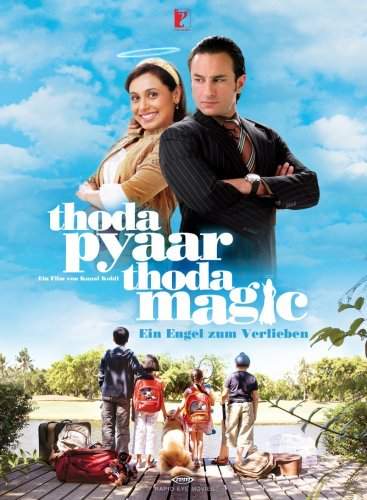
Thoda Pyaar Thoda Magic (2008) Ending Explained & Film Insights
Waah! Tera Kya Kehna (2002) Detailed Story Recap
Waqt (2005) Full Summary & Key Details
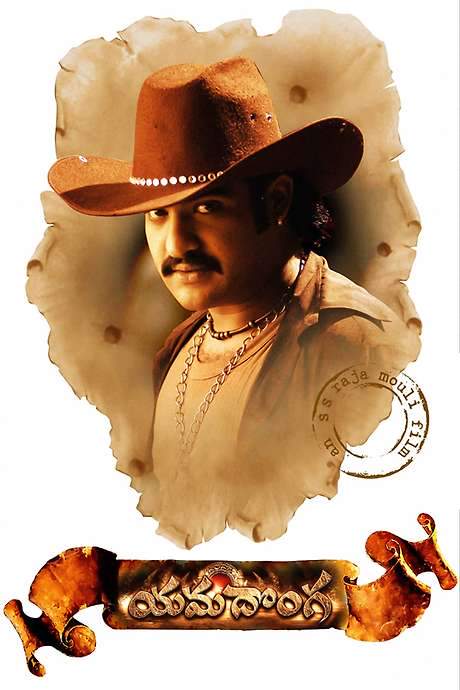
Yamadonga (2007) Complete Plot Breakdown
Om Shanti Om (2007) Full Movie Breakdown
Athisaya Piravi (1990) Full Movie Breakdown
Vidhaata (1982) Plot Summary & Ending Explained
Yeh Vaada Raha (1982) Story Summary & Characters
Sharaabi (1984) Movie Recap & Themes
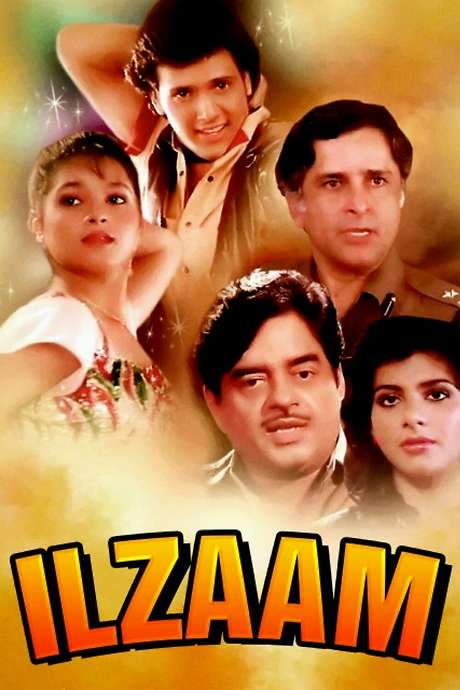
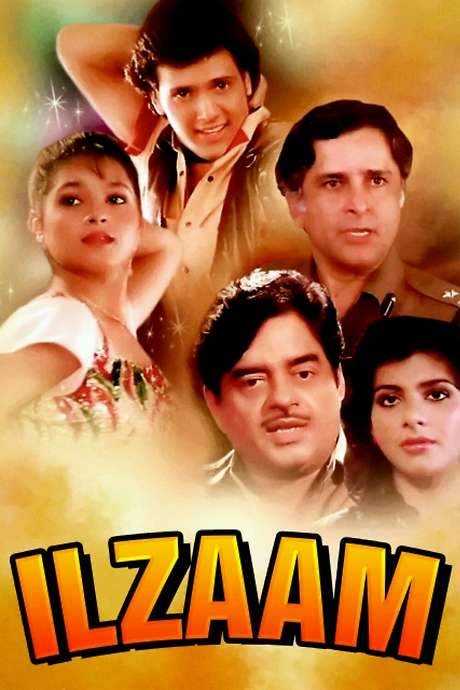
Ilzaam (1986) Ending Explained & Film Insights
Vinodhaya Sitham (2021) Full Summary & Key Details
Ilzaam (1986) Complete Plot Breakdown
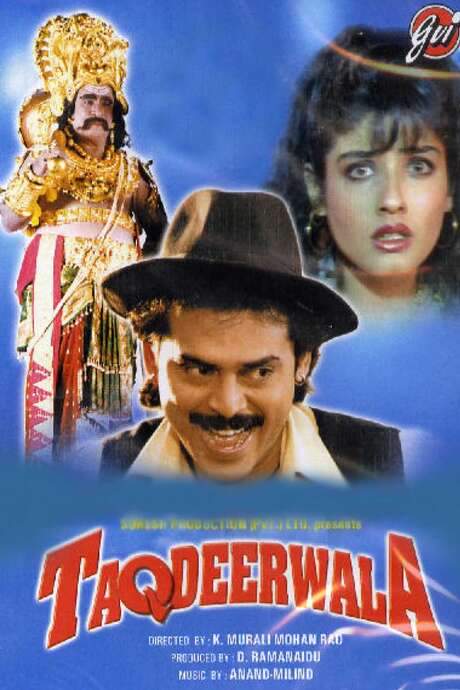
Taqdeerwala (1995) Ending Explained & Film Insights
Vaada Raha… I Promise (2009) Ending Explained & Film Insights
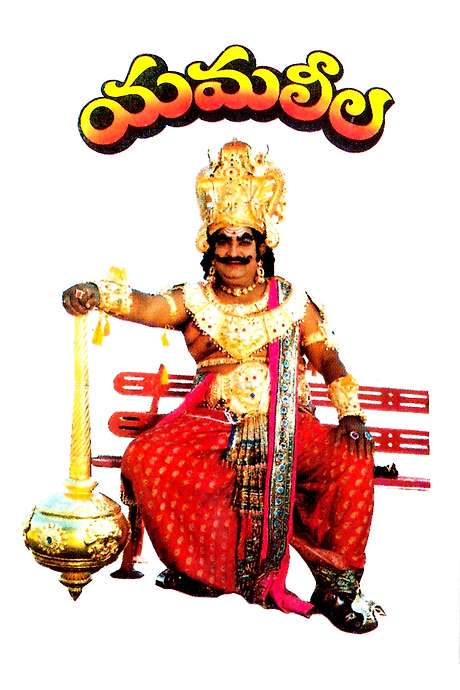
Yamaleela (1994) Film Overview & Timeline