Plot Explained Spoilers guaranteed!
Plot Explained

Browse by genre

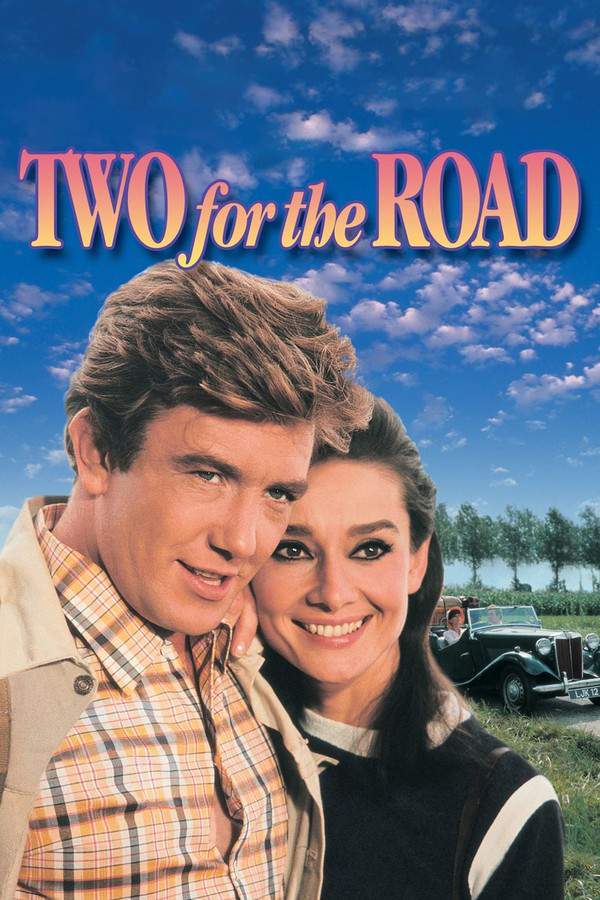
Two for the Road (1967) movie poster

Plot Summary

Two for the Road (1967) Plot Summary Explained

Release, runtime and language
1967 · 111 min · English
Directed by
Stanley Donen
Starring
Eleanor Bron, Albert Finney, Jacqueline Bisset, Audrey Hepburn, Claude Dauphin, Gabrielle Middleton

A couple takes a trip to France to relive cherished memories from their past, but the romantic landscape reveals cracks in their relationship. Mark and Joanna's idyllic recollections are contrasted with the realities of their present marriage, exposing underlying tensions and prompting unexpected connections. As they confront the past, their bond is tested by flirtations and power struggles, forcing them to question the foundation of their union.

On this page (6)
  1. 1 Where to watch
  2. 2 What happens: full plot
  3. 3 Plot questions answered
  4. 4 Movie threads
  5. 5 Movies like Two for the Road
  6. 6 Every angle

Where to watch

Where to Watch Two for the Road (1967)

Where can you watch Two for the Road? Stream, rent or buy it in the US, including on Amazon Video, Apple TV Store and Fandango At Home: current JustWatch availability with up-to-date prices.

Streaming availability powered by JustWatch

Full plot summary · contains spoilers

What Happens in Two for the Road: Full Plot Summary

The whole story of Two for the Road (1967) explained, from the opening scene to the final frame: every key event, every twist and what it all adds up to. Read it as a quick recap before the sequel, to check a scene you missed, or to finally understand what really happened.

In 1966, architect Mark Wallace and his wife Joanna embark on a flight from England to France, intending to drive to Saint-Tropez for a meeting with Mark's long-standing client, Maurice Dalbret. As they journey, they reminisce about their earlier trips along this same picturesque route.

Their first adventure dates back to 1954, as Mark and Joanna meet on a ferry departing from England. While Mark is on a photography excursion, Joanna is traveling with her choir for a festival in Menton. Upon arrival in Dieppe, Mark becomes anxious, believing he has misplaced his passport, only for Joanna to discover it nestled in his backpack. Continuing their journey towards Abbeville, they encounter an accident involving the choir’s van, and Mark stops to offer assistance. He joins the girls en route to Abbeville, but as everyone except Joanna contracts chickenpox, it becomes just the two of them who travel southward. Despite Mark’s attempts to push Joanna away, she expresses her love for him, and they share a night together. Their time spent along the Mediterranean involves staying in modest accommodations and enjoying sun-soaked days at the beach. By the end of this memorable week, Mark proposes to Joanna.

Their second trip occurs in 1957, marking two years of marriage. They are accompanied by an American family, which includes Mark's former Chicago girlfriend, Cathy Seligman, her husband Howard Maxwell-Manchester, and their young daughter Ruthie. When Ruthie mentions that Cathy referred to Joanna as a "suburban English nobody," it prompts Mark and Joanna to part ways with the Maxwell-Manchesters, continuing their journey on their own.

In 1959, they travel independently as a married couple in a dilapidated vehicle. Joanna shares the news of her pregnancy. After their car unexpectedly catches fire, they are forced to take refuge at the luxurious Domaine Saint-Just. The following morning, they push their charred vehicle aside and soon meet the affluent couple Maurice and Françoise Dalbret, who were also guests at the hotel. The two couples decide to travel south together, eventually staying at the Dalbret villa in Ramatuelle, where Maurice introduces Mark to his business partner, Nikos Palamos. By the end of their journey, Maurice hires Mark for future projects.

With the arrival of their daughter Caroline, Mark finds himself traveling alone to France, where he spends the night with a woman named Simone. During this time, he deceives Joanna in his letters, claiming that he misses her.

In 1963, the Wallaces revisit France with Caroline to review the project Mark has been working on for Maurice and Nikos. While at the Dalbret estate, Joanna forms a connection with Françoise's brother, David, igniting an affair. After a night spent together, Mark confronts Joanna about this betrayal, leading her to confess her love for David. Ultimately, David offers Joanna the chance to leave Mark, but she chooses to return to her husband instead.

In the present moment, Mark and Joanna grapple with discussing the prospect of a divorce. They stop overnight at a hotel, where Mark becomes deeply absorbed in work, neglecting Joanna's presence. Upon arriving at a stunning residence designed by Mark for the Comte and Comtesse de Florac, they attend a party where Mark receives a phone call from potential client Hal Van Benius, who informs him of a job in the United States that will demand his presence for two years. Mark and Joanna decide to sneak away from the festivities; while driving through the serene forest, they candidly express their enduring affection for one another despite past grievances and unfaithfulness, realizing they cannot bear to be apart.

Later, they journey to meet Van Benius in Rome. As they approach the France–Italy border, Mark panics, thinking he has lost his passport, but Joanna has it under control. She playfully leaves it for him on the steering wheel while he rummages through the trunk. Their conversation bristles with tension as they exchange barbs, calling each other "bitch" and "bastard," before they continue their drive into the beautiful Italian landscape.

Last updated: November 15, 2024 at 19:09

Was this helpful?

Plot questions answered

Two for the Road Plot Explained: Your Questions Answered

The questions people ask most about Two for the Road (1967): what happens in the confusing scenes, why the characters do what they do, the twists, hidden details and what the ending means. Each answer contains spoilers.

Q1

Why does Joanna return to Mark after her affair with David?

Joanna chooses to return to Mark despite her emotional connection with David. Though she confessed her love for David and he offered her a chance to leave her marriage, she ultimately decides to stay with Mark. This decision reflects the complex nature of their relationship, their deep history, shared memories, and the realization that despite past hurts, their bond remains stronger than either wants to admit.

Foreshadowing: Earlier in their relationship, Joanna was the one who actively pursued Mark despite his attempts to push her away, showing her commitment to the marriage.

  • joanna
  • mark
  • david
  • affair
  • return
  • marriage
Q2

Why does Mark cheat on Joanna with Simone?

After the birth of their daughter Caroline, Mark travels alone to France for work. During this trip, he spends a night with a woman named Simone. His infidelity appears to stem from the loneliness of travel and the strain of his increasingly distant marriage, though he deceives Joanna in his letters, pretending to miss her while actually being unfaithful.

Foreshadowing: The 1959 trip shows Mark already prioritizing his career over Joanna when he becomes absorbed in meeting Maurice and Nikos.

  • mark
  • simone
  • infidelity
  • affair
  • caroline
Q3

Why does Joanna have an affair with David?

In 1963, while staying at the Dalbret estate with Mark and their daughter Caroline, Joanna becomes involved with David, Françoise's brother. Their affair develops during a period when Mark is focused on his work for Maurice and Nikos, leaving Joanna feeling emotionally neglected. The connection represents her search for the passion and attention that has faded from her marriage.

Foreshadowing: By 1959, Mark's work is already taking priority, as he becomes absorbed in his professional opportunities with Maurice.

  • joanna
  • david
  • francoise
  • affair
  • neglect
Q4

Why do Mark and Joanna leave the Maxwell-Manchester family in 1957?

During their 1957 trip with the American Maxwell-Manchester family, young Ruthie casually mentions that Cathy (Mark's former girlfriend) referred to Joanna as a "suburban English nobody." Though Cathy claims it was a joke, the remark deeply wounds Joanna. Mark and Joanna decide to part ways with the family and continue their journey alone, protecting their relationship from this unexpected slight.

Foreshadowing: This early incident foreshadows the power imbalances and insecurities that will plague their marriage.

  • maxwell-manchester
  • cathy
  • ruthie
  • leave
  • 1957
Q5

Why do Mark and Joanna consider divorce?

By 1966, Mark and Joanna's marriage has been strained by years of infidelity on both sides, Mark's affair with Simone and Joanna's affair with David. The prospect of divorce emerges during their present-day trip, particularly after Mark becomes absorbed in work at a hotel, ignoring Joanna's emotional needs. The accumulated betrayals and neglect create a fracture in their relationship that seems irreparable.

Foreshadowing: Their marriage has been tested before, Mark's deception in letters and Joanna's confession about David, building to this point of crisis.

  • divorce
  • separation
  • crisis
  • marriage strain
Q6

Why does passport panic happen twice in the story?

The passport mishap appears twice, creating a mirror effect. In 1954, Mark panics in Dieppe thinking he lost his passport, but Joanna finds it in his backpack. At the France-Italy border in 1966, Mark again panics about his passport, and Joanna calmly produces it. This repetition emphasizes how their dynamic has remained consistent, Joanna often being the more composed one while Mark spirals into anxiety, even as their roles as husband and wife have evolved.

Foreshadowing: The first passport incident occurs early in their relationship, establishing the pattern.

  • passport
  • dieppe
  • border
  • anxiety
  • recurrence
Q7

Why does Mark propose to Joanna after their first trip in 1954?

Mark proposes after their memorable week traveling southward together. Despite initially trying to push Joanna away during the chickenpox隔离 period, he is moved by her devotion, she stayed by his side when everyone else fell ill and confessed her love for him. After experiencing her companionship through modest accommodations and beach days along the Mediterranean, he decides to commit to her.

Foreshadowing: Mark's resistance to Joanna's affection in 1954 mirrors his emotional distance in later years, making his proposal more significant.

  • proposal
  • marriage
  • 1954
  • chickenpox
  • mediterranean
Q8

How does Maurice Dalbret become important to Mark's career?

In 1959, after their car catches fire and they seek refuge at Domaine Saint-Just, Mark and Joanna meet Maurice and Françoise Dalbret. The two couples travel south together to the Dalbret villa in Ramatuelle, where Maurice introduces Mark to his business partner Nikos Palamos. Impressed by Mark's work, Maurice hires him for future projects, establishing a long professional relationship that continues through multiple trips and ultimately leads to Mark designing a residence for the Comte and Comtesse de Florac.

Foreshadowing: Maurice's initial hiring of Mark sets the trajectory for his career and provides the backdrop for later relationship tensions.

  • maurice
  • nikos
  • career
  • architecture
  • commission
Q9

Why do Mark and Joanna decide to stay together at the end?

During their drive through the forest after leaving the party, Mark and Joanna have an honest conversation about their lingering feelings for each other. Despite past infidelities and grievances, they realize they cannot bear to be apart. The ending reflects the film's bittersweet theme, their love is complicated and flawed, but genuine enough to withstand the tests of time and temptation. They choose each other not because their marriage is perfect, but because their connection remains irreplaceable.

Foreshadowing: Their pattern of infidelity and forgiveness, like Joanna returning to Mark after her affair, sets up this eventual reconciliation.

  • reconciliation
  • stay together
  • love
  • ending
  • bittersweet
Q10

Why is the story told in a nonlinear timeline?

The film jumps between 1954, 1957, 1959, 1963, and 1966 to show how the relationship has evolved. This structure allows viewers to understand the full arc of Mark and Joanna's marriage, the passion of their beginning, the growing strains, and their present crisis. By intercutting different time periods, the film reveals how past moments connect to current tensions, making the cause-and-effect of their relationship breakdown clearer and more emotionally resonant.

  • timeline
  • nonlinear
  • structure
  • flashback
  • memories
Q11

Why does Mark ignore Joanna at the hotel while working?

At a hotel in the present day, Mark becomes absorbed in his architectural work while Joanna feels ignored and emotionally neglected. This mirrors a pattern in their marriage where Mark's professional ambitions have consistently taken priority over his connection with Joanna. His inability to be present emotionally, even during what should be a meaningful trip together, contributes to the strain in their relationship and their discussion of divorce.

Foreshadowing: This behavior echoes earlier moments, like in 1959 when Mark focused on meeting Maurice and Nikos rather than nurturing his marriage.

  • work
  • neglect
  • hotel
  • emotional distance
  • career

Movie threads

More Movies Like Two for the Road, by Mood & Story

Curated lists built around what makes Two for the Road tick: the same mood, the same kind of story or the same emotional payoff. Each list explains why these movies belong together.

Movies with Nonlinear Timelines Like Two for the Road

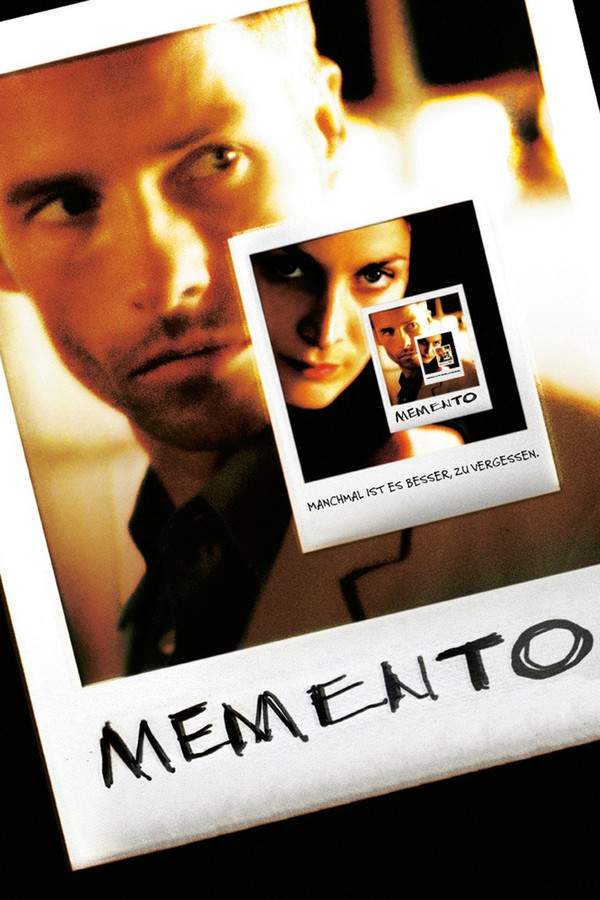
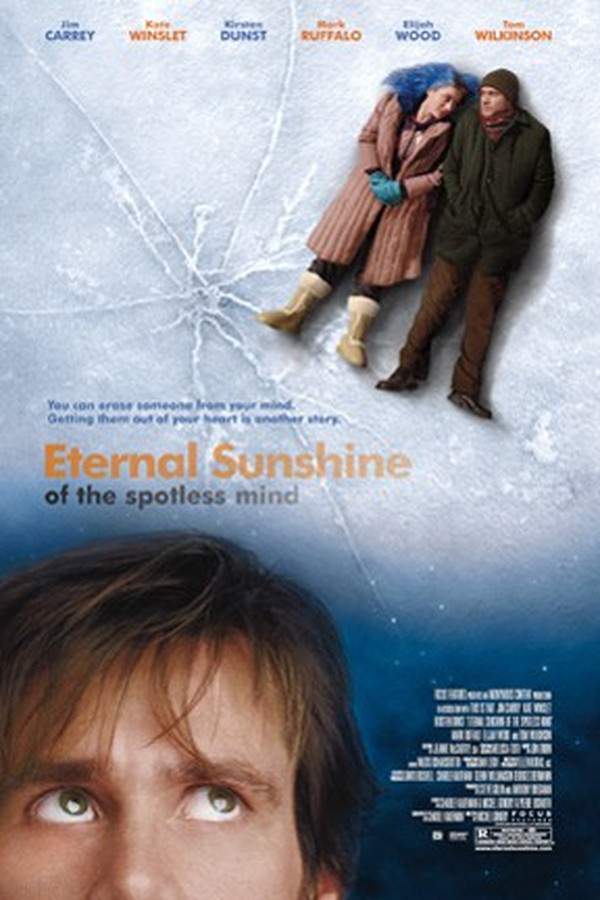
Stories where the past and present interweave to reveal hidden emotional truths. If you enjoyed the way Two for the Road jumps through time to explore a marriage, you'll appreciate these other films. This thread groups movies like Eternal Sunshine of the Spotless Mind and (500) Days of Summer, which use creative storytelling structures to dissect love and memory in a similarly complex and reflective way.

  • nonlinear
  • introspective
  • reflective
  • melancholic
  • nostalgic
  • unsettled
  • Tone: reflective, bittersweet, introspective
  • Pacing: variable, contemplative
Why these movies?

The story pattern: These narratives reject a straightforward chronology, instead folding time back on itself to compare pivotal moments. The story unfolds through association and emotional resonance rather than cause-and-effect, creating a reflective, puzzle-like experience where the full picture only emerges as fragments from different eras are connected.

Why they belong together: They are grouped by their shared commitment to a complex narrative structure that serves an emotional purpose. The unconventional pacing isn't just a gimmick; it's essential for exploring themes of memory, regret, and the elusive nature of love, resulting in a uniquely introspective viewing experience.

Complex Marriage Dramas Similar to Two for the Road

Intimate portraits of long-term relationships, embracing both the tenderness and the tension. For viewers who liked the honest portrayal of marriage in Two for the Road, this section collects similar movies about relationship dynamics. These films, such as Blue Valentine and Marriage Story, share a bittersweet tone and medium emotional weight, exploring the complexities of love with both sharp observation and tender moments.

  • bittersweet
  • introspective
  • tender
  • witty
  • melancholic
  • unsettled
  • Tone: bittersweet, witty, tender
  • Pacing: steady, character-driven
Why these movies?

The story pattern: The journey typically follows a couple as they confront the gap between their romantic past and their complicated present. Conflicts arise from internal dynamics—miscommunication, unmet expectations, infidelity—rather than external forces. The arc is often cyclical, focusing on whether a relationship can adapt and endure despite its flaws, rather than providing a neat resolution.

Why they belong together: They are united by their focus on the intricate, often contradictory, realities of a long-term partnership. They share a bittersweet tone that acknowledges both love and resentment, and a medium intensity that makes the emotional stakes feel deeply personal and relatable without being overwhelming.

If you liked this

Movies Like Two for the Road

Similar movies to Two for the Road: the same genre, themes or kind of story. Each one comes with its own plot summary, timeline and ending explained.

Browse all movie summaries

Every angle

Two for the Road (1967) Explained: Plot, Timeline & Characters

Everything about Two for the Road in one place: what happens in the plot summary, the timeline in chronological order, the characters and meaning and a spoiler-free summary. What's After the Movie adds the cast, box office and post-credit scenes.

Coming soon on iOS and Android

The Plot Explained Movie Summary App

Plot summaries, endings explained and timelines on your phone. Catch up on any movie in minutes, save your favorites and never miss a twist again.

Be the first to know when we launch. Your email stays private, always.

Learn more about the app