Plot Explained Spoilers guaranteed!
Plot Explained

Browse by genre

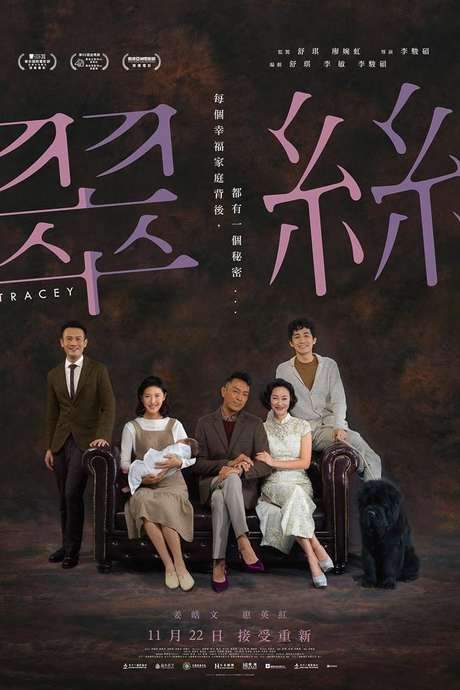
Tracey (2018) movie poster

Characters & Themes

Tracey (2018) Characters, Setting & Themes Explained

Release, runtime and language
2018 · 114 mins · Cantonese
Loading streaming availability…
Directed by
Jun Li
Starring
Aaron Chow, River Huang, Ben Yuen, Kara Wai Ying-Hung, Cheung Kwok-Keung, Philip Keung Ho-Man

In his 50s, Tai-hung enjoys a contented life with his wife until he learns of the passing of a former high school friend. This event unexpectedly brings his long-buried past to light, forcing him to confront hidden memories and unresolved issues. The film marks the promising feature debut of Hong Kong filmmaker Jun Li.

On this page (8)
  1. 1 Where to watch
  2. 2 Characters explained (12)
  3. 3 Character relationship map
  4. 4 Where & when it takes place
  5. 5 Themes & meaning (4)
  6. 6 Character & meaning questions
  7. 7 Movie threads
  8. 8 Every angle
Loading streaming availability…

12 main characters · contains spoilers

Tracey Characters Explained: Who Is Who

The main characters of Tracey (2018), heroes and villains: what drives them, how they change over the course of the story and what each of them reveals about the film's bigger ideas.

  • Tung Tai-hung / Tracey (Philip Keung Ho-Man)

    Born as Travis Tung, they hide a gender discrepancy within a traditional family and secretly wear women's lingerie under their clothes. They navigate a private life that conflicts with social expectations, keeping a fragile balance between husband, father, and self. Over time, Tung moves toward authenticity, adopting the name Tracey after gender-affirming steps. The arc foregrounds love, fear, and resilience in the face of uprooting family dynamics.

    • 🏳️‍⚧️ Identity
    • 👪 Family
    • 💬 Secrets
  • Anne Tung (Kara Wai Ying-Hung)

    Anne is Tung's wife, deeply protective of family appearances and resistant to changing traditional roles. Her reactions range from suspicion to hostility as Tung's identity becomes more visible, testing the couple's marriage. She embodies the stakes of maintaining status and control within a conventional household. Her stance amplifies the drama surrounding acceptance and rupture within the family.

    • 💔 Family
    • 🧭 Tradition
  • Brigitte Tung (Jennifer Yu)

    Brigitte is Tung's daughter, navigating her own life amid parental upheaval. Her pregnancy adds emotional weight and complicates family loyalties, highlighting the clash between personal choices and family expectations. She observes the conflict between truth and appearances from a close vantage point. Brigitte's perspective anchors how the next generation responds to change.

    • 👪 Family
    • 🧭 Choices
  • Vincent Tung (Ng Siu-Hin)

    Vincent, Tung and Anne's son, shifts between loyalty to family and his own social world. He exposes hypocrisy about acceptance while being drawn into his girlfriend's independent stance. His responses reveal tensions between filial duty and personal authenticity. Vincent's arc mirrors the broader questions of how families adapt when identities evolve.

    • 👪 Family
    • 🕵️ Secrets
  • Jeffrey (Aaron Chow)

    Jeffrey is Brigitte's husband, whose infidelity strains the marriage and forces Brigitte to reconsider her future. He represents the fractures that can accompany domestic life during upheaval. His actions catalyze conversations about fidelity, responsibility, and the consequences of hidden truths. Jeffrey's role underscores the ripple effects of personal dishonesty in a family system.

    • 💔 Infidelity
    • 🛡️ Domestic
  • Bond Tann (River Huang)

    Bond is Tung's long-ago love and Ching's husband, who remains supportive as they confront identity and loss. He shares a deep, complicated history with Tung, culminating in a tender moment that redefines their bond. Bond offers emotional anchorage and understands the pain of societal judgment. Their reconciliation and tenderness highlight themes of acceptance and lasting connection.

    • 💗 Love
    • 👫 Friendship
  • Fa Yim-hung / Brother Darling (Ben Yuen)

    Brother Darling is a Cantonese actor famed for playing women's roles, who embodies a life of performance and revelation. He helps Tung explore gender expression and provides companionship through revelatory moments. His death later in the story marks a poignant turning point that tests the resilience of the group. He embodies courage, humor, and tragedy within the journey of self-discovery.

    • 🎭 Art
    • 💔 Loss
  • Chi Jun (Eric Kot Man-Fai)

    Chi Jun is a longtime friend whose presence grounds Tung and Bond's past. He participates in pivotal conversations about identity, loyalty, and acceptance. His perspective helps illuminate how friendships withstand the strain of changing identities. He acts as a confidant during the emotional arcs of the story.

    • 🧭 Friendship
    • 🗝️ Secrets
  • Young Tung Tai-hung (Zeno Koo)

    The younger version of Tung, whose memories hint at early awareness of difference and the roots of later choices. Their experiences foreshadow the personal conflict that unfolds in adulthood. The portrayal emphasizes how early perception shapes later identity. A subtle thread that ties past and present together.

    • 🧒 Youth
    • 🗝️ Secrets
  • Young Ching (Yatho Wong Yat-Ho)

    Young Ching represents the early connectivity between Tung and their inner circle, revealing the seeds of affection and companionship that later influence choices. Their presence underscores the theme of unexpressed love and the endurance of friendship across time. This memory anchors the emotional landscape of the story.

    • 🧒 Youth
    • 🧭 Friendship
  • Tai-hung's Sister (Ivy Pang)

    Tung's sister provides a familial counterpoint, reflecting shared history and support networks. Her interactions help illustrate the widening circle of acceptance and the personal stakes within the family. She acts as a voice of familial memory and potential reconciliation.

    • 👭 Family
    • 🕊️ Support
  • Tai-hung's Mother (Lily Leung Shun-Yin)

    Tai-hung's mother appears as a matriarch figure whose reactions shape the family dynamics around identity and tradition. Her stance embodies generational perspectives on gender and propriety. Her presence emphasizes the challenge of bridging old and new values within families.

    • 👵 Family
    • 🧭 Tradition

Last updated: October 24, 2026 at 00:40

Was this helpful?

8 characters · 9 connections · contains spoilers

Tracey Character Relationship Map

Who is connected to whom in Tracey: family, love, friendships, rivalries and hidden ties, colour-coded. Pick a character to see their side of the story, or a connection to see what brings two characters together.

How much of the story to show
TTTung Tai-hung/ TraceyPhilip Keung Ho-ManATAnne TungKara Wai Ying-HungBTBrigitte TungJennifer YuVTVincent TungNg Siu-HinJJeffreyAaron ChowFYFa Yim-hung /Brother DarlingBen YuenCJChi JunEric Kot Man-FaiTMTai-hung'sMotherLily Leung Shun-Yin

Last updated: October 24, 2026 at 00:40

Was this helpful?

Setting

Where and When Does Tracey Take Place?

The setting of Tracey (2018): the year and time period, the places and locations, and how they shape the characters, the mood and the tension of the story.

Time period

Location

Hong Kong

Tracey unfolds in Hong Kong, a dense, bustling metropolis where skyscrapers meet crowded neighborhoods. The city’s opera venues, clubs, and seaside streets frame intimate revelations about gender and identity against a backdrop of public life. Its urban pace and cultural mix highlight the tension between private truth and social expectation in a society that polices conformity.

  • 🏙️ Urban city
  • 🌊 Coastal setting

Last updated: October 24, 2026 at 00:40

Was this helpful?

4 major themes

Tracey Meaning: Themes & Message Explained

What is Tracey (2018) really about? The emotional, social and philosophical themes the film keeps returning to, its symbolism and the message beneath the surface.

  • Identity

    Tung's journey moves from secret masculine presentation to openly embracing a female identity. The character negotiates desire, body image, and social roles within a traditional family structure. The turning point comes with coming out and adopting a new name, signaling a redefinition of self. The transformation culminates in gender-affirming steps that reshape relationships with loved ones and friends.

  • Family

    Family loyalties collide with personal truth as Tung's transformation unsettles Anne, Brigitte, and Vincent. Anne's defensiveness tests the bonds and triggers confrontations about trust and acceptance. Brigitte's pregnancy adds pressure, forcing decisions about marriage and duty. The story traces how family members negotiate love, hypocrisy, and support as identities shift.

  • Performance & Masks

    Opera and club scenes frame gender as performance and art, blurring lines between disguise and authenticity. Brother Darling's revelations about gender and the past show how theatrical roles echo real identities. The troupe's makeovers and nightlife culminate in moments of joy and tragedy, illustrating the costs and risks of self-expression. The performances reveal how society enables and constrains personal truth.

  • Societal Norms

    The film critiques discrimination and pressure surrounding sexuality and gender in a metropolitan setting like Hong Kong. Bond's remark about a 'backwards country' signals the broader social climate that challenges coming-out and acceptance. The characters navigate legal, cultural, and family expectations as they seek dignity and safety. The ending offers cautious hope: acceptance from close friends and chosen family, though not without wounds.

Last updated: October 24, 2026 at 00:40

Was this helpful?

Character & theme questions

Tracey Characters & Meaning: Your Questions Answered

The questions people ask about Tracey (2018): who the characters really are, their relationships, what the symbols mean, where it takes place and what the movie is really about. Each answer contains spoilers.

Q1

Where is the movie set and how does the setting influence the story?

The movie takes place in Hong Kong, a dense urban metropolis where towering skyscrapers coexist with crowded neighborhoods. This setting creates the backdrop for the tension between private truth and social expectation, as the city's fast pace and cultural mix highlight the struggle of living an authentic identity in a society that often polices conformity.

  • hong kong
  • urban setting
  • setting
  • social expectations
Q2

What time period does the film depict?

The film is set in contemporary, modern-day Hong Kong, reflecting current social attitudes and challenges surrounding gender identity in the city. While no specific year is stated, the story addresses issues that remain relevant in today's Hong Kong, including family expectations, workplace dynamics, and cultural traditions.

  • contemporary
  • modern
  • time period
  • hong kong
Q3

What are the main themes explored in the film?

The film explores several interconnected themes: identity and self-discovery as Tung moves toward openly embracing a female identity; family dynamics and how personal truth strains traditional family structures; performance and masks, particularly through opera and club scenes that frame gender as both art and expression; and societal norms, examining the discrimination and pressure surrounding gender identity in metropolitan Hong Kong.

  • identity
  • themes
  • acceptance
  • family
  • society
Q4

Who is Tung/Tai-hung and what is their journey about?

Tung Tai-hung, who later adopts the name Tracey, is the protagonist who has hidden a gender discrepancy within a traditional family throughout their adult life, secretly wearing women's lingerie under their clothes. The story follows their journey from secret masculine presentation to openly embracing their female identity, including gender-affirming steps that reshape their relationships with loved ones.

  • tung
  • tracey
  • protagonist
  • gender identity
  • transformation
Q5

Who is Anne and what role does she play in the story?

Anne is Tung's wife, deeply protective of family appearances and committed to traditional roles. Her character embodies the stakes of maintaining status within a conventional household. As Tung's identity becomes more visible, Anne's reactions range from suspicion to hostility, testing the couple's marriage and representing the challenge of acceptance within long-established family dynamics.

  • anne
  • wife
  • family
  • acceptance
  • traditional roles
Q6

Who is Bond and what is his connection to Tung?

Bond Tann is Tung's long-ago love and Ching's husband, who remains supportive as they confront issues of identity and loss. He shares a deep, complicated history with Tung, and their reconciliation offers a tender moment that redefines their bond. Bond provides emotional anchorage and understands the pain of societal judgment, highlighting themes of acceptance and lasting connection.

  • bond
  • love
  • past relationship
  • acceptance
  • support
Q7

Who is Brother Darling and what function does he serve?

Brother Darling is a Cantonese actor famed for playing women's roles in opera, embodying a life of performance and revelation. He helps Tung explore gender expression and provides companionship during revelatory moments. His character illustrates how theatrical roles can echo real identities, showing both the joy and risks of self-expression in a society that constrains personal truth.

  • brother darling
  • opera
  • performance
  • mentor
  • gender expression
Q8

How does the film portray family conflict around identity?

The film shows how family loyalties collide with personal truth as Tung's transformation unsettles Anne, Brigitte, and Vincent. Each family member responds differently: Anne becomes defensive and hostile, Brigitte's pregnancy adds pressure around marriage and duty, and Vincent struggles between loyalty to family and his own social world. The story traces how family members negotiate love, hypocrisy, and support as identities shift.

  • family conflict
  • acceptance
  • relationships
  • parents
  • children
Q9

How does the film use opera and performance as themes?

Opera and club scenes frame gender as performance and art, blurring lines between disguise and authenticity. Brother Darling's career playing women's roles shows how theatrical performance can be both a mask and a genuine form of expression. The troupe's makeovers and nightlife scenes culminate in moments of joy and tragedy, illustrating the costs and risks of self-expression in a society that enables and constrains personal truth.

  • opera
  • performance
  • gender as performance
  • art
  • expression
Q10

How does the film address societal attitudes toward gender identity in Hong Kong?

The film critiques the discrimination and pressure surrounding sexuality and gender in Hong Kong. Characters navigate legal, cultural, and family expectations as they seek dignity and safety. Bond's remark about a 'backwards country' signals the broader social climate that challenges coming-out and acceptance. The ending offers cautious hope: acceptance from close friends and chosen family, though not without wounds.

  • hong kong society
  • discrimination
  • acceptance
  • social climate
  • norms
Q11

What is the overall tone and emotional approach of the film?

The film has a bittersweet tone, balancing heavy emotional weight around gender dysphoria, loss, and family rejection with moments of catharsis and hope. The pacing is steady and deliberate, building through interpersonal conflict rather than action. The emotional journey centers on personal trauma and societal prejudice, yet concludes on a hopeful note with Tracey achieving self-actualization and finding acceptance from supportive friends and family.

  • tone
  • emotional
  • bittersweet
  • hopeful
  • tone

Movie threads

More Movies Like Tracey, by Mood & Story

Curated lists built around what makes Tracey tick: the same mood, the same kind of story or the same emotional payoff. Each list explains why these movies belong together.

Movies about hidden identity revelations like Tracey

Stories where long-held secrets force a character to confront their true self. Explore other intimate dramas about characters confronting long-buried truths. If you liked Tracey's journey of self-discovery and its impact on family, you'll find similar stories of personal revelation, societal prejudice, and the quest for acceptance here.

  • introspective
  • emotional
  • cathartic
  • tense
  • intimate
  • resilient
  • Tone: bittersweet, melancholic, cathartic
  • Pacing: steady, deliberate
Why these movies?

The story pattern: These narratives typically unfold through a catalyst, often a personal loss or a specific event, that forces a hidden truth to the surface. The story then follows the protagonist's journey as they grapple with this revelation, navigating family conflict, societal judgment, and their own internalized fears, ultimately moving toward a resolution that often involves catharsis and a hopeful, if hard-won, sense of self.

Why they belong together: Movies in this thread share a focus on the internal and external conflicts that arise from a concealed identity. They are united by themes of authenticity, the weight of secrets, and a bittersweet tone that balances the pain of confrontation with the possibility of healing and acceptance.


Movies about late-in-life self-acceptance like Tracey

Films about characters finding their truth and forging new beginnings later in life. Discover more films about characters rediscovering themselves later in life. If you appreciated Tracey's story of an older individual confronting their past and embracing their identity, this thread collects similar bittersweet and resilient journeys of personal transformation.

  • reflective
  • cathartic
  • resilient
  • hopeful
  • melancholic
  • intimate
  • Tone: bittersweet, reflective, hopeful
  • Pacing: steady, character-focused
Why these movies?

The story pattern: The narrative pattern involves a settled life being disrupted by a catalyst, forcing the protagonist to confront suppressed desires or identities. The journey is internal and relational, focusing on reconciling the past with a new future. The pacing is often measured, allowing for deep reflection, and the conclusion, while emotionally heavy, typically offers a sense of hard-earned peace and a new beginning.

Why they belong together: These films are grouped by their specific focus on the late-in-life coming-of-age arc. They share a bittersweet tone, balancing the grief of lost time with the hope of a more authentic future, and feature a heavy emotional weight centered on themes of regret, resilience, and catharsis.

Every angle

Tracey (2018) Explained: Plot, Timeline & Characters

Everything about Tracey in one place: what happens in the plot summary, the timeline in chronological order, the characters and meaning and a spoiler-free summary. What's After the Movie adds the cast, box office and post-credit scenes.

Coming soon on iOS and Android

The Plot Explained Movie Summary App

Plot summaries, endings explained and timelines on your phone. Catch up on any movie in minutes, save your favorites and never miss a twist again.

Be the first to know when we launch. Your email stays private, always.

Learn more about the app