Tom Long is sent to stay with his Uncle Alan Kitson and Aunt Gwen Kitson in a flat with no garden, while his Peter Long is kept at home with measles and unable to join in outdoor play. The upstairs neighbor, the elderly and reclusive Mrs Bartholomew, keeps to herself, adding a quiet chill to Tom’s sense of isolation. Because he may be infectious, he is barred from venturing outside, and the days drag on with a widening gap between his restlessness and the quiet of the building. The lack of space and exercise makes the nights feel longer, and Tom notices how his sleep shifts—he grows more wakeful as the clock in the communal hallway seems to bend time in small, uncanny ways.
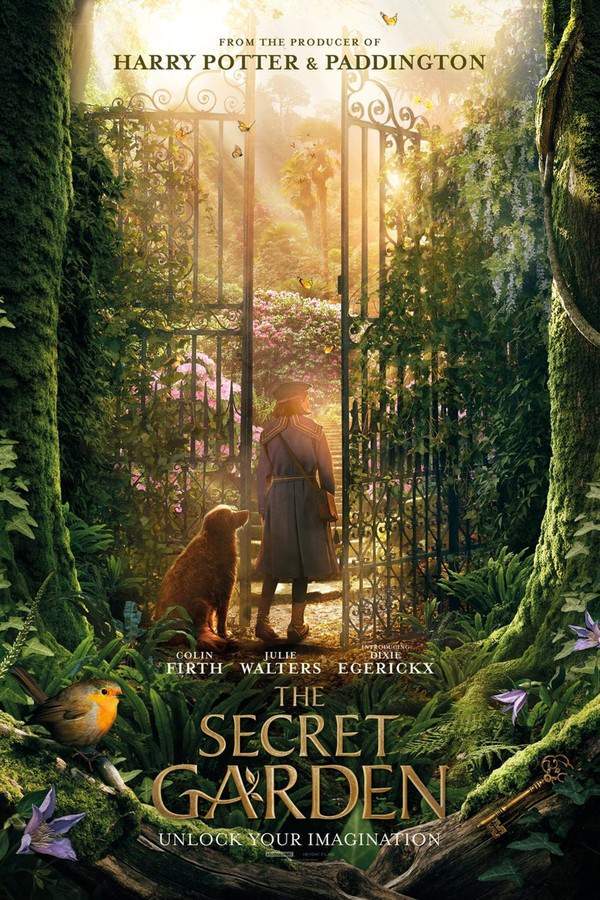
Then, one night, after the grandfather clock in the hall strangely strikes 13, Tom dares to explore and discovers the back yard—once modest and ordinary—has transformed into a sunlit, expansive garden. In this magical space he meets Hatty, a lonely child who appears to be the only person who can see him. Their meetings begin as simple curiosities, but very quickly they reveal a pattern: their chats and games unfold as if they are slipping through the centuries, with Tom slowly realizing that the adventures are playing out in the 19th century. Each night he returns, Hatty seems a little older, nudging Tom to question the very nature of time and reality, and the boundary between his world and hers begins to blur.
To test what’s happening, Tom asks Hatty to leave her skates in a hidden place so that when he returns to the future he can track them down. The plan works, and the curiosity about the other era becomes a tangible thread linking the two times. One evening the two of them skate together, and Hatty’s feelings shift—she begins to fall in love with a boy from her own era, a young man named Barty. Tom, meanwhile, discovers that he has become invisible to Hatty, a quiet consequence of the time-tangled world they inhabit. The romance between Hatty and Barty adds a bittersweet layer to the mystery, as Tom navigates his own place in a moment that isn’t his own.
As the days pass, Tom’s sense of direction falters. The next night, when he ventures back, the garden seems to have vanished, replaced by the clatter and clutter of modern life—rubbish bins and urban smells replaced the familiar green. It’s a jarring reminder that the boundary between time periods is fragile and elusive. Just before Tom returns to his own time, he encounters Mrs Bartholomew again, and in a startling revelation, she is revealed to be the elderly Hatty, linking the two figures across decades and tying their fates together in a quiet, poignant twist.