Plot Explained Spoilers guaranteed!
Plot Explained

Browse by genre

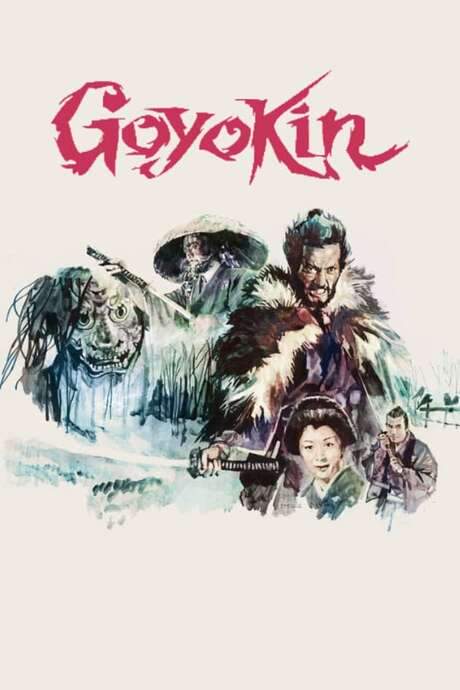
Three Outlaw Samurai (1964) movie poster

Plot Summary

Three Outlaw Samurai (1964) Plot Summary Explained

Release, runtime and language
1964 · 93 mins · Japanese
JustWatch #2,922 10
Directed by
Hideo Gosha
Starring
Miyuki Kuwano, Hisashi Igawa, Kamatari Fujiwara, Junkichi Orimoto, Bokuzen Hidari, Kichijirô Ueda

Three swordsmen fill the giant screen with flashing swordplay. Shiba, a wandering ronin, meets peasants who have kidnapped the magistrate’s daughter to force a tax reduction. He joins their cause, aided by two renegades from the magistrate’s guard, Sakura and Kikyo. The trio becomes outlaws, locked in a deadly battle.

On this page (6)
  1. 1 Where to watch
  2. 2 What happens: full plot
  3. 3 Plot questions answered
  4. 4 Movie threads
  5. 5 Movies like Three Outlaw Samurai
  6. 6 Every angle

Where to watch

Where to Watch Three Outlaw Samurai (1964)

Where can you watch Three Outlaw Samurai? Stream, rent or buy it in the US, including on Amazon Prime Video, HBO Max and Kanopy: current JustWatch availability with up-to-date prices.

Streaming availability powered by JustWatch

Full plot summary · contains spoilers

What Happens in Three Outlaw Samurai: Full Plot Summary

The whole story of Three Outlaw Samurai (1964) explained, from the opening scene to the final frame: every key event, every twist and what it all adds up to. Read it as a quick recap before the sequel, to check a scene you missed, or to finally understand what really happened.

Sakon Shiba, Tetsuro Tamba, a wandering ronin, rides into a mill where three peasants—Yohachi, Gosaku, and Jinbei—have seized the magistrate’s daughter, Aya, as a bargaining chip. The magistrate’s soldiers ride to negotiate, offering clemency in exchange for Aya’s return, but the peasants refuse, insisting that the hostage will be freed only if the regional lord agrees to lower taxes for the starving villagers. A failed sneak attack by the soldiers leads nowhere, and the lord quickly assembles a new party, including his samurai Kikyo, Mikijiro Hira, and the vagabond samurai Kyôjûrô Sakura, Isamu Nagato, to break the stalemate.

When Shiba encounters the fresh entourage, he persuades Isamu Nagato to switch sides, drawn by his sympathy for the peasants’ plight. After a second rescue ends in disappointment, the magistrate escalates the crisis by hiring mercenaries and taking Gosaku’s daughter, Yasu, as a new hostage. Confronted with Yasu’s capture, the peasants and the mercenaries strike a grim pact: Aya will be freed and the peasants will be left unharmed, provided Shiba endures 100 blows as punishment. They all swear to honor the bargain.

Shiba is taken into custody and whipped, while Aya watches in horror and pleads for mercy on her father’s behalf. Yet the beating continues, and Shiba vows revenge on the magistrate for breaking the samurai code of honor. In retaliation, the magistrate orders the killings of Yohachi, Gosaku, and Jinbei, though Jinbei manages to cast a signed petition for the regional lord into a river before his murder.

Sakura slips into the magistrate’s house and tells a serving girl of the peasants’ killings. Alarmed by the magistrate’s treachery, she frees Shiba and is soon slain by a dungeon guard. Moved by Shiba’s integrity, Kikyo decides to abandon his current allegiance and joins the other outlaws at the mill, aided by Sakura’s earlier defection.

A crucial turn arrives when Sakura, visiting a love interest, Oine, learns she is being held at knifepoint by the magistrate’s men. He reveals the petition’s location—the mill—and is released in exchange for her freedom. Ouchi Genma, the land’s greatest swordsman, arrives with a large force to assault the mill once more; Shiba and Kikyo hold the line as Sakura arrives in the heat of the battle. Shiba defeats Ouchi and then races to persuade a wary group of peasants to deliver the petition to the lord, but they balk. Enraged, Shiba turns his fury toward the magistrate, only to be checked when Aya steps forward and begs for mercy, throwing herself between Shiba and her father. The magistrate tries to flee, but Shiba cuts off his hair bun and declares that the lord and the peasants must “see his disgrace.” With the magistrate exposed, Shiba returns to his companions, and the trio accepts an uncertain, open-ended destiny as they walk away in a direction chosen at random.

Last updated: October 09, 2025 at 10:44

Was this helpful?

Plot questions answered

Three Outlaw Samurai Plot Explained: Your Questions Answered

The questions people ask most about Three Outlaw Samurai (1964): what happens in the confusing scenes, why the characters do what they do, the twists, hidden details and what the ending means. Each answer contains spoilers.

Q1

Why do the peasants kidnap the magistrate's daughter?

The three peasants, Yohachi, Gosaku, and Jinbei, abduct Aya, the magistrate's daughter, to use her as a bargaining chip. Their goal is to force the regional lord to lower taxes for the starving village. They refuse to release her unless the lord agrees to this demand, making the hostage a desperate act of resistance against oppressive taxation.

  • peasants
  • kidnap
  • hostage
  • taxes
  • Aya
Q2

Why does Sakon Shiba decide to help the peasants?

Shiba, a wandering ronin with no master, encounters the situation at the mill and chooses to side with the peasants after witnessing their just cause. His decision reflects his personal code of honor, he sympathizes with their desperate plight against corrupt authority and cannot ignore their suffering.

  • Shiba
  • ronin
  • peasants
  • honor
  • support
Q3

Why does the magistrate break the pact and order the peasants killed?

Despite agreeing to the bargain, where Aya would be freed and the peasants unharmed in exchange for Shiba receiving 100 blows, the magistrate betrays his word. He orders the killings of Yohachi, Gosaku, and Jinbei, demonstrating the corruption and hypocrisy of the local authority. This betrayal drives much of the film's conflict and Shiba's quest for revenge.

  • magistrate
  • pact
  • betrayal
  • execution
  • peasants
Q4

Why do Kikyo and Sakura switch sides to join Shiba?

Sakura, a vagabond samurai originally sent against the peasants, switches sides when Shiba reveals his sympathy for their cause. Kikyo, a samurai in the magistrate's guard, defects after witnessing Shiba endure the 100 blows and observing the magistrate's treachery. Both are moved by Shiba's integrity and the injustice of the magistrate's actions, choosing honor over loyalty to a corrupt master.

  • Kikyo
  • Sakura
  • defect
  • shiba
  • loyalty
Q5

What is the importance of the petition Jinbei throws into the river?

Jinbei throws a signed petition addressed to the regional lord into the river just before his murder. This petition requests tax relief for the starving villagers. The document represents the peasants' formal, legal attempt to seek justice, and its recovery later by Sakura becomes crucial to the outlaws' cause.

  • petition
  • jinbei
  • river
  • taxes
  • lord
Q6

Why does Aya hide Shiba after he escapes from the dungeon?

After witnessing Shiba endure brutal punishment to honor the pact and seeing her father break his word, Aya's perspective shifts dramatically. She finds Shiba crawling through her house after his escape and chooses to hide him, now convinced of his and the peasants' virtue. Her act represents a complete reversal from her initial position as a hostage.

  • Aya
  • shiba
  • hide
  • dungeon
  • escape
Q7

Why does Shiba spare the magistrate's life at the end?

When Shiba confronts the magistrate, ready to kill him for his betrayal, Aya throws herself between them and begs for mercy on her father's behalf. Shiba restrains himself and chooses not to kill the magistrate, demonstrating that despite his desire for revenge, he maintains his honor by not striking down a defenseless man begging for his life.

  • shiba
  • magistrate
  • spare
  • mercy
  • aya
Q8

What does cutting the magistrate's hair bun signify?

Instead of killing the magistrate, Shiba cuts off his topknot (hair bun), declaring that the lord and peasants must "see his disgrace." In feudal Japan, the topknot represented a samurai's honor and identity. By severing it publicly, Shiba humiliates the magistrate permanently, a fate considered worse than death in samurai culture.

  • topknot
  • disgrace
  • honor
  • shiba
  • magistrate
Q9

What happens to the three outlaws at the end of the film?

After publicly disgracing the magistrate, Shiba returns to his companions Kikyo and Sakura. The trio walks away from the mill in a direction chosen at random, symbolizing their uncertain future. The ending is ambiguous, they have achieved neither clear victory nor total defeat, but rather a somber, open-ended resolution to their violent stand against corruption.

  • outlaws
  • ending
  • future
  • shiba
  • kikyo
  • sakura
Q10

Why does the magistrate hire mercenaries to deal with the peasants?

After the peasants refuse to release Aya despite initial negotiations and a failed sneak attack, the magistrate escalates the situation by assembling a group of mercenaries. He also takes Gosaku's daughter Yasu as a new hostage, raising the stakes and forcing the peasants into a desperate bargain that ultimately leads to the film's central conflict.

  • mercenaries
  • magistrate
  • escalation
  • yasu
  • hostage

Movie threads

More Movies Like Three Outlaw Samurai, by Mood & Story

Curated lists built around what makes Three Outlaw Samurai tick: the same mood, the same kind of story or the same emotional payoff. Each list explains why these movies belong together.

Samurai and Outlaw stories with a grim code of honor like Three Outlaw Samurai

Ruthless warriors bound by a personal code of justice against corruption. For viewers who liked the gritty honor and justice of Three Outlaw Samurai, this list features movies about lone warriors and outlaw bands fighting corrupt systems. If you enjoy stories where a personal moral code clashes with a bleak world, these similar action dramas are for you.

  • brutal
  • honorable
  • grim
  • tense
  • oppressive
  • melancholic
  • Tone: tense, grim, honorable
  • Pacing: fast, driven by conflict
Why these movies?

The story pattern: These narratives typically follow a disillusioned expert—a ronin, gunslinger, or rogue agent—who is drawn into a conflict between the powerless and the powerful. Their journey involves defending the oppressed, forming a fraught alliance with unlikely allies, and engaging in a brutal, principled struggle that often ends in personal loss.

Why they belong together: Movies are grouped here for their shared focus on protagonists who live by a personal code in a harsh world. They blend high-intensity action with heavy emotional weight, exploring themes of loyalty, sacrifice, and a bleak, almost righteous violence against systemic injustice.

Movies about desperate rebellions and found family like Three Outlaw Samurai

A band of misfits unites for a hopeless fight against overwhelming power. If you enjoyed the peasant rebellion and the alliance of samurai in Three Outlaw Samurai, this collection features films about hopeless causes and the found families that fight for them. Discover similar movies focused on sacrifice, betrayal, and the bonds formed in brutal conflict.

  • tense
  • brutal
  • grim
  • anxious
  • melancholic
  • honorable
  • Tone: tense, bleak, melancholic
  • Pacing: fast, relentless
Why these movies?

The story pattern: The plot revolves around an unjust situation that forces a reluctant hero to take a stand. They are joined by others who defect from the opposing side or have their own reasons to fight, forming a core group. The narrative is driven by successive battles, betrayals, and sacrifices, testing the group's resolve and culminating in an ambiguous or bittersweet resolution.

Why they belong together: This thread groups movies that share a specific narrative structure and emotional core: a fast-paced, tense rebellion story where the central relationship dynamics—the 'found family'—are as important as the external conflict. They deliver a heavy emotional impact through themes of sacrifice and the cost of defiance.

If you liked this

Movies Like Three Outlaw Samurai

Similar movies to Three Outlaw Samurai: the same genre, themes or kind of story. Each one comes with its own plot summary, timeline and ending explained.

Browse all movie summaries

Every angle

Three Outlaw Samurai (1964) Explained: Plot, Timeline & Characters

Everything about Three Outlaw Samurai in one place: what happens in the plot summary, the timeline in chronological order, the characters and meaning and a spoiler-free summary. What's After the Movie adds the cast, box office and post-credit scenes.

Coming soon on iOS and Android

The Plot Explained Movie Summary App

Plot summaries, endings explained and timelines on your phone. Catch up on any movie in minutes, save your favorites and never miss a twist again.

Be the first to know when we launch. Your email stays private, always.

Learn more about the app