Plot Explained Spoilers guaranteed!
Plot Explained

Browse by genre

This Side of the Law (1950) movie poster

Characters & Themes

This Side of the Law (1950) Characters, Setting & Themes Explained

Release, runtime and language
1950 · 74 mins · English
Directed by
Richard L. Bare
Starring
Kent Smith, Nita Talbot, Viveca Lindfors, Robert Douglas, Janis Paige, John Alvin

A man finds himself trapped in a cistern, forced to confront the sinister chain of events that led to his confinement. Through flashbacks we see his fateful meeting with a corrupt lawyer who convinces him to assume the identity of a wealthy man who vanished seven years earlier, setting off a treacherous deception.

On this page (7)
  1. 1 Characters explained (9)
  2. 2 Where & when it takes place
  3. 3 Themes & meaning (3)
  4. 4 Character & meaning questions
  5. 5 Movie threads
  6. 6 Movies like This Side of the Law
  7. 7 Every angle

9 main characters · contains spoilers

This Side of the Law Characters Explained: Who Is Who

The main characters of This Side of the Law (1950), heroes and villains: what drives them, how they change over the course of the story and what each of them reveals about the film's bigger ideas.

  • David Cummins (Kent Smith)

    A bright but down-on-his-luck vagrant recruited to impersonate a missing man. He is quick-witted and resourceful, yet his attempt at a better life entangles him in murder and betrayal, while a growing emotional pull toward Evelyn complicates his plans. His moral hesitation contrasts with the criminal schemes surrounding him.

    • 🎭 Protagonist
    • 🪪 Impostor
    • 💡 Resourceful
  • Evelyn Taylor (Viveca Lindfors)

    Malcolm Taylor's wife, initially wary and distant toward David but drawn into the plot as events unfold. She is conflicted, torn between fear and loyalty, and eventually exposed to a burgeoning attraction. Her choices influence the outcome and the possibility of a fresh start.

    • ❤️ Love Interest
    • 💬 Conflict
    • 🕊️ Compassion
  • Nadine Taylor (Janis Paige)

    Calder's wife who becomes entangled in Malcolm's affairs and the estate conspiracy. She is pragmatic and capable of scheming, but her attempt to double-cross the others leads to a fatal mistake. Her murder underscores the peril of betrayal.

    • 🕵️‍♀️ Conspirator
    • 💰 Motive
    • 🧩 Hidden motives
  • Philip Cagle (Robert Douglas)

    A lawyer who acts as executor and mastermind behind the impersonation plan. He is calculating, unscrupulous, and willing to manipulate anyone—including Nadine—to secure the estate. His ruthlessness culminates in a violent confrontation.

    • 🎩 Schemer
    • 🧠 Mind games
    • 🧭 Power broker
  • Calder Taylor (John Alvin)

    Malcolm's brother and a volatile figure who resents David's impersonation and the marital disruptions around him. He is suspicious, quick to anger, and a dangerous foil who drives some of the estate's most dramatic conflict.

    • 🤝 Family Rival
    • 🗡️ Hostile
    • 🧠 Calculating
  • The Sheriff (Monte Blue)

    A lawman who appears as part of the investigation and enforcement of the law. He embodies authority and helps tie together the legal thread of the plot.

    • 👮 Lawman
    • 🗺️ Authority
    • ⏳ Peripheral
  • Judge (Edward Van Sloan) [uncredited]

    A judicial figure who embodies formal authority during key moments of the investigation and legal proceedings.

    • ⚖️ Authority
    • 🔎 Legal process
    • 🕰️ Verdict
  • Miss Goff (Nita Talbot)

    A supporting character who contributes to the social circle around the estate and the unfolding plot.

    • 🗒️ Secret
    • 👥 Minor role
    • 🗂️ Social context
  • Miss Roberts (Frances Morris)

    Another side character who participates in the local social scene surrounding the mansion and the intrigue within.

    • 🗒️ Secret
    • 👥 Minor role

Last updated: October 04, 2025 at 14:51

Was this helpful?

Setting

Where and When Does This Side of the Law Take Place?

The setting of This Side of the Law (1950): the year and time period, the places and locations, and how they shape the characters, the mood and the tension of the story.

Time period

1930s

Set during the Great Depression era, the film uses contemporary urban elements like lawyers and police to highlight desperation and opportunism. Financial motives drive the plot, with impersonation and murder as means to secure wealth. The period's mood supports a noir-tinged thriller tone, where appearances and motives collide under economic stress.

Location

Taylor Estate, City Jail, Cistern, Police Office

The action centers on Malcolm Taylor's secluded mansion perched near a cliff, a setting that houses intrigue, manipulation, and murder. The estate's opulent rooms contrast with the perilous cistern where David hides, and with the police office and jail where justice intermittently tightens its grip. The locations expand from the mansion to the surrounding grounds and a cliffside spot, creating a tense stage for secrets and confrontations.

  • 🏰 Mansion
  • 🌊 Cliffside location
  • 🕵️ Crime scene

Last updated: October 04, 2025 at 14:51

Was this helpful?

3 major themes

This Side of the Law Meaning: Themes & Message Explained

What is This Side of the Law (1950) really about? The emotional, social and philosophical themes the film keeps returning to, its symbolism and the message beneath the surface.

  • Identity

    The film examines how a person can slip into another's life, adopting their appearance and mannerisms to exploit a vulnerable situation. David's impersonation exposes the fragility of identity when external signs bind a person to a role. The consequences ripple through relationships, revealing vulnerability and cunning alike.

  • Greed

    Inheritance and money act as the primary motive behind the deception. The plan to impersonate Malcolm Taylor is rooted in financial reward, and even trusted allies reveal ulterior motives for gain. The pursuit of wealth triggers betrayals, murders, and cover-ups that push the thriller toward its climax.

  • Justice

    Law, order, and the discovery of truth drive the narrative toward accountability. The police, the lawyer, and the eventual exposure of conspiracies highlight how justice negotiates through deception and danger. The resolution hinges on confession, risk, and the rebalancing of moral scales.

Last updated: October 04, 2025 at 14:51

Was this helpful?

Character & theme questions

This Side of the Law Characters & Meaning: Your Questions Answered

The questions people ask about This Side of the Law (1950): who the characters really are, their relationships, what the symbols mean, where it takes place and what the movie is really about. Each answer contains spoilers.

Q1

Where is This Side of the Law set?

The film takes place primarily at the Taylor Estate, a secluded mansion perched near a cliff. This isolated location houses the central intrigue and serves as a stark contrast to the dark cistern where the protagonist hides and the police offices where justice unfolds. The mansion's opulent rooms create a tense stage for the unfolding deception and confrontation.

  • taylor estate
  • mansion
  • cliffside
  • location
  • setting
Q2

What time period does the movie take place in?

The film is set during the 1930s Great Depression era. This historical context is crucial as financial desperation drives the characters toward the criminal scheme of impersonation and murder. The period's economic hardship fuels the noir-tinged thriller tone, where appearances and motives collide under extreme financial stress.

  • 1930s
  • great depression
  • era
  • time period
  • historical setting
Q3

How does the mansion setting influence the story?

The isolated Taylor Estate creates an atmosphere of seclusion and claustrophobia that amplifies the conspiracy's danger. The cliffside location symbolizes the precariousness of the characters' situations, while the opulent rooms mask the criminal machinations occurring within. This contrast between luxury and peril heightens the tension throughout the film.

  • mansion
  • isolation
  • cliff
  • atmosphere
  • setting symbolism
Q4

What are the main themes of the film?

The film explores three interconnected themes: Identity (the fragility of adopting another's life), Greed (inheritance and money as the primary motive), and Justice (law, order, and the pursuit of truth). These themes weave together to create a story about how desperation leads to deception and ultimately to accountability.

  • identity
  • greed
  • justice
  • themes
  • meaning
Q5

How does the movie explore identity?

The film examines how a person can slip into another's life, adopting their appearance and mannerisms to exploit a vulnerable situation. David's impersonation of Malcolm Taylor exposes the fragility of identity when external signs bind a person to a role, with consequences that ripple through all relationships.

  • identity
  • impersonation
  • david
  • masquerade
  • self
Q6

What role does greed play in the story?

Greed serves as the primary engine driving the deception. The plan to impersonate Malcolm Taylor is rooted entirely in financial reward, and even trusted allies reveal ulterior motives for gain. This pursuit of wealth triggers betrayals, murders, and cover-ups that push the thriller toward its climactic confrontation.

  • greed
  • money
  • inheritance
  • motive
  • financial
Q7

How does the film handle justice?

Law, order, and the discovery of truth drive the narrative toward accountability. The police, the lawyer, and the eventual exposure of conspiracies highlight how justice negotiates through deception and danger. The resolution hinges on confession, risk, and the rebalancing of moral scales.

  • justice
  • law
  • police
  • truth
  • accountability
Q8

Who is David Cummins in the film?

David Cummins is a bright but down-on-his-luck vagrant recruited to impersonate the missing Malcolm Taylor. He is quick-witted and resourceful, yet his attempt at a better life entangles him in murder and betrayal. His moral hesitation contrasts sharply with the criminal schemes surrounding him.

  • david cummins
  • protagonist
  • vagrant
  • impersonation
  • main character
Q9

Who is Evelyn Taylor?

Evelyn Taylor is the wife of the missing Malcolm Taylor. Initially wary and distant toward David, she becomes drawn into the plot as events unfold. She is conflicted, torn between fear and loyalty, and eventually experiences a growing attraction that influences the story's outcome.

  • evelyn taylor
  • malcolm wife
  • character
  • love interest
Q10

Who is Philip Cagle?

Philip Cagle is the lawyer who acts as executor and mastermind behind the impersonation plan. He is calculating and unscrupulous, willing to manipulate anyone, including Nadine, to secure the estate. His ruthlessness culminates in a violent confrontation that drives the film's climax.

  • philip cagle
  • lawyer
  • villain
  • mastermind
  • executor
Q11

Who is Calder Taylor?

Calder Taylor is Malcolm's brother, a volatile figure who resents David's impersonation and the marital disruptions around him. He is suspicious, quick to anger, and serves as a dangerous foil who drives some of the estate's most dramatic conflict.

  • calder taylor
  • malcolm brother
  • antagonist
  • volatile
Q12

What kind of film is This Side of the Law?

This Side of the Law is a crime film with noir-tinged thriller elements. It uses the Great Depression setting to highlight desperation and opportunism, combining financial motives with impersonation and murder. The film maintains tense atmosphere through its story of deception and eventual justice.

  • crime film
  • noir
  • thriller
  • 1950
  • movie genre

Movie threads

More Movies Like This Side of the Law, by Mood & Story

Curated lists built around what makes This Side of the Law tick: the same mood, the same kind of story or the same emotional payoff. Each list explains why these movies belong together.

Movies about dangerous impersonations like This Side of the Law

When a stolen identity unravels, revealing greed, corruption, and murder. If you enjoyed the high-stakes deception in This Side of the Law, you'll find similar tension in these crime dramas and thrillers. Discover movies where a stolen identity leads to a treacherous path of murder and betrayal, keeping you on edge as the protagonist's survival hangs in the balance.

  • suspenseful
  • deceptive
  • anxious
  • menacing
  • paranoid
  • crime
  • Tone: tense, deceptive, menacing
  • Pacing: steady, methodical escalation
Why these movies?

The story pattern: These narratives often begin with a tempting offer or a desperate situation that leads a protagonist to impersonate someone else, usually for financial gain. The plot then methodically escalates the threat, introducing suspicious family members, corrupt accomplices, and the constant fear of exposure, building towards a violent confrontation that tests the protagonist's will to survive.

Why they belong together: These films are grouped together because they share a core plot engine of identity theft that immediately creates high tension. They explore similar themes of greed, corruption, and survival, maintaining a steady, suspenseful pace as the deception unravels. The experience is defined by anxious anticipation and the moral compromises characters make under pressure.


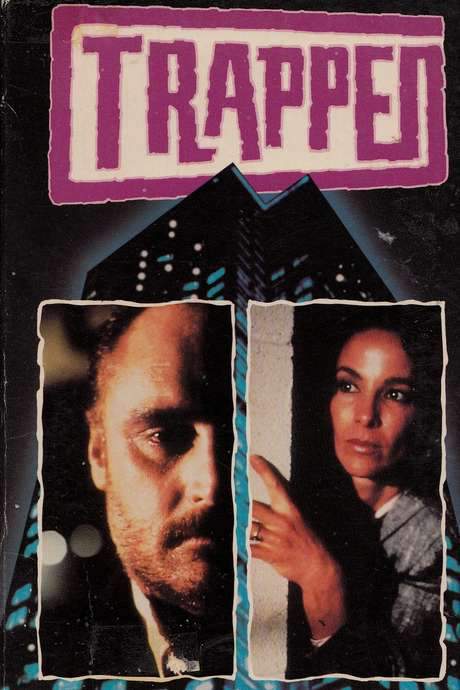
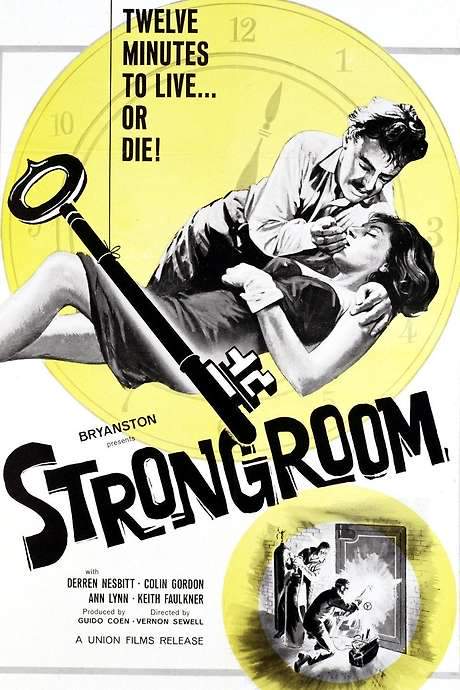
Claustrophobic noir thrillers with flashbacks like This Side of the Law

Tense thrillers where physical confinement mirrors a psychological trap. Fans of the tense, confined atmosphere in This Side of the Law will appreciate these suspenseful films. Explore movies that use a claustrophobic setting and a flashback structure to build anxiety, trapping both the character and the viewer in a web of past decisions that have led to a desperate present.

  • claustrophobic
  • suspenseful
  • anxious
  • noir
  • flashback
  • menacing
  • Tone: tense, claustrophobic, anxious
  • Pacing: steady, suspenseful build
Why these movies?

The story pattern: The storytelling pattern in this thread often starts with the protagonist already in a dire, confined situation. The plot is then revealed through a series of flashbacks that explain the chain of events—typically involving a shady deal or a fatal mistake—that led to their entrapment. The structure creates a relentless, anxious mood as the past and present collide towards a resolution.

Why they belong together: These films are united by their oppressive, claustrophobic mood and a narrative structure that leverages confinement and recollection. They share a high-tension, steady-paced tone that keeps viewers on edge. The primary connection is the visceral feeling of being trapped, both physically within the story and emotionally within the unfolding mystery.

If you liked this

Movies Like This Side of the Law

Similar movies to This Side of the Law: the same genre, themes or kind of story. Each one comes with its own plot summary, timeline and ending explained.

Browse all movie summaries

Every angle

This Side of the Law (1950) Explained: Plot, Timeline & Characters

Everything about This Side of the Law in one place: what happens in the plot summary, the timeline in chronological order, the characters and meaning and a spoiler-free summary. What's After the Movie adds the cast, box office and post-credit scenes.

Coming soon on iOS and Android

The Plot Explained Movie Summary App

Plot summaries, endings explained and timelines on your phone. Catch up on any movie in minutes, save your favorites and never miss a twist again.

Be the first to know when we launch. Your email stays private, always.

Learn more about the app