





Plot Explained Spoilers guaranteed!
Plot Explained

Browse by genre

The Rain People (1969) movie poster

Plot Summary

The Rain People (1969) Plot Summary Explained

Release, runtime and language
1969 · 101 mins · English
JustWatch #3,201 25
Directed by
Francis Ford Coppola
Starring
James Caan, Robert Duvall, Andrew Duncan, Eleanor Coppola, Tom Aldredge, Alan Manson

Rain people are extremely fragile; a single misstep in love can cause them to fall apart. When a housewife discovers she is pregnant, she abandons her town in search of freedom, hoping to reflect on her choices and decide what kind of future she truly wants.

On this page (6)
  1. 1 Where to watch
  2. 2 What happens: full plot
  3. 3 Plot questions answered
  4. 4 Movie threads
  5. 5 Movies like The Rain People
  6. 6 Every angle

Where to watch

Where to Watch The Rain People (1969)

Where can you watch The Rain People? Stream, rent or buy it in the US, including on HBO Max, Amazon Video and Apple TV Store: current JustWatch availability with up-to-date prices.

Streaming availability powered by JustWatch

Full plot summary · contains spoilers

What Happens in The Rain People: Full Plot Summary

The whole story of The Rain People (1969) explained, from the opening scene to the final frame: every key event, every twist and what it all adds up to. Read it as a quick recap before the sequel, to check a scene you missed, or to finally understand what really happened.

Long Island housewife Natalie Ravenna, Shirley Knight, leaves her husband while he’s sleeping and sets off on a road trip in a worn family station wagon. She stops to visit her parents, who are visibly upset by her decision, setting a somber tone for what follows.

At a gas station, Natalie makes a collect call to her husband to share a life-changing bit of news: she is pregnant. He responds with joy, but she clarifies that she’s not ready to return home and needs time away to figure things out.

She offers a ride to a strapping young man, Jimmy "Killer" Kilgannon, a former college football star who suffered a serious head injury and was paid to leave the program. On their first night together, in Natalie’s motel room, she asserts control, has him display his muscular frame, and reveals the pregnancy, explaining that the ride was meant to be a one-night affair—but she soon sends him to his own room. The dynamic is tense, fragile, and charged with unspoken motives.

As they press on, Natalie drives Killer toward the home of a former girlfriend of his, whose father had once promised him a job. That family wants nothing to do with him, so Natalie takes Killer with her as they continue westward. She comes close to finding him work or a place to stay on two occasions, only to decide that Killer would be taken advantage of if left to his own devices. She also twice leaves him stranded on the roadside, only to change her mind and pull him back into the journey.

Days later, during another collect call from a pay phone, her husband pleads with her to return, promising to do anything to make her happy. Killer angers Natalie by destroying the phone cord, yet they press on together, bound by a mix of dependence and quiet defiance.

Their path collides with trouble when a motorcycle highway patrolman, Gordon, pulls Natalie over for speeding and invites her back to his trailer. He proves to be an unstable widower and father who mistreats his young daughter. After sending his daughter outside so he and Natalie can be alone, he reveals the death of his wife, deepening the emotional volatility in the trailer. Natalie tries to leave, but Gordon attempts to trap her and even pressures her toward rape. Killer tries to intervene by beating Gordon, a desperate act that Natalie can’t prevent from escalating. In the trailer’s tense aftermath, Gordon’s daughter shoots Killer dead, leaving Natalie cradling his body as park residents converge, bearing witness to the tragedy that has unfolded.

Last updated: October 09, 2025 at 09:34

Was this helpful?

Plot questions answered

The Rain People Plot Explained: Your Questions Answered

The questions people ask most about The Rain People (1969): what happens in the confusing scenes, why the characters do what they do, the twists, hidden details and what the ending means. Each answer contains spoilers.

Q1

Why does Natalie leave her husband while pregnant?

Natalie leaves her husband because she feels trapped by the expectations of marriage and motherhood. Discovering she's pregnant forces her to confront what she truly wants from life. She needs time away to reflect on her choices and decide whether she can embrace being a wife and mother or needs to pursue a different path.

Foreshadowing: Earlier, her parents' upset reaction foreshadows the consequences of her decision to abandon security for freedom.

  • natalie ravenna
  • pregnancy
  • leaving husband
  • road trip
  • freedom
Q2

Why does Natalie offer a ride to Killer?

Natalie offers Killer a ride because she's drawn to his vulnerability. As a former football star with a head injury who was paid to leave school, he represents someone else who has lost his identity. She takes control of the situation, using the encounter to feel less alone while maintaining emotional distance, her pregnancy makes her want connection but also fear true intimacy.

Foreshadowing: This dynamic of control and abandonment establishes the pattern that will define her entire journey.

  • killer kilgannon
  • hitchhiker
  • companionship
  • vulnerability
  • control
Q3

What happened to Killer's football career?

Killer was a promising college football star who suffered a serious head injury during play. The university paid him to leave the program rather than risk further injury or potential liability. This left him without a future or identity, wandering without purpose, exactly the aimlessness that Natalie recognizes and briefly tries to address.

  • head injury
  • college football
  • dismissed
  • identity loss
  • killer kilgannon
Q4

Why does Natalie leave Killer on the roadside twice?

Natalie abandons Killer twice because she's conflicted about responsibility. Part of her wants to continue her journey alone, freed from any obligation. Yet she can't actually let him go, each time she leaves, she reverses course and picks him up again. This cycle reveals her deeper struggle between her desire for complete freedom and her need for human connection.

Foreshadowing: The pattern foreshadows her broader difficulty committing to any choice or person throughout the film.

  • abandonment
  • roadside
  • conflict
  • freedom
  • responsibility
Q5

What happens when Natalie goes to Gordon's trailer?

After being pulled over for speeding, Natalie accepts Gordon's invitation to his trailer. Inside, she discovers he's an unstable widower who mistreats his young daughter. Gordon reveals his wife died and then tries to force Natalie to stay and assault her. This trap represents how Natalie's pattern of seeking escape through men leads her directly into danger.

Foreshadowing: The earlier scene where Gordon sends his daughter outside establishes his predatory nature before the assault attempt.

  • gordon
  • trailer
  • assault attempt
  • widower
  • danger
Q6

Why does Gordon's daughter shoot Killer?

Gordon's daughter shoots Killer because she sees him attacking her father during the violent confrontation in the trailer. Though Gordon was about to rape Natalie and had been beating Killer, the daughter reacts instinctively to protect her father. Her tragic misunderstanding, believing Killer is the aggressor, leads to his fatal shooting, leaving Natalie devastated among the gathered park residents.

Foreshadowing: The daughter's earlier presence while Gordon mistreated her establishes her complex loyalty and vulnerability.

  • shooting
  • gordon's daughter
  • killer death
  • trailer park
  • tragedy
Q7

What does "rain people" mean in the movie?

The title refers to extremely fragile people, like Natalie and Killer, who can fall apart from a single emotional misstep in love or relationships. Just as rain can erode structures, emotional blows can shatter these vulnerable characters. Both Natalie and Killer have experienced losses that leave them unstable, and their connection amplifies rather than heals their fragility.

Foreshadowing: The title foreshadows how emotional encounters progressively erode both characters until they collapse.

  • title meaning
  • fragility
  • vulnerability
  • emotional breakdown
  • metaphor
Q8

How does Natalie's pregnancy shape her journey?

Natalie's pregnancy is the catalyst for her entire road trip. The unexpected news forces her to choose between returning to her husband and exploring who she might become outside marriage. She uses the pregnancy as both justification for independence and a reason to avoid intimacy, telling Killer the ride is a one-night affair because she's not ready for any relationship, even as she seeks connection.

Foreshadowing: The pregnancy call to her husband, where he expresses joy while she insists on staying away, establishes this fundamental conflict.

  • pregnancy
  • unborn child
  • choices
  • independence
  • marriage
Q9

Why does Natalie keep traveling with Killer despite the difficulties?

Natalie keeps traveling with Killer because abandoning him would mean abandoning her attempt at connection altogether. Though she controls their relationship and leaves him twice, she consistently returns for him because isolation frightens her more than the burden of responsibility. Their journey together represents her struggle to balance freedom with human attachment.

Foreshadowing: Her repeated decisions to take him back foreshadow her larger inability to fully commit to solitude or commitment.

  • companionship
  • journey
  • dependency
  • connection
  • isolation
Q10

What leads to the tragic ending of the movie?

The tragedy unfolds because Natalie keeps seeking escape through new men, finally leading her to Gordon's dangerous trailer. When Gordon traps her and plans to assault her, Killer's intervention triggers a violent struggle. Gordon's daughter, witnessing what appears to be an attack on her father, shoots Killer to protect him, turning a desperate rescue attempt into a fatal misunderstanding that leaves Natalie shattered.

Foreshadowing: The escalating danger at the trailer park directly follows Natalie's pattern of trading one problematic situation for another.

  • tragic ending
  • violence
  • gordon's daughter
  • misunderstanding
  • fatal shooting
Q11

Why does Natalie accept Gordon's invitation after being pulled over?

Natalie accepts Gordon's invitation because she's drawn to men who offer temporary escape from her problems. Despite knowing little about him, she's desperate for connection and sees his trailer as a way to avoid her loneliness. This pattern of seeking refuge in strangers, first Killer, then Gordon, demonstrates how her flight from responsibility leads her into progressively dangerous situations.

Foreshadowing: Her earlier encounters with men establish this pattern of using physical proximity to escape emotional reality.

  • gordon
  • highway patrol
  • invitation
  • danger
  • stranger
Q12

What does Natalie learn by the end of the movie?

By the end, Natalie learns that running from responsibility doesn't lead to freedom, it leads to tragedy. Her journey to find herself through escape and new connections instead results in Killer's death and her return to isolation. The brutal outcome forces her to confront that her fear of commitment has caused irreversible harm.

Foreshadowing: The film's steady descent from somber reflection to violent confrontation builds toward this devastating realization.

  • realization
  • consequence
  • loss
  • growth
  • tragedy

Movie threads

More Movies Like The Rain People, by Mood & Story

Curated lists built around what makes The Rain People tick: the same mood, the same kind of story or the same emotional payoff. Each list explains why these movies belong together.

Movies like The Rain People: Dangerous Road Trip Dramas

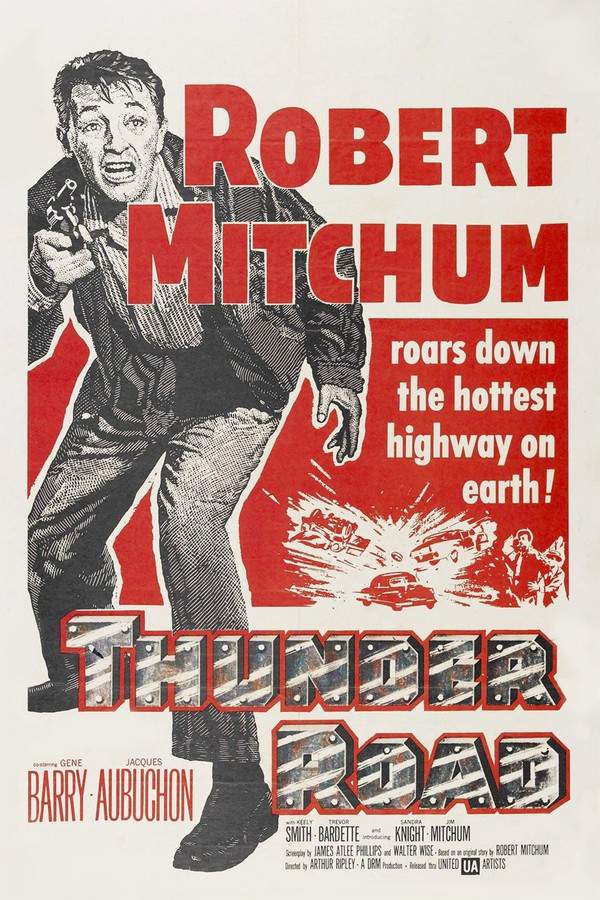
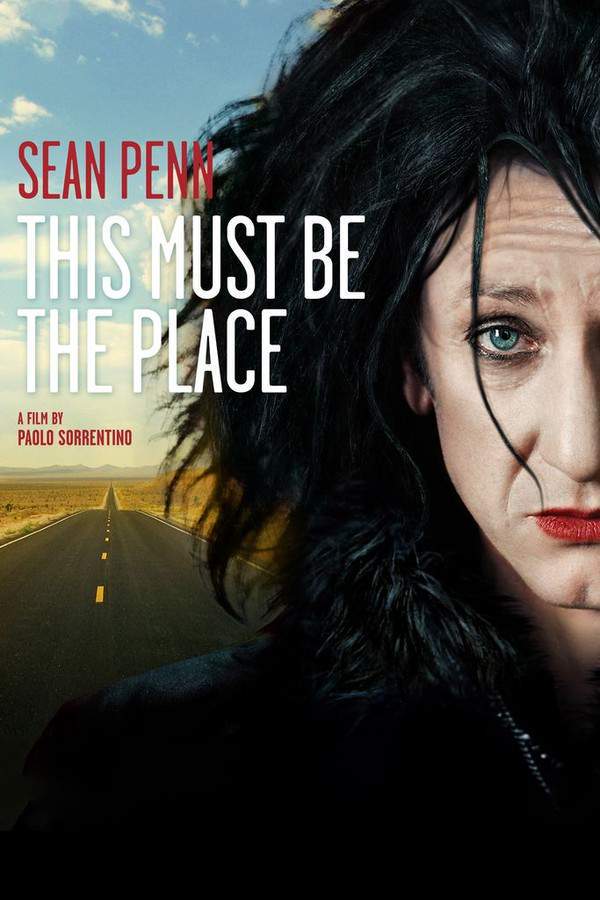
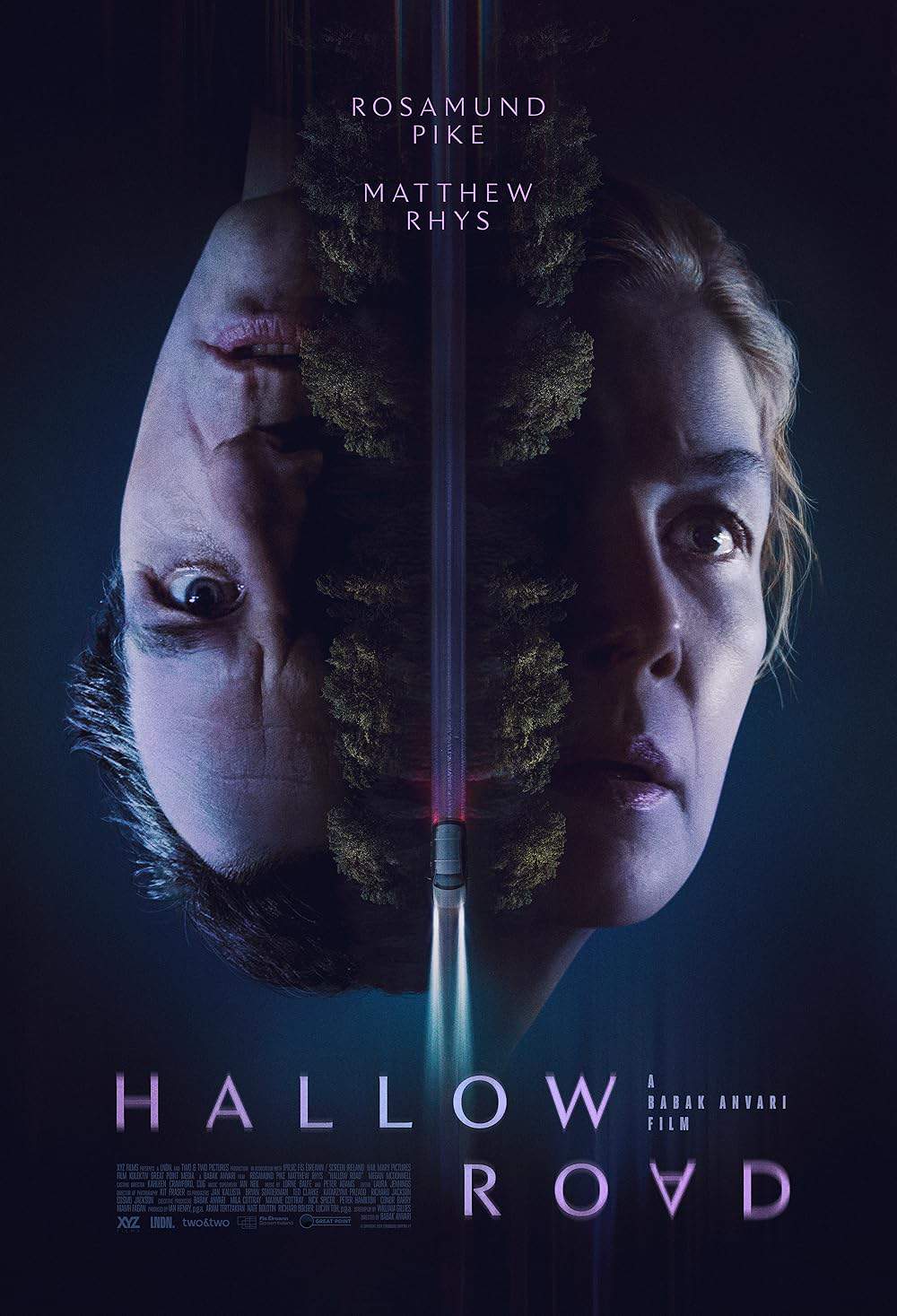
Journeys of escape become traps of co-dependence and escalating dread. For viewers who appreciated the desperate journey in The Rain People, this section features other movies where a road trip becomes a crucible. These films explore similar themes of running away, fragile identities, and relationships that turn dangerous, often leading to bleak and heavy emotional conclusions.

  • desperate
  • tense
  • oppressive
  • fragile
  • lonely
  • melancholic
  • Tone: dark, tense, melancholic
  • Pacing: steady, deliberate
Why these movies?

The story pattern: The narrative typically begins with a flight from a stifling situation, using the road as a symbol of potential. However, the journey quickly transforms as the protagonist encounters another damaged soul, leading to a volatile partnership. The plot unfolds with a steady pacing, building tension through the characters' codependence until it culminates in a tragic or violent confrontation.

Why they belong together: Movies are grouped here for their shared structure of a physical journey mirroring a psychological unraveling. They consistently feature a dark tone, heavy emotional weight, and a steady pacing that builds towards an intense, often bleak, climax centered on fraught human connections.

Bleak Character Studies similar to The Rain People

Intimate portraits of characters breaking under the weight of their choices. If you were captivated by the profound character study in The Rain People, this collection features similar movies focused on psychological fragility. These films share a dark, melancholic tone, a steady pacing that emphasizes emotional decay, and often end with a bleak sense of loss, exploring themes like identity crisis and destructive relationships.

  • melancholic
  • fragile
  • bleak
  • oppressive
  • desperate
  • heartbreaking
  • Tone: dark, melancholic, bleak
  • Pacing: steady, character-driven
Why these movies?

The story pattern: The narrative is intensely character-driven, focusing on a protagonist grappling with a life-altering dilemma or a fractured sense of self. The plot avoids major external events, instead layering small, fraught interactions that amplify the character's isolation and poor judgment. The journey is a steady descent, where attempts at connection often lead to greater harm, concluding with a irreversible, tragic outcome.

Why they belong together: These films are united by their primary focus on a fragile protagonist's psychological descent. They share a consistently dark and melancholic mood, a steady pacing that allows for deep character immersion, and a commitment to bleak, emotionally heavy endings that refuse easy solutions.

If you liked this

Movies Like The Rain People

Similar movies to The Rain People: the same genre, themes or kind of story. Each one comes with its own plot summary, timeline and ending explained.

Browse all movie summaries

Every angle

The Rain People (1969) Explained: Plot, Timeline & Characters

Everything about The Rain People in one place: what happens in the plot summary, the timeline in chronological order, the characters and meaning and a spoiler-free summary. What's After the Movie adds the cast, box office and post-credit scenes.

Coming soon on iOS and Android

The Plot Explained Movie Summary App

Plot summaries, endings explained and timelines on your phone. Catch up on any movie in minutes, save your favorites and never miss a twist again.

Be the first to know when we launch. Your email stays private, always.

Learn more about the app