Plot Explained Spoilers guaranteed!
Plot Explained

Browse by genre

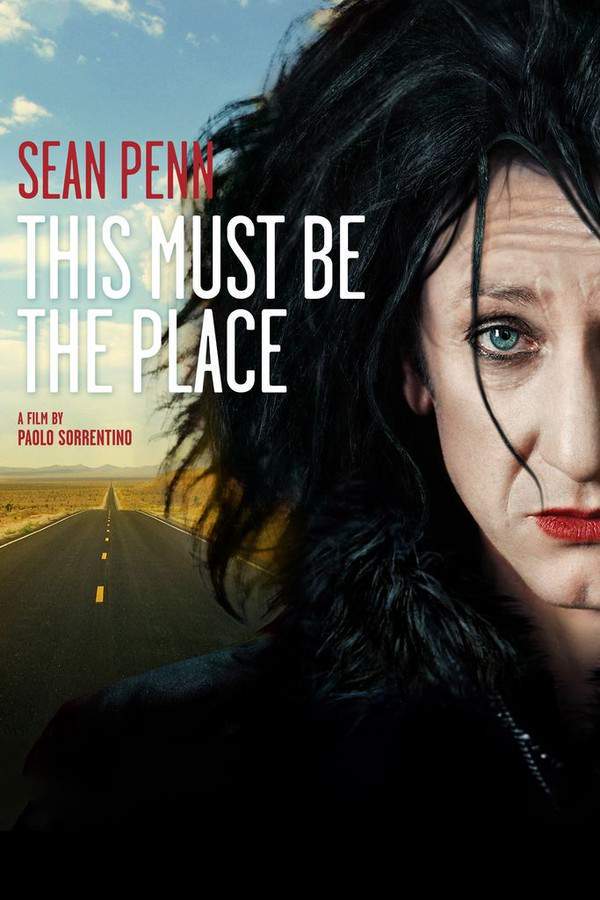
This Must Be the Place (2012) movie poster

Characters & Themes

This Must Be the Place (2012) Characters, Setting & Themes Explained

Release, runtime and language
2012 · 118 min · English
Loading streaming availability…
Directed by
Paolo Sorrentino
Starring
Judd Hirsch, Frances McDormand, Sean Penn, Kerry Condon, Eve Hewson

Following the death of his estranged father, a retired rock star named Cheyenne sets out on a cross-country road trip. Seeking closure and harboring a desire for revenge related to a past grievance, he retraces his father's steps, encountering a diverse cast of characters along the way. The journey becomes a poignant exploration of family, loss, and the search for understanding.

On this page (9)
  1. 1 Where to watch
  2. 2 Characters explained (3)
  3. 3 Character relationship map
  4. 4 Where & when it takes place
  5. 5 Themes & meaning (3)
  6. 6 Character & meaning questions
  7. 7 Movie threads
  8. 8 Movies like This Must Be the Place
  9. 9 Every angle
Loading streaming availability…

3 main characters · contains spoilers

This Must Be the Place Characters Explained: Who Is Who

The main characters of This Must Be the Place (2012), heroes and villains: what drives them, how they change over the course of the story and what each of them reveals about the film's bigger ideas.

  • Cheyenne

    played by Frances McDormand

    Cheyenne is a wealthy former rock star struggling with boredom and disillusionment. His character is marked by a deep sense of loss and a quest for meaning following personal tragedies. His journey reveals layers of vulnerability and complexity as he confronts his father's past and his own identity.

    • 🎤 Rock Star
    • 😔 Disillusionment
    • 🛤️ Quest
  • Alois Lange

    Alois Lange is a former SS officer whose past actions during the Holocaust haunt the narrative. Now frail and blind, he remains a pivotal figure in Cheyenne's quest for understanding and closure. His bemusement towards Cheyenne's father's obsession reflects the disconnect between trauma and perception.

    • 👤 SS Officer
    • 🌪️ Regret
    • 📖 History
  • Mordecai Midler

    Mordecai is a professional Nazi hunter, representing a voice of pragmatism amid the emotional journey. His guidance serves as a catalyst for Cheyenne's pursuit of justice while also pointing out the futility of vengeance. He embodies the complexities of navigating historical truths.

    • 🔍 Nazi Hunter
    • 🧭 Guidance
    • 📜 History

Last updated: October 28, 2026 at 20:47

Was this helpful?

4 characters · 4 connections · contains spoilers

This Must Be the Place Character Relationship Map

Who is connected to whom in This Must Be the Place: family, love, friendships, rivalries and hidden ties, colour-coded. Pick a character to see their side of the story, or a connection to see what brings two characters together.

How much of the story to show
CCheyenneFrances McDormandCFCheyenne'sfatherALAlois LangeMMMordecai Midler

Last updated: October 28, 2026 at 20:47

Was this helpful?

Setting

Where and When Does This Must Be the Place Take Place?

The setting of This Must Be the Place (2012): the year and time period, the places and locations, and how they shape the characters, the mood and the tension of the story.

Time period

The film traverses contemporary times, exploring themes related to the past through the lens of personal tragedy and historical trauma. Cheyenne's reflections reveal the weight of history's impact on present lives, particularly the struggle for reconciliation after decades of silence.

Location

Dublin, New York, Auschwitz, Salt Flats

Dublin serves as the backdrop for Cheyenne's state of disillusionment, contrasting his previous fame as a rock star. His journey takes him to New York, where he seeks closure and reconnection with his estranged father. Auschwitz represents a dark chapter of history, symbolizing suffering and the quest for understanding. The harsh salt flats provide a desolate landscape that reflects Cheyenne's emotional turmoil.

  • 🌍 Locations
  • 🏙️ City
  • 🏞️ Nature

Last updated: October 28, 2026 at 20:47

Was this helpful?

3 major themes

This Must Be the Place Meaning: Themes & Message Explained

What is This Must Be the Place (2012) really about? The emotional, social and philosophical themes the film keeps returning to, its symbolism and the message beneath the surface.

  • Redemption

    Cheyenne's quest for closure encapsulates a powerful theme of redemption, as he seeks to confront his father's past and the legacy of trauma. His journey forces him to reconcile personal pain with historical atrocities, challenging his identity and purpose. Ultimately, it embodies the relentless pursuit of peace amidst sorrow.

  • Identity

    The theme of identity is central to Cheyenne's character, as he grapples with his image as a former rock star weighed down by his past. His transformation throughout the film symbolizes a quest for authenticity, shedding the trappings of fame to explore his true self. His struggle with acceptance and understanding of his father's legacy exemplifies the complexities of identity.

  • Justice

    The quest for justice permeates Cheyenne's journey, particularly regarding his father's experiences during the Holocaust. Cheyenne's confrontation with Alois Lange underscores the often elusive nature of justice for historical wrongs. It raises questions about moral responsibility and the impact of personal trauma on the pursuit of retribution.

Last updated: October 28, 2026 at 20:47

Was this helpful?

Character & theme questions

This Must Be the Place Characters & Meaning: Your Questions Answered

The questions people ask about This Must Be the Place (2012): who the characters really are, their relationships, what the symbols mean, where it takes place and what the movie is really about. Each answer contains spoilers.

Q1

Where does Cheyenne travel during his road trip?

Cheyenne travels across America retracing his father's steps, with key locations including New York where he seeks closure with his estranged father, and Auschwitz representing the historical trauma at the heart of his quest. The journey also takes him through desolate salt flats that reflect his emotional turmoil.

  • road trip
  • new york
  • auschwitz
  • locations
  • journey
Q2

What time period does the film depict?

The film takes place in contemporary times, though it explores themes deeply connected to the past, particularly the Holocaust and decades-old family trauma. Cheyenne's journey examines how historical events continue to impact present lives and the struggle for reconciliation after years of silence.

  • contemporary
  • time period
  • modern
  • historical trauma
Q3

What drives Cheyenne's pursuit of justice?

Cheyenne's pursuit of justice stems from his father's suffering during the Holocaust. His father was obsessed with finding Alois Lange, a former SS officer responsible for his torture. Cheyenne continues this quest, driven by both personal grief and a desire to confront the man who caused his father's historical trauma.

  • justice
  • father
  • holocauso
  • alois lange
  • revenge
Q4

What does the theme of redemption mean in the film?

Redemption in the film centers on Cheyenne's quest for closure after his father's death. He seeks to confront his father's past and the legacy of trauma, forcing himself to reconcile personal pain with the weight of historical atrocities. His journey embodies the relentless pursuit of peace amidst deep sorrow.

  • redemption
  • closure
  • healing
  • father
  • trauma
Q5

How does Cheyenne's identity change throughout the film?

Cheyenne begins as a wealthy, bored former rock star disillusioned with life. His journey forces him to shed the trappings of fame and confront his true self. His struggle with accepting his father's legacy exemplifies the complexities of identity transformation, as he moves from superficial existence to meaningful confrontation with his past.

  • identity
  • rock star
  • transformation
  • self-discovery
  • cheyenne
Q6

Who is Alois Lange in the story?

Alois Lange is a former SS officer whose actions during the Holocaust haunt the narrative. Now elderly, frail, and blind, he remains a pivotal figure in Cheyenne's quest for understanding and closure. His bemusement towards Cheyenne's father's obsession reflects the disconnect between perpetrator and victim's experience of trauma.

  • alois lange
  • ss officer
  • nazi
  • holocaust
  • perpetrator
Q7

What is Mordecai Midler's role in Cheyenne's journey?

Mordecai Midler is a professional Nazi hunter who serves as a voice of pragmatism amid Cheyenne's emotional journey. He guides Cheyenne's pursuit of justice while also pointing out the futility of vengeance. He embodies the complexities of navigating historical truths and the moral ambiguity of pursuing old war criminals.

  • mordecai midler
  • nazi hunter
  • guide
  • justice
  • pragmatism
Q8

Why is Auschwitz an important location in the film?

Auschwitz represents a dark chapter of history and serves as the symbolic heart of Cheyenne's quest. It embodies the suffering his father endured and represents the historical trauma that drives Cheyenne's pursuit of understanding. The location underscores the film's exploration of how past atrocities continue to affect generations.

  • auschwitz
  • concentration camp
  • historical trauma
  • suffering
  • memory
Q9

What does Dublin represent in the film?

Dublin serves as the initial backdrop for Cheyenne's state of disillusionment, contrasting his previous fame as a rock star. It represents where he began his life of wealth and boredom, establishing his emotional starting point before he embarks on the journey to confront his father's past.

  • dublin
  • rock star
  • fame
  • disillusionment
  • starting point
Q10

How does the film balance drama and comedy?

The film blends drama and comedy through Cheyenne's character as a former glam rock star whose superficial persona contrasts with the heavy themes of Holocaust trauma and grief. While the subject matter is dark and emotionally heavy, the film maintains a bittersweet tone that evolves toward acceptance, using humor as a coping mechanism for profound loss.

  • drama
  • comedy
  • tone
  • genre
  • bittersweet
  • humor
Q11

Why is justice difficult to achieve for historical wrongs?

The film explores how justice for historical atrocities like the Holocaust remains elusive. Cheyenne's confrontation with Alois Lange underscores this futility, decades later, the perpetrator is an old, blind man, raising questions about moral responsibility and whether traditional justice is even possible for historical wrongs that span generations.

  • justice
  • holocauso
  • historical crimes
  • moral responsibility
  • futility
Q12

What makes the film's ending morally complicated?

The ending is morally ambiguous because Cheyenne ultimately decides to leave an elderly, blind Alois Lange to die rather than kill him himself. This act of leaving creates a bittersweet resolution that rejects both violent revenge and forgiveness, leaving viewers to grapple with questions about justice, mercy, and whether walking away is truly a form of peace or passive vengeance.

  • ending
  • moral ambiguity
  • revenge
  • closure
  • resolution

Movie threads

More Movies Like This Must Be the Place, by Mood & Story

Curated lists built around what makes This Must Be the Place tick: the same mood, the same kind of story or the same emotional payoff. Each list explains why these movies belong together.

Solemn Road Trip Movies Like This Must Be the Place

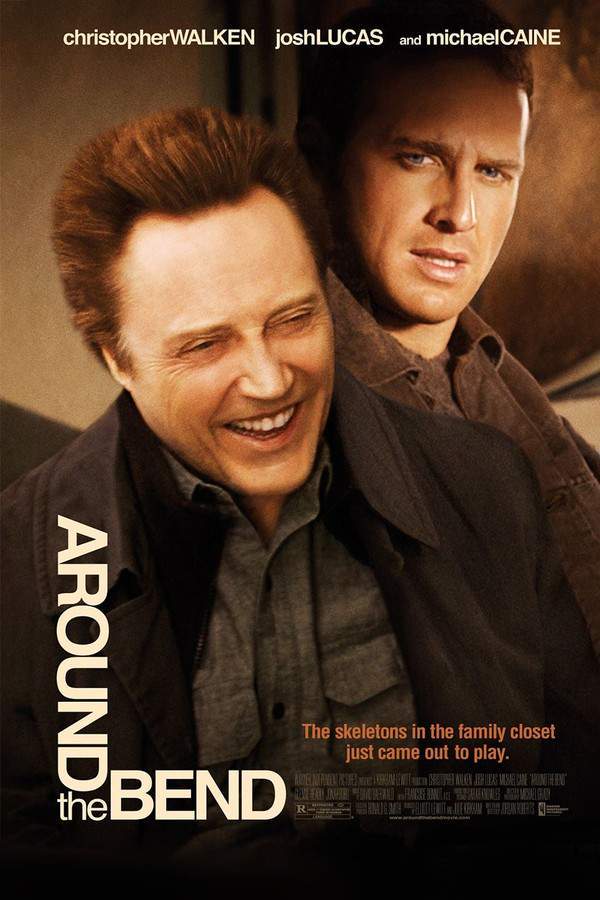
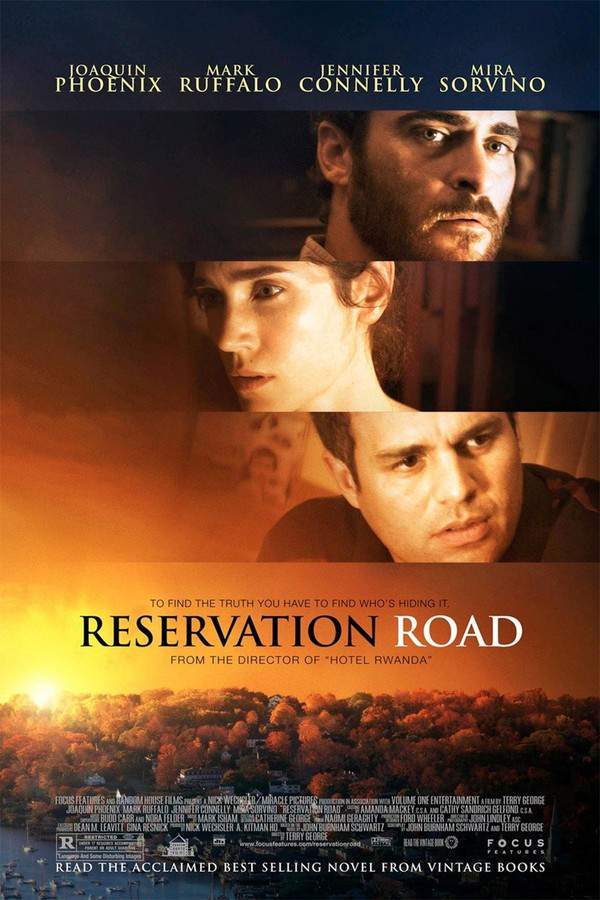
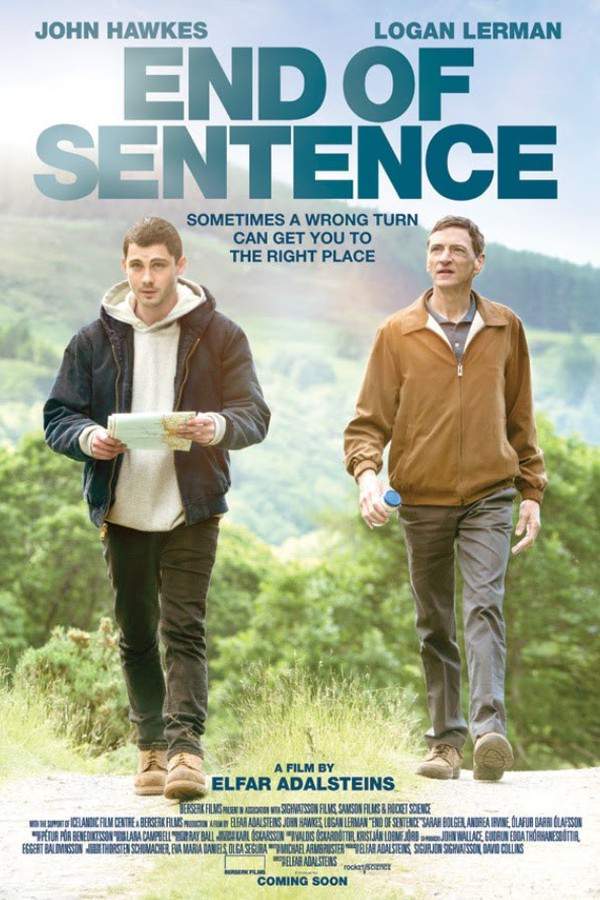
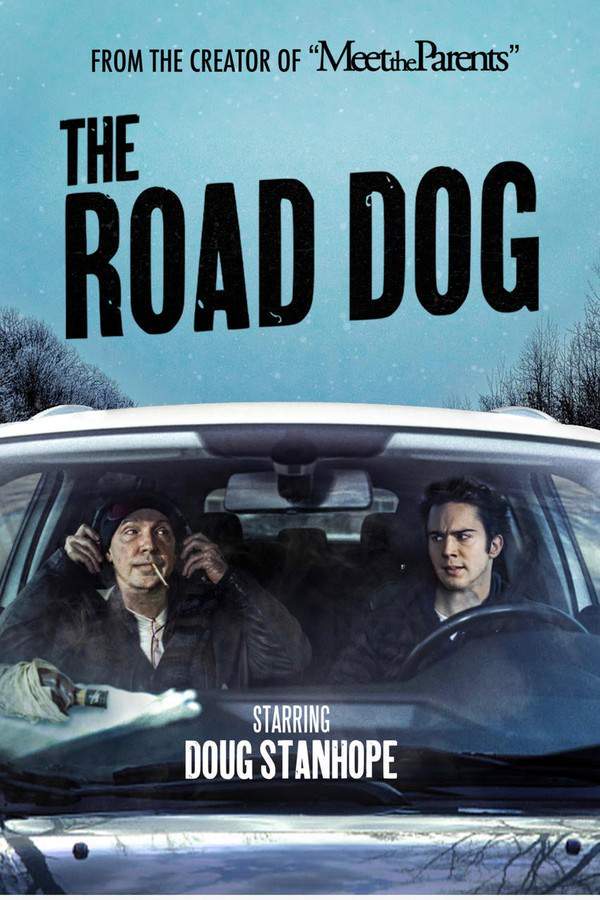
Lonely travels where the destination is an overdue confrontation with the past. If you liked the melancholic, cross-country quest in This Must Be the Place, explore more movies where a road trip becomes a vehicle for personal reckoning. These films use travel to explore themes of grief, legacy, and confronting difficult histories, often with a heavy, reflective mood.

  • melancholic
  • reflective
  • sorrowful
  • redemptive
  • quest
  • solitude
  • Tone: melancholic, reflective, dark
  • Pacing: steady, purposeful
Why these movies?

The story pattern: The narrative pattern centers on a protagonist compelled to travel, either by an external event like a death or an internal need for answers. The journey is linear but punctuated by encounters that force introspection. The primary conflict is internal, wrestling with the past, and the story builds toward a final, often morally complex, confrontation that defines the character's transformation.

Why they belong together: These movies are grouped by their shared use of a physical journey as a metaphor for an emotional one. They have a steady, deliberate pacing that allows for deep character study, a tone that balances melancholy with moments of redemptive insight, and a profound emotional weight centered on themes of loss and identity.

Movies About Late-Life Reckoning Like This Must Be the Place

Protagonists facing moral ambiguity to find a fractured peace in their later years. For viewers who appreciated the complex, bittersweet resolution in This Must Be the Place, this collection features films about protagonists making heavy moral choices later in life. These stories explore the difficult path to self-acceptance after actions that are necessary but emotionally costly.

  • morally ambiguous
  • bittersweet
  • cathartic
  • tense
  • sorrowful
  • redemptive
  • Tone: dark, bittersweet, morally complex
  • Pacing: steady, character-driven
Why these movies?

The story pattern: The journey revolves around a protagonist confronting a long-avoided problem, leading to a climax where they must enact a solution that exists in a moral grey area. The ending is not celebratory but cathartic, acknowledging the pain of the action while allowing for a fragile new beginning. The character arc is about accepting the complexity of their own nature and the world.

Why they belong together: These films share a specific emotional trajectory: starting from a place of stagnation or grief, building tension through a quest for justice or understanding, and culminating in a resolution that is deeply bittersweet. The tone is dark and heavy, the emotional weight is significant, and the endings feel earned but complicated.

If you liked this

Movies Like This Must Be the Place

Similar movies to This Must Be the Place: the same genre, themes or kind of story. Each one comes with its own plot summary, timeline and ending explained.

Browse all movie summaries

Every angle

This Must Be the Place (2012) Explained: Plot, Timeline & Characters

Everything about This Must Be the Place in one place: what happens in the plot summary, the timeline in chronological order, the characters and meaning and a spoiler-free summary. What's After the Movie adds the cast, box office and post-credit scenes.

Coming soon on iOS and Android

The Plot Explained Movie Summary App

Plot summaries, endings explained and timelines on your phone. Catch up on any movie in minutes, save your favorites and never miss a twist again.

Be the first to know when we launch. Your email stays private, always.

Learn more about the app