Year: 1978
Runtime: 150 mins
Language: English
Director: Joseph Hardy
In this cut‑throat portrait of Hollywood, a pretty small‑town girl arrives with big dreams of stardom. She marries a once‑famous actor whose career is in decline and, determined to reclaim the spotlight, she meticulously plots to revive his fortunes—hoping the comeback will lift both of them back into the glittering limelight.
Warning: spoilers below!
Haven’t seen The Users yet? This summary contains major spoilers. Bookmark the page, watch the movie, and come back for the full breakdown. If you're ready, scroll on and relive the story!
Read the complete plot breakdown of The Users (1978), including all key story events, major twists, and the ending explained in detail. Discover what really happened, and what it all means.
Elena Scheider, a poised and classy figure, is hired by film producer Adam Baker to seduce Randy Brent, the embattled star working in Phoenix on his latest film The Last Man, a post-apocalyptic, dystopian thriller. Since the death of his wife seven years ago, Randy has stepped away from the spotlight and is seen by many as a has-been trying to make a comeback. Elena’s seduction is swift, and before long she moves into the Hollywood mansion Randy calls home.
In Hollywood, Elena is welcomed by the insiders, including Randy’s famous daughter Marina Brent, [Michelle Phillips], and the wealthy socialite Grace St. George, [Joan Fontaine]. Elena and Marina quickly become friends, and Marina opens up about a Love Life tangled with powerful movie producers who use people for their own gain. The only man she claims to trust is married to a formidable, high-society woman. Elena soon hears from her masseur Harvey Parkes, [Michael Baseleon], that the married man is Adam, whose intimidating wife Nancy Baker, [Carrie Nye], is well aware of the affair.
It becomes painfully clear to Elena that Hollywood is built on mutual manipulation, where everyone uses everyone else to advance their careers. She impulsively marries Randy in Las Vegas and leans on Grace to help her ascend the social ladder—attending the right parties and wearing the right clothes. As Randy’s film gears toward release, Marty Lesky, [Alan Feinstein], fights to spin it as a made-for-TV movie, arguing it isn’t theatrical material. Elena and Marina scramble to keep Randy from fading back into obscurity and push for him to land his next big screen opportunity before the film drops.
Elena targets Warren Ambrose, [Red Buttons], a powerful studio boss behind Rogue’s Gallery, a project that promises major success. The industry voices doubt Randy’s chances, suggesting bigger-name leads. Warren directs Elena to Reade Jamieson, [John Forsythe], a wealthy executive producer, and the pair feel an immediate pull. Reade warns that the decisive casting is controlled by Henry Waller, [Darren McGavin], a sharp screenwriter who holds the fate of the project in his hands.
Returning home, Elena discovers Randy in an intimate moment with Andrew Lyons, [Douglas Warner], a screenwriter who hopes to cast Randy in his own project. Enraged by what she sees, Elena leaves, though she reconsiders when she learns that Randy attempted suicide that same night. Marina uncovers a harsher truth about Adam when Nancy reveals he slept with her to secure a lead, underscoring how little loyalty there is in the industry.
With Grace’s help, Elena throws Henry a party; Henry declines, insisting he won’t consider casting Randy. Undeterred, Elena tracks Henry to his hotel, spends the night with him, and ensures that Randy will get the lead role after all. Elena returns home the next day and ends things with Randy. Rogue’s Gallery goes on to contend for the 51st Academy Awards, and in the end, Randy and Marina regain their fame while Elena and Reade Jamieson settle into a happy marriage.
Last updated: October 09, 2025 at 10:49
Explore frequently asked questions about The Users (1978) with spoiler-rich answers covering the full plot summary, major story beats, character motivations, hidden details, and ending meaning. This movie summary FAQ helps explain confusing scenes, plot twists, and narrative decisions in clear, searchable detail.
Elena was hired by film producer Adam Baker to seduce Randy Brent, who was working on a film called The Last Man in Phoenix. Since Randy stepped away from Hollywood seven years ago after his wife's death, his career had declined significantly. Adam wanted Elena to lure Randy back into the spotlight and into a relationship, presumably to benefit from his potential comeback in some way. This was essentially a calculated career move by Adam, using Elena as a professional manipulator.
Early in the film, Adam is shown as a powerful producer who orchestrates affairs behind the scenes, hinting at his willingness to use people for career advancement.
Elena learned from her masseur Harvey Parkes that Adam Baker was having an affair with Nancy, who was married to Adam himself. More shocking was the later revelation from Nancy that Adam had slept with her specifically to secure a lead role in Rogue's Gallery. This exposed the depth of manipulation in Hollywood, where even marriage was used as a transactional tool for career advancement.
The initial hints about Adam's manipulations were planted when insiders in Hollywood explained how the industry runs on power games and using people.
Randy attempted suicide after Elena discovered him in a compromising situation with screenwriter Andrew Lyons and left him in anger. The suicide attempt was triggered by the collapse of his relationship with Elena, which represented his emotional anchor after years of isolation since his wife's death. The rejection compounded his existing struggles with fame, career decline, and his traumatic past.
Earlier scenes showed Randy struggling with love scenes due to his traumatic past and his vulnerability after opening up to Elena.
Elena returned home to find Randy in an intimate moment with Andrew Lyons, a screenwriter who hoped to cast Randy in his own project. This discovery enraged Elena and became the immediate cause of her departure from their marriage. The scene was ambiguous about whether the intimacy was romantic or professional, but Elena interpreted it as a betrayal.
Earlier, Andrew had hinted that he wanted Randy for his own project, suggesting a potential professional relationship that blurred personal boundaries.
Elena tracked down screenwriter Henry Waller, who held decisive casting power over Rogue's Gallery, after he refused to attend a party she threw in his honor. She went to his hotel, spent the night with him, and ensured that Randy would get the lead role. This was a strategic seduction that combined her personal influence with the industry's power dynamics to finally secure the breakthrough role Randy needed.
Warren Ambrose had directed Elena to Reade Jamieson and then to Henry Waller, emphasizing that Henry controlled the fate of the project.
Elena left Randy immediately after delivering the news that he had gotten the lead role in Rogue's Gallery. Her departure signaled that her primary goal was always her own advancement in Hollywood, not genuine love for Randy. She had manipulated him throughout their relationship to climb the social ladder, and once his usefulness was exhausted, she moved on to marry Reade Jamieson, the wealthy executive producer she had connected with earlier.
From the beginning, Elena was portrayed as someone who used people to advance her career, with the marriage to Randy being described as part of her scheming ascent.
By the end, Randy Brent and his daughter Marina both regained their former fame. Rogue's Gallery became a serious contender for the Academy Awards, effectively reviving their careers. This success came as a direct result of Elena's manipulations, though she was no longer with Randy when the recognition arrived.
Throughout the film, Elena and Marina worked together to prevent Randy from fading back into obscurity and push for his comeback.
Elena and Reade Jamieson felt an immediate connection when they were introduced during the Rogue's Gallery discussions. While Elena was using Henry Waller to secure Randy's role, she had already cultivated a relationship with Reade, a wealthy executive producer. After leaving Randy, Elena married Reade, settling into what appears to be a happy marriage - essentially achieving her goal of attaining power and status in Hollywood through strategic relationships.
The initial meeting between Elena and Reade established an immediate mutual attraction that would later become significant.
The movie presents Hollywood as a cut-throat world built on mutual manipulation, where everyone uses everyone else to advance their careers. Characters engage in transactional relationships, affairs, and strategic seductions to get ahead. The film shows that loyalty is rare, marriages are tools for advancement, and success often comes through exploitation of others.
Marina's early confession about her tangled love life with powerful producers set the tone for the industry's exploitation.
Elena impulsively married Randy in Las Vegas as part of her calculated ascent in Hollywood. The marriage formalized both her romantic involvement and her control over Randy, allowing her to leverage the relationship for greater social standing. After the wedding, she appealed to Grace St. George to help her become a true Hollywood insider, using the marriage as a stepping stone to access higher social circles.
The marriage was described as a turning point in her scheming ascent, marking a shift from seduction to formal partnership.
Discover curated groups of movies connected by mood, themes, and story style. Browse collections built around emotion, atmosphere, and narrative focus to easily find films that match what you feel like watching right now.
Cynical dramas that pull back the glamorous curtain on the film industry.If you liked The Users and its cynical portrait of fame, you'll find similar stories here. These movies explore ambition, manipulation, and the high cost of success in the film industry, offering a dramatic look behind the scenes.
Stories typically follow ambitious characters navigating the cutthroat entertainment industry, using alliances and manipulation to climb the ladder. The central conflict is often social and psychological, pitting personal morality against professional ambition, leading to compromised victories.
They share a dark, cynical tone and a steady pace, focusing on the psychological tension of career maneuvering rather than physical action. The glamorous setting contrasts with emotionally cold characters, creating a consistent vibe of industry disillusionment.
Stories where relationships are strategic tools for climbing the social ladder.Fans of The Users will appreciate these stories of calculated ambition and mutual manipulation. These dramas feature characters who use each other as stepping stones, resulting in tense, bittersweet narratives about the cost of success.
The narrative pattern involves a central figure meticulously using a partner or benefactor to advance their own status. The journey is one of strategic social climbing, where personal fulfillment is sacrificed for professional gain, culminating in a bittersweet or morally ambiguous ending.
They are united by a focus on psychological manipulation as the primary driver of plot, a medium emotional weight that prioritizes strategic maneuvering over deep trauma, and a consistent tone of moral ambiguity. The pacing is steady, allowing the web of manipulation to unfold deliberately.
Don't stop at just watching - explore The Users in full detail. From the complete plot summary and scene-by-scene timeline to character breakdowns, thematic analysis, and a deep dive into the ending - every page helps you truly understand what The Users is all about. Plus, discover what's next after the movie.
Track the full timeline of The Users with every major event arranged chronologically. Perfect for decoding non-linear storytelling, flashbacks, or parallel narratives with a clear scene-by-scene breakdown.
Discover the characters, locations, and core themes that shape The Users. Get insights into symbolic elements, setting significance, and deeper narrative meaning - ideal for thematic analysis and movie breakdowns.
Discover movies like The Users that share similar genres, themes, and storytelling elements. Whether you’re drawn to the atmosphere, character arcs, or plot structure, these curated recommendations will help you explore more films you’ll love.
The Users (1978) Scene-by-Scene Movie Timeline
The Users (1978) Movie Characters, Themes & Settings
The Users (1978) Spoiler-Free Summary & Key Flow
Movies Like The Users – Similar Titles You’ll Enjoy
The Story of Us (1999) Spoiler-Packed Plot Recap
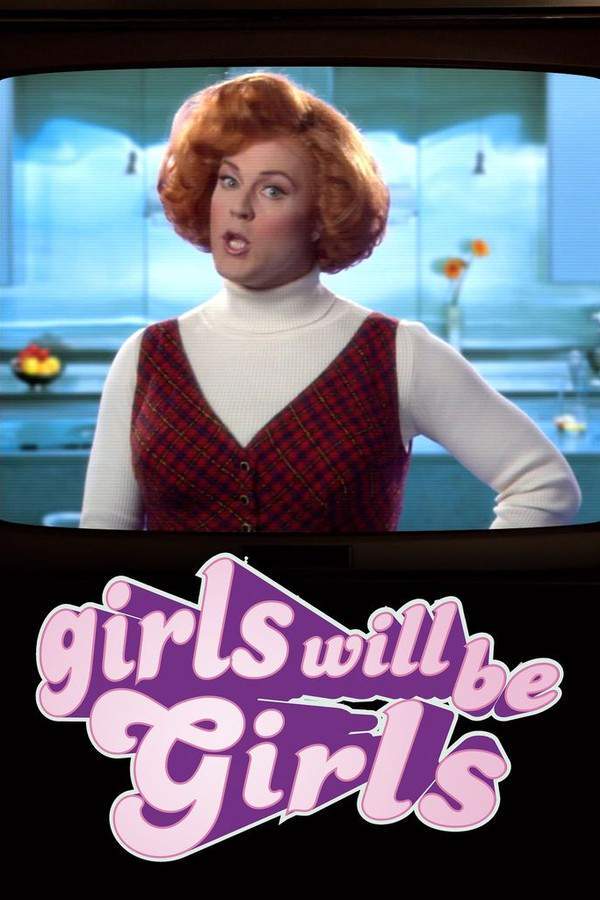
Girls Will Be Girls (2003) Complete Plot Breakdown
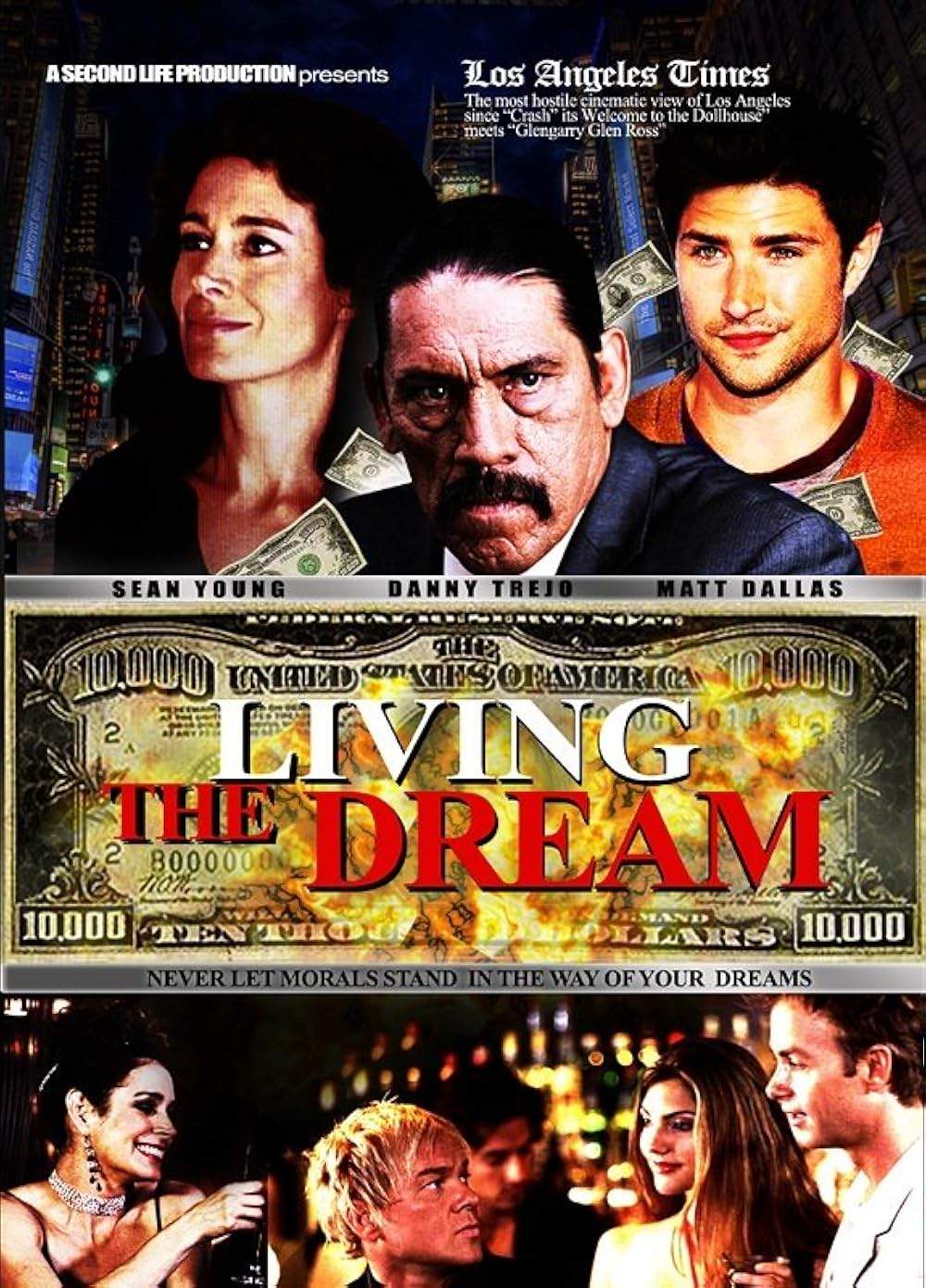
Living the Dream (2006) Film Overview & Timeline
Where the Day Takes You (1992) Full Summary & Key Details
The Star (1952) Ending Explained & Film Insights
Dreamers (2000) Plot Summary & Ending Explained
Hollywood Wives (1000) Movie Recap & Themes
The Fans (2020) Detailed Story Recap
My Life’s in Turnaround (1994) Movie Recap & Themes
Actors and Sin (1952) Spoiler-Packed Plot Recap
The Actress (1953) Film Overview & Timeline
Whore (2008) Film Overview & Timeline
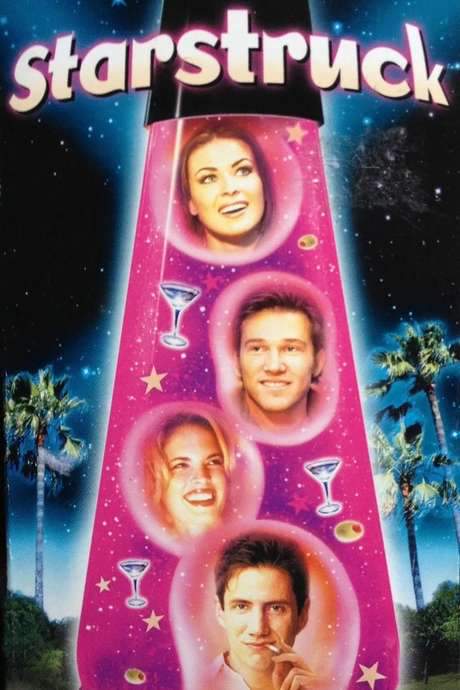
Starstruck (1998) Plot Summary & Ending Explained
L.A. Johns (1997) Movie Recap & Themes
Stage Struck (1958) Plot Summary & Ending Explained