
There’s No Business Like Show Business
Year: 1954
Runtime: 117 mins
Language: English
Director: Walter Lang
The story follows Molly and Terry Donahue and their three children, who perform together as The Five Donahues, navigating the ups and downs of show‑business life. When the youngest son Tim falls for a hat‑check girl named Vicky, tensions mount and the once‑tight family act begins to unravel, all set against a lively musical revue.
Where to Watch There’s No Business Like Show Business?
Find where to stream, rent, or buy There’s No Business Like Show Business (1954) in the US with current JustWatch availability, up-to-date pricing, and platform listings for subscription, rental, and digital purchase options.






Warning: spoilers below!
Haven’t seen There’s No Business Like Show Business yet? This summary contains major spoilers. Bookmark the page, watch the movie, and come back for the full breakdown. If you're ready, scroll on and relive the story!
There’s No Business Like Show Business (1954) – Full Plot Summary & Ending Explained
Read the complete plot breakdown of There’s No Business Like Show Business (1954), including all key story events, major twists, and the ending explained in detail. Discover what really happened, and what it all means.
In 1919, Terence Donahue Dan Dailey and Molly Donahue Ethel Merman headline a thriving husband-and-wife vaudeville act. By 1923 their children Steve [Johnnie Ray], Katy [Mitzi Gaynor], and Tim [Donald O'Connor] have joined the act, expanding the family troupe into the run of The Five Donahues. As the kids grow, Terence and Molly decide to send them to a Catholic boarding school in Boston, hoping discipline might shape their futures. Yet when Father Dineen Rhys Williams intervenes one Saturday while the parents are on stage, he sends a telegram to the parents arguing that the boys miss their family and performing, while also acknowledging their potential to become leaders. Molly, however, insists the children stay where they are, and the Donahue unit remains intact for the time being.
The family eventually relocates to New Jersey, but the world around them keeps shifting. In October 1929, the stock market crash reshapes the entertainment landscape and the theatre stock company that once supported them abandons vaudeville for cinema. Terence and Molly scramble for work, taking whatever gigs they can—carnival acts, radio jingles, and even surviving on the fringes of show business. Yet the tide of change also brings opportunity: movie theaters begin offering live acts before screenings, and the Donahues find themselves back on stage again, proving their resilience as performers and as a family.
By 1937, the Donahues are navigating adolescence and ambition. Tim has just finished high school, Katy has become a dancer, and Steve is drawn to singing. After a live performance, the siblings sneak out to Gallagher’s nightclub; Tim dates Lillian Sawyer [Robin Raymond], a more experienced performer, while Katy begins a romance with Eddie Dugan [Frank McHugh]. Tim, always curious about the broader world of show business, meets Victoria “Vicky” Hoffman [Marilyn Monroe], a rising star who performs a solo number. Tim improvises by posing as a Variety journalist, hoping to ingratiate himself with Vicky, but her reaction is wary—she dismisses him when she discovers he is part of the Donahues. Eddie and Lew Harris [Richard Eastham], a savvy talent agent, also arrive in the dressing room where Vicky’s star rises or falls depending on outside pressures, and Vicky’s ambitions collide with the Donahues’ loyalty to their family brand.
Back home, Steve announces he plans to enter the priesthood, a decision that disappoints Terence but is ultimately accepted by Molly and the rest of the family. Tim returns home drunk one night, and the tension within the household grows until Steve’s departure for the priesthood becomes a formal farewell. The troupe rebrands as The Four Donahues and accepts a Florida engagement, where Tim reconnects with Vicky (now billed as Vicky Parker) during rehearsals. She showcases a tropical-themed number that Tim had originally imagined for the family, and though Tim falls for her, Vicky does not return the romance.
A Broadway opportunity soon arrives when Vicky calls to say Lew Harris is arranging a show with her as the star. Molly agrees to let Tim and Katy join the production, signaling a new chapter for the Donahues. Katy forms a bond with Charlie Gibbs [Hugh O’Brian], the show’s lyricist, and marries him after Steve has ascended to the priesthood, keeping the Donahue family tradition alive in a new generation. Tim continues to court Vicky, but the relationship strains when she arrives late to a dinner because of a disagreement over a costume change. Tim accuses her of an affair with Lew, gets drunk, and suffers a car accident. Open to salvage the show, Lew hires Molly to take Tim’s place; Terence visits his son in the hospital, leading to a tense confrontation that leaves the family fractured for a time.
Tim vanishes after a note appears at the hospital, and a missing-persons investigation unfolds as Molly and Terence search a string of nightclubs for him, without success. The tension of separation hangs over the Donahues until the closing night at the Hippodrome Theatre. Steve returns backstage in the uniform of an Army chaplain, and Molly offers the film’s title song with a quiet authority that underscores the family’s enduring bond. In a hopeful moment, Tim reappears in a U.S. sailor’s uniform, and the entire family—parents, siblings, and extended kin—embraces the long-awaited reconciliation. The Five Donahues finally come together for a triumphant finale, reaffirming the strength of family, artistry, and shared dreams.
Last updated: October 09, 2025 at 12:34
There’s No Business Like Show Business (1954) Plot Questions Answered – Summary FAQ
Explore frequently asked questions about There’s No Business Like Show Business (1954) with spoiler-rich answers covering the full plot summary, major story beats, character motivations, hidden details, and ending meaning. This movie summary FAQ helps explain confusing scenes, plot twists, and narrative decisions in clear, searchable detail.
Why does Steve decide to become a priest?
Steve announces his decision to enter the priesthood during a family gathering in 1937. This choice disappoints his father Terence, though Molly and the rest of the family ultimately accept it. Steve's path to ordination becomes a formal farewell, and he eventually leaves to begin his training as a priest, reducing the act to The Four Donahues.
Why does Vicky dismiss Tim when they first meet?
When Tim meets Victoria "Vicky" Hoffman at Gallagher's nightclub in 1937, he tries to impress her by posing as a Variety journalist. However, Vicky immediately loses interest once she discovers he is part of the Five Donahues family act. Her reaction suggests she sees the family act as beneath her rising star ambitions and wants to distance herself from traditional vaudeville performers.
Earlier scenes establish Vicky as a solo performer seeking broader opportunities beyond family acts.
What leads to Tim's car accident?
Tim grows jealous and resentful when Vicky arrives late to a family dinner because of a disagreement over a costume change with Lew Harris, her talent agent. Tim accuses Vicky of having an affair with Lew, gets drunk, and then drives, resulting in a serious car accident that lands him in the hospital.
Tim's pattern of alcohol use and jealousy is hinted at earlier when he arrives home drunk after meeting Vicky.
Why does Tim disappear after the hospital?
After Tim is hospitalized following his car accident, he leaves a note and vanishes. His parents Molly and Terence launch a missing-persons investigation, searching nightclubs for him, but find no trace. Tim remains absent until the final Hippodrome Theatre performance, when he reappears in a U.S. sailor's uniform for the family's reunion.
The growing tension between Tim and Vicky, combined with his alcohol issues, foreshadows his drastic decision to leave.
How does the stock market crash affect the Donahues?
The October 1929 stock market crash dramatically impacts the Donahues' livelihood. The theatre stock company that employed them abandons vaudeville in favor of cinema, dropping the family from their booking. Terence and Molly must scramble for work, taking whatever gigs they can find including carnival acts and radio jingles to survive the lean years.
The early scenes establish the family's reliance on the theatre stock company, making the crash's impact more devastating.
How does the family reunite at the Hippodrome?
On the closing night at the Hippodrome Theatre, the fractured family comes back together. Steve returns backstage wearing an Army chaplain uniform, and Tim suddenly reappears in a U.S. sailor's uniform. Molly performs the title song as the entire family embraces for a reconciliation, with The Five Donahues reuniting for a triumphant finale.
The title song itself symbolizes the family's enduring bond despite their struggles.
Why does the act become The Four Donahues?
After Steve leaves to enter the priesthood, the family troupe is rebranded as The Four Donahues. The family accepts a Florida engagement with just four members: Terence, Molly, Katy, and Tim. This change marks a significant shift in the family's identity and creates the opportunity for Tim to reconnect with Vicky during those rehearsals.
Steve's earlier announcement about pursuing the priesthood sets up this transition.
What is Lew Harris's role with Vicky?
Lew Harris is a savvy talent agent who represents Vicky Hoffman. He arranges the Broadway show that becomes the next chapter for both Vicky and the Donahues. He calls Vicky to inform her about the production, and later hires Molly to take Tim's place in the show after Tim's accident. Tim mistakenly suspects a romantic affair between Vicky and Lew.
Eddie's mention of Lew Harris in the dressing room establishes him as a key industry figure with influence over Vicky's career.
How does Katy meet and marry Charlie Gibbs?
During the Broadway rehearsals arranged by Lew Harris, Katy begins dating Charlie Gibbs, the show's lyricist. Their relationship develops as they work together on the production, and they eventually marry after Steve is ordained as a priest. This marriage continues the Donahue family tradition in a new generation while keeping the family connected to show business.
Katy is established as a dancer pursuing her own career ambitions in 1937.
Why do Terence and Molly send their children to boarding school?
As their children grow older, Terence and Molly decide to enroll Steve, Katy, and Tim in a Catholic boarding school in Boston. They hope that discipline and structure might shape the children's futures beyond show business. Father Dineen later intervenes, sending a telegram arguing the boys miss their family and performing, but Molly insists the children remain enrolled.
The early timeline establishes the tension between family life and formal education.

Explore Movie Threads
Discover curated groups of movies connected by mood, themes, and story style. Browse collections built around emotion, atmosphere, and narrative focus to easily find films that match what you feel like watching right now.
Heartwarming Showbiz Family Stories like There’s No Business Like Show Business
Families who perform together, facing the highs and lows of the spotlight.If you enjoyed the Donahue family's journey, you'll love these movies about performing families. Discover similar stories of musical dynasties, vaudeville acts, and stage families navigating fame, rivalry, and reconciliation, all set against a backdrop of memorable performances.

Spirited
2022

Dolly Parton’s Christmas On the Square
2020
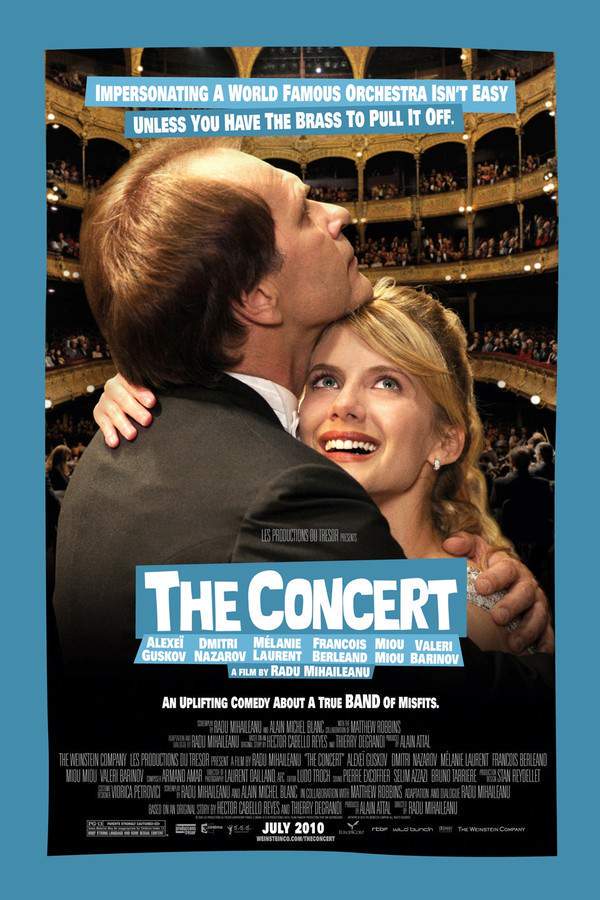
The Concert
2010
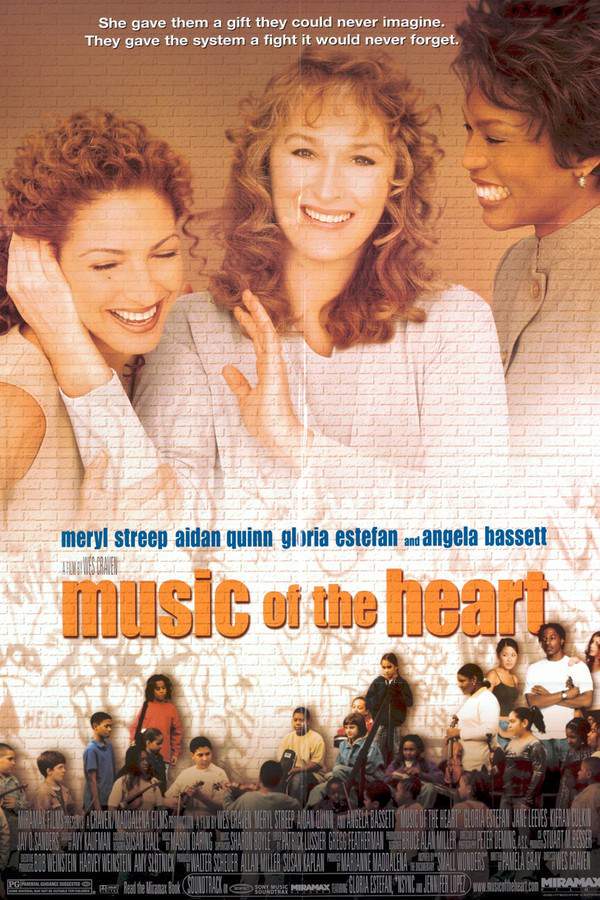
Music of the Heart
1999
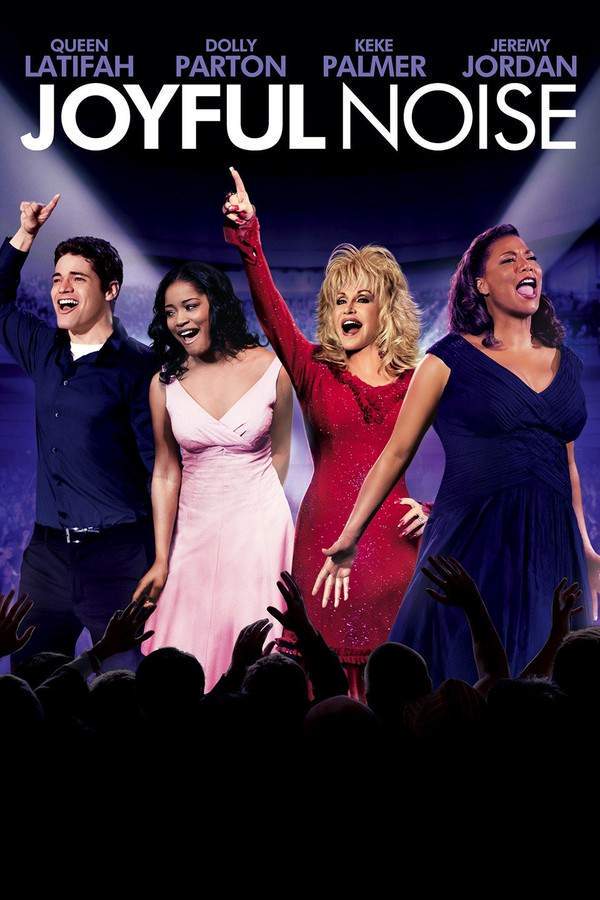
Joyful Noise
2012
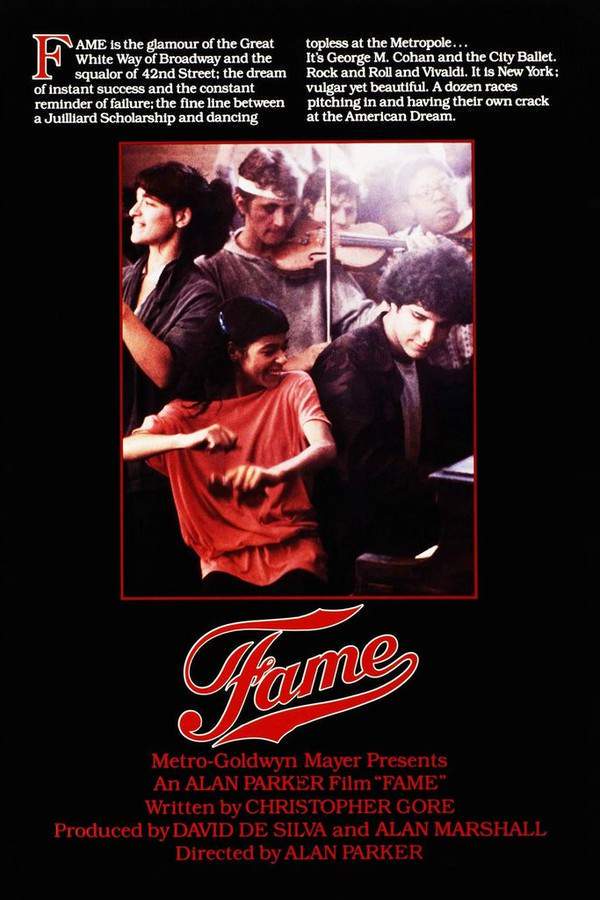
Fame
2009

The Show
2017

World's Best
2023
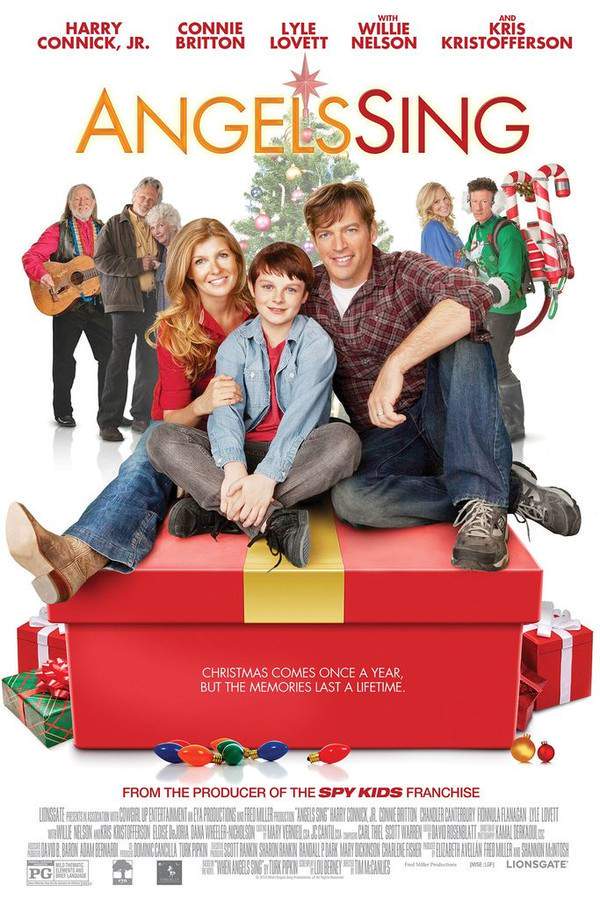
Angels Sing
2013

Born To Sing
2013

The Sound of Music Live!
2015

Where the Heart Is
1990
There’s No Business Like Show Business
1954

Sing, You Sinners
1938

They Shall Have Music
1939
Narrative Summary
Stories in this thread typically span years, tracking a family's rise, potential fracturing due to external pressures or internal conflicts, and an ultimate reunion that reaffirms their bond. The narrative uses performances as emotional benchmarks, marking key moments of joy, tension, and resolution.
Why These Movies?
These films are grouped by their shared focus on family as a professional unit, blending backstage drama with heartfelt domestic stories. They share a mix of musical spectacle, medium emotional weight, and a fundamentally hopeful tone that celebrates resilience.
Nostalgic Musical Dramas like There’s No Business Like Show Business
Sentimental stories where music underscores life's journeys and emotional bonds.Looking for more movies like There’s No Business Like Show Business? Explore similar nostalgic musicals that blend dazzling song and dance numbers with heartfelt drama. These films often follow artists and families across decades, offering a steady, hopeful, and emotionally resonant experience.
Dolly Parton’s Christmas On the Square
2020
The Concert
2010
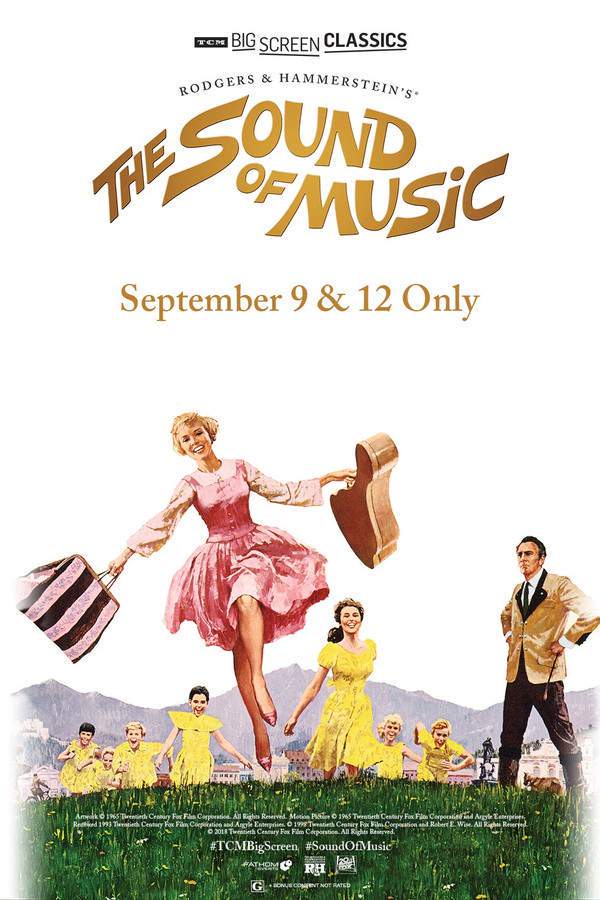
The Sound of Music
1965
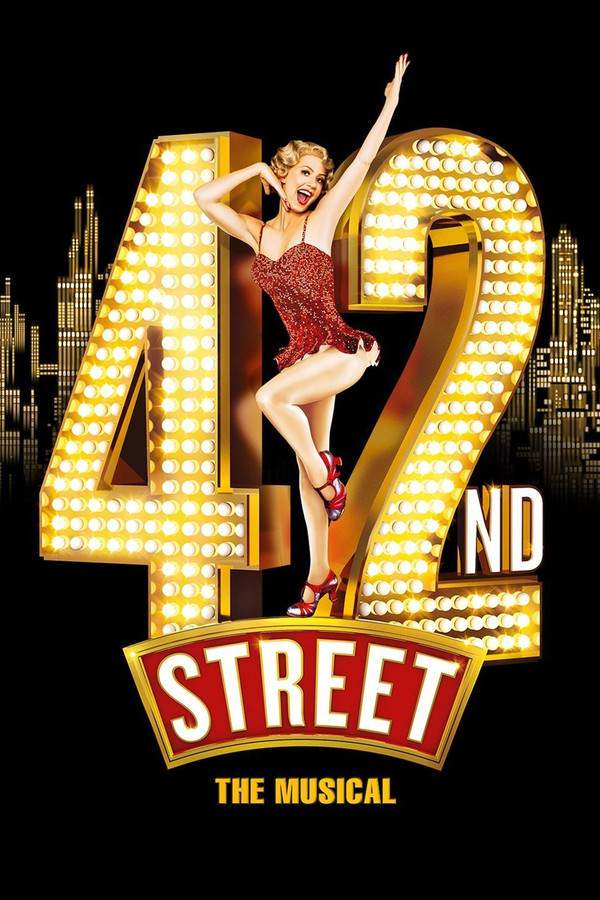
42nd Street
1933
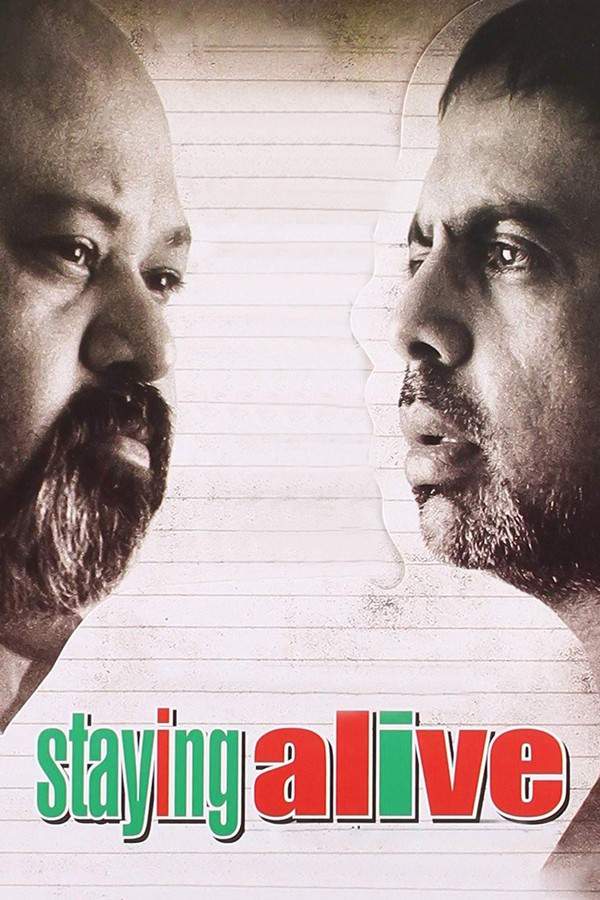
Staying Alive
1983
Joyful Noise
2012

High Strung
2016

My Own Love Song
2010

The Sound of Music Live!
2013

An American in Paris: The Musical
2018
The Sound of Music Live!
2015

Interrupted Melody
1955
There’s No Business Like Show Business
1954

Sincerely Yours
1955

The Time of Your Life
1948
Narrative Summary
The narrative pattern involves an extended timeline, using musical numbers to highlight key emotional beats and transitions. Characters grapple with ambition, love, and change, with the music serving as both entertainment and a narrative device to advance the plot and develop arcs.
Why These Movies?
These movies are united by their balanced mix of medium-intensity drama and musical performance. They share a steady pacing, a moderate narrative complexity covering long periods, and a core emotional vibe that is nostalgic, uplifting, and ultimately heartwarming.
Unlock the Full Story of There’s No Business Like Show Business
Don't stop at just watching - explore There’s No Business Like Show Business in full detail. From the complete plot summary and scene-by-scene timeline to character breakdowns, thematic analysis, and a deep dive into the ending - every page helps you truly understand what There’s No Business Like Show Business is all about. Plus, discover what's next after the movie.
There’s No Business Like Show Business Timeline
Track the full timeline of There’s No Business Like Show Business with every major event arranged chronologically. Perfect for decoding non-linear storytelling, flashbacks, or parallel narratives with a clear scene-by-scene breakdown.

Characters, Settings & Themes in There’s No Business Like Show Business
Discover the characters, locations, and core themes that shape There’s No Business Like Show Business. Get insights into symbolic elements, setting significance, and deeper narrative meaning - ideal for thematic analysis and movie breakdowns.

There’s No Business Like Show Business Spoiler-Free Summary
Get a quick, spoiler-free overview of There’s No Business Like Show Business that covers the main plot points and key details without revealing any major twists or spoilers. Perfect for those who want to know what to expect before diving in.


Similar Movies to There’s No Business Like Show Business
Discover movies like There’s No Business Like Show Business that share similar genres, themes, and storytelling elements. Whether you’re drawn to the atmosphere, character arcs, or plot structure, these curated recommendations will help you explore more films you’ll love.
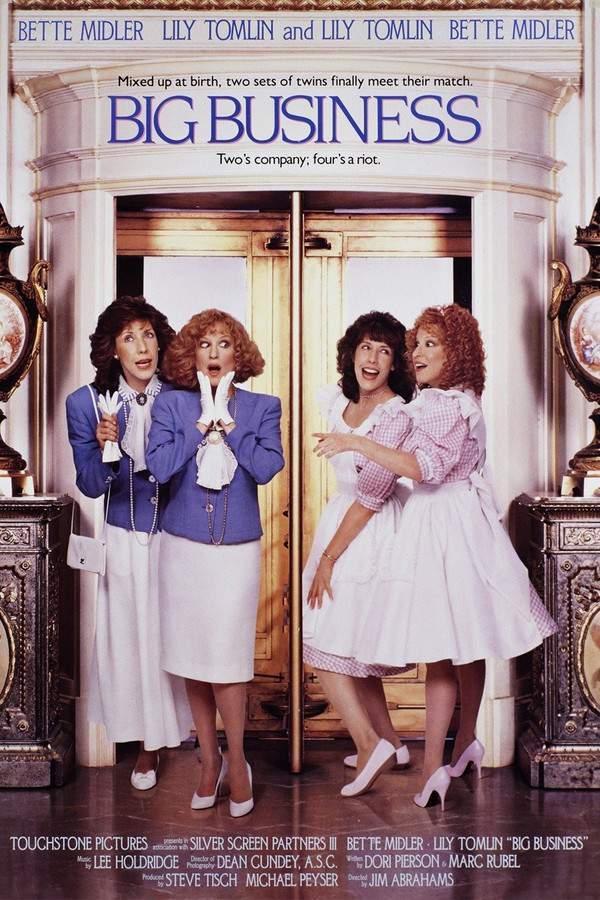
Big Business
1988

The Old-Fashioned Way
1934

Has Anybody Seen My Gal?
1952

Show Business
1944

Show Business
1932

Three Little Words
1950

The Show of Shows
1929

Lovely to Look At
1952

Babes in Arms
1939

Show Kids
1935

Broadway Melody of 1938
1937

Easter Parade
1948

Holiday Inn
1942

The Show
1922

Babes on Broadway
1941
Explore More About Movie There’s No Business Like Show Business
There’s No Business Like Show Business (1954) Scene-by-Scene Movie Timeline
There’s No Business Like Show Business (1954) Movie Characters, Themes & Settings
There’s No Business Like Show Business (1954) Spoiler-Free Summary & Key Flow
Movies Like There’s No Business Like Show Business – Similar Titles You’ll Enjoy
Big Business (1988) Story Summary & Characters
The Old-Fashioned Way (1934) Spoiler-Packed Plot Recap
Has Anybody Seen My Gal? (1952) Full Movie Breakdown
Show Business (1944) Film Overview & Timeline
Show Business (1932) Movie Recap & Themes
Three Little Words (1950) Plot Summary & Ending Explained
The Show of Shows (1929) Full Summary & Key Details
Lovely to Look At (1952) Plot Summary & Ending Explained
Babes in Arms (1939) Film Overview & Timeline
Show Kids (1935) Ending Explained & Film Insights
Broadway Melody of 1938 (1937) Full Summary & Key Details
Easter Parade (1948) Spoiler-Packed Plot Recap
Holiday Inn (1942) Film Overview & Timeline
The Show (1922) Movie Recap & Themes
Babes on Broadway (1941) Full Movie Breakdown