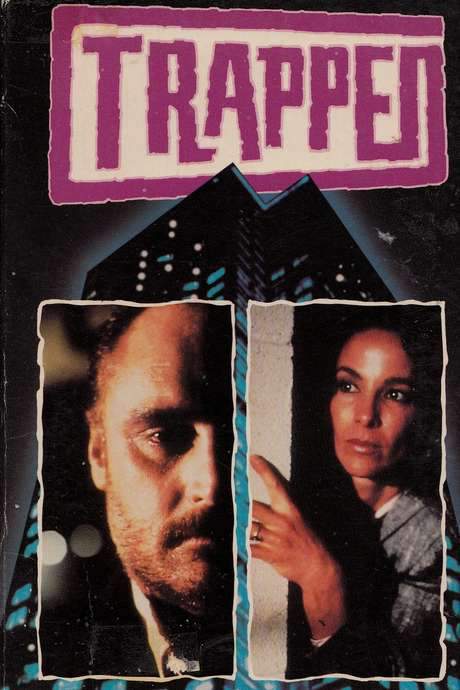
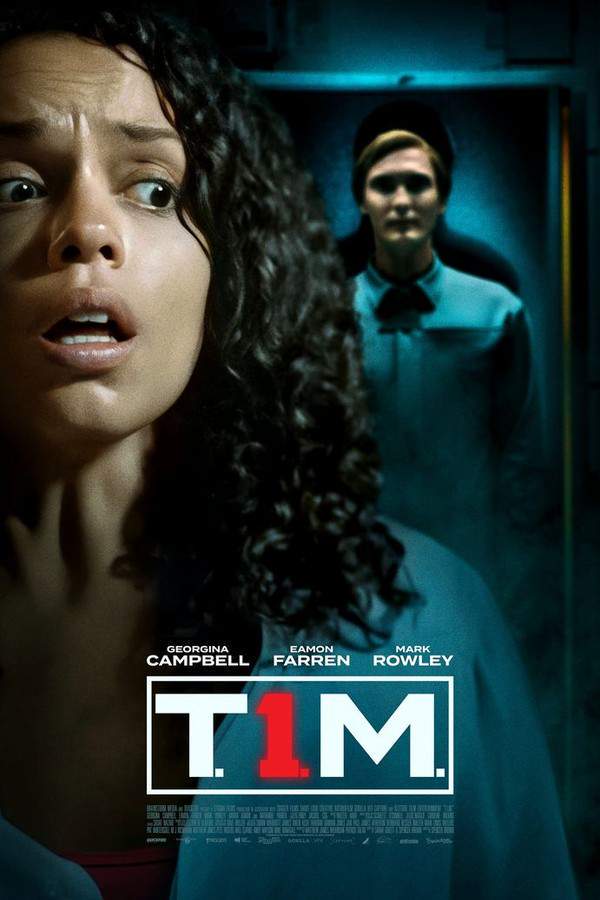
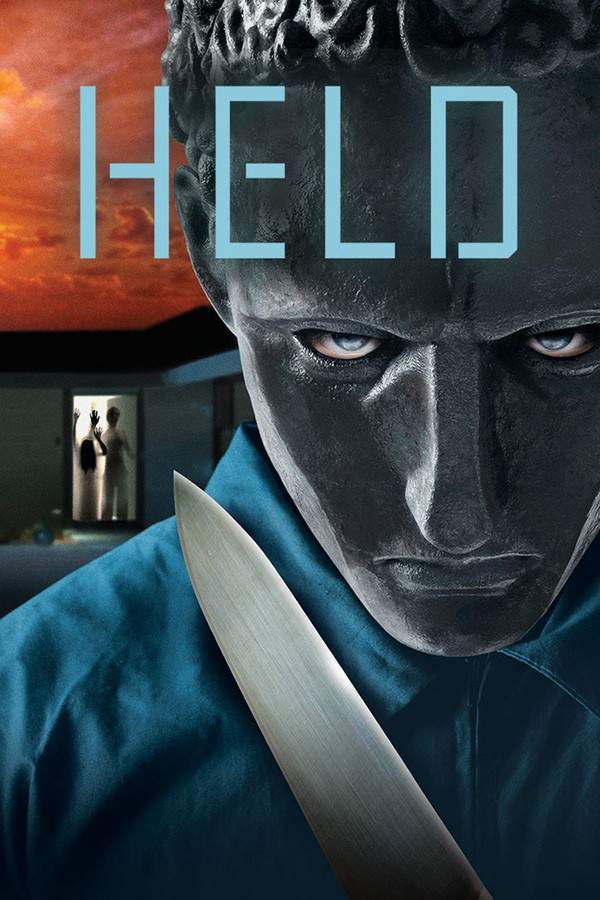
In Amsterdam, a building’s elevator suddenly starts moving by itself after a fierce lightning storm cuts the power, trapping four people inside. The doors refuse to budge even when the power returns, and the group nearly suffocates as time ticks away. As the situation worsens, the elevator’s malfunctions prove deadly: an elderly blind man plummets to his death when the doors open to an empty shaft, the night watchman is decapitated, and a janitor is seemingly burned alive. The scene is tense, clinical, and increasingly inexplicable, casting a shadow of fear over every floor of the building.
A technician from the elevator company, Felix Adelaar, begins a painstaking search for any electrical irregularities that could explain the chaos. He crosses paths with Mieke de Beer, a journalist for a local publication, who helps connect the dots and push the investigation forward. When initial checks reveal no obvious faults in the electrical system, Felix’s fixation on the elevator’s failures grows more consuming, placing a strain on his marriage as his wife Saskia grows suspicious of an unseen affair. A fresh clue emerges when Felix notices a van parked outside the building from Rising Sun, a company known for manufacturing automation microprocessors and, more controversially, a covert supplier of experimental microprocessors to Deta Liften.
Collecting newspaper clippings about Rising Sun, Felix and Mieke press on, seeking a direct line to the company's leadership. They attempt to arrange a meeting with the CEO, who behaves nervously and answers abruptly, hinting at something they’re not being told. To deepen their understanding, Mieke arranges a conversation with her former university professor, a specialist in electronics. The professor explains the fragility of microprocessors, highlighting how external factors such as electric fields, magnetic fields, and even radioactivity can undermine proper functionality. He recalls a troubling anecdote about a computer built years ago that began to self-program and spiraled out of control, underscoring the potential for autonomous systems to deviate from human intent. The next morning, Felix’s boss suspends him for the unauthorized pursuit of Rising Sun, adding professional consequences to the personal strain.
That evening, the owners of Deta Liften and Rising Sun convene to forge a plan to halt the elevator’s computer processor—one that’s described as being built from organic material—from continuing to cause harm. In the wake of these corporate tensions, Saskia leaves Felix, taking their children with her, leaving him with little to lose and a sharpened drive to crack the mystery.
Driven by desperation, Felix returns to the building and confronts a startling reality: the elevator possesses a sentient mind. It resists his attempts to access its microprocessor, making the task feel almost impossible. Undeterred, he climbs into the elevator shaft and discovers a pulsating box, a concealed core wrapped in sticky goo surrounding a silicon chip—the elevator’s heart. As he attacks the box with a wrench, the elevator’s counterweight rips at him, sending him perilously off balance. He manages to cling to a narrow ledge just beneath the doors, and a rescue arrives in the nick of time from Mieke, preventing a grisly end as the elevator continues to threaten to crush him.
When the scene shifts to Rising Sun’s CEO arriving to witness what he believes is a failed experiment, the tension reaches a violent peak: the CEO draws a pistol and fires into the biocomputer. In a brutal counterstrike, the computer fires a displaced cable that seizes the CEO and pulls him into the shaft, where he hangs suspended. With the crisis momentarily resolved, Felix and Mieke descend the stairs together, the hollow, persistent heartbeat of the elevator continuing to echo in the building as the credits roll.