Plot Explained Spoilers guaranteed!
Plot Explained

Browse by genre

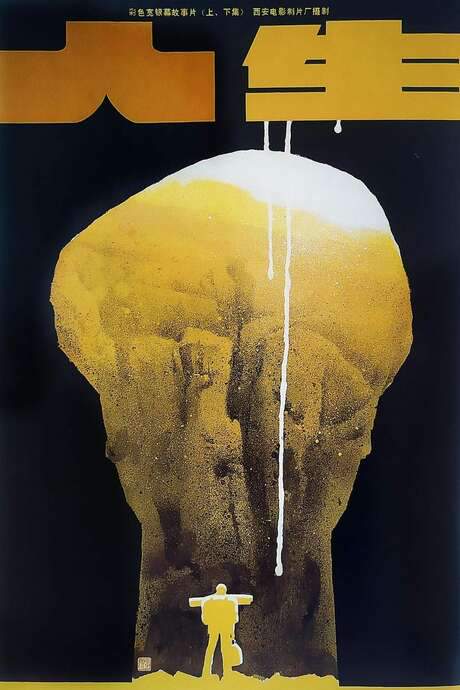
The Herdsman (1982) movie poster

Timeline

The Herdsman (1982) Timeline Explained – Every Event in Order

Release, runtime and language
1982 · 103 mins · Chinese
Loading streaming availability…
Directed by
Xie Jin
Starring
Niu Ben, Cong Shan, Liu Qiong, Ziyue Zhao, Zhu Shimao, Chao Fang

In 1980, Xu Jingshan goes to China to find the son he left years earlier, Xu Lingjun. Branded a rightist, Lingjun lives as a herdsman, but marriage to Xiuzhi and recovery give him hope. When he meets his father in Beijing, he learns he is expected to work for his father's San Francisco firm, prompting him to recount his past and weigh his future.

On this page (6)
  1. 1 Where to watch
  2. 2 Events in order (12)
  3. 3 Timeline questions answered
  4. 4 Movie threads
  5. 5 Movies like The Herdsman
  6. 6 Every angle
Loading streaming availability…

12 events in order · contains spoilers

The Herdsman Timeline: Events in Chronological Order

Every key event of The Herdsman (1982) in order, scene by scene, with when and where it takes place. Use it to untangle flashbacks, time jumps and parallel storylines, to refresh your memory before the sequel or to find the exact scene you are thinking of.

  1. Xu Jingyou's early hardship and abandonment

    More than 30 years before the present, Xu Jingyou's father left his wife and child to pursue business in America. His mother died of illness, leaving Xu an orphan who eventually becomes a teacher after finishing high school. This early struggle shapes his later choices and resilience.

    When
    1950s
    Where
    China (northwest region)
  2. Rightist label and exile to a northwest ranch

    In 1957 Xu was classified as a rightist and sent to work on a ranch in the northwest. When the labor penalty ended in 1962, he stayed on the ranch as a herdsman. The experience marks the beginning of a long period of political upheaval and personal endurance.

    When
    1957-1962
    Where
    Northwest China ranch
  3. Despair and a life saved by fellow ranchers

    Despair over his circumstances leads to a suicide attempt in the harsh environment of the ranch. His fellow ranchers, especially Grandpa and Grandma Dong and Guo Zi, provide the courage and support that keep him going.

    When
    early 1960s
    Where
    Northwest China ranch
  4. Protection during the Cultural Revolution

    During the Cultural Revolution, Guo Zi and other ranchers shield Xu from political persecution. Their protection helps him endure the turbulent political climate and maintain a sense of community.

    When
    Cultural Revolution
    Where
    Northwest China ranch
  5. Marriage and the birth of a son

    In 1972 Xu marries Li Xiuzhi, a village girl who fled famine in Sichuan. They have a son, Little Qingqing, and the family enjoys a relatively carefree life despite years of hardship.

    When
    1972
    Where
    Sichuan village
  6. Rehabilitation and return to teaching

    In 1979 Xu is rehabilitated and returns to his post as a teacher, signaling a hopeful return to normal life. He resumes his teaching duties and works to stabilize his family’s future. This marks a turning point after years of political limbo.

    When
    1979
    Where
    China
  7. Autumn 1980: the elder Xu returns from abroad

    In autumn 1980, Xu Jingyou, an elderly Chinese American entrepreneur, returns to China from abroad. He intends to claim assets and restore his relationship with his family by reconnecting with his son. The trip sets the stage for a tense family reunion.

    When
    Autumn 1980
    Where
    China
  8. Meeting at Chilechuan Ranch

    Xu Lingjun is found working as a herdsman at Chilechuan Ranch in northwestern China. His father hopes to take him to the United States to inherit his assets, creating immediate tension between old ambitions and new loyalties.

    When
    Autumn 1980
    Where
    Chilechuan Ranch, NW China
  9. Lingjun's distance and loyalty to home

    Lingjun remains distant from his father, clinging to his ranch life and the community he has built. The prospect of moving to America clashes with his sense of belonging and duty to his friends and family. The tension exposes a rift between generations.

    When
    Autumn 1980
    Where
    Chilechuan Ranch
  10. Peking Restaurant: a turning point in perspective

    That evening, Lingjun meets his father at the Peking Restaurant and feels uneasy about the future. He recalls his past at the ranch and the trust his wife placed in his return, which strengthens his resolve to stay in China.

    When
    Evening, Autumn 1980
    Where
    Peking Restaurant
  11. Understanding and tentative reconciliation

    The senior Xu begins to understand his son's perspective and their estrangement softens as they talk. Their kinship, long strained by distance and different paths, shows signs of renewal.

    When
    Autumn 1980
    Where
    Peking Restaurant / China
  12. Resolution and return to life on the ranch

    After sending his father home, Lingjun returns to the ranch and to his friends and family. He decides to stay in China, reaffirming his roots and community rather than chasing a new life abroad.

    When
    Autumn 1980
    Where
    Chilechuan Ranch

Last updated: February 18, 2026 at 23:45

Was this helpful?

Timeline questions answered

The Herdsman Timeline Explained: Your Questions Answered

When does it happen, and why in that order? The questions people ask about the chronology of The Herdsman (1982): time jumps, flashbacks, cause and effect between scenes and the correct order of events, each answered with spoilers.

Q1

Why does Xu Lingjun decide to stay in China instead of going to America?

Xu Lingjun chooses to stay in China because he is deeply rooted in his life at the ranch, his marriage to Li Xiuzhi, and his community of fellow ranchers who supported him through decades of hardship. At the Peking Restaurant meeting, he recalls the trust his wife placed in his return and realizes his loyalty belongs to the land and people who saved him. His father initially wanted him to inherit the San Francisco business, but the weight of memory and belonging outweighed the promise of a new life abroad.

Foreshadowing: Earlier scenes show Lingjun's consistent distance from his father and his deep connection to the ranch community.

  • xu lingjun
  • america
  • china
  • decision
  • staying
  • ranch
  • family
Q2

Why did Xu Jingyou abandon his wife and son to go to America?

Xu Jingyou left China over thirty years before 1980 to pursue business opportunities in America, abandoning his wife and young son. This decision resulted in his wife dying of illness while waiting for his return, leaving Lingjun orphaned. The father's pursuit of business success came at the cost of his family, creating the deep estrangement that defines their relationship when he returns.

Foreshadowing: The summary mentions the father 'chased business in America' leaving behind a mother who 'later died of illness'.

  • xu jingyou
  • abandonment
  • america
  • wife
  • son
  • business
Q3

Why was Xu Lingjun labeled a rightist?

In 1957, during China's political turmoil, Xu Lingjun was classified as a rightist - a political label given to intellectuals and others deemed critical of the government. This classification resulted in him being sent to work at a ranch in northwestern China as punishment. The label haunted him for years, preventing him from leaving the ranch even after the labor penalty ended in 1962.

Foreshadowing: The timeline notes this was part of the broader political storms that 'pushed him into misfortune'.

  • rightist
  • 1957
  • political
  • label
  • persecution
  • ranch
Q4

What caused Xu Lingjun's suicide attempt at the ranch?

After being labeled a rightist and exiled to the harsh northwest ranch in 1957, Xu Lingjun fell into deep despair. The combination of political persecution, isolation, and the harsh living conditions became unbearable, leading him to attempt suicide. He was saved by fellow ranchers - Grandpa and Grandma Dong and Guo Zi - who provided friendship and support that gave him the will to continue living.

Foreshadowing: The timeline describes 'despair over his circumstances' in the early 1960s.

  • suicide
  • attempt
  • despair
  • ranch
  • saved
  • dong family
Q5

What is the significance of the Peking Restaurant meeting?

The Peking Restaurant meeting serves as the emotional turning point where Lingjun confronts his past and makes his final decision. While meeting his father there, Lingjun feels uneasy about the future and recalls his life at the ranch and the trust his wife placed in his return. This moment crystallizes his choice to remain in China, and it also helps his father understand his son's perspective, leading to tentative reconciliation.

Foreshadowing: The timeline explicitly marks this as 'a turning point in perspective'.

  • peking restaurant
  • meeting
  • turning point
  • decision
  • reconciliation
Q6

Who saved Xu Lingjun and helped him survive at the ranch?

Grandpa and Grandma Dong, along with a fellow rancher named Guo Zi, saved Xu Lingjun both physically and emotionally. When he attempted suicide during his darkest period, they provided the courage and support that kept him alive. Later, during the Cultural Revolution, Guo Zi and other ranchers shielded him from political persecution, allowing him to endure the turbulent period.

Foreshadowing: The timeline notes these ranchers 'provide the courage and support that keep him going'.

  • grandpa dong
  • grandma dong
  • guo zi
  • saved
  • protection
  • cultural revolution
Q7

Who is Li Xiuzhi and why is she important to Lingjun?

Li Xiuzhi is a village girl who fled famine in Sichuan and married Xu Lingjun in 1972. Their marriage produced a son, Little Qingqing, and gave Lingjun a period of relative happiness despite ongoing hardships. Xiuzhi represents the family and stability he built in China, and her trust in his return strengthens his decision to stay rather than leave for America.

Foreshadowing: The summary notes the family 'enjoys a period of relative happiness' after the marriage.

  • li xiuzhi
  • marriage
  • sichuan
  • little qingqing
  • family
Q8

What does Xu Lingjun's rehabilitation in 1979 mean?

In 1979, Xu Lingjun was rehabilitated - this means the political authorities officially cleared his name of the rightist label that had haunted him since 1957. Rehabilitation allowed him to return to his former post as a teacher, signaling a hopeful return to normal life after decades of political persecution. It marked both a personal turning point and the beginning of possible reconciliation with his estranged father.

Foreshadowing: The timeline identifies this as 'a turning point after years of political limbo'.

  • rehabilitation
  • 1979
  • rightist
  • cleared
  • teacher
  • political
Q9

What caused the estrangement between Xu Jingyou and his son?

The estrangement stems from Xu Jingyou abandoning his wife and son over thirty years earlier to pursue business in America. His wife died of illness while waiting for his return, leaving Lingjun orphaned and resentful. When the father returns in 1980 hoping to bring Lingjun to America to inherit his assets, Lingjun remains distant and wary, unable to easily forgive the decades of abandonment.

Foreshadowing: The summary describes the 'root of their estrangement runs deep' due to the father's abandonment.

  • estrangement
  • father
  • son
  • abandoned
  • resentful
  • forgiveness
Q10

What is Little Qingqing's role in the story?

Little Qingqing is the son born to Xu Lingjun and Li Xiuzhi in 1972. He represents the innocence and continuity of generations within the family, tying together the past struggles with future hope. His existence demonstrates that despite decades of hardship, Lingjun built a meaningful life in China with his own family, which further explains his decision to stay rather than abandon everything for America.

Foreshadowing: The summary describes him as representing 'innocence and continuity that tie generations together'.

  • little qingqing
  • son
  • generation
  • family
  • continuity

Movie threads

More Movies Like The Herdsman, by Mood & Story

Curated lists built around what makes The Herdsman tick: the same mood, the same kind of story or the same emotional payoff. Each list explains why these movies belong together.

Movies about exile and return like The Herdsman

Characters reconcile with a painful past after years of separation and hardship. If you were moved by the story of Xu Lingjun in The Herdsman, you'll appreciate these other films about characters grappling with exile and a fraught homecoming. Discover similar dramas exploring political displacement, cultural identity, and the bittersweet process of reconciliation.

  • nostalgic
  • melancholic
  • hopeful
  • resilient
  • reflective
  • political
  • Tone: bittersweet, melancholic, hopeful
  • Pacing: slow, deliberate
Why these movies?

The story pattern: These stories typically follow a protagonist who is uprooted from their home due to political forces or personal tragedy, often spanning many years. The plot hinges on their eventual return, forcing a confrontation with their past, unresolved relationships, and a changed homeland, leading to a reevaluation of their identity and future.

Why they belong together: Movies in this thread share a profound emotional core built on themes of loss, nostalgia, and resilience. They balance the heaviness of political or personal trauma with the redemptive possibility of healing and reconnection, often culminating in a bittersweet but hopeful resolution.


Stories of resilience like The Herdsman

Quiet stories of individuals enduring political oppression with dignity. Fans of The Herdsman's portrayal of Xu Lingjun's quiet endurance will find more powerful tales of resilience here. Explore similar movies about characters surviving political persecution, finding hope in community, and persevering through immense hardship.

  • gritty
  • resilient
  • hopeful
  • reflective
  • survival
  • endurance
  • Tone: bittersweet, gritty, reflective
  • Pacing: slow, measured
Why these movies?

The story pattern: The narrative follows a protagonist who is systematically crushed by an oppressive system—be it political persecution, famine, or exile. The arc is defined not by overthrowing the system, but by the character's internal journey: finding small pockets of joy, building a chosen family, and clinging to hope despite overwhelming odds.

Why they belong together: This thread unites films that share a gritty, reflective mood and a deep respect for the quiet dignity of survival. They portray a heavy emotional weight derived from sustained hardship, balanced by a profound sense of hope found in human connection and simple, enduring values.

If you liked this

Movies Like The Herdsman

Similar movies to The Herdsman: the same genre, themes or kind of story. Each one comes with its own plot summary, timeline and ending explained.

Browse all movie summaries

Every angle

The Herdsman (1982) Explained: Plot, Timeline & Characters

Everything about The Herdsman in one place: what happens in the plot summary, the timeline in chronological order, the characters and meaning and a spoiler-free summary. What's After the Movie adds the cast, box office and post-credit scenes.

Coming soon on iOS and Android

The Plot Explained Movie Summary App

Plot summaries, endings explained and timelines on your phone. Catch up on any movie in minutes, save your favorites and never miss a twist again.

Be the first to know when we launch. Your email stays private, always.

Learn more about the app