
The Eremites
Year: 2016
Runtime: 110 mins
Language: German
Director: Ronny Trocker
Albert, a man in his thirties, lives a secluded life on a remote Alpine farm, dominated by his mother Marianne. To shield him from what she perceives as a difficult and solitary existence, she encourages him to work in a nearby marble quarry, even disregarding the farm’s centuries-old traditions. Drawn to his homeland, Albert frequently returns to the mountain despite his mother’s wishes. Following his father’s accidental death while repairing the roof, Marianne, fearing Albert will resume his father's role, makes the shocking decision to conceal the death and bury him on the mountain.
Warning: spoilers below!
Haven’t seen The Eremites yet? This summary contains major spoilers. Bookmark the page, watch the movie, and come back for the full breakdown. If you're ready, scroll on and relive the story!
Timeline – The Eremites (2016)
Trace every key event in The Eremites (2016) with our detailed, chronological timeline. Perfect for unpacking nonlinear stories, spotting hidden connections, and understanding how each scene builds toward the film’s climax. Whether you're revisiting or decoding for the first time, this timeline gives you the full picture.
Last updated: February 17, 2026 at 19:55
The Eremites (2016) Timeline Questions Answered – Chronology FAQ
Find frequently asked questions about the The Eremites (2016) timeline, including chronological order, nonlinear jumps, cause-and-effect links, and scene sequence clarifications. This timeline FAQ helps explain when key events happen, how moments connect, and why the story unfolds in that specific order.
Why does Marianne hide her husband's death from Albert?
Marianne hides Rudl's death because she fears Albert will abandon his life in the valley and return to the mountain to take over his father's duties on the farm. She believes the mountain life is too lonely and difficult for him, having already lost three children to an avalanche. By concealing the death and burying Rudl on the mountain, she hopes to keep Albert in the valley and preserve both his freedom and the family farm.
Marianne's earlier insistence that Albert work at the quarry instead of staying on the farm reveals her deep-seated fear of losing him to mountain life.
Why does Albert have trouble fitting in at the marble quarry?
Albert struggles because he is introverted and wary of crowds, making it difficult to connect with his coworkers in the industrial quarry environment. He often feels out of place among the workers and eventually sneaks back to the farm's hay store to sleep, preferring the familiar solitude of home over the social demands of valley life.
His introverted nature and attachment to the mountain are established early when Marianne arranges the job specifically to pull him away from isolation.
What happened to Albert's siblings?
Albert's three siblings died in an avalanche while traveling to school many years before the film's present day. This tragedy left Albert as the sole surviving child and profoundly shaped his mother Marianne's protective behavior toward him, driving her to keep him away from the dangerous mountain paths and the farm's solitude.
The family's history of loss hangs over the film, explaining Marianne's desperate grip on her remaining child.
Why does Marianne eventually tell Albert about his father's death?
Marianne confesses because her strength is waning and she can no longer maintain the deception alone. She needs Albert's help to deal with the situation, forcing her to reveal the truth she has carried and buried on the mountain. This confession marks a turning point where her control over Albert finally breaks.
Her declining physical strength mirrors her inability to sustain the hidden truth.
Why does Paola have to leave and what does this mean for Albert?
Paola, a Hungarian guest worker at the quarry canteen, must return to Hungary, which creates an urgent deadline for Albert's relationship with her. This forces him to make a concrete decision about his future, whether to stay in the valley with Paola or return to help his mother on the mountain farm.
The romance that developed between Albert and Paola represents his growing independence from Marianne's control.
What are the three days of leave Albert receives for?
Albert is granted three days' leave from the quarry to organize his life and make a decision about his future. He must choose between staying with Paola in the valley, where he has built a new life and relationship, or returning to the mountain to help his mother, who has just confessed to hiding his father's death.
The three-day countdown creates mounting pressure that forces Albert to confront his divided loyalties.
Why does Albert keep returning to sleep in the hay store?
Albert returns to the hay store at the edge of the farmyard because he feels isolated and uncomfortable among the quarry workers in the valley. The hay store represents the familiar, solitary life he knows from the mountain, providing him comfort despite his mother's efforts to integrate him into valley life.
His preference for the hay store over the quarry dormitory shows his deep attachment to the farm and resistance to fully committing to his mother's plan.
Why is Marianne so controlling of Albert's life choices?
Marianne controls Albert's life because she lost three children to an avalanche and fears losing her only remaining child to the dangers or loneliness of mountain farm life. She believes keeping him in the valley, away from the farm's isolation, will protect him, even if it means suppressing his own desires and the family's centuries-old traditions.
Her grief over the dead children and her role in steering their lives reveals itself throughout the film as the driving force behind her decisions.
What role does the marble quarry play in the story?
The marble quarry represents the industrial, modern world that contrasts with the traditional mountain farm life. It is where Marianne sends Albert to work, hoping to free him from farm obligations. The harsh quarry environment, with its routine, pressure, and social dynamics, intensifies Albert's isolation and highlights his struggle between duty to family and personal independence.
The stark industrial setting underscores the thematic tension between tradition and modernity, obligation and desire.

Explore Movie Threads
Discover curated groups of movies connected by mood, themes, and story style. Browse collections built around emotion, atmosphere, and narrative focus to easily find films that match what you feel like watching right now.
Claustrophobic Family Dramas like The Eremites
Stories where family bonds feel more like chains in isolated settings.Find more movies like The Eremites that explore intense, oppressive family dynamics in isolated settings. If you appreciated the quiet tension and themes of control and obligation, these similar drama stories are for you.
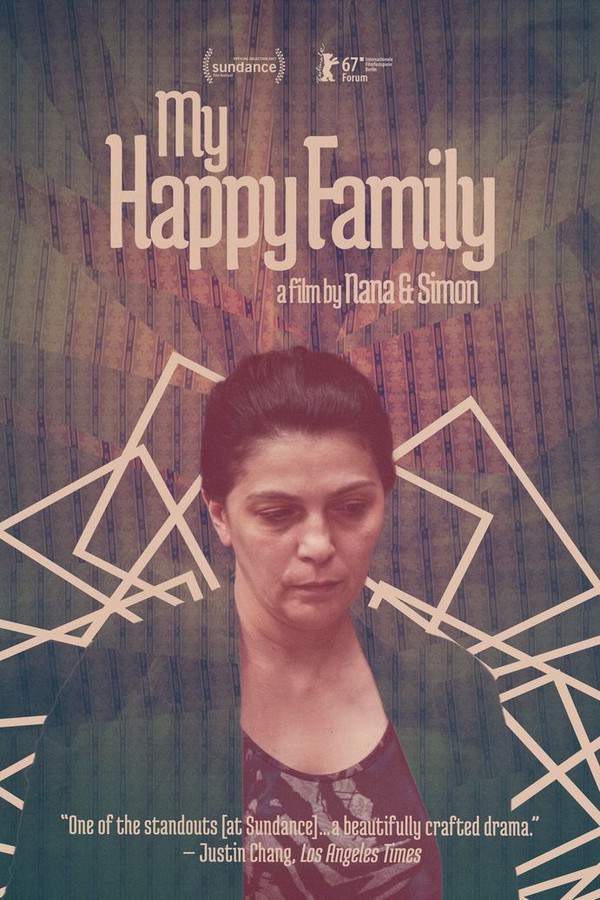
My Happy Family
2017

Climates
2006
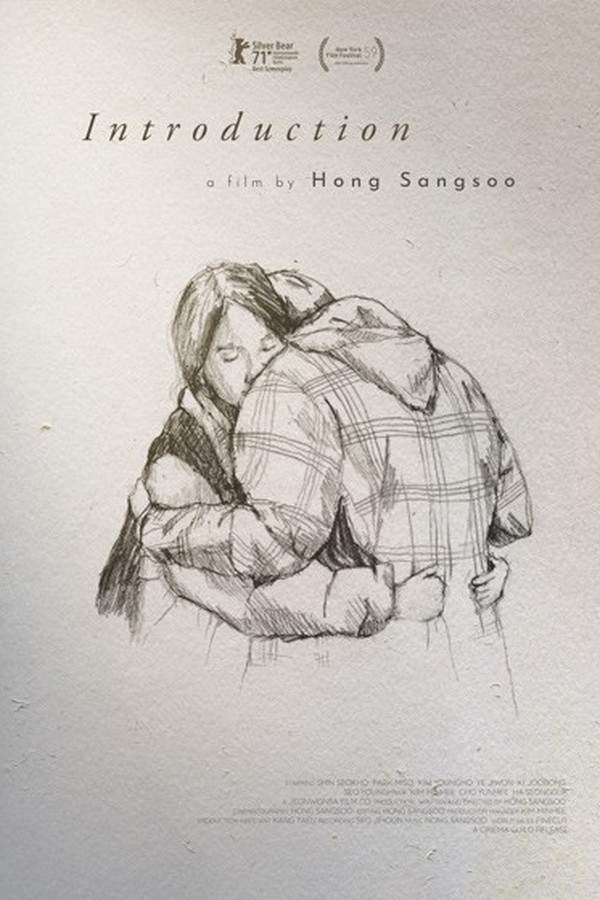
Introduction
2022

Family Romance, LLC
2020

Summer Hours
2009
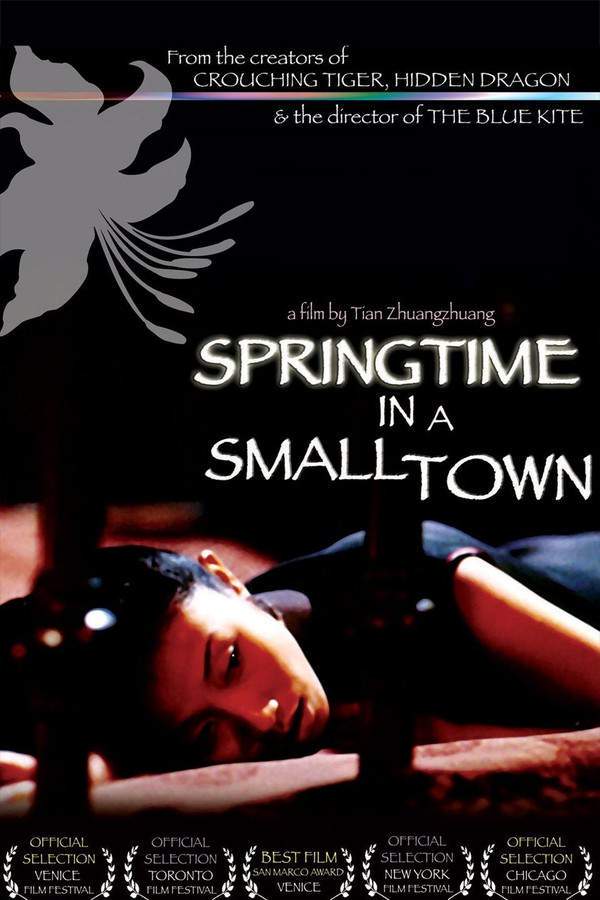
Springtime in a Small Town
2004

Quartet
1981

Home for the Weekend
2012
The Eremites
2016

Family Romance, LLC
2019

Kaleidoscope
1990

Brothers and Sisters of the Toda Family
1941

Grey Gardens
2009

A Little Prayer
2025
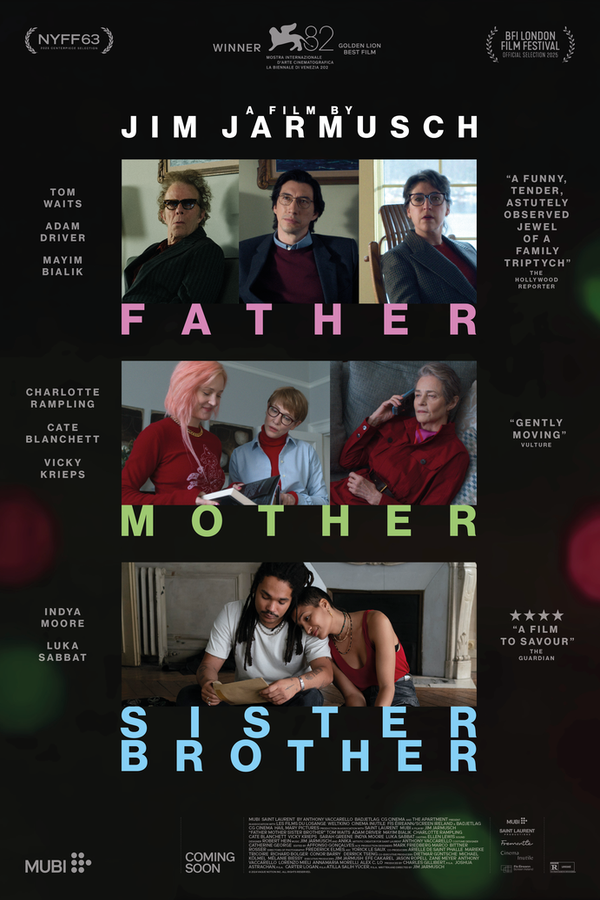
Father Mother Sister Brother
2025
Narrative Summary
These narratives typically focus on a central character or small group whose lives are dominated by a powerful familial figure or a legacy of tragedy. The plot revolves around a buried secret or a long-held control that creates a pressure cooker atmosphere, culminating in a crisis that forces a choice between breaking free or succumbing to the weight of tradition.
Why These Movies?
Movies in this thread are grouped by their shared atmosphere of emotional claustrophobia, the theme of powerful parental control, and a slow-burning tension that arises from concealed truths within a family unit. They offer a similar feeling of being trapped in a situation dictated by duty and history.
Bittersweet Rural Journeys like The Eremites
Character-driven stories of quiet struggle and hard-won growth in the countryside.Discover more movies like The Eremites featuring quiet, character-driven stories set in rural environments. If you liked the melancholic tone and the bittersweet ending of grappling with tradition and independence, these films share a similar vibe.
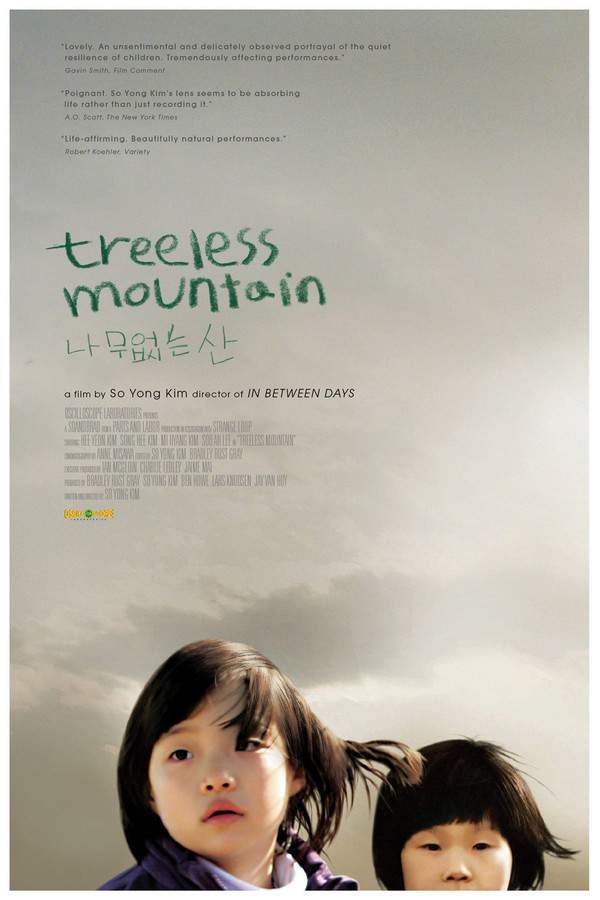
Treeless Mountain
2009
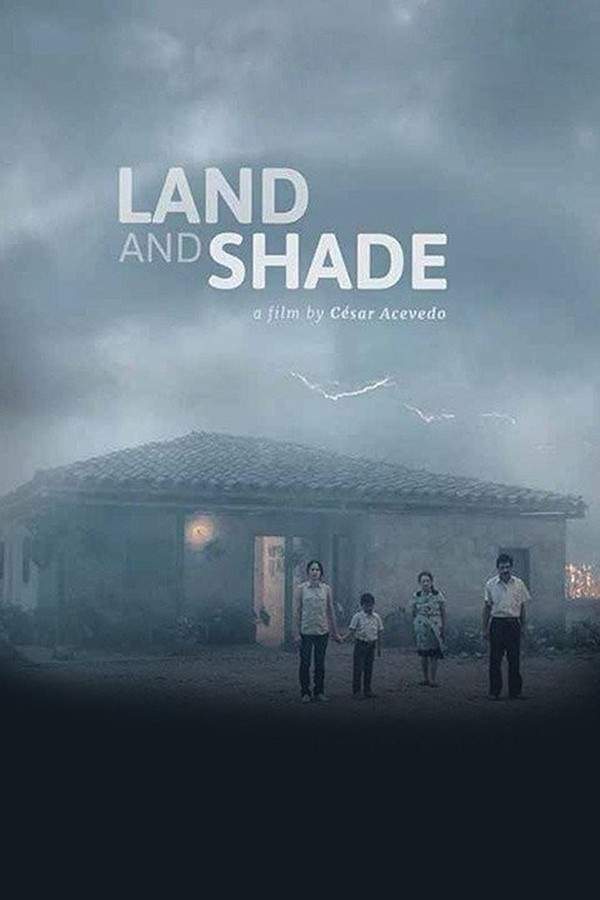
Land and Shade
2016
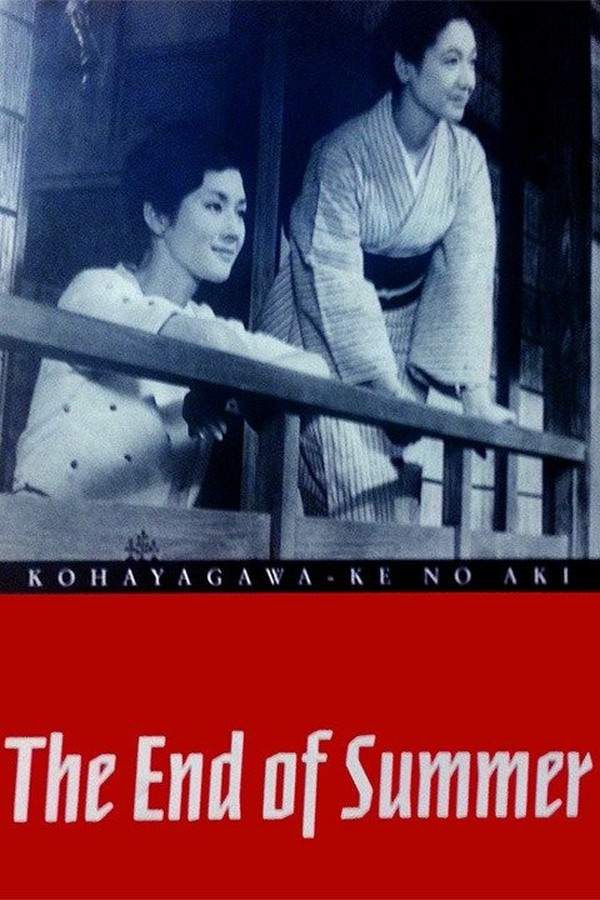
The End of Summer
1962
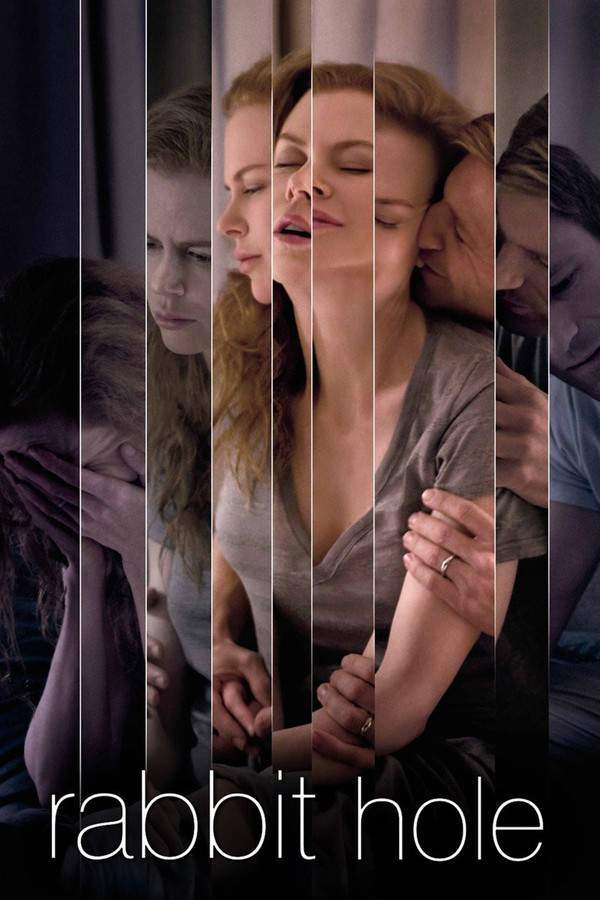
Rabbit Hole
2010
Moonlight Mile
2002

The End of Summer
2013

The Driftless Area
2015

Sentimental Destinies
2000

The Bitter Orange
2007
Wetherby
1985

My Reputation
1946

Somewhere I Have Never Travelled
2009

Old Boyfriends
1979

The Five Senses
1999

The Road Home
1999
Narrative Summary
The narrative follows a protagonist deeply connected to a rural way of life, often grappling with the expectations of that world. A significant event, such as a loss or a secret, forces a re-evaluation of their place, leading to a conclusion that acknowledges the pain of change while offering a tentative step towards a different future.
Why These Movies?
These movies share a specific emotional mix: a melancholic tone, a slow, immersive pace, and a focus on the emotional weight of rural life and tradition. They culminate in a bittersweet resolution that feels earned, balancing the cost of the journey with a sense of cautious hope or necessary change.
Unlock the Full Story of The Eremites
Don't stop at just watching - explore The Eremites in full detail. From the complete plot summary and scene-by-scene timeline to character breakdowns, thematic analysis, and a deep dive into the ending - every page helps you truly understand what The Eremites is all about. Plus, discover what's next after the movie.
The Eremites Summary
Read a complete plot summary of The Eremites, including all key story points, character arcs, and turning points. This in-depth recap is ideal for understanding the narrative structure or reviewing what happened in the movie.

Characters, Settings & Themes in The Eremites
Discover the characters, locations, and core themes that shape The Eremites. Get insights into symbolic elements, setting significance, and deeper narrative meaning - ideal for thematic analysis and movie breakdowns.


