

Plot Explained Spoilers guaranteed!
Plot Explained

Browse by genre

The Wizard of Gore (1970) movie poster

Timeline

The Wizard of Gore (1970) Timeline Explained – Every Event in Order

Release, runtime and language
1970 · 95 mins · English
Directed by
Herschell Gordon Lewis
Starring
Ray Sager, John Elliot, Jim Rau, Judy Cler, Wayne Ratay, Phil Laurenson

When a television talk‑show host and her boyfriend begin probing a mysterious magician, they discover his uncanny talent for hypnotizing and controlling people’s thoughts. He employs this ability to stage gruesome, blood‑splattered on‑stage tricks, blurring the line between illusion and real slaughter.

On this page (6)
  1. 1 Where to watch
  2. 2 Events in order (12)
  3. 3 Timeline questions answered
  4. 4 Movie threads
  5. 5 Movies like The Wizard of Gore
  6. 6 Every angle

Where to watch

Where to Watch The Wizard of Gore (1970)

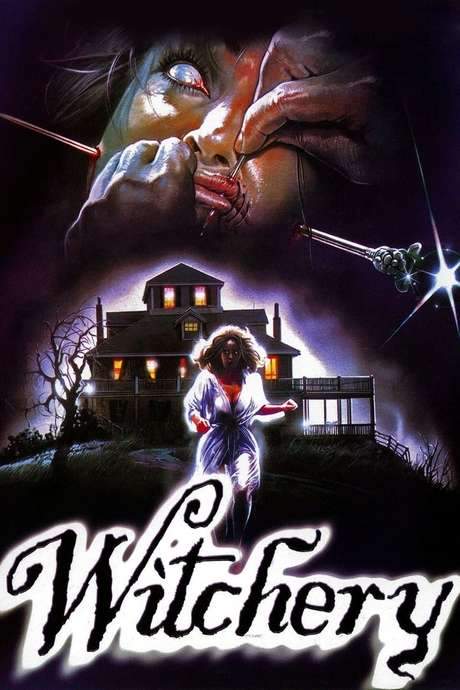
Where can you watch The Wizard of Gore? Stream, rent or buy it in the US, including on Cultpix and FlixFling: current JustWatch availability with up-to-date prices.

Streaming availability powered by JustWatch

12 events in order · contains spoilers

The Wizard of Gore Timeline: Events in Chronological Order

Every key event of The Wizard of Gore (1970) in order, scene by scene, with when and where it takes place. Use it to untangle flashbacks, time jumps and parallel storylines, to refresh your memory before the sequel or to find the exact scene you are thinking of.

  1. Montag delivers reality-themed magic on stage

    Montag the Magnificent opens his act by delivering speeches about the nature of reality to his audience. He then performs mutilation tricks on female volunteers, presenting them as if they reveal deeper truths. The crowd reacts with fascination, while the line between illusion and reality seems to blur.

    Where
    Theater / stage
  2. After the tricks, the volunteers are found dead

    The volunteers appear unharmed immediately after the tricks, but later collapse in public spaces or at home. They die from mutilations that mirror Montag's stage tricks, suggesting a chilling connection. The murders begin to draw suspicion toward Montag.

    Where
    Public venues and private homes
  3. Sherry Carson and Jack begin to suspect Montag

    Sherry Carson, a local TV talk show hostess, and her boyfriend Jack begin to suspect Montag's involvement. They enlist fellow reporter Greg to help investigate. The lack of solid evidence keeps the case unsettled while the danger grows.

    Where
    City / TV studio
  4. Jack and Greg research but find no solid evidence

    Jack and Greg attempt to research the case but cannot produce conclusive proof linking Montag to the murders. Their investigation stalls against silence and fear from Montag's circle. The tension between belief and doubt fuels their pursuit.

    Where
    City
  5. Montag agrees to appear on Sherry's show for a fire trick

    Montag agrees to perform a fire trick on Sherry's show, turning the televised moment into a high-profile spectacle. The appearance promises to magnify Montag's influence with both studio and home audiences watching. The arrangement places Sherry and the investigators on a collision course with danger.

    Where
    Sherry's TV show studio
  6. Hypnosis extends beyond the studio

    During filming, Montag hypnotizes everyone in the studio and the viewing audience at home. With a wave of his hand, he triggers a fire and appears to guide Sherry and two plainclothes cops toward it. The effect is a dangerous blend of magic and control that unsettles everyone watching.

    Where
    Television studio and viewing audience
  7. Jack intervenes, pushing Montag into the fire

    Jack moves to intervene and pushes Montag into the burning trap, killing him instantly. The studio erupts in chaos as the illusion turns lethal. The moment seems to resolve the danger, but doubt lingers.

    Where
    Studio stage
  8. Back at home, a shocking revelation unfolds

    Montag's supposed killer story seems to be reversed as Sherry and Jack confront the events at home. Jack suddenly laughs and begins peeling his own skin from his face to reveal that he is actually Montag. He disembowels Sherry with his bare hands, yet she remains alive and laughing, claiming the whole sequence was an illusion and that nothing real happened.

    Where
    Home
  9. Montag is teleported back onstage

    Montag is teleported back onstage, dazed, and begins reciting the same opening speech he delivered at the start. The revival of the speech suggests the events may be a manipulated performance rather than truth. The audience is left to question what is real.

    Where
    Stage
  10. Sherry declares him a phony

    Sherry mutters that Montag is a phony, signaling a final rejection of the entire sequence. Her taunt reinforces the idea that the experience was shaped by illusion. The film ends with doubt about who is real and who is fake.

    Where
    Stage
  11. The illusion's meta-revelation

    The events reveal a meta-level manipulation, suggesting that the plot itself is a constructed illusion. Sherry's revelation reframes Montag's acts as performance rather than reality. The closing moment leaves the audience questioning the nature of truth.

    Where
    Theater
  12. Final uncertainty about identity and reality

    The final frame hints at a blurred boundary between magician and corpse, performance and reality. Characters' identities seem mutable, and Montag's voice echoes without a decisive truth. The audience is left with an unsettling sense of unreality.

    Where
    Theater / Stage

Last updated: February 20, 2026 at 18:45

Was this helpful?

Timeline questions answered

The Wizard of Gore Timeline Explained: Your Questions Answered

When does it happen, and why in that order? The questions people ask about the chronology of The Wizard of Gore (1970): time jumps, flashbacks, cause and effect between scenes and the correct order of events, each answered with spoilers.

Q1

How does Montag actually kill his volunteers during his magic shows?

Montag uses his hypnotic abilities to convince the volunteers that his stage tricks are merely illusions. However, the volunteers actually die from real mutilation - their deaths are not faked. The hypnosis allows Montag to control their minds and bodies, making them unable to resist or alert anyone during the actual killings, then wiping their memory of the trauma so they appear fine immediately after the show.

Foreshadowing: Early in his act, Montag delivers speeches about the nature of reality, hinting that his performances reveal 'deeper truths' beyond simple illusion.

  • montag hypnosis
  • magic tricks
  • killings
  • volunteers
  • illusion
Q2

Why does Montag agree to appear on Sherry's talk show?

Montag agrees to perform a fire trick on Sherry's show because it presents an opportunity to expand his influence beyond the theater. The live broadcast allows him to demonstrate his hypnotic powers to a much larger audience, including viewers at home. This appearance also puts him directly in contact with his primary accusers, Sherry and Jack, potentially allowing him to silence them or prove his superiority.

Foreshadowing: Montag's pattern throughout the film is to seek larger audiences and more control, making the TV appearance a natural escalation.

  • sherry carson
  • talk show
  • fire trick
  • television
Q3

How does Montag hypnotize people watching the TV at home?

The film suggests Montag's hypnotic power is so strong it extends beyond the immediate audience in the studio. Through some form of psychic ability or television as a medium for his suggestions, Montag is able to reach into viewers' homes. With a sweeping gesture, he triggers the fire and guides Sherry and two plainclothes cops toward the flames, demonstrating that his mind control works through the camera itself.

Foreshadowing: This is the film's most explicit demonstration that Montag's abilities transcend physical space, building on earlier suggestions that his power affects anyone who watches him.

  • hypnosis
  • tv audience
  • mass hypnosis
  • television
Q4

Who is Jack really?

Jack is actually Montag in disguise. After Montag apparently dies in the studio fire, Jack returns to Sherry's home and laughs while peeling his face off to reveal his true identity as Montag. This twist suggests either that Montag never truly died, or more likely, that the entire investigation and romance were part of an elaborate illusion orchestrated by Montag to manipulate Sherry and the audience.

Foreshadowing: The investigation never produces solid evidence against Montag, which makes sense if Jack has been feeding them information all along.

  • jack identity
  • montag disguise
  • twist reveal
Q5

How does Sherry survive being disemboweled by Montag?

After Jack (revealed as Montag) disembowels Sherry with his bare hands, she remains alive and begins laughing. She tells Montag that none of what happened was real - and that even he is part of her illusion. This meta-revelation suggests the entire sequence (including the killing) was itself an illusion within the larger performance, making Sherry's survival a deliberate narrative choice that blurs the line between reality and fantasy.

Foreshadowing: The film consistently blurs reality and illusion throughout, making this non-sequitur ending thematically consistent with Montag's own speeches about reality.

  • sherry alive
  • disembowelment
  • illusion
  • survival
Q6

What happens at the end of the film - is Montag alive or dead?

After being apparently killed in the fire, Montag is teleported back onto his original stage, dazed and reciting the same opening speech from the beginning of the film. This creates a time loop or reset, suggesting the entire narrative may have been a cyclical performance rather than a linear sequence of events. The ending undermines any sense of objective reality in the story, leaving Montag's survival ambiguous but implying the events were manipulated.

Foreshadowing: The film opens with Montag's reality-themed speech about truth and illusion, which returns unchanged at the end.

  • ending
  • teleport
  • cycle
  • stage
  • recurring
Q7

What does Sherry mean when she calls Montag a 'phony' at the end?

In the final moment, Sherry watches Montag from somewhere (possibly outside the illusion) and mutters that he is a phony. This suggests Sherry may have been the true manipulator all along, creating the entire scenario to prove a point about illusion and reality. Her dismissal of Montag as a phony indicates she sees through his performances and considers his claims about reality empty - essentially declaring his entire act a fraud.

Foreshadowing: Sherry's profession as a TV talk-show host who probes mysteries makes her a fitting counterpart to Montag as another performer of truth.

  • sherry quote
  • phony
  • judgment
  • final scene
Q8

Why does Montag target women and stage specific murder methods?

Montag specifically targets female volunteers and designs murders that mirror his stage tricks (chainsaw, headpike, punchpress, sword). He frames his act as revealing 'deeper truths' about reality through violent spectacle. The pattern suggests Montag views his murders as artistic performances that blur entertainment and actual violence, using the audience's expectation of illusion as cover for real killings.

Foreshadowing: Montag's opening speeches about reality being an illusion set up his philosophical justification for the murders.

  • female victims
  • stage tricks
  • murder methods
  • performance
Q9

What is actually real in the film?

Very little can be confirmed as objectively real. The film deliberately maintains ambiguity about which events are 'actual' and which are illusions. The only constant is Montag's stage performances - everything else (the investigation, Jack's identity, Sherry's death, the final teleportation) exists in a fluid space between reality and fantasy. The meta-revelation that Sherry may be controlling the narrative further complicates any attempt to establish a fixed reality.

Foreshadowing: The film's structure moves through multiple layers of illusion, making certainty impossible from the start.

  • reality vs illusion
  • ambiguity
  • truth
  • narrative layers
Q10

Why do Sherry and Jack investigate Montag?

Sherry, as a TV talk-show host, and her boyfriend Jack begin investigating Montag after the pattern of volunteer deaths becomes impossible to ignore. They suspect Montag's stage tricks are actually real murders. They enlist fellow reporter Greg to help find evidence. However, their investigation stalls repeatedly, partly because Jack turns out to be Montag in disguise - making the investigation itself part of the illusion.

Foreshadowing: Their investigation drives the middle portion of the film, but the twist about Jack explains why they never find conclusive proof.

  • sherry carson
  • jack
  • investigation
  • reporter greg

Movie threads

More Movies Like The Wizard of Gore, by Mood & Story

Curated lists built around what makes The Wizard of Gore tick: the same mood, the same kind of story or the same emotional payoff. Each list explains why these movies belong together.

Surreal Horror with Psychological Manipulation like The Wizard of Gore

Hypnotic tales where reality unravels under psychological pressure. If you liked the mind-bending terror of The Wizard of Gore, discover more movies that blur illusion and reality with graphic violence under hypnotic control. These similar films share a dark, surreal atmosphere and themes of psychological manipulation.

  • surreal
  • mind-bending
  • hypnotic
  • tense
  • oppressive
  • psychological
  • Tone: dark, tense, surreal
  • Pacing: steady, methodical
Why these movies?

The story pattern: Stories in this thread typically follow characters investigating a mysterious force or figure, only to find their own sanity and perception of reality under attack. The narrative often escalates with increasingly surreal and gruesome events, challenging what is real.

Why they belong together: These films are grouped together by their shared focus on psychological manipulation, surreal visuals, and a core theme questioning reality. They create a similar unsettling, mind-bending viewing experience through a dark tone and complex narrative structures.
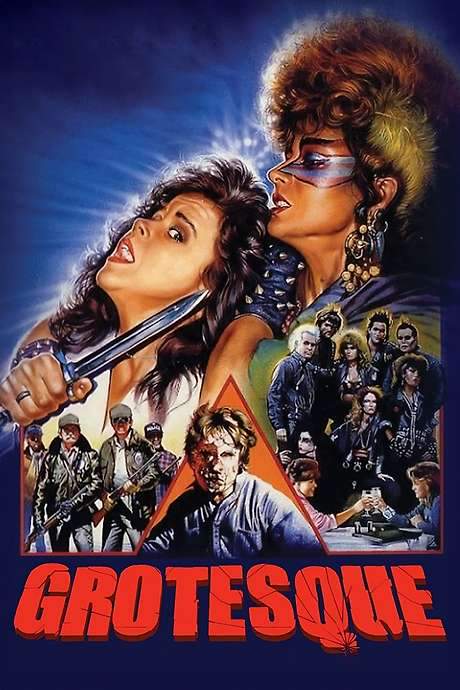
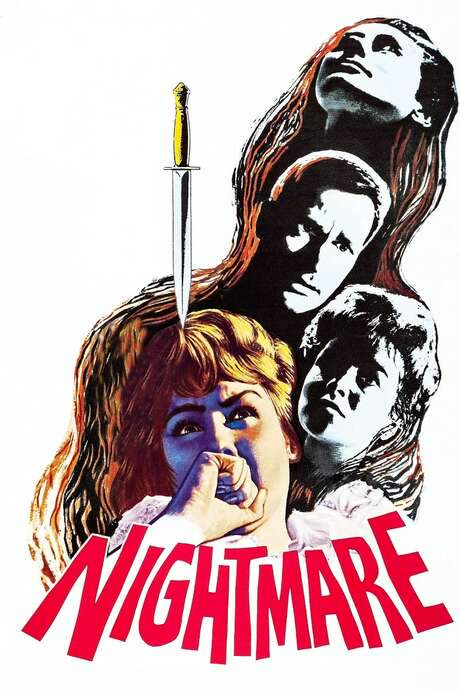
Dark Investigations into Graphic Illusionism like The Wizard of Gore

Characters investigate sinister performers whose art masks brutal truth. Looking for more movies like The Wizard of Gore where media investigations uncover horrific truths behind stage magic? Find similar stories exploring themes of performance vs reality, graphic violence, and media unraveling sinister secrets.

  • tense
  • investigative
  • gruesome
  • oppressive
  • psychological
  • surreal
  • Tone: dark, bleak, tense
  • Pacing: steady
Why these movies?

The story pattern: The narrative pattern involves protagonists drawn into the world of a captivating but dangerous performer. Through their investigation, they uncover that the illusions are horrifyingly real, leading to a climactic confrontation that often leaves the nature of reality itself ambiguous.

Why they belong together: These movies share a core plot structure of an investigation into a dark art form, a steady pacing that builds dread, and a heavy emotional weight from graphic violence. They are united by the central conflict of performance versus a disturbing reality.

If you liked this

Movies Like The Wizard of Gore

Similar movies to The Wizard of Gore: the same genre, themes or kind of story. Each one comes with its own plot summary, timeline and ending explained.

Browse all movie summaries

Every angle

The Wizard of Gore (1970) Explained: Plot, Timeline & Characters

Everything about The Wizard of Gore in one place: what happens in the plot summary, the timeline in chronological order, the characters and meaning and a spoiler-free summary. What's After the Movie adds the cast, box office and post-credit scenes.

Coming soon on iOS and Android

The Plot Explained Movie Summary App

Plot summaries, endings explained and timelines on your phone. Catch up on any movie in minutes, save your favorites and never miss a twist again.

Be the first to know when we launch. Your email stays private, always.

Learn more about the app