

Plot Explained Spoilers guaranteed!
Plot Explained

Browse by genre

The Wizard of Gore (1970) movie poster

Characters & Themes

The Wizard of Gore (1970) Characters, Setting & Themes Explained

Release, runtime and language
1970 · 95 mins · English
Directed by
Herschell Gordon Lewis
Starring
Ray Sager, John Elliot, Jim Rau, Judy Cler, Wayne Ratay, Phil Laurenson

When a television talk‑show host and her boyfriend begin probing a mysterious magician, they discover his uncanny talent for hypnotizing and controlling people’s thoughts. He employs this ability to stage gruesome, blood‑splattered on‑stage tricks, blurring the line between illusion and real slaughter.

On this page (8)
  1. 1 Where to watch
  2. 2 Characters explained (11)
  3. 3 Where & when it takes place
  4. 4 Themes & meaning (3)
  5. 5 Character & meaning questions
  6. 6 Movie threads
  7. 7 Movies like The Wizard of Gore
  8. 8 Every angle

Where to watch

Where to Watch The Wizard of Gore (1970)

Where can you watch The Wizard of Gore? Stream, rent or buy it in the US, including on Cultpix and FlixFling: current JustWatch availability with up-to-date prices.

Streaming availability powered by JustWatch

11 main characters · contains spoilers

The Wizard of Gore Characters Explained: Who Is Who

The main characters of The Wizard of Gore (1970), heroes and villains: what drives them, how they change over the course of the story and what each of them reveals about the film's bigger ideas.

  • Montag the Magnificent (Ray Sager)

    A flamboyant magician who delivers philosophical speeches about reality and then performs dangerous tricks on volunteers. His act hypnotizes audiences and staff alike, masking a lethal ruthlessness behind a smile. He treats reality as malleable, bending it to his stagecraft and control.

    • 🎭 Charismatic showman
    • 🧠 Manipulative mastermind
    • ⚠️ Dangerous
  • Det. Harlan (John Elliot)

    A tireless detective who pursues the murders with caution and skepticism. He follows the trail of mutilations and illusions, seeking concrete evidence in a case where reality feels unstable. He represents rational inquiry amid escalating theatrical violence.

    • 🕵️ Detective
    • 🧠 Persistent
    • 🎯 Rational
  • Jack (Wayne Ratay)

    Sherry's boyfriend and fellow reporter who teams with Greg to investigate Montag's acts. He is brave and skeptical, risking himself to stop the killer and uncover the truth. In the twist, his persona is revealed as Montag in disguise, highlighting deception within the investigation.

    • 🎤 Reporter
    • 🕵️‍♂️ Skeptical
    • 🕶️ Disguise
  • Sherry Carson (Judy Cler)

    A local TV talk-show hostess who grows suspicious of Montag as the murders unfold. She drives the investigation with a sharp eye for clues and a willingness to challenge authority. Her presence exposes how media fame intersects with danger.

    • 🎤 TV Host
    • 🧠 Curious
    • 🕵️‍♀️ Investigative
  • Greg (Phil Laurenson)

    A fellow reporter who pairs with Jack to research the case but struggles to find solid evidence. He provides journalistic support and helps push the investigation forward. His role emphasizes collaboration and the stubborn pursuit of truth.

    • 📰 Reporter
    • 🧠 Persistent
    • 🤝 Collaborator
  • Det. Kramer (Don Alexander)

    Another detective who becomes involved in the case; he helps piece together the pattern of the murders and the theatricality behind them. He represents law enforcement following the trail of violent spectacle.

    • 🕵️ Detective
    • 🧩 Investigator
    • 🗝️ Forensic
  • Stage Girl #1 - Chainsaw Victim (Karin Alexana)

    A stage performer who participates in Montag's acts and becomes a victim in the show’s violent illusion. Her presence underscores the danger posed by the performative artistry.

    • 🎭 Stage Performer
    • 🔪 Onstage Risk
    • ⚰️ Victim
  • Stage Girl #2 - Headpike Victim (Corinne Kirkin)

    Another on-stage participant in Montag's deadly routine. She embodies the peril of live theater when illusion crosses into real danger.

    • 🎭 Stage Performer
    • 🗡️ Onstage Danger
    • ⚰️ Victim
  • Stage Girl #3 - Punchpress Victim (Monica Blackwell)

    A stage girl involved in the show's mechanical tricks; her fate highlights the perils of using props as instruments of harm.

    • 🎭 Stage Performer
    • ⚙️ Mechanical Props
    • ⚰️ Victim
  • Stage Girl #4 - Sword Victim (Sally Brody)

    A live-act performer who meets a deadly end as part of Montag's sword routine, illustrating the brutal costs of theater gone wrong.

    • 🎭 Stage Performer
    • 🗡️ Sword
    • ⚰️ Victim
  • Stage Girl #5 - Sword Victim (Karen Burke)

    The final stage girl in Montag's troupe; her onstage demise reinforces the motif of spectacle and danger in the show.

    • 🎭 Stage Performer
    • 🗡️ Sword
    • ⚰️ Victim

Last updated: February 20, 2026 at 18:40

Was this helpful?

Setting

Where and When Does The Wizard of Gore Take Place?

The setting of The Wizard of Gore (1970): the year and time period, the places and locations, and how they shape the characters, the mood and the tension of the story.

Time period

Location

Theater / Stage, Television Studio, Home

Most of the action unfolds on Montag's stage and on a television talk-show set. The TV studio environment allows hypnotic tricks to influence both viewers and participants. The story also shifts to Sherry and Jack's home, underscoring the intimate consequences of the show's illusions.

  • 🎭 Theater
  • 📺 Television Studio
  • 🏠 Home

Last updated: February 20, 2026 at 18:40

Was this helpful?

3 major themes

The Wizard of Gore Meaning: Themes & Message Explained

What is The Wizard of Gore (1970) really about? The emotional, social and philosophical themes the film keeps returning to, its symbolism and the message beneath the surface.

  • Reality vs Illusion

    The film toys with what is real as Montag frames reality through philosophy and stage tricks. His hypnotic control crosses from stage to studio, blurring lines between truth and performance. The twist—where identities and perceptions flip—forces the audience to question what they are watching.

  • Manipulation

    Montag uses magic-like devices and psychological pressure to steer both characters and viewers. The line between clever illusion and deliberate harm becomes dangerously thin. The narrative critiques showmanship that values spectacle over truth.

  • Violence as Spectacle

    Murder is embedded within the spectacle of a show, turning danger into entertainment. The deaths occur during staged acts, challenging spectators to separate entertainment from cruelty. The finale suggests that the audience's complicity is part of the illusion.

Last updated: February 20, 2026 at 18:40

Was this helpful?

Character & theme questions

The Wizard of Gore Characters & Meaning: Your Questions Answered

The questions people ask about The Wizard of Gore (1970): who the characters really are, their relationships, what the symbols mean, where it takes place and what the movie is really about. Each answer contains spoilers.

Q1

Where is The Wizard of Gore set?

Most of the film takes place on Montag's stage theater and on a television talk-show set. The TV studio is crucial because it allows Montag's hypnotic tricks to reach both live studio participants and home viewers. The story also shifts to Sherry and Jack's home, showing the personal consequences of the show's dangerous illusions.

  • setting
  • locations
  • stage
  • theater
  • tv studio
  • house
Q2

Why is the television studio important to the story?

The TV studio setting is where Montag's act is broadcast to the public, blurring the line between stage magic and real violence. This location allows his hypnotic control to extend beyond the live audience, affecting viewers at home and making the danger more widespread and disturbing.

  • television studio
  • broadcast
  • media
  • hypnosis
  • audience
Q3

What does Reality vs Illusion mean in The Wizard of Gore?

The film constantly plays with what is real versus what is staged. Montag uses philosophical speeches about reality while performing deadly tricks, and the story forces viewers to question whether what they are watching is real violence or illusion. The twist ending where identities flip makes this theme central to the entire experience.

  • reality
  • illusion
  • hypnosis
  • perception
  • deception
  • truth
Q4

How does The Wizard of Gore explore manipulation?

Montag uses magic tricks and psychological pressure to control both characters and the viewing audience. He blurs the line between clever illusion and deliberate harm, critiquing showmanship that prioritizes spectacle over truth. His ability to manipulate thoughts becomes the engine of the entire story.

  • manipulation
  • mind control
  • hypnosis
  • power
  • control
  • magician
Q5

What is the Violence as Spectacle theme about?

The film embeds murder within the entertainment of a magic show, turning real danger into audience enjoyment. Deaths occur during staged acts, forcing spectators to confront how they separate cruelty from entertainment. The finale suggests the audience's complicity in watching violence for amusement.

  • violence
  • spectacle
  • entertainment
  • audience
  • death
  • showmanship
Q6

Who is Montag the Magnificent?

Montag is a flamboyant magician who performs dangerous stage tricks on volunteers while delivering philosophical speeches about reality. He uses hypnosis to control people, masking lethal ruthlessness behind a performer's smile. He treats reality as something malleable, bending it to his will through stagecraft and psychological control.

  • montag
  • magician
  • hypnotist
  • villain
  • performer
  • antagonist
Q7

Who is Sherry Carson in the film?

Sherry Carson is a local TV talk-show host who becomes suspicious of Montag as the murders unfold. She drives the investigation with a sharp eye for clues and challenges authority. Her role highlights how media fame intersects with danger, and she represents the curious journalist caught in a deadly situation.

  • sherry carson
  • host
  • investigator
  • reporter
  • tv host
  • heroine
Q8

What role does Jack play in The Wizard of Gore?

Jack is Sherry's boyfriend and fellow reporter who teams with Greg to investigate Montag's deadly acts. He is brave and skeptical, risking himself to stop the killer. The story contains a major twist revealing his true identity, which adds to the film's themes of deception and hidden identity.

  • jack
  • reporter
  • investigator
  • deception
  • identity
  • reveal
Q9

Who is Detective Harlan?

Detective Harlan is a tireless detective who pursues the murders with caution and skepticism. He follows the trail of mutilations and illusions, seeking concrete evidence in a case where reality feels unstable. He represents rational, logical inquiry struggling against theatrical violence and psychological manipulation.

  • detective harlan
  • police
  • investigation
  • law enforcement
  • rationality
Q10

What happens to the stage girls in the film?

The stage girls are volunteers who participate in Montag's acts and become victims of his deadly illusions. They represent the real cost behind the entertainment, embodying the danger of live theater when illusion crosses into actual violence. Their fates underscore the film's critique of violence as spectacle.

  • stage girls
  • victims
  • volunteers
  • audience
  • death
  • violence
Q11

What is the tone and atmosphere of The Wizard of Gore?

The film has a dark, oppressive tone built on graphic violence against women and Montag's psychological manipulation. It blends horror with surreal and psychedelic elements, creating an unsettling experience. The nihilistic themes about reality being an illusion and characters helpless under hypnosis create lasting unease.

  • tone
  • atmosphere
  • horror
  • suspense
  • dark
  • nihilistic
  • surreal

Movie threads

More Movies Like The Wizard of Gore, by Mood & Story

Curated lists built around what makes The Wizard of Gore tick: the same mood, the same kind of story or the same emotional payoff. Each list explains why these movies belong together.

Surreal Horror with Psychological Manipulation like The Wizard of Gore

Hypnotic tales where reality unravels under psychological pressure. If you liked the mind-bending terror of The Wizard of Gore, discover more movies that blur illusion and reality with graphic violence under hypnotic control. These similar films share a dark, surreal atmosphere and themes of psychological manipulation.

  • surreal
  • mind-bending
  • hypnotic
  • tense
  • oppressive
  • psychological
  • Tone: dark, tense, surreal
  • Pacing: steady, methodical
Why these movies?

The story pattern: Stories in this thread typically follow characters investigating a mysterious force or figure, only to find their own sanity and perception of reality under attack. The narrative often escalates with increasingly surreal and gruesome events, challenging what is real.

Why they belong together: These films are grouped together by their shared focus on psychological manipulation, surreal visuals, and a core theme questioning reality. They create a similar unsettling, mind-bending viewing experience through a dark tone and complex narrative structures.
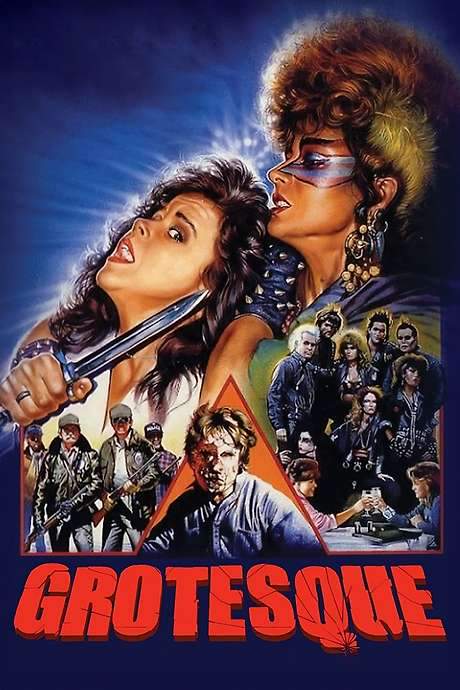
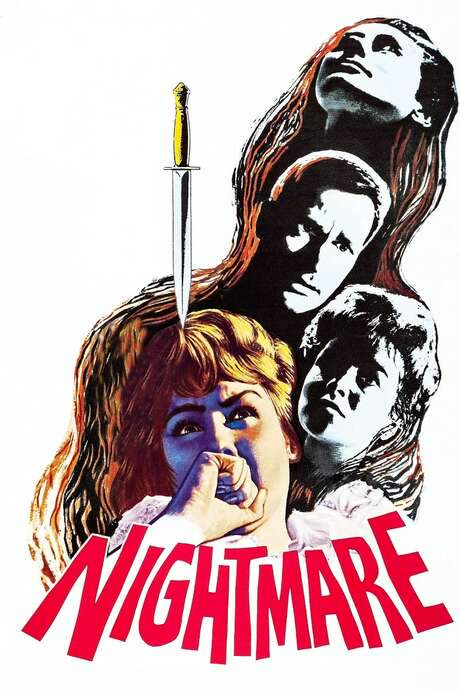
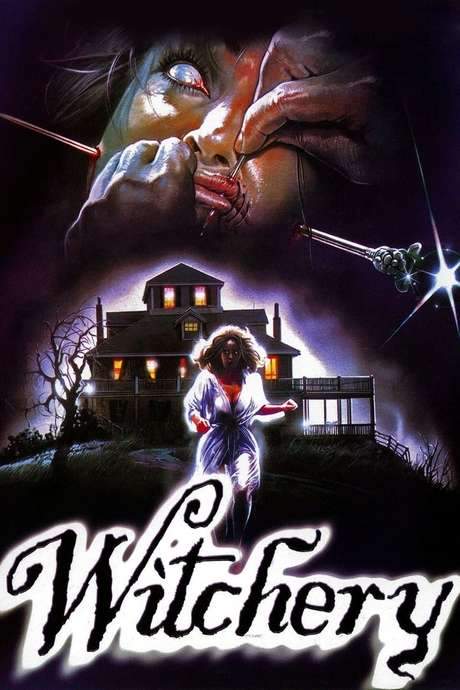
Dark Investigations into Graphic Illusionism like The Wizard of Gore

Characters investigate sinister performers whose art masks brutal truth. Looking for more movies like The Wizard of Gore where media investigations uncover horrific truths behind stage magic? Find similar stories exploring themes of performance vs reality, graphic violence, and media unraveling sinister secrets.

  • tense
  • investigative
  • gruesome
  • oppressive
  • psychological
  • surreal
  • Tone: dark, bleak, tense
  • Pacing: steady
Why these movies?

The story pattern: The narrative pattern involves protagonists drawn into the world of a captivating but dangerous performer. Through their investigation, they uncover that the illusions are horrifyingly real, leading to a climactic confrontation that often leaves the nature of reality itself ambiguous.

Why they belong together: These movies share a core plot structure of an investigation into a dark art form, a steady pacing that builds dread, and a heavy emotional weight from graphic violence. They are united by the central conflict of performance versus a disturbing reality.

If you liked this

Movies Like The Wizard of Gore

Similar movies to The Wizard of Gore: the same genre, themes or kind of story. Each one comes with its own plot summary, timeline and ending explained.

Browse all movie summaries

Every angle

The Wizard of Gore (1970) Explained: Plot, Timeline & Characters

Everything about The Wizard of Gore in one place: what happens in the plot summary, the timeline in chronological order, the characters and meaning and a spoiler-free summary. What's After the Movie adds the cast, box office and post-credit scenes.

Coming soon on iOS and Android

The Plot Explained Movie Summary App

Plot summaries, endings explained and timelines on your phone. Catch up on any movie in minutes, save your favorites and never miss a twist again.

Be the first to know when we launch. Your email stays private, always.

Learn more about the app