Plot Explained Spoilers guaranteed!
Plot Explained

Browse by genre

The Village Album (2004) movie poster

Characters & Themes

The Village Album (2004) Characters, Setting & Themes Explained

Release, runtime and language
2004 · 111 mins · Japanese
Loading streaming availability…
Directed by
Mitsuhiro Mihara
Starring
Tatsuya Fuji, Kazue Fukiishi, Ren Osugi, Pace Wu Pui-Tsi, Masahiro Koumoto, Ken Kaito
Budget
$60M

Hanatani Village in Tokushima’s valley will be flooded by dam. To preserve the community’s memory, villagers photograph every family. Kenichi, the only photographer, leads the project and asks his son Takashi, an aspiring photographer, to help. Although distant, Takashi’s work with each household shows his father’s devotion and repairs their strained bond.

On this page (8)
  1. 1 Where to watch
  2. 2 Characters explained (7)
  3. 3 Where & when it takes place
  4. 4 Themes & meaning (4)
  5. 5 Character & meaning questions
  6. 6 Movie threads
  7. 7 Categories
  8. 8 Every angle
Loading streaming availability…

7 main characters · contains spoilers

The Village Album Characters Explained: Who Is Who

The main characters of The Village Album (2004), heroes and villains: what drives them, how they change over the course of the story and what each of them reveals about the film's bigger ideas.

  • Lucius Hunt

    A compassionate, determined young villager who initiates a dangerous trek for medicine after a death in the community. He defies the elders’ rules to protect others and pursues a future with Ivy, revealing a hopeful but risky resolve that drives the plot. His actions expose the vulnerability of the village’s fragile myth and ultimately set the stage for its revelation.

    • 🧭 Curious
    • 🗡️ Brave
    • 💔 Tragic
  • Ivy Walker

    Lucius’s beloved partner, a visually impaired woman who is resourceful and quietly brave. She undertakes the forest journey to fetch medicine, showing resilience and cleverness that challenges the elders’ control. Her bond with Lucius and her persistence push the plot toward the truth outside the village walls.

    • 👁️ Visually impaired
    • 🎯 Resourceful
    • 💞 Courageous
  • Edward Walker

    The charismatic founder and elder who shapes the village’s rules and its mystique. He orchestrates the illusion of monsters to keep the younger generation within bounds and to comfort himself with the belief that he is protecting others. His confession and the revelation of his family’s secrets expose the moral complexity behind his authority.

    • 🔒 Secretive
    • 🕰️ Calculated
    • 💼 Wealth
  • Kitty Walker

    Edward’s daughter who experiences unrequited affection for Lucius but ultimately marries another man, indirectly facilitating Ivy and Lucius’s betrothal. She embodies the personal stakes and the social expectations of the village’s inner circle.

    • ❤️ Romantic
    • 🎈 Socially aware
    • 🤍 Loyal
  • Noah Percy

    A jealous young man with a developmental disability who stabs Lucius out of anger. He is later revealed to be the person hidden within the monster costume, highlighting themes of disguise and the consequences of living inside a false narrative.

    • 🧍‍♂️ Jealous
    • 🗡️ Violent
    • 🎭 Disguised
  • Alice Hunt

    Lucius’s widowed mother who questions his wish to venture into the woods and cautions against embracing the towns as wicked. Her perspective underscores the tension between parental concern and community control.

    • 👩 Mother
    • 🧠 Skeptical
    • 🕊️ Protective
  • Tabitha Walker

    Edward’s wife and a fellow elder who participates in guarding the village’s secrets, while also showing the weight of legacy within the ruling group. She helps maintain the social order that sustains the illusion.

    • 👩 Wife
    • 📚 Legacy
    • 🔐 Secretive

Last updated: October 04, 2025 at 12:09

Was this helpful?

Setting

Where and When Does The Village Album Take Place?

The setting of The Village Album (2004): the year and time period, the places and locations, and how they shape the characters, the mood and the tension of the story.

Time period

Late 20th to early 21st century

Although the village seems historical, the story unfolds in a late 20th to early 21st-century context. It was founded over two decades earlier by Edward Walker after a grief-counseling process and funded by his family wealth, with the wildlife reserve serving as its enclosure. The outside world is real but access is tightly restricted through a government no-fly zone, hinting at a more modern era beyond the village walls.

Location

The Village, Walker Wildlife Reserve

A secluded village built inside the Walker Wildlife Reserve in Pennsylvania, cut off from the outside world by a no-fly zone and surrounding woods. The boundary is marked by watchtowers and tall poles with oil lamps, and residents live under rules like banning the color red to avoid attracting the creatures. The elders sustain a self-imposed boundary between the village and the outside world, using a purported threat in the woods to maintain control.

  • 🏞️ Isolated
  • 🛡️ Protected
  • 🏕️ Rural

Last updated: October 04, 2025 at 12:09

Was this helpful?

4 major themes

The Village Album Meaning: Themes & Message Explained

What is The Village Album (2004) really about? The emotional, social and philosophical themes the film keeps returning to, its symbolism and the message beneath the surface.

  • Deception

    The elders wield fear and secrecy to control the village, presenting a monsters-in-woods myth to deter departure. The 'creatures' are used as a tool to hide their real motives and past traumas. The narrative examines how carefully constructed lies can manipulate a community that fears the unknown. The reveal reframes the events as a deliberate social experiment rather than a natural danger.

  • Myth vs Reality

    The villagers live inside a carefully maintained legend about dangerous beings in the woods. The truth, that the monsters are masked elders, blurs the line between folklore and fact. The clash between myth and reality drives the plot and shapes the characters’ choices. The twist forces viewers to question what is real and what is used to govern behavior.

  • Isolation & Trauma

    The community isolates itself to cope with grief and collective trauma, recruiting others from a counseling setting to perpetuate the myth. Isolation becomes a social tool that shelves the pain of loss rather than confronting it. Trauma is stored in locked boxes, symbolizing hidden memories that never surface while the village pretends to be safe. The outside world remains a forbidden unknown.

  • Power & Morality

    The elders wield moral authority by controlling information and restricting movement, effectively policing what counts as safe and dangerous. Their power rests on a moral calculus that justifies deception for the perceived greater good. The twist reveals how wealth, influence, and trauma can corrupt guardians of a community. The balance between protection and manipulation becomes a central ethical question.

Last updated: October 04, 2025 at 12:09

Was this helpful?

Character & theme questions

The Village Album Characters & Meaning: Your Questions Answered

The questions people ask about The Village Album (2004): who the characters really are, their relationships, what the symbols mean, where it takes place and what the movie is really about. Each answer contains spoilers.

Q1

Where is The Village set and what makes it unique?

The Village is set in a secluded community built inside the Walker Wildlife Reserve in Pennsylvania. The village is cut off from the outside world by a no-fly zone and surrounding woods. It is marked by watchtowers and tall poles with oil lamps, and residents live under strict rules like avoiding the color red to avoid attracting the creatures that supposedly inhabit the woods.

  • walker wildlife reserve
  • pennsylvania
  • isolated village
  • no-fly zone
  • watchtowers
Q2

When does The Village take place?

The story takes place in a late 20th to early 21st-century context, though the village deliberately appears historical. It was founded over two decades earlier by Edward Walker after a grief-counseling process, funded by his family wealth. The outside world is modern, but access is tightly restricted through a government no-fly zone.

  • late 20th century
  • early 21st century
  • modern era
  • edward walker founding
Q3

Why is the village kept isolated from the outside world?

The elders maintain isolation by perpetuating a myth about dangerous creatures living in the surrounding woods. This deception serves multiple purposes: it keeps younger residents from leaving, helps the community cope with grief and trauma, and allows the founders to maintain control. The so-called monsters are actually masked elders wearing costumes.

  • isolation
  • monsters in woods
  • elders control
  • boundary rules
Q4

What are the creatures in the woods really?

The creatures that the villagers fear are not real monsters. They are actually elders from the village who dress in heavy hooded costumes to patrol the boundary. The costumes and the myth surrounding them are deliberately maintained to discourage anyone from leaving and to maintain the community's sense of safety within their self-imposed isolation.

  • monster costumes
  • elder deception
  • boundary patrol
  • masked figures
Q5

Who is Lucius Hunt in The Village?

Lucius Hunt is a compassionate and determined young villager who defies the elders' rules to protect others. He initiates a dangerous trek into the woods to seek medicine after a death in the community, driven by his desire to help those he loves. His actions ultimately expose the fragility of the village's maintained myth and set events in motion that reveal the truth.

  • lucius hunt
  • protagonist
  • defies elders
  • medicine quest
Q6

Who is Ivy Walker and what is her role?

Ivy Walker is Lucius Hunt's beloved partner, a visually impaired woman who demonstrates resourcefulness and quiet bravery throughout the film. She undertakes her own journey into the forest to fetch medicine, showing resilience and cleverness that challenges the elders' control. Her persistence and bond with Lucius drive the plot toward the revelation of what lies beyond the village walls.

  • ivy walker
  • visually impaired
  • brave
  • lucius partner
Q7

Who is Edward Walker and why is he important?

Edward Walker is the charismatic founder and elder who established the village and shaped its rules and mystique. After experiencing personal grief, he created this isolated community as a way to protect people from the outside world and help them cope with trauma. He orchestrates the illusion of monsters in the woods to keep residents within bounds, believing this deception serves the greater good.

  • edward walker
  • founder
  • elder leader
  • village creator
Q8

What is the main theme of deception in The Village?

The Village explores how the elders use fear and secrecy to control the community through a monsters-in-the-woods myth designed to deter departure. This carefully constructed lie manipulates a community that fears the unknown. The story reveals that the creatures are a tool to hide the elders' real motives and past traumas, exposing how deception can govern behavior for supposed protection.

  • deception
  • elders control
  • fear manipulation
  • myth
Q9

How does The Village explore myth versus reality?

The film centers on the clash between the villagers' legend of dangerous beings in the woods and the truth that the monsters are masked elders. This tension between folklore and fact drives the plot and shapes every character's choices. The major twist forces viewers, and characters, to question what is real and what is merely used to govern behavior and maintain social order.

  • myth vs reality
  • truth reveal
  • folklore
  • twist
Q10

What does The Village say about isolation and trauma?

The Village portrays a community that isolates itself to cope with grief and collective trauma. The founders recruited others from a grief-counseling setting and perpetuated the monster myth to avoid confronting their pain. Trauma is symbolized by locked boxes containing hidden memories that never surface while the village pretends to be safe. The outside world becomes a forbidden unknown, representing what they refuse to face.

  • trauma
  • grief
  • collective trauma
  • coping mechanism
  • isolation
Q11

How does The Village examine power and morality?

The elders wield moral authority by controlling information and restricting movement, deciding what is safe and dangerous. Their power rests on a moral calculus that justifies deception for the perceived greater good. The film reveals how wealth, influence, and personal trauma can corrupt those who believe they are protecting a community, raising questions about whether the ends justify the means.

  • power
  • morality
  • elders authority
  • manipulation
  • ethics
Q12

What is Noah Percy's role in The Village?

Noah Percy is a young man with a developmental disability who lives in the village. He harbors jealousy toward Lucius and stabs him out of anger. Later revealed to be the person inside the monster costume that patrols the woods, Noah's story highlights the film's themes of disguise and the consequences of living inside a false narrative where even the monsters are not what they seem.

  • noah percy
  • monster costume
  • jealousy
  • stabbing
Q13

What is the meaning of The Village's ending?

The Village ends with Ivy successfully completing her mission and the village's peace being preserved, but this comes at a cost, Noah dies and the manipulative myth continues. The bittersweet ending leaves a sense of quiet unease about the community's future, suggesting that while the lie protects the villagers from facing their trauma, it also traps them in deception indefinitely.

  • bittersweet ending
  • peace preserved
  • myth continues
  • noah death

Movie threads

More Movies Like The Village Album, by Mood & Story

Curated lists built around what makes The Village Album tick: the same mood, the same kind of story or the same emotional payoff. Each list explains why these movies belong together.

Movies about hidden truths in closed communities like The Village Album

Stories where isolated societies are controlled by hidden truths and manufactured fears. If you liked the tense and claustrophobic atmosphere of The Village Album, explore these similar stories. This thread features movies about isolated societies, utopian experiments gone wrong, and communities where secrets and lies are used as tools of control, echoing the same unsettling and reflective mood.

  • claustrophobic
  • unsettling
  • anxious
  • somber
  • reflective
  • melancholic
  • Tone: tense, unsettling, somber
  • Pacing: steady, deliberate
Why these movies?

The story pattern: These narratives typically follow a protagonist, often an insider with doubts or a newcomer, who begins to question the rigid rules of their community. The plot unfolds as a slow-burn investigation or a series of revelations that challenge the foundational myths of the society, leading to a crisis of faith and authority.

Why they belong together: Movies are grouped here for their shared focus on the dynamics of control within a closed setting, the palpable tension of living under a false premise, and the melancholic or bittersweet aftermath of discovering the truth. They create a specific feeling of being trapped, both physically and psychologically.

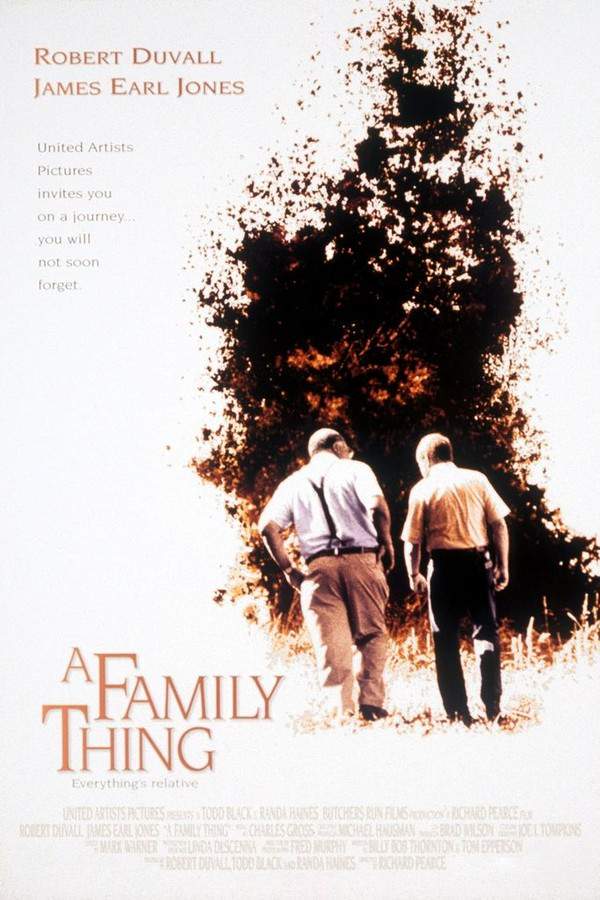
Movies about repairing family relationships through a project like The Village Album

Emotional journeys where strained relationships are mended by a common, meaningful purpose. For viewers who appreciated the emotional core of The Village Album, this thread collects movies where a shared mission helps heal family wounds. These are steady-paced, medium-intensity dramas about fathers and sons, or other relatives, who find understanding and connection not through conversation, but through collaborative action on a poignant task.

  • somber
  • melancholic
  • reflective
  • heartfelt
  • poignant
  • introspective
  • Tone: somber, reflective, bittersweet
  • Pacing: steady, character-driven
Why these movies?

The story pattern: The narrative pattern involves a protagonist (often a son or daughter) who is distant from a parent. An external event forces them to collaborate on a project that holds deep meaning for the family or community. Through the process of working together, often with little dialogue, they gain a new perspective on each other, leading to a quiet, emotionally resonant reconciliation.

Why they belong together: These films are grouped for their specific emotional mix: a somber or melancholic starting point that gives way to a hard-won, bittersweet connection. They share a steady, reflective pacing and a medium emotional weight, focusing on the redemption found in dedication and shared purpose rather than dramatic confrontations.

Categories

Movie Lists Featuring The Village Album

The Village Album appears in these hand-built movie categories. Each one groups movies by a specific mood, theme or story type, with their plot summaries and endings explained.

View all movie categories

Every angle

The Village Album (2004) Explained: Plot, Timeline & Characters

Everything about The Village Album in one place: what happens in the plot summary, the timeline in chronological order, the characters and meaning and a spoiler-free summary. What's After the Movie adds the cast, box office and post-credit scenes.

Coming soon on iOS and Android

The Plot Explained Movie Summary App

Plot summaries, endings explained and timelines on your phone. Catch up on any movie in minutes, save your favorites and never miss a twist again.

Be the first to know when we launch. Your email stays private, always.

Learn more about the app