

Plot Explained Spoilers guaranteed!
Plot Explained

Browse by genre

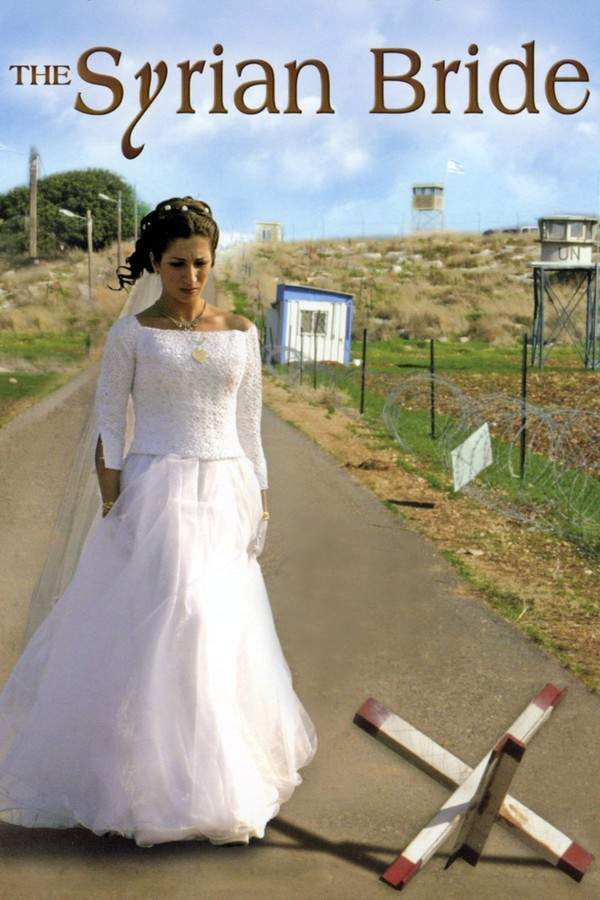
The Syrian Bride (2005) movie poster

Timeline

The Syrian Bride (2005) Timeline Explained – Every Event in Order

Release, runtime and language
2005 · 97 min · Arabic
Directed by
Eran Riklis

Mona, a Druze bride-to-be, faces a complex journey as she prepares to leave her Israeli village and begin a new life in Syria. Family expectations and deeply rooted cultural traditions intertwine with the backdrop of geopolitical tensions, creating a challenging path. As wedding preparations descend into chaotic moments, Mona's siblings return home, bringing with them a wave of memories tied to past migrations and complicated family dynamics. The story explores themes of identity, belonging, and the sacrifices made in the name of love.

On this page (6)
  1. 1 Where to watch
  2. 2 Events in order (14)
  3. 3 Timeline questions answered
  4. 4 Movie threads
  5. 5 Movies like The Syrian Bride
  6. 6 Every angle

Where to watch

Where to Watch The Syrian Bride (2005)

Where can you watch The Syrian Bride? Stream, rent or buy it in the US, including on Kanopy: current JustWatch availability with up-to-date prices.

Streaming availability powered by JustWatch

14 events in order · contains spoilers

The Syrian Bride Timeline: Events in Chronological Order

Every key event of The Syrian Bride (2005) in order, scene by scene, with when and where it takes place. Use it to untangle flashbacks, time jumps and parallel storylines, to refresh your memory before the sequel or to find the exact scene you are thinking of.

  1. Mona's Decision

    In the summer of 2000, Mona, a young Druze woman from Majdal Shams, faces a significant decision about her future. She is on the verge of marrying a well-known Syrian actor, but the uncertainty lingers as they remain strangers to each other.

    When
    Summer 2000
    Where
    Majdal Shams
  2. UN-Controlled Zone

    The backdrop of Mona’s life is the geopolitical tension resulting from hostilities between Israel and Syria. This situation has led to the establishment of a UN-controlled zone in the Golan Heights, complicating her journey to escape the troubled region.

    Where
    Golan Heights
  3. Permission to Leave

    Over the span of six months, Mona has worked tirelessly to secure permission from the Israeli administration to leave for Syria. This bureaucratic struggle amplifies her feelings of reluctance and highlights the urgency of her situation.

    When
    Six months prior to the wedding
  4. Hammed's Political Stance

    Mona's father, Hammed, a man with strong political beliefs, supports his daughter’s marriage as a way to reunify with Syria. Recently released on bail from an Israeli prison, Hammed commands respect among the village elders, who echo his sentiments.

    Where
    Majdal Shams
  5. Hattem's Return

    Tension rises in the family when news arrives that Hammed's son, Hattem, is coming back for Mona's wedding. Hattem's marriage to Evelyna, a Russian doctor, puts him at odds with the traditional expectations of the family.

    When
    Prior to the wedding
    Where
    Majdal Shams
  6. Amal's Struggles

    Mona's sister, Amal, grapples with her own dissatisfaction, trapped in an unhappy marriage. She defies community norms by wearing trousers and aspires to be a social worker, a position representing her fight for gender equality.

  7. Generational Conflict

    Amal makes a concerted effort to encourage her daughters to prioritize their education amidst societal pressures. This reflects Amal's determination to foster independence and challenge the restrictive customs imposed on women.

  8. Marwan's Contrast

    The family dynamic is highlighted by Marwan, Mona's second brother, whose reckless behavior and questionable lifestyle in Italy elicit little criticism. His lifestyle starkly contrasts with the scrutiny faced by Hattem due to his own choices.

    Where
    Italy
  9. Wedding Ceremony

    As Mona's wedding day unfolds, family and community gather to celebrate. However, this joyous occasion is fraught with complications that arise as Mona is escorted toward the border, unveiling bureaucratic hurdles.

    When
    Wedding Day
    Where
    Majdal Shams
  10. Bureaucratic Obstacles

    Unexpectedly, the Israeli government issues a new requirement that Golan residents' passports must be stamped to exit Israel. This decision is met with resistance as the Syrian authorities refuse to acknowledge such stamps.

    Where
    Golan Heights
  11. UN Mediation

    Jeanne, the UN liaison officer, steps in to mediate the situation between the warring parties. She works tirelessly to convince the Israeli official to rescind the stamp requirement in hopes of resolving the escalating tensions.

  12. Anxiety Builds

    As the wedding plans hang in the balance, anxiety fills the air. Complications arise from the Syrian side, contributing to a sense of urgency and uncertainty as everyone focuses on Mona's impending departure.

  13. Mona Takes Charge

    Determined to take control of her destiny, Mona makes a bold decision while standing at the border. She steps forward resolutely, showcasing her strength amid the chaos surrounding her wedding.

    Where
    Syrian Border
  14. Amal's Support

    As Mona takes her impactful step towards the border, her sister Amal conveys her support through her own act of defiance. Amal's character embodies hope, signifying the desire to break free from societal constraints and pursue individual dreams.

Last updated: November 15, 2024 at 15:49

Was this helpful?

Timeline questions answered

The Syrian Bride Timeline Explained: Your Questions Answered

When does it happen, and why in that order? The questions people ask about the chronology of The Syrian Bride (2005): time jumps, flashbacks, cause and effect between scenes and the correct order of events, each answered with spoilers.

Q1

Why can't Mona return to her family after crossing into Syria?

Once Mona crosses into Syria, she cannot return because the crossing represents a permanent relocation. The Druze community in Majdal Shams views her marriage to a Syrian man as her new life beginning in Syria, effectively making her part of the Syrian family and community. This is a cultural and social expectation, her departure is considered final, which is why her father Hammed sees it as a form of reunification with Syria while also accepting permanent separation from his daughter.

Foreshadowing: The summary mentions that the process to leave has taken six months, signaling the permanence of this decision.

  • druze customs
  • syria border
  • family separation
  • exile
  • golan heights
Q2

Why is Hattem ostracized for marrying a Russian woman when Marwan's behavior is tolerated?

Hattem faces ostracism because he married outside the Druze community to Evelyna, a Russian doctor. The Druze faith has strict endogamy rules, and marrying a non-Druze, especially a foreigner, is considered a betrayal of community identity. Marwan, despite his dubious dealings in Italy, is still within the community's acceptable boundaries because he hasn't broken religious or cultural marriage traditions. The elders' warning to Hammed about Hattem attending the wedding reflects how seriously the community views marriage outside the faith.

Foreshadowing: The elders warn Hammed that permitting Hattem to attend will result in his own ostracism, showing the community's strict enforcement of these rules.

  • druze endogamy
  • hattem
  • evelyna
  • community rules
  • marriage outside faith
Q3

Why does the Israeli passport stamp cause such a major conflict?

The Israeli government decides to stamp Golan residents' passports as proof of their exit from Israel. Syria interprets this stamp as Israeli acknowledgment of territorial claims over the Golan Heights, which Syria still considers part of Syria. Since the Golan region is disputed territory, the stamp becomes a political statement rather than just a bureaucratic procedure. Syria refuses to accept passports with this stamp, effectively blocking Mona's entry, creating a diplomatic standoff that threatens the entire wedding.

Foreshadowing: The backstory establishes that the Golan Heights is a UN-controlled zone resulting from Israel-Syria hostilities, indicating ongoing territorial tension.

  • passport stamp
  • golan heights
  • israel syria conflict
  • territorial dispute
  • diplomatic conflict
Q4

Why does Mona's father support her marriage knowing she'll be exiled from the family?

Hammed supports the marriage because his political beliefs prioritize reunification with Syria over keeping his daughter nearby. As someone recently released from an Israeli prison for his political stance, he sees Mona's marriage as a way to reconnect with Syria and his homeland. His strong pro-Syria convictions outweigh the personal cost of losing his daughter, and his respect among village elders suggests the community shares this perspective on national unity over family proximity.

Foreshadowing: Hammed's recent imprisonment for his political beliefs establishes his deep commitment to Syrian reunification.

  • hammed
  • father
  • syria
  • political beliefs
  • reunification
  • imprisonment
Q5

What does Amal wearing trousers represent in the Druze community?

Amal wearing trousers represents open defiance against conservative Druze customs that expect women to dress conservatively. In the traditionally patriarchal society, trousers are a visible symbol of her rejection of restrictive gender norms. This act reflects her broader dissatisfaction with her unhappy marriage and her desire for independence. Her aspiration to become a social worker further demonstrates her quest for autonomy and her commitment to challenging the limitations placed on women in her community.

Foreshadowing: Amal encourages her daughters to pursue education despite community pressures, showing her long-standing resistance to restrictive customs.

  • amal
  • trousers
  • gender equality
  • druze customs
  • independence
  • feminism
Q6

What role does the UN play in resolving the border conflict?

Jeanne, the UN liaison officer, serves as a mediator between Israeli and Syrian authorities over the passport stamp dispute. She works to convince the Israeli official who imposed the stamp requirement to rescind it, aiming to find a resolution that would allow Mona to cross into Syria. Her intervention represents the UN's peacekeeping role in the Golan Heights region, though the summary indicates complications arise from the Syrian side even as progress seems possible.

Foreshadowing: The timeline establishes the Golan Heights as a UN-controlled zone, providing context for Jeanne's authority to intervene.

  • jeanne
  • united nations
  • mediation
  • golan heights
  • passport dispute
  • diplomacy
Q7

Why does Mona decide to walk toward the Syrian border?

Mona takes this decisive action because the wedding faces postponement due to the passport stamp dispute, which is steeped in superstition about bad luck. Rather than waiting for the political situation to resolve or accepting a postponed wedding, Mona asserts control over her own destiny. Her act symbolizes personal agency, she chooses to move forward into her new life rather than remain stuck in limbo. This moment represents her transformation from a passive participant in arrangements made by others to someone actively shaping her future.

Foreshadowing: Earlier, Mona feels reluctance about marrying a stranger, making her ultimate decisive act a powerful character revelation.

  • mona
  • border
  • syria
  • decision
  • agency
  • independence
  • wedding
Q8

Why is postponing the wedding considered so problematic?

Postponing the wedding is described as being steeped in superstition, suggesting that in Druze tradition, a delayed or cancelled wedding brings bad luck or is seen as a bad omen. The exact nature of the superstition isn't detailed, but it carries enough cultural weight that Mona perceives it as a serious enough threat to take matters into her own hands rather than wait for the bureaucratic resolution. This superstition adds pressure on top of the political complications, contributing to Mona's decision to act decisively.

Foreshadowing: The superstition provides the catalyst for Mona's bold move, indicating cultural beliefs add complexity to an already tense situation.

  • wedding
  • postponement
  • superstition
  • druze traditions
  • bad luck
  • omen
Q9

How do Druze marriage customs affect the family's dynamics?

Druze marriage customs create significant family tension because the community enforces strict endogamy, marrying within the faith. Hattem's marriage to Evelyna, a Russian Christian, violates these customs and results in his ostracism. Meanwhile, the family's acceptance of Marwan's behavior despite its moral questionable nature shows that breaking social norms within the faith is far less severe than marrying outside it. These customs also explain why Mona's marriage to a Syrian actor is culturally significant, it maintains community ties while also representing her permanent departure.

Foreshadowing: The contrast between how Hattem and Marwan are treated highlights the primacy of religious marriage rules over general moral behavior.

  • druze marriage
  • endogamy
  • community rules
  • family dynamics
  • religious traditions
Q10

Why does Mona agree to marry someone she's never met?

Mona feels reluctant about marrying a stranger, but cultural and family expectations override her personal feelings. As a Druze woman, her marriage is arranged within the community, and the union serves larger purposes, in this case, political reunification with Syria through her father's perspective. The six-month process of securing exit permission indicates her family's determination to see this marriage happen. Despite her personal reservations, the weight of family, community, and political expectations compels her acceptance.

Foreshadowing: Her initial reluctance establishes her character arc toward the decisive action at the border.

  • arranged marriage
  • druze tradition
  • stranger husband
  • family expectations
  • cultural norms

Movie threads

More Movies Like The Syrian Bride, by Mood & Story

Curated lists built around what makes The Syrian Bride tick: the same mood, the same kind of story or the same emotional payoff. Each list explains why these movies belong together.

Political Family Wedding Dramas like The Syrian Bride

Where a family celebration is overshadowed by geopolitical tensions and tradition. If you liked The Syrian Bride, explore more movies where personal life events like weddings intersect with intense geopolitical conflict. These dramas show how family celebrations become stages for larger dramas of identity, sacrifice, and belonging under political pressure.

  • tense
  • familial
  • anxious
  • hopeful
  • defiant
  • cultural
  • Tone: bittersweet, tense
  • Pacing: steady, day-in-the-life
Why these movies?

The story pattern: Narratives in this thread typically unfold over a single, significant day or event, using the wedding's rigid timeline to create mounting tension. Characters are forced to confront the collision of their personal desires with familial expectations and the impersonal machinery of political division, often leading to bittersweet outcomes.

Why they belong together: Movies are grouped here for their shared focus on the wedding-as-microcosm, blending medium-intensity family drama with the steady, frustrating pacing of navigating political borders. They consistently evoke a tense, anxious, yet hopeful mood.


Movies About Identity and Sacrifice like The Syrian Bride

Personal quests for belonging that come with a permanent, bittersweet cost. Find movies similar to The Syrian Bride that explore themes of identity and the painful sacrifices made for love or freedom. These character-driven dramas often have a bittersweet tone and examine the personal cost of crossing cultural or political divides.

  • bittersweet
  • reflective
  • resigned
  • hopeful
  • defiant
  • identity
  • Tone: bittersweet, reflective
  • Pacing: steady, character-driven
Why these movies?

The story pattern: The narrative pattern follows a protagonist who must choose between their current life and a new, uncertain future. This choice is never simple, involving the sacrifice of family, home, or a part of their identity. The story builds steadily towards a decisive act that is both a victory and a source of enduring loss.

Why they belong together: These films share a bittersweet emotional core, a medium emotional weight, and a focus on the internal conflict of characters navigating belonging. They deliver a reflective, resigned mood, where hope is tempered by the reality of irreversible consequences.

If you liked this

Movies Like The Syrian Bride

Similar movies to The Syrian Bride: the same genre, themes or kind of story. Each one comes with its own plot summary, timeline and ending explained.

Browse all movie summaries

Every angle

The Syrian Bride (2005) Explained: Plot, Timeline & Characters

Everything about The Syrian Bride in one place: what happens in the plot summary, the timeline in chronological order, the characters and meaning and a spoiler-free summary. What's After the Movie adds the cast, box office and post-credit scenes.

Coming soon on iOS and Android

The Plot Explained Movie Summary App

Plot summaries, endings explained and timelines on your phone. Catch up on any movie in minutes, save your favorites and never miss a twist again.

Be the first to know when we launch. Your email stays private, always.

Learn more about the app