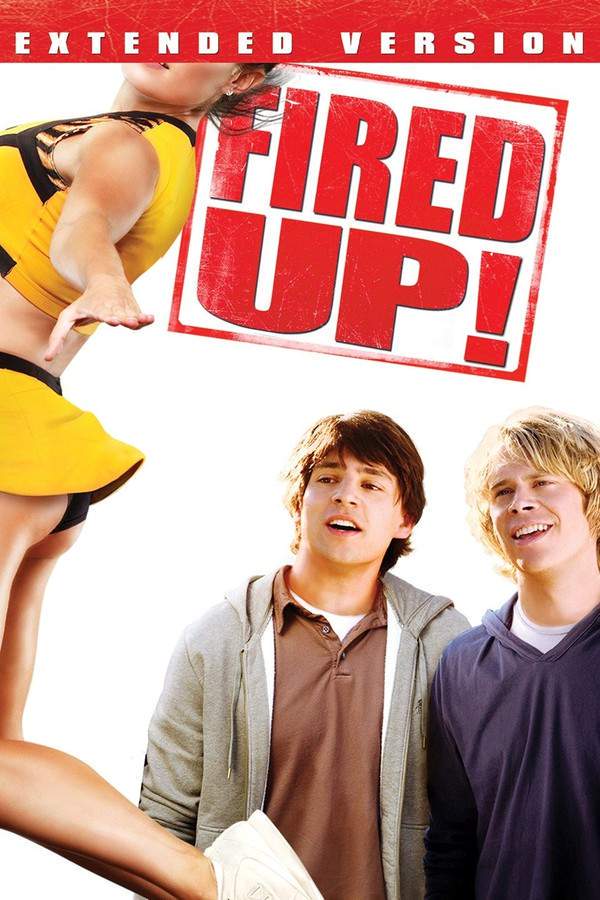
Kate Jo Johnston infiltrates the Mesa University cheerleading squad to write an exposé about how the world views cheerleading, a covert mission kept quiet by everyone except her boyfriend Ron Ian Sander. The undercover project threads through the team, setting the stage for a web of personal tensions that mirror the campus’s larger power plays and anxieties.
The squad’s private dramas unfold alongside the bigger story of the sport itself. Mary Ann [Colleen Camp] grapples with getting her promiscuous football-player boyfriend Buck Ron Hajak to propose, while Lisa [Rosanne Katon] wrestles with an affair with statistics teacher Professor Thorpe [Jason Sommers], and Andrea [Cheryl Smith] debates whether virginity is a personal choice or a public expectation. These interlocking affairs and ambitions reveal a group where romance, ambition, and loyalty collide with the pressures of competition and scrutiny.
Kate’s professional mission collides with her personal life when she begins an affair with Buck, prompting a confrontation with her own boyfriend Ron Ian Sander and a breakup that unsettles the squad’s fragile balance. The rift intensifies as Kate pushes Andrea to have a one-night stand with a stranger, and Andrea ends up sleeping with Kate’s ex, Ron, a choice that draws in more tensions as Ron is drawn into the ensuing awkward dynamics and forced encounters.
Amid this tangle of relationships, Kate uncovers a troubling pattern of corruption behind the scenes. The football coach Turner [Jack Denton] and the college dean Putnam [George D. Wallace] are reputedly rigging games to favor betting spreads, with Professor Thorpe [Jason Sommers] acting as the bookie who orchestrates these schemes. The revelation exposes a powerful, entangled scheme that pits institutional authority against the students’ attempts to tell their own stories, and the tension rises as the edges of loyalty and truth blur.
When the truth comes to a head, the quarterback refuses to throw the game, resisting the manipulation and finding himself targeted by university police who plant a marijuana joint on him. The sequence underscores the film’s willingness to challenge authority and to put pressure on how love, desire, and integrity are defined within the pressures of sport, sex, and power.
In the end, the story leans toward defiance of authority and a critique of conventional ideals, inviting viewers to question the expectations placed on women, the meaning of relationships, and the price of truth. The film frames rebellion not as reckless defiance but as a necessary stance against a system that punishes truth-tellers, leaving the audience with a provocative and uneasy reflection on what it means to choose independence, integrity, and agency.