In the sleek, historic halls of Stockholm’s former Royal Palace turned contemporary museum, the world of high‑brow culture collides with the restless pulse of everyday life. The institution, a beacon of artistic ambition, is guided by a curator whose reputation for polished precision has become as much a part of the museum’s identity as the masterpieces it houses. Beneath the marble façades, a subtle tension brews: the careful choreography of exhibitions, press releases, and public expectations is constantly threatened by the unpredictable currents of modern discourse.
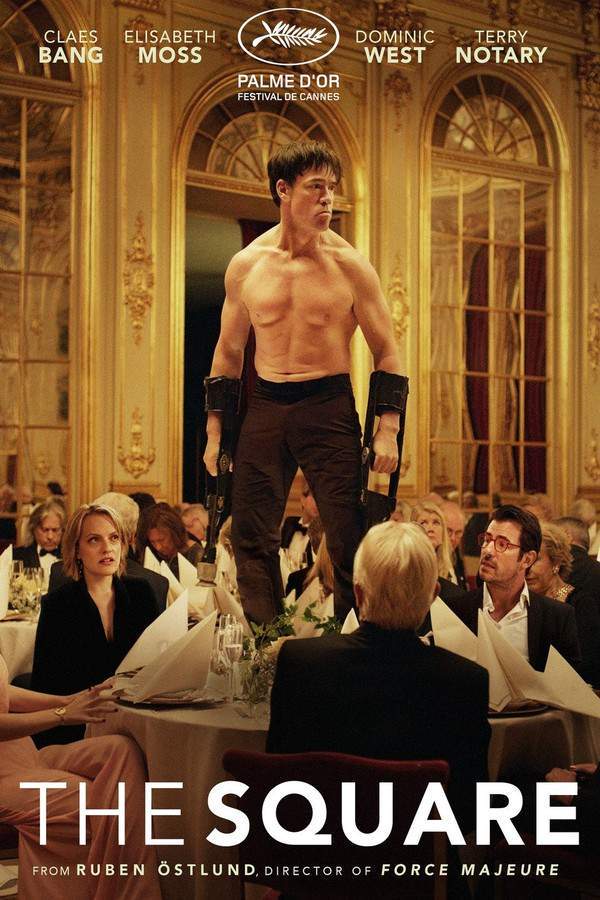
Christian navigates this delicate balance with a mix of confidence and quiet anxiety. His dedication to presenting art as a catalyst for reflection is matched by an increasingly visible role in the public eye, where every interview and social media post feels like a performance. The museum’s newest exhibition, centered on a piece called “The Square,” promises a sanctuary of trust and equal responsibility, yet the very notion of translating such an ideal into a shared experience invites scrutiny. As the cultural landscape shifts, the curator finds himself caught between the pristine intentions of his curatorial vision and the messy realities of how those ideas are received.
Across the polished corridors, Anne, a journalist whose curiosity is as sharp as her pen, probes the subtleties of the museum’s language, while Michael, the diligent assistant, keeps the machinery running with calm efficiency. Their interactions hint at underlying personal currents that echo the broader institutional pressures, suggesting that the line between professional duty and private desire can be as fragile as a glass sculpture. The trio’s dynamic adds depth to a setting where art and life constantly mirror each other, each reflecting and refracting the other’s motives.
When a minor misstep triggers a ripple that spreads far beyond the museum’s walls, the carefully constructed equilibrium begins to wobble. A provocative social‑media campaign, intended to spark conversation, erupts into a heated debate about artistic responsibility, the power of intention versus impact, and the complexities of navigating ethics in an age of relentless scrutiny. The film’s tone—sharp, introspective, and tinged with a dry humor—captures the uneasy gap between what is meant and what is felt, inviting viewers to consider how even the most well‑meaning gestures can become points of contention in a world that watches and judges with unflinching focus.