
The Rise and Rise of Michael Rimmer
Year: 1970
Runtime: 94 mins
Language: English
Director: Kevin Billington
Fresh‑faced Michael Rimmer infiltrates an opinion‑polling firm, soon taking charge and turning the data into a springboard for a political career. In the flamboyant, mini‑skirt‑clad, flared‑trouser world of 1970s Britain, his cunning manipulation of public opinion propels him rapidly up the Conservative Party hierarchy.
Warning: spoilers below!
Haven’t seen The Rise and Rise of Michael Rimmer yet? This summary contains major spoilers. Bookmark the page, watch the movie, and come back for the full breakdown. If you're ready, scroll on and relive the story!
Timeline – The Rise and Rise of Michael Rimmer (1970)
Trace every key event in The Rise and Rise of Michael Rimmer (1970) with our detailed, chronological timeline. Perfect for unpacking nonlinear stories, spotting hidden connections, and understanding how each scene builds toward the film’s climax. Whether you're revisiting or decoding for the first time, this timeline gives you the full picture.
Last updated: October 09, 2025 at 09:23
The Rise and Rise of Michael Rimmer (1970) Timeline Questions Answered – Chronology FAQ
Find frequently asked questions about the The Rise and Rise of Michael Rimmer (1970) timeline, including chronological order, nonlinear jumps, cause-and-effect links, and scene sequence clarifications. This timeline FAQ helps explain when key events happen, how moments connect, and why the story unfolds in that specific order.
Why does Michael Rimmer arrive at the advertising agency?
Rimmer appears at the small, ailing advertising agency under the pretense of conducting a time-and-motion study. The staff initially assumes he is there for routine business analysis. However, his real intention is to take control of the operation and use it as a stepping stone to larger ambitions. This establishes his pattern of infiltrating institutions and seizing power from within.
How does Rimmer move from advertising to politics?
After transforming the advertising firm into Britain's leading polling agency and becoming a regular television personality as a polling expert, Rimmer leverages his media presence to enter politics. He becomes an adviser to Tom Hutchinson, the leader of the Conservative Party opposition. His background in manipulating public opinion through polling data translates directly into political strategy.
His TV appearances as a polling expert had already positioned him as a voice of public sentiment.
Why does Rimmer arrange the anti-immigration speech?
Rimmer engineers Shadow Home Secretary Sir Eric Bentley to deliver an inflammatory anti-immigration speech as a calculated political maneuver. The speech gives Hutchinson a pretext to fire Bentley, removing a rival. More importantly, it allows the Conservative Party to appear opposed to immigration without committing to actual policy, demonstrating Rimmer's talent for manipulating events behind the scenes while maintaining plausible deniability.
How does Rimmer become an MP for Budleigh Moor?
After orchestrating Bentley's removal through the controversial speech, Rimmer seizes the now-vacant Budleigh Moor parliamentary seat. This marks his transition from political manipulator behind the scenes to elected official, accelerating his ascent through the Conservative Party hierarchy.
The seat became available precisely because Rimmer had Bentley removed.
Why does Rimmer acquire a trophy wife during his rise?
Rimmer acquires a trophy wife as he climbs the political ladder, using the marriage to elevate his social standing among the political elite. The marriage represents the personal costs and transactional nature of his ascent, showing how he leverages relationships for political gain rather than genuine connection.
How does Rimmer become Prime Minister?
Rimmer rises to Prime Minister through a combination of ruthless maneuvering and extreme violence. After propelling himself to the highest echelons of the Conservative Party, he eliminates his predecessor by throwing him off an oil rig. This dramatic act of political murder cements his path to 10 Downing Street and demonstrates his willingness to use deadly force to achieve power.
Why does Rimmer implement so many referendums?
Once Prime Minister, Rimmer launches an experiment in direct democracy, conducting endless referendums on everything from trivial matters to complex policy issues. He uses postal ballots and televoting to flood the public with votes. This approach is ultimately a power grab disguised as empowerment, designed to overwhelm the public so they become too fatigued to resist his final consolidation of authority.
What causes voter apathy and protests in the film?
The constant barrage of referendums overwhelms the British public, creating widespread referendum fatigue. Citizens grow weary of endless voting on both trivial and serious matters. This exhaustion sparks mass protests against Rimmer's reforms, as people recognize the manipulation underlying the supposed democratic experiment. The paradox is that the more democracy Rimmer offers, the less engaged the public becomes.
Why does the final referendum granting dictatorial powers pass?
The final referendum, which would grant Rimmer dictatorial powers to 'streamline government,' passes because the public is exhausted by the relentless cycle of voting. Having been bombarded with countless referendums, voters simply approve the proposal to end the cycle. This apathy allows Rimmer to achieve his ultimate goal of unchecked power through democratic means, exposing the fragility of democratic systems when manipulated by spectacle.
What happens to Ferret at the end of the film?
Ferret, the former boss of the advertising agency whom Rimmer eclipsed, attempts to assassinate Rimmer during a parade through the capital in an open-topped car. The assassination attempt fails, and Ferret falls to his death. His death serves as a tragic reminder of the personal casualties of Rimmer's ruthless ascent to power.
How does Rimmer manipulate public opinion throughout the film?
Rimmer leverages his polling expertise to understand and then engineer public sentiment. He uses television appearances to build credibility, engineers political events like Bentley's speech to create calculated outcomes, and ultimately overwhelms the public with referendums to breed apathy. His entire career is built on manipulating what people think they believe rather than representing genuine policy positions.
His background in polling gave him unique insight into manipulating public sentiment.
Why does the public accept Rimmer's dictatorial rule?
The public accepts Rimmer's grab for total power because they have been worn down by the constant referendums and are desperate for relief from the endless voting cycle. Rather than carefully considering the implications, they vote yes to end the process. This reflects the film's satirical commentary on how democratic societies can be manipulated into surrendering freedoms through fatigue and spectacle rather than overt force.

Explore Movie Threads
Discover curated groups of movies connected by mood, themes, and story style. Browse collections built around emotion, atmosphere, and narrative focus to easily find films that match what you feel like watching right now.
Movies with Villain Protagonists like in The Rise and Rise of Michael Rimmer
Stories that follow the terrifyingly smooth rise of a manipulative anti-hero.If you liked watching Michael Rimmer's ruthless ascent, explore other movies like this that follow chillingly efficient villain protagonists. These films feature charismatic anti-heroes who manipulate their way to the top in darkly satirical political dramas and corporate thrillers, creating a similar feeling of cynical dread.

The Villainess
2017

Sexy Evil Genius
2013

The Evil That Men Do
1984
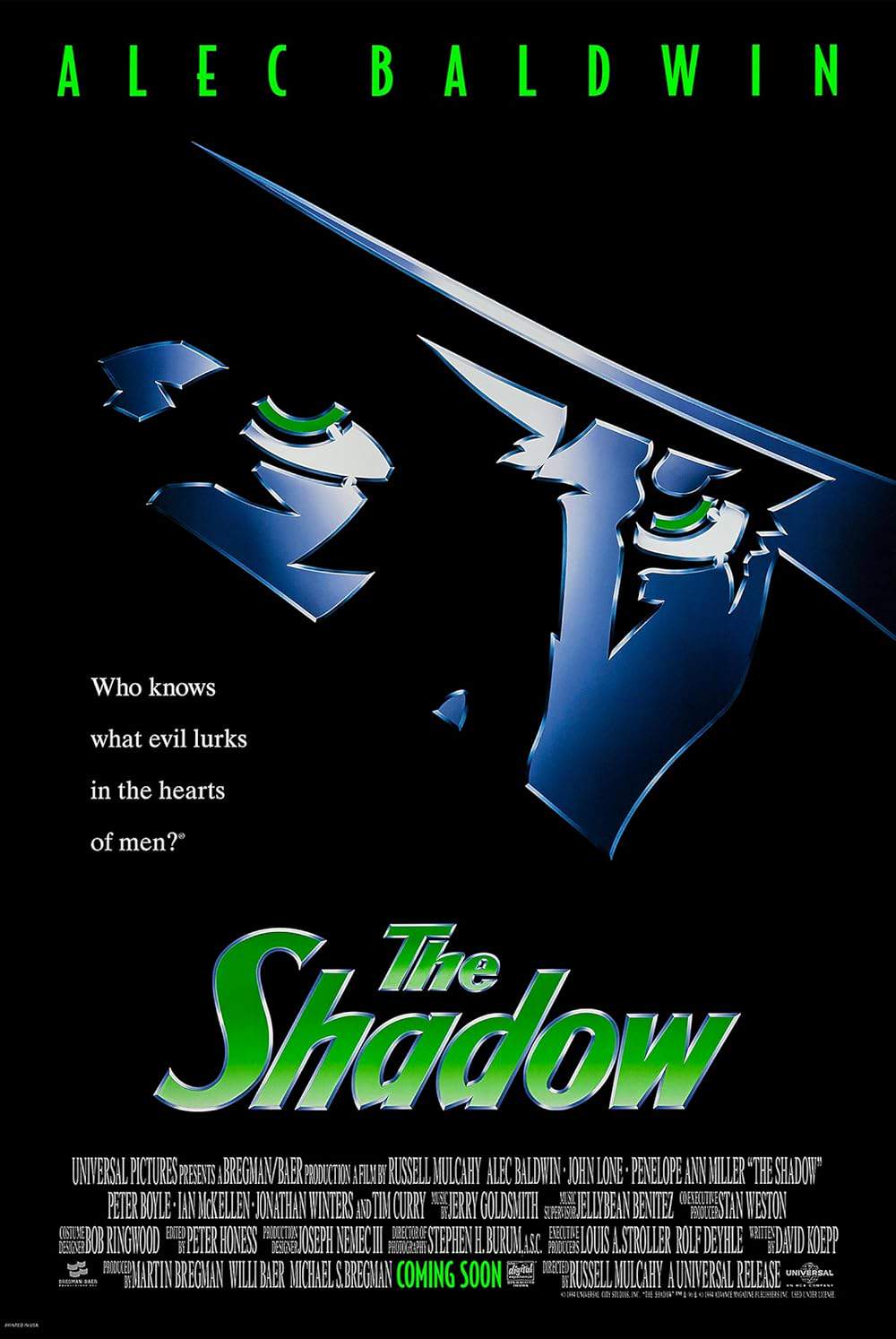
The Shadow
1994

The Gangster, the Cop, the Devil
2019

Darkman
1990

The Perfect Dictatorship
2014

711 Ocean Drive
1950
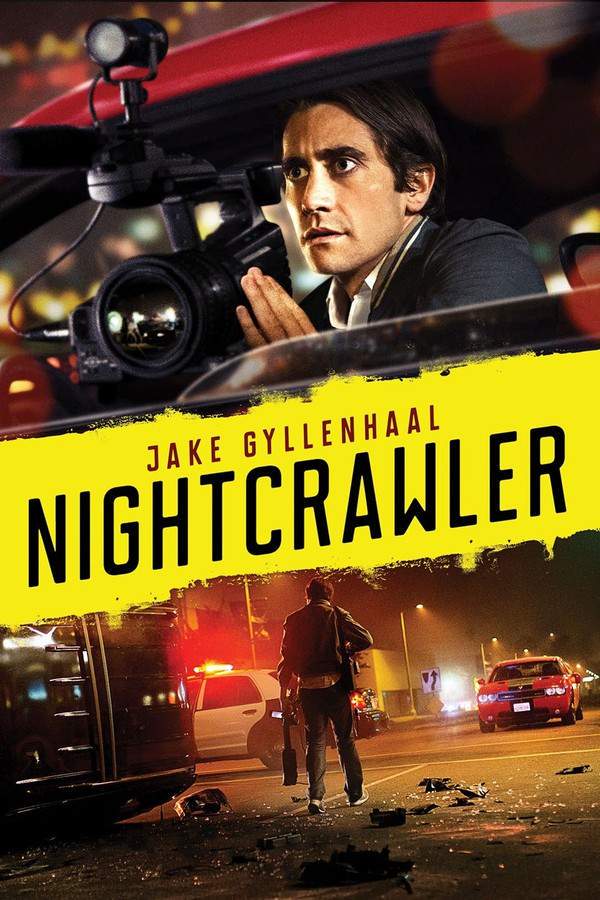
Nightcrawler
2014
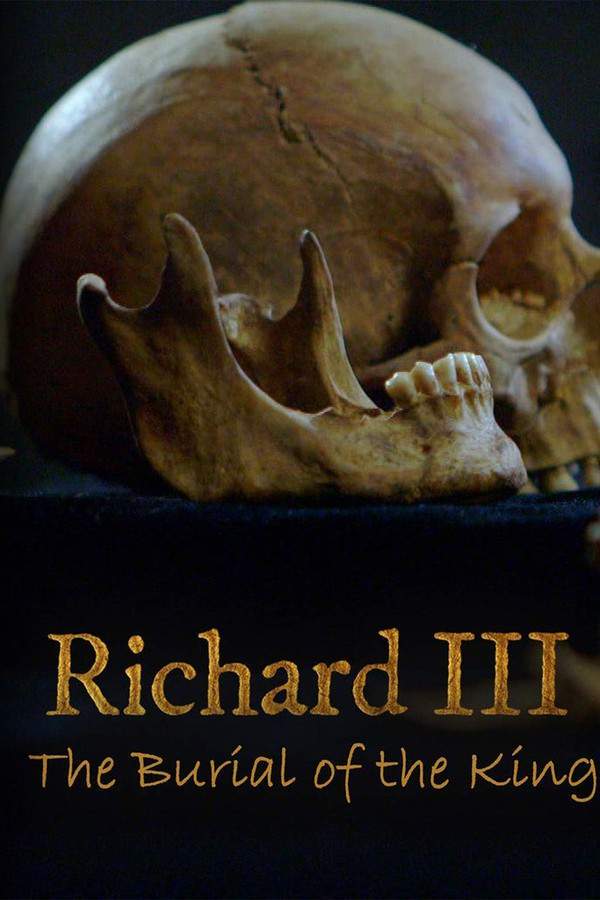
Richard III
1995

Havoc
2025

Game Changer
2025

The Protégé
2021

Ek Villain Returns
2022
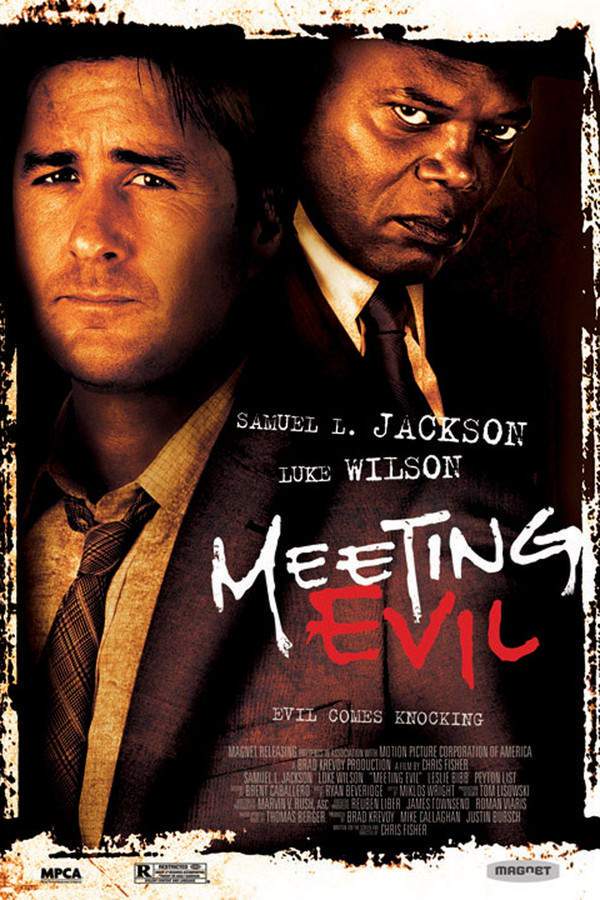
Meeting Evil
2012
Narrative Summary
The narrative follows a protagonist—often lacking traditional morals—as they exploit flaws in a system (corporate, political, societal) to achieve immense power. The plot is driven by their clever, calculated moves, with secondary characters serving as pawns or obstacles. The journey is less about internal conflict and more about the terrifying effectiveness of their external strategy.
Why These Movies?
These films are grouped by their shared focus on a specific type of protagonist whose success is the primary driver of the plot. They create a unique vibe of intellectual horror, where the viewer is compelled by the protagonist's cunning while being repulsed by their amorality, all wrapped in a fast-paced, darkly satirical tone.
Political Satire Thrillers like The Rise and Rise of Michael Rimmer
Witty and bleak stories where media and political systems are dismantled from within.Fans of The Rise and Rise of Michael Rimmer will enjoy this selection of similar political satire thrillers. Discover movies like this one that explore the darkly comic and chilling collapse of democratic systems through media manipulation and ambition, all with a fast pace and bleak ending.
The Rise and Rise of Michael Rimmer
1970
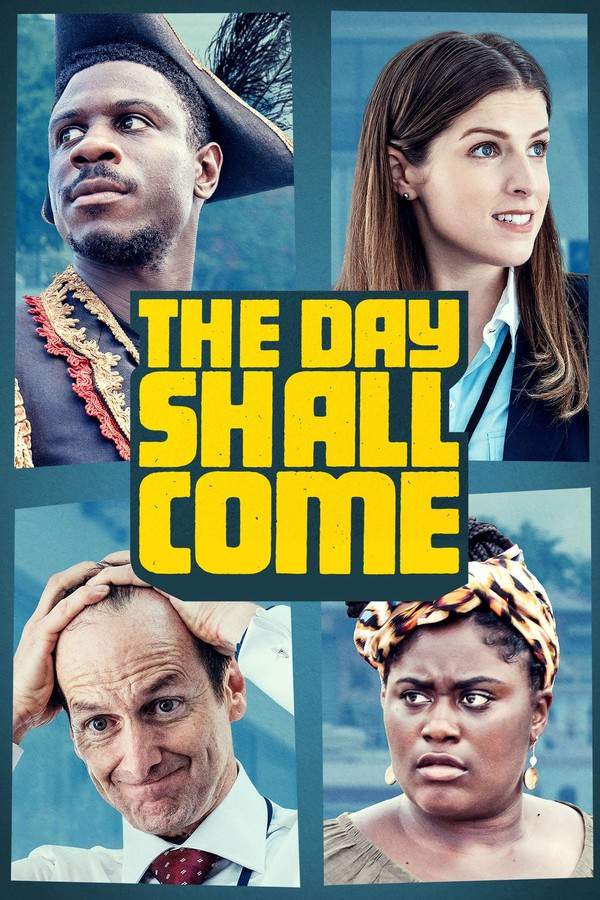
The Day Shall Come
2019

Rotting in the Sun
2023
The Perfect Dictatorship
2014

The Last Supper
1995
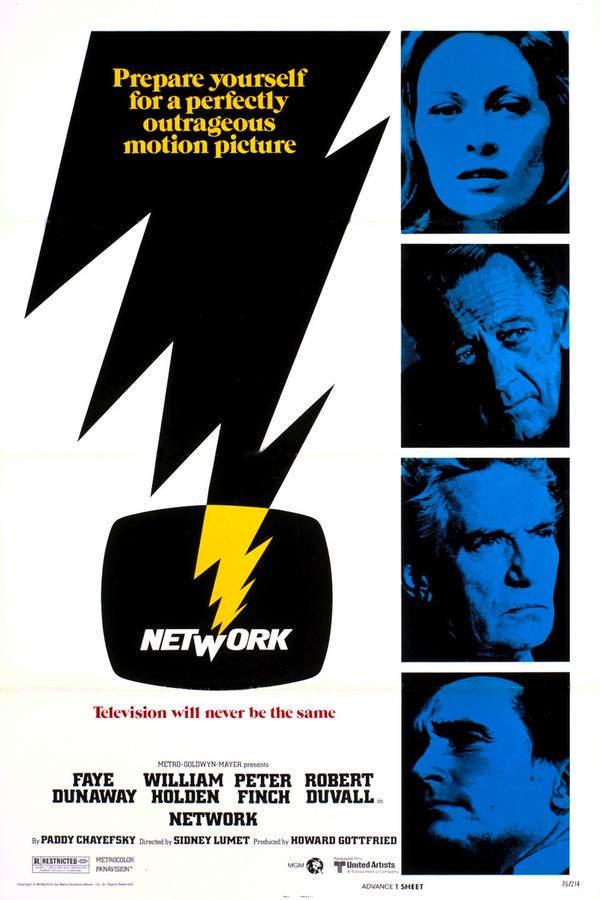
Network
1976

Dangerous to Know
2020

Don't Look Up
2021

The President's Last Bang
2005

I Am the End of the World
2025

Collective
2019

Britannia Hospital
1982
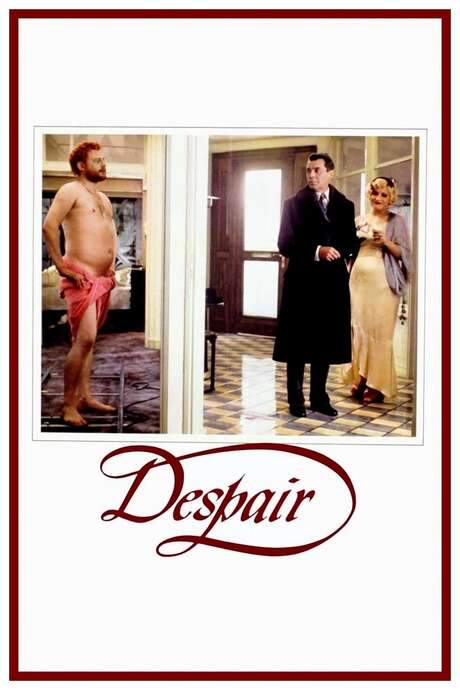
Despair
1978

Christie Malry’s Own Double-Entry
2000

Burn After Reading
2008
Narrative Summary
The narrative pattern involves an outsider or insider who identifies a weakness in a major institution (politics, media, corporations) and weaponizes it, often using data or propaganda. The story unfolds as a rapid, cause-and-effect chain of manipulation, showing the institution crumbling under the weight of its own flaws, culminating in a pyrrhic or outright bleak victory for the manipulator.
Why These Movies?
These movies share a specific blend of tone and theme: the use of satire and thriller mechanics to explore serious themes of power and corruption. The cohesion comes from the consistent feeling of watching a horrifyingly logical process play out, where wit and dread are intertwined.
Unlock the Full Story of The Rise and Rise of Michael Rimmer
Don't stop at just watching - explore The Rise and Rise of Michael Rimmer in full detail. From the complete plot summary and scene-by-scene timeline to character breakdowns, thematic analysis, and a deep dive into the ending - every page helps you truly understand what The Rise and Rise of Michael Rimmer is all about. Plus, discover what's next after the movie.
The Rise and Rise of Michael Rimmer Summary
Read a complete plot summary of The Rise and Rise of Michael Rimmer, including all key story points, character arcs, and turning points. This in-depth recap is ideal for understanding the narrative structure or reviewing what happened in the movie.

Characters, Settings & Themes in The Rise and Rise of Michael Rimmer
Discover the characters, locations, and core themes that shape The Rise and Rise of Michael Rimmer. Get insights into symbolic elements, setting significance, and deeper narrative meaning - ideal for thematic analysis and movie breakdowns.


Similar Movies to The Rise and Rise of Michael Rimmer
Discover movies like The Rise and Rise of Michael Rimmer that share similar genres, themes, and storytelling elements. Whether you’re drawn to the atmosphere, character arcs, or plot structure, these curated recommendations will help you explore more films you’ll love.
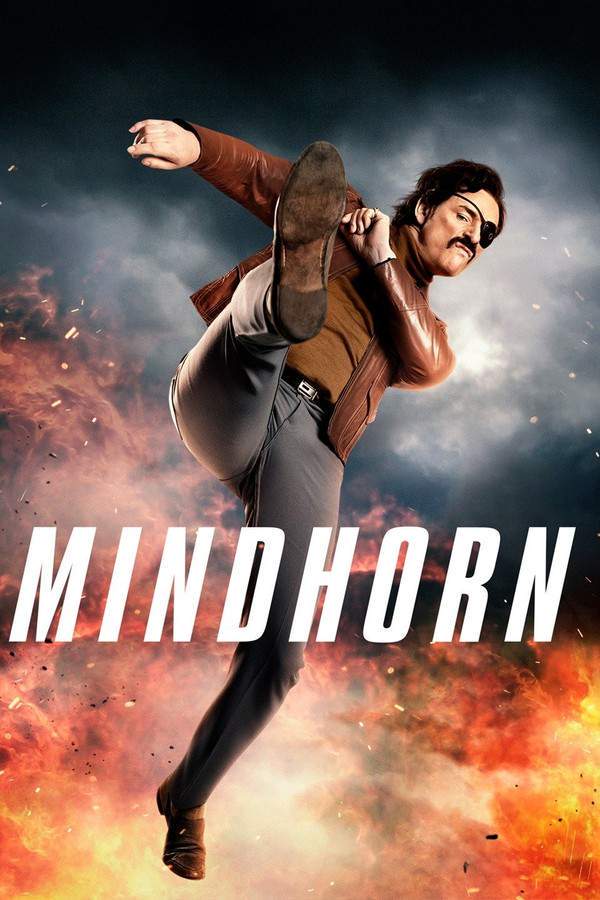
Mindhorn
2017

Rag Tale
2005

Michael and Madonna
1990

Rising Damp
1980

Imps*
1983

Personal Services
1987

Confessions of a Pop Performer
1975

Maytime in Mayfair
1949

Rik Mayall Presents: Micky Love
1993

Here We Go Round the Mulberry Bush
1968

Rosie Dixon - Night Nurse
1978

He Snoops to Conquer
1944

Sex, Lies & Politics
1997

Man of the Moment
1955

Preaching to the Perverted
1997
Explore More About Movie The Rise and Rise of Michael Rimmer
The Rise and Rise of Michael Rimmer (1970) Plot Summary & Movie Recap
The Rise and Rise of Michael Rimmer (1970) Scene-by-Scene Movie Timeline
The Rise and Rise of Michael Rimmer (1970) Spoiler-Free Summary & Key Flow
Movies Like The Rise and Rise of Michael Rimmer – Similar Titles You’ll Enjoy
Mindhorn (2017) Movie Recap & Themes
Rag Tale (2005) Full Movie Breakdown
Michael and Madonna (1990) Full Summary & Key Details
Rising Damp (1980) Story Summary & Characters
Imps* (1983) Complete Plot Breakdown
Personal Services (1987) Ending Explained & Film Insights
Confessions of a Pop Performer (1975) Story Summary & Characters
Maytime in Mayfair (1949) Movie Recap & Themes
Rik Mayall Presents: Micky Love (1993) Detailed Story Recap
Here We Go Round the Mulberry Bush (1968) Spoiler-Packed Plot Recap
Rosie Dixon - Night Nurse (1978) Full Movie Breakdown
He Snoops to Conquer (1944) Story Summary & Characters
Sex, Lies & Politics (1997) Film Overview & Timeline
Man of the Moment (1955) Film Overview & Timeline
Preaching to the Perverted (1997) Detailed Story Recap