





Plot Explained Spoilers guaranteed!
Plot Explained

Browse by genre

The Rider (2018) movie poster

Plot Summary

The Rider (2018) Plot Summary Explained

Release, runtime and language
2018 · 104 min · English
Echo score 80
Directed by
Chloé Zhao
Starring
Brady Jandreau, Cat Clifford, Derrick Janis, Greg Barber, James Calhoon, Lane Scott

Following a career-ending rodeo accident that leaves him with a severe head injury, a former star searches for a new direction on the Pine Ridge Reservation. As he attempts to redefine himself, Brady’s journey becomes a moving exploration of identity, masculinity, and the possibility of redemption in a rural South Dakota landscape.

On this page (6)
  1. 1 Where to watch
  2. 2 What happens: full plot
  3. 3 Plot questions answered
  4. 4 Movie threads
  5. 5 Movies like The Rider
  6. 6 Every angle

Where to watch

Where to Watch The Rider (2018)

Where can you watch The Rider? Stream, rent or buy it in the US, including on Amazon Video, Apple TV Store and Fandango At Home: current JustWatch availability with up-to-date prices.

Streaming availability powered by JustWatch

Full plot summary · contains spoilers

What Happens in The Rider: Full Plot Summary

The whole story of The Rider (2018) explained, from the opening scene to the final frame: every key event, every twist and what it all adds up to. Read it as a quick recap before the sequel, to check a scene you missed, or to finally understand what really happened.

All of the characters portrayed in this narrative hail from the Lakota Sioux community located on the Pine Ridge Reservation in South Dakota. The story revolves around Brady Blackburn, played by Brady Jandreau, who struggles with impoverished living conditions alongside his father, Wayne (Tim Jandreau), and his autistic teenage sister, Lilly (Lilly Jandreau). Once celebrated as a promising rodeo star, Brady's life takes a drastic turn after a severe rodeo accident leaves him with brain damage. This injury not only weakens his right hand but also makes him susceptible to seizures, with doctors cautioning that continuing to ride would only exacerbate his condition.

Brady frequently visits his friend Lane (Lane Scott), who is currently residing in a care facility due to a similar brain injury incurred from a rodeo mishap. Meanwhile, Brady’s father neglects his responsibilities, squandering their money on drinking and gambling. In a particularly distressing moment, Wayne sells their beloved horse, Gus, to finance their trailer, causing Brady great anguish.

In a bid to support his family, Brady takes on a job at a local grocery store. He also earns extra income by breaking horses. With his hard-earned savings, Brady hopes to invest in another horse, a fiery creature named Apollo. However, his father surprises him by purchasing the horse instead. As Brady forms a connection with Apollo, reminiscent of the bond he shared with Gus, he finds solace in riding once more. Yet, his relentless pursuit leads to a near-fatal seizure, prompting doctors to warn him that riding any further could result in dire consequences.

On returning home, Brady is devastated to discover that his new horse has had an accident that renders it permanently unable to be ridden. Unable to bear the thought of putting down his own horse, he must reluctantly ask his father to handle the heartbreaking decision. In a heated exchange with Wayne, Brady resolves to participate in an upcoming rodeo competition, disregarding his doctors' stern warnings.

At the competition, as he prepares to ride, he catches sight of his family in the audience. Overwhelmed by conflicting emotions, he ultimately makes the significant decision to step back from the competition and turn away from a life tethered to rodeo riding — a poignant moment of self-realization in his challenging journey.

Last updated: November 16, 2024 at 18:20

Was this helpful?

Plot questions answered

The Rider Plot Explained: Your Questions Answered

The questions people ask most about The Rider (2018): what happens in the confusing scenes, why the characters do what they do, the twists, hidden details and what the ending means. Each answer contains spoilers.

Q1

Why does Brady keep visiting Lane at the care facility?

Brady visits Lane because they share a similar fate, both suffered severe brain injuries from rodeo accidents. Lane is completely institutionalized and cannot communicate well, but Brady feels a deep connection to him as someone who understands the painful reality of having their rodeo dreams destroyed. Their friendship represents Brady's own potential future and serves as a warning about what happens if he continues to ride.

Foreshadowing: Early scenes establish Lane's condition before Brady's own seizure, showing the viewer what awaits if Brady ignores his doctor's warnings.

  • lane scott
  • brain injury
  • rodeo accident
  • pine ridge reservation
  • friendship
Q2

Why does Brady's father sell their horse Gus?

Wayne sells Gus to pay for their trailer because he has been neglecting his responsibilities as a father, spending what little money they have on drinking and gambling. This act demonstrates Wayne's failure to provide for the family and his inability to cope with their poverty, leaving Brady to witness the loss of something he loves due to his father's irresponsibility.

Foreshadowing: Earlier scenes show Wayne drinking and disregarding family needs, setting up his decision to sell Gus as consistent with his behavior.

  • wayne blackburn
  • Gus
  • sold horse
  • poverty
  • trailer
  • family struggle
Q3

Why does Brady continue working with horses despite his brain injury?

Brady continues working with horses because riding and caring for them is central to his identity. After losing his career as a rodeo star, breaking horses gives him a way to stay connected to the only life he knows. It also provides income for his family and represents his refusal to accept that his riding days are completely over.

Foreshadowing: The film establishes early that Brady was a celebrated rodeo star, making his need to stay near horses understandable despite the danger.

  • horse breaking
  • brady job
  • rodeo identity
  • recovery
  • purpose
Q4

Why does Wayne buy Apollo without telling Brady?

Wayne purchases Apollo as an attempt to support his son and repair their fractured relationship. However, he does so without consulting Brady, reflecting his poor communication skills and tendency to make unilateral decisions. The surprise is meant to be thoughtful but ends up causing tension because Brady had been saving to buy the horse himself.

Foreshadowing: This mirrors earlier moments where Wayne tries to provide but does so in ways that hurt rather than help, like selling Gus.

  • apollo horse
  • wayne purchase
  • father son relationship
  • surprise gift
Q5

Why does Brady have a seizure while riding Apollo?

Brady has a seizure because his brain injury from the rodeo accident makes him susceptible to episodes, especially when under physical stress or emotional intensity. Doctors warned him that riding would worsen his condition, and the seizure occurs as his body literally cannot handle the strain of riding anymore, a direct consequence of ignoring medical advice.

Foreshadowing: The doctors explicitly warn Brady about seizure risks after his accident, establishing that riding triggers this danger.

  • seizure
  • brain injury
  • doctors warning
  • apollo
  • health deterioration
Q6

Why can't Apollo be ridden anymore after the accident?

Apollo suffers an accident that leaves him permanently unable to be ridden. While the film doesn't specify the exact nature of the injury, the result mirrors the loss of Gus and forces Brady to face the same painful decision, having to put down a horse he loves. This tragedy reinforces the cycle of loss in Brady's life.

Foreshadowing: The loss of Gus foreshadows this second horse tragedy, showing how horses keep being taken from Brady.

  • apollo injury
  • horse accident
  • put down horse
  • loss
Q7

Why does Brady decide to enter the rodeo competition despite his doctor's warnings?

Brady decides to enter the rodeo because he feels trapped between accepting his limitations and refusing to let his injury define him. After losing Apollo and in conflict with his father, he chooses to fight against his circumstances one last time. The rodeo represents everything he was, his identity, his purpose, his masculinity, and walking away feels like admitting complete failure.

Foreshadowing: Brady's earlier struggles with accepting his injury and his continued connection to horses build toward this desperate attempt to reclaim his past.

  • rodeo competition
  • doctors warning
  • defiance
  • identity crisis
  • masculinity
Q8

Why does Brady ultimately walk away from the rodeo at the last moment?

Brady walks away when he sees his family in the audience, his father and his autistic sister Lilly. This moment forces him to recognize that his pursuit of rodeo glory puts not just himself at risk, but also the people who depend on him. Choosing his family over his personal ambition represents his maturation and acceptance of a new identity beyond rodeo riding.

Foreshadowing: The film consistently shows Brady's responsibility toward his sister Lilly and his frustration with his father's absence, making family the key to his decision.

  • family
  • self-realization
  • walk away
  • acceptance
  • rodeo ending
Q9

Why is Brady so devastated when his father sells Gus?

Brady is devastated because Gus represents more than just a horse, he embodies the life Brady had before his accident and his connection to his identity as a rider. Losing Gus, combined with his father's betrayal, mirrors the loss of his rodeo career. The horse sale shows Brady that everything he values is being taken away by circumstances beyond his control.

Foreshadowing: The opening establishes Gus as Brady's trusted horse, creating an emotional attachment that makes the sale painfully significant.

  • gus sold
  • emotional loss
  • horse bond
  • father betrayal
Q10

Why does Brady confront his father about the decision regarding Apollo?

Brady confronts Wayne because he is frustrated by his father's pattern of making destructive decisions, first selling Gus, then handling Apollo's fate without consulting him. The confrontation represents Brady asserting himself and forcing his father to take responsibility. It also reveals the deeper tension in their relationship caused by Wayne's alcoholism and neglect.

Foreshadowing: Earlier scenes establish Wayne's irresponsibility with money and his tendency to avoid hard conversations, building to this boiling point.

  • father son conflict
  • wayne
  • apollo decision
  • confrontation
  • alcoholism

Movie threads

More Movies Like The Rider, by Mood & Story

Curated lists built around what makes The Rider tick: the same mood, the same kind of story or the same emotional payoff. Each list explains why these movies belong together.

Movies about identity and loss like The Rider

Intimate portraits of rebuilding a life after a core part of yourself is taken away. Explore more movies like The Rider, where characters face a deep identity crisis after a life-changing event. These films are intimate character studies about loss of purpose, finding new meaning, and the quiet resilience required to rebuild a life.

  • melancholic
  • reflective
  • resilient
  • somber
  • atmospheric
  • introspective
  • Tone: melancholic, reflective
  • Pacing: slow, deliberate
Why these movies?

The story pattern: The narrative typically follows a linear, character-driven path where the protagonist, stripped of a defining passion or ability, must confront their new reality. The conflict is often internal, pitting past dreams against present limitations, culminating in a bittersweet acceptance that acknowledges both loss and the possibility of a new, different future.

Why they belong together: Movies are grouped here for their shared focus on a melancholic, introspective mood, a slow, deliberate pacing that allows for deep emotional immersion, and a central thematic exploration of identity fractured by loss and cautiously rebuilt through resilience.
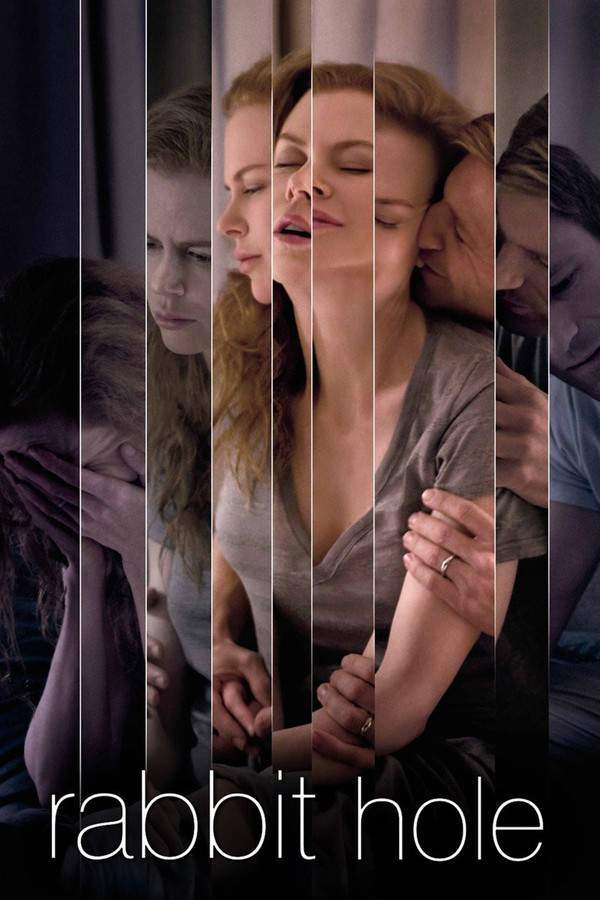
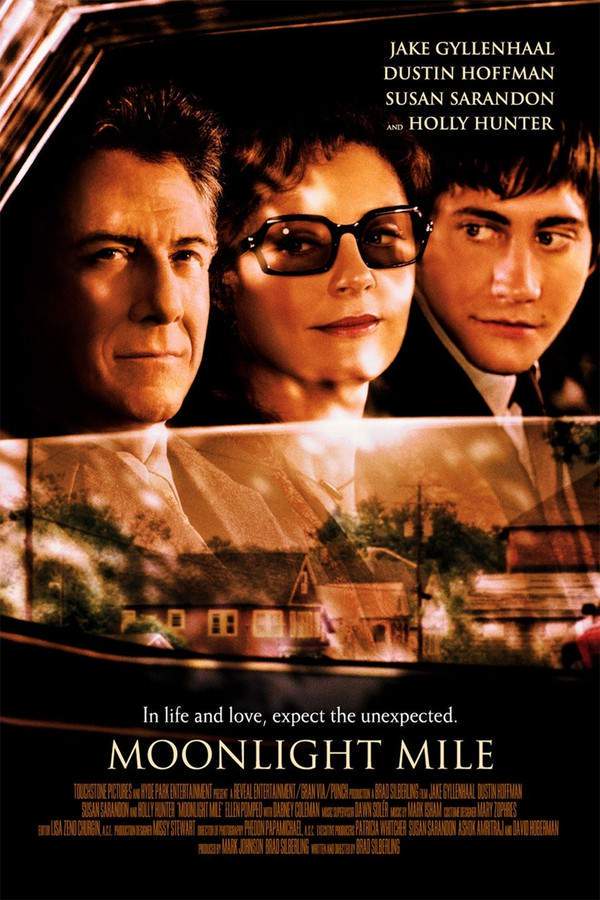
Gritty rural dramas with resilient characters like The Rider

Stories of endurance set against harsh, beautiful landscapes that shape the characters. If you liked The Rider's authentic portrayal of South Dakota reservation life, you'll appreciate these similar movies. They feature strong, resilient characters in rural settings, dealing with family duty, economic struggle, and a deep connection to their land and way of life.

  • gritty
  • atmospheric
  • resilient
  • somber
  • lonely
  • authentic
  • Tone: gritty, melancholic, hopeful
  • Pacing: slow, steady
Why these movies?

The story pattern: Narratives in this thread are often straightforward, focusing on the day-to-day challenges and small victories of life in a demanding environment. The plot is driven by external pressures like poverty or tradition, and internal conflicts about duty versus personal desire, usually leading to an ending that affirms the characters' enduring strength without sugarcoating their hardships.

Why they belong together: This thread connects films through their immersive, atmospheric settings, a grounded and often gritty realism, a focus on themes of resilience, family, and duty, and a consistent tone that blends melancholy with a sense of hard-won hope.

If you liked this

Movies Like The Rider

Similar movies to The Rider: the same genre, themes or kind of story. Each one comes with its own plot summary, timeline and ending explained.

Browse all movie summaries

Every angle

The Rider (2018) Explained: Plot, Timeline & Characters

Everything about The Rider in one place: what happens in the plot summary, the timeline in chronological order, the characters and meaning and a spoiler-free summary. What's After the Movie adds the cast, box office and post-credit scenes.

Coming soon on iOS and Android

The Plot Explained Movie Summary App

Plot summaries, endings explained and timelines on your phone. Catch up on any movie in minutes, save your favorites and never miss a twist again.

Be the first to know when we launch. Your email stays private, always.

Learn more about the app