Following the Olsen Gang's only successful robbery in the previous film, they are seemingly living the perfect life in the sun-soaked Mallorca, but they are not happy. Kjeld Jensen is homesick, Yvonne Jensen is drinking heavily, and Benny Fransen spends energy arguing with Egon Olsen, who clutches the red suitcase containing their money. The tension within the group is palpable as the idyllic climate hides growing strain, each member wrestling with restlessness, financial steam, and the demand for a new scheme that could restore their fortunes.
Meanwhile, the enforcer Bøffen has tracked them down, and he manages to steal the case. Egon is arrested by the Spanish police as the gang tries to retrieve it, plunging the trio into another setback and forcing them to rethink their next move.
Back in Denmark, after Egon is released from prison, he has a new plan, as usual. So has Yvonne, however: she has alerted the police about the money stolen from them in Spain, and she asks for an advance in return. The dynamic shifts as the gang weighs trust, timing, and risk, while the wheels of a larger plot begin to turn.
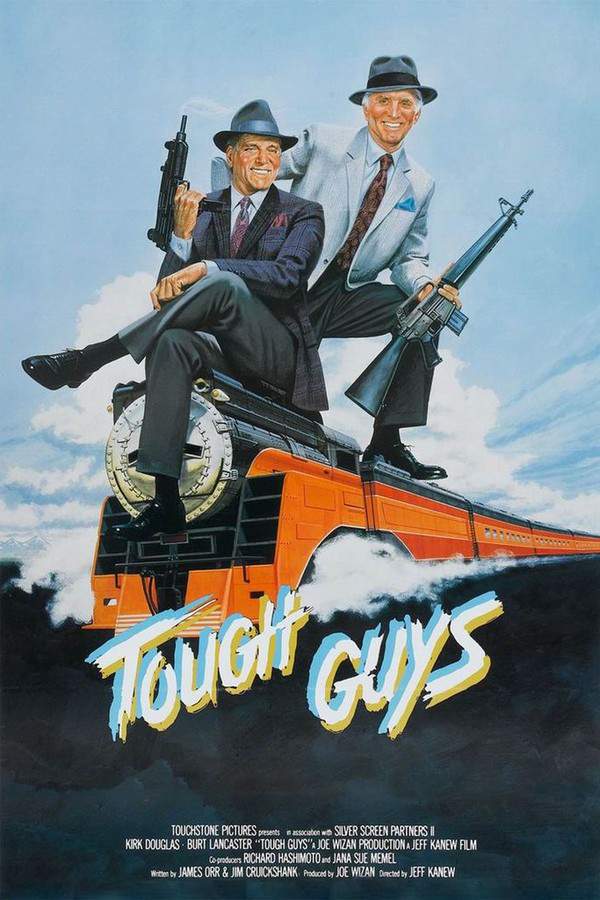
Egon has memorised the complete Danish train schedules as the money is now invested in gold bars, which are to be shipped to Zürich by train—in an armored Franz Jäger wagon. The trio craft a high-stakes operation around these rails, aiming to move the gold with precision. The plan leads them to steal a small shunting locomotive, hijack the wagon and transfer the gold onto a battered medium truck, which collapses under the load, forcing a dramatic rethink under pressure.
The gang must abandon the gold to escape the police, split up in disagreement, but regroup with a new plan after Benny and Kjeld rescue Egon from disappearing and staying lost, proving their resilience and stubborn camaraderie even under mounting danger. The tension between loyalty and greed intensifies as the clock ticks toward a new opportunity.
In the meantime the Danish State Railways has switched to the summer schedule, turning the plan into a lethal task. In addition, the police have arranged a summer outing via rail, and by chance, Bøffen spots the gang towing the wagon along the Copenhagen harbour railway, triggering a tense car-and-train chase along Amagerbanen. The pursuit blends street-level and rail tactics, testing everyone's nerve as the chase zigzags through urban tracks and waterfront routes.
Luckily Yvonne provides a decisive description of both the perpetrator and the armored wagon, steering the authorities toward a crucial lead. The gang is ultimately successful in repossessing the gold and laundering it through a Norwegian oil company to acquire the majority stake in the shipping company I.C. Lauritzen, making Egon chairman of the board and giving the gang a powerful, if precarious, control over a significant asset. Yet the tax administration do not see the income in the accounts, and Egon ends up behind bars again, closing a circle of crime that feels both inevitable and disturbingly clever.
The film tracks the twists and turns of a crew that believes itself untouchable, balancing wit, risk, and a stubborn code of brotherhood as they navigate a sprawling web of schemes, law enforcement, and open roads that promise both fortune and downfall.