
Plot Explained Spoilers guaranteed!
Plot Explained

Browse by genre

The Night That Panicked America (1975) movie poster

Timeline

The Night That Panicked America (1975) Timeline Explained – Every Event in Order

Release, runtime and language
1975 · 92 mins · English
Directed by
Joseph Sargent
Starring
Eileen Brennan, Burton Gilliam, Michael Constantine, Meredith Baxter, John Ritter, Ron Rifkin

A dramatization of the Oct. 30, 1938 mass panic that Orson Welles’ radio play, “The War of the Worlds” accidentally provoked.

On this page (5)
  1. 1 Where to watch
  2. 2 Events in order (11)
  3. 3 Timeline questions answered
  4. 4 Movie threads
  5. 5 Every angle

Where to watch

Where to Watch The Night That Panicked America (1975)

Where can you watch The Night That Panicked America? Stream, rent or buy it in the US, including on FlixFling: current JustWatch availability with up-to-date prices.

Streaming availability powered by JustWatch

11 events in order · contains spoilers

The Night That Panicked America Timeline: Events in Chronological Order

Every key event of The Night That Panicked America (1975) in order, scene by scene, with when and where it takes place. Use it to untangle flashbacks, time jumps and parallel storylines, to refresh your memory before the sequel or to find the exact scene you are thinking of.

  1. Creation and live premiere of War of the Worlds broadcast

    Orson Welles and his Mercury Theatre on the Air team craft a live radio adaptation of The War of the Worlds, blending dramatic scenes with urgent-sounding news bulletins. The production is performed from the CBS studio with Welles at the center and Paul Stewart assisting in the control room. The result is a convincing, immersive broadcast designed to feel spontaneous and authentic.

    When
    8:00 PM ET
    Where
    CBS Radio Studio, New York
  2. Listeners from diverse backgrounds tune in and believe the threat

    Across the nation, families from different social classes and locales tune into the live broadcast. The program's realism draws them into the unfolding crisis, with some hearing authentic-sounding reports and updates as if an actual invasion is underway. Fear grows as the line between fiction and reality blurs in their living rooms.

    When
    During the broadcast
    Where
    Various locations in the United States
  3. CBS switchboard overwhelmed by frantic calls

    As listeners flood the lines with emergency calls, the CBS switchboard becomes overloaded. Operators struggle to manage the deluge, trying to calm anxious callers and separate real information from the chaos. The mood on the newsroom floor is quickening as the crisis grows beyond the studio walls.

    When
    Early in the broadcast
    Where
    CBS Switchboard, New York
  4. Police and press infiltrate the CBS building

    Within the studio complex, police and journalists push through corridors and offices, seeking authority and answers as the panic outside appears to spread inward. The presence of law enforcement and the press signals how widely the events are captured and scrutinized. Inside, the production team continues to improvise under mounting pressure.

    When
    Mid-broadcast
    Where
    CBS Building, New York
  5. Welles and Stewart decide on a cautionary disclaimer

    Despite the mounting chaos, Welles and Stewart decide to broadcast a disclaimer at the station break to clarify that the show is a fictional performance. They intend to calm listeners while continuing the program. The moment marks a shift from uninterrupted drama to a public service notification.

    When
    Station break
    Where
    CBS Studio, New York
  6. Disclaimers arrive too late for many listeners

    By the time the disclaimer airs, a large portion of the audience has already panicked and turned off their radios. The confusion persists as people misinterpret the events as an ongoing real threat. The broadcast lingers in memory as a case study of media influence.

    When
    Shortly after station break
    Where
    Homes nationwide
  7. Show ends and the press closes in

    When the program concludes, reporters and photographers swarm the CBS studio, impatient to interview Welles and the production team. They press for explanations about the night's events and the public reaction. The atmosphere is hectic as authorities begin to assess the impact.

    When
    Immediately after broadcast ends
    Where
    CBS Studio, New York
  8. Protagonists return home to hearing the fallout

    The story’s central characters, having escaped the studio, return to their homes and listen to nationwide news coverage. Reports recount the widespread panic, the number of frightened listeners, and the overall frenzy that erupted nationwide. The experience underscores how a radio play can ripple through everyday life.

    When
    After the broadcast
    Where
    Home locations across the country
  9. Reports of dramatic consequences and suicidality

    News outlets report that some listeners took drastic steps, including contemplating or attempting suicide in response to the broadcast. The coverage emphasizes the real emotional stakes of a seemingly fictional event. Authorities and families process the severity of the public reaction.

    When
    Following the broadcast
    Where
    National news outlets
  10. Stewart exits the CBS building

    Paul Stewart exits the CBS building, reassuring a security guard that the nightmare is over. The departure marks the end of a night of chaos for the production team and signals a fragile return to normalcy. Yet the memory of the panic lingers in the air.

    When
    After the crowd disperses
    Where
    CBS Building, New York
  11. Hitler broadcast footage echoes as a warning

    As the night closes, audio of future radio coverage of Hitler speeches fades in, hinting that real-world horrors will soon be broadcast to American listeners. The juxtaposition serves as a chilling reminder that media can prepare audiences for, or catalyze, future scares. The program ends with a sobering sense of ongoing threat on the airwaves.

    When
    Ending moments
    Where
    CBS Studio / Radio Air

Last updated: February 18, 2026 at 23:46

Was this helpful?

Timeline questions answered

The Night That Panicked America Timeline Explained: Your Questions Answered

When does it happen, and why in that order? The questions people ask about the chronology of The Night That Panicked America (1975): time jumps, flashbacks, cause and effect between scenes and the correct order of events, each answered with spoilers.

Q1

Why did so many listeners believe the War of the Worlds broadcast was real?

The broadcast used a realistic format that mimicked authentic news bulletins, interrupting regular programming with urgent reports of an alien invasion. Many listeners tuned in during the second half of the program and missed the initial introduction explaining it was a fictional drama. The combination of the serious tone, the credible-sounding news style, and the fact that most people were not expecting a Halloween prank made the fake reports seem believable.

  • Orson Welles
  • radio panic
  • War of the Worlds
  • mass hysteria
  • fake news
Q2

Why was the disclaimer aired too late to stop the panic?

Orson Welles and Paul Stewart decided to air a disclaimer during a station break, but by that time many listeners had already become convinced the invasion was real and had stopped listening. The delay stemmed from the production team's hope that they could calm listeners through the disclaimer while continuing the program, but the panic had already spread faster than the clarification could reach audiences.

  • disclaimer
  • station break
  • Welles
  • clarification
  • panic response
Q3

What happened to listeners who believed the invasion was real?

Many listeners experienced extreme fear and distress. Some fled their homes in panic, packing cars and driving to escape the supposed Martian invasion. Others called emergency services desperately seeking information or protection. News reports revealed that some listeners were so overwhelmed that they contemplated or attempted suicide, highlighting the real emotional and psychological toll of the broadcast.

  • listeners
  • panic
  • suicide
  • emergency
  • psychological impact
Q4

Why did CBS continue the broadcast despite the growing chaos?

Welles and his team chose to continue the program because stopping mid-broadcast would have felt abrupt and potentially more alarming to listeners still tuned in. They believed they could manage the situation while maintaining the dramatic integrity of the production. The decision reflected a tension between artistic commitment and the emerging responsibility of mass media communication.

  • CBS
  • broadcast continuation
  • media responsibility
  • Welles
  • production decision
Q5

How did the fake news bulletins contribute to the panic?

The broadcast intersperced dramatic scenes with fake news bulletins that sounded like genuine radio reports, complete with professional-sounding announcers, simulated field interviews, and realistic descriptions of destruction. This hybrid format made it difficult for listeners to distinguish between the fictional adaptation and actual news programming, especially for those who heard only fragments of the broadcast.

  • news bulletins
  • radio format
  • production technique
  • realism
  • media manipulation
Q6

Why does the film end with Hitler speeches?

The ending juxtaposes the aftermath of the War of the Worlds broadcast with audio of future Hitler speeches, suggesting that radio's power to manipulate and terrify audiences would soon be exploited for far more sinister purposes. This serves as a chilling warning about the potential for mass media to spread propaganda and dread, connecting the fictional panic of 1938 to the real-world horrors that would follow.

  • Hitler
  • propaganda
  • radio power
  • warning
  • thematic ending
Q7

How did the police and press respond to the broadcast?

As the panic spread nationwide, police departments and journalists descended on the CBS building seeking answers about the broadcast's origin and authenticity. The presence of law enforcement and the press inside the studio added another layer of chaos, reflecting how quickly the fictional event had become a real-world news story requiring immediate official response.

  • police
  • press
  • CBS building
  • investigation
  • media response
Q8

What was the impact on Orson Welles after the broadcast?

After the broadcast ended, Welles faced intense scrutiny from reporters who demanded explanations for the nationwide panic. While the broadcast elevated his reputation as a brilliant young filmmaker and dramatist, it also raised serious questions about media ethics and the responsibilities of broadcasters. He returned home to process the consequences of having created something far more powerful than he anticipated.

  • Welles
  • career impact
  • media ethics
  • scrutiny
  • public reaction
Q9

Why was the radio format so convincing to listeners in 1938?

In 1938, radio was the dominant source of home entertainment and news, and audiences generally trusted radio broadcasts as reliable. Listeners were accustomed to believing what they heard on the radio, and the idea that a drama could mimic news format was unfamiliar. The intimacy of radio, speaking directly into the ear, created a sense of immediacy and authenticity that made the fictional reports feel like genuine breaking news.

  • radio trust
  • 1938 media
  • audio format
  • broadcast credibility
  • listener expectation
Q10

How did CBS switchboard operators respond to the crisis?

CBS switchboard operators were overwhelmed with thousands of frantic calls from listeners seeking confirmation about the invasion, requesting information about safety measures, or reporting supposed sightings of alien spacecraft. Operators struggled to manage the deluge while trying to calm anxious callers and separate real emergencies from panic-driven inquiries.

  • switchboard
  • CBS operators
  • emergency calls
  • overload
  • listener reaction
Q11

Why did some listeners consider suicide during the broadcast?

The extreme fear triggered by the realistic broadcast drove some listeners to believe the world was genuinely ending. Overcome by terror and unable to process what seemed like an inevitable apocalypse, a small number of listeners contemplated or attempted suicide rather than face what they believed was their imminent death. This devastating response demonstrated the profound psychological impact that believable media could have on vulnerable audiences.

  • psychological impact
  • suicide
  • terror
  • media influence
  • emotional response
Q12

How did the War of the Worlds broadcast change radio storytelling?

The 1938 broadcast became a landmark moment in media history, demonstrating radio's unprecedented power to reach and influence mass audiences. It forced broadcasters to reconsider the responsibility that came with realistic storytelling and led to changes in how fictional programs were presented. The incident remains a foundational case study in media literacy and the potential consequences of persuasive communication.

  • media history
  • radio legacy
  • broadcasting standards
  • mass communication
  • media impact

Movie threads

More Movies Like The Night That Panicked America, by Mood & Story

Curated lists built around what makes The Night That Panicked America tick: the same mood, the same kind of story or the same emotional payoff. Each list explains why these movies belong together.

Movies about media-induced panic like The Night That Panicked America

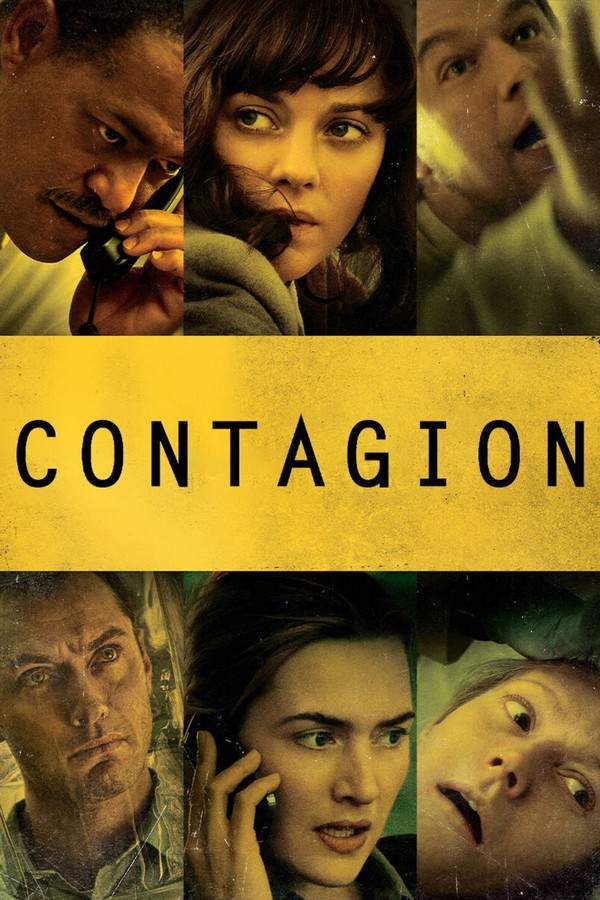
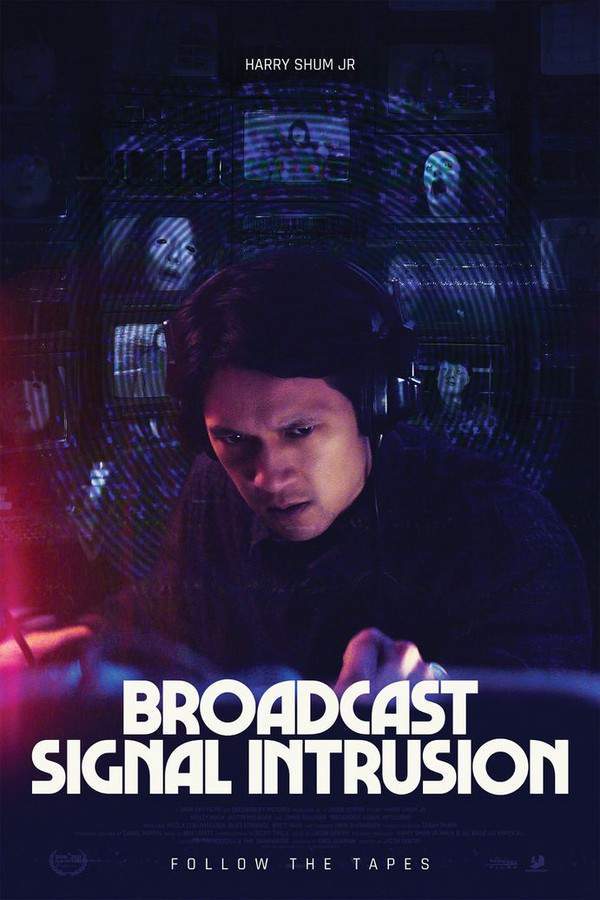
Stories where media broadcasts accidentally trigger widespread chaos and panic. If you were fascinated by the dramatization of the War of the Worlds panic, explore other movies like The Night That Panicked America. This section features films about psychological contagion, media influence, and stories where a single event triggers mass hysteria and public fear.

  • panic
  • chaotic
  • anxious
  • ominous
  • atmospheric
  • fearful
  • Tone: tense, ominous
  • Pacing: fast, chaotic
Why these movies?

The story pattern: Narratives in this thread typically follow a dual path: the creators of the media event who lose control of their creation, and the diverse individuals in the public whose lives are thrown into disarray by the perceived threat. The story unfolds in real-time or near-real-time, cutting between the source of the panic and its escalating consequences.

Why they belong together: Movies are grouped here because they share a core theme: the dangerous gap between media representation and reality. They create a tense, anxious atmosphere by showing how easily fear can be weaponized or accidentally unleashed through broadcasts and communications.
Atmospheric historical dramas with tense eras like The Night That Panicked America

Historical dramas where the pervasive anxiety of an era fuels the narrative tension. For viewers who appreciated the 1930s wartime anxiety in The Night That Panicked America, this section finds similar movies. Discover other historical dramas where the mood of a tense era is a central character, creating stories heavy with foreshadowing and collective dread.

  • atmospheric
  • tense
  • ominous
  • historical
  • anxious
  • chaotic
  • Tone: tense, bittersweet
  • Pacing: fast, escalating
Why these movies?

The story pattern: These films often follow ensemble casts or multiple perspectives to paint a broad picture of a society on edge. The plot is driven less by a single antagonist and more by the diffuse, looming threat of the times. The ending often carries a bittersweet or bleak weight, acknowledging the real historical shadows that followed.

Why they belong together: These movies are connected by their masterful use of historical setting to build a consistent mood of tension and anxiety. They share a fast or steadily escalating pace that mirrors the characters' rising panic and a high emotional weight derived from the era's impending doom.

Every angle

The Night That Panicked America (1975) Explained: Plot, Timeline & Characters

Everything about The Night That Panicked America in one place: what happens in the plot summary, the timeline in chronological order, the characters and meaning and a spoiler-free summary. What's After the Movie adds the cast, box office and post-credit scenes.

Coming soon on iOS and Android

The Plot Explained Movie Summary App

Plot summaries, endings explained and timelines on your phone. Catch up on any movie in minutes, save your favorites and never miss a twist again.

Be the first to know when we launch. Your email stays private, always.

Learn more about the app