







Plot Explained Spoilers guaranteed!
Plot Explained

Browse by genre

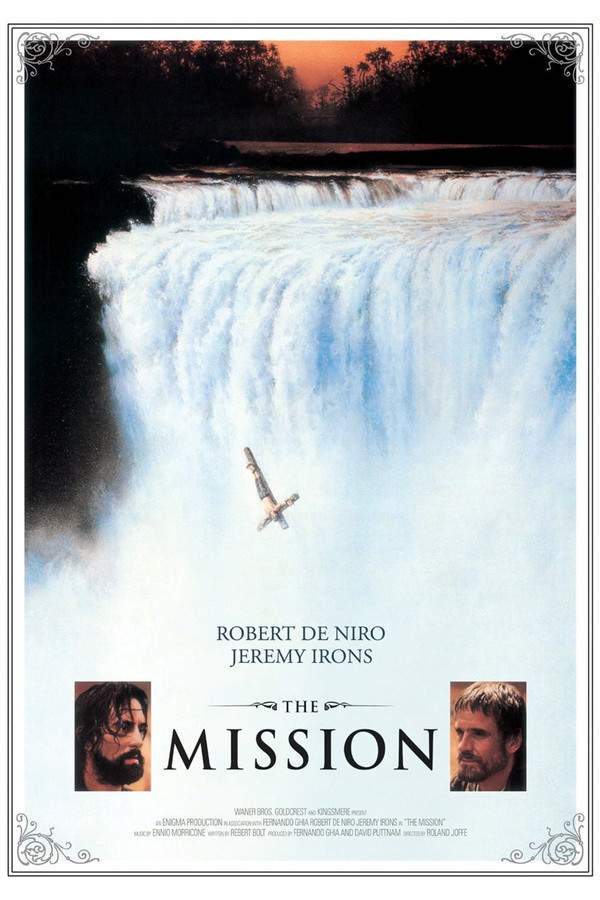
The Mission (1986) movie poster

Timeline

The Mission (1986) Timeline Explained – Every Event in Order

Release, runtime and language
1986 · 125 min · English
JustWatch #2,119 25
Directed by
Roland Joffé
Starring
Robert De Niro, Liam Neeson, Jeremy Irons, Aidan Quinn, Ronald Pickup, Bercelio Moya

In 18th-century South America, Father Gabriel attempts to protect a native Guarani people through peaceful conversion. He encounters Rodrigo Mendoza, a Spanish cavalry officer haunted by his past as a slave trader, who seeks redemption. As Portuguese forces prepare to conquer the region and enslave the natives, the two men find their differing beliefs and approaches to defense lead to a profound clash of conscience and ultimately, sacrifice.

On this page (6)
  1. 1 Where to watch
  2. 2 Events in order (15)
  3. 3 Timeline questions answered
  4. 4 Movie threads
  5. 5 Movies like The Mission
  6. 6 Every angle

Where to watch

Where to Watch The Mission (1986)

Where can you watch The Mission? Stream, rent or buy it in the US, including on YouTube Free, Amazon Video and Apple TV Store: current JustWatch availability with up-to-date prices.

Streaming availability powered by JustWatch

15 events in order · contains spoilers

The Mission Timeline: Events in Chronological Order

Every key event of The Mission (1986) in order, scene by scene, with when and where it takes place. Use it to untangle flashbacks, time jumps and parallel storylines, to refresh your memory before the sequel or to find the exact scene you are thinking of.

  1. The Sacrifice at Iguazu

    The film opens with a Jesuit missionary bound to a cross by the Guaraní, located near the majestic Iguazu Falls. As he is cast over the falls while praying fervently, his sacrifice inspires Father Gabriel to brave the treacherous descent in pursuit of the Guaraní tribe.

    Where
    Iguazu Falls
  2. Father Gabriel's Arrival

    Father Gabriel, a Spanish Jesuit priest, arrives in the South American jungle with the intention of establishing a mission for the Guaraní Indians. Initial encounters with the tribe are hostile, but he seeks to demonstrate his goodwill and commitment to their community.

    Where
    South American jungle
  3. Winning Trust Through Music

    In an effort to earn the trust of the Guaraní, Father Gabriel performs a heartfelt solo on his oboe. This emotional gesture breaks the ice and gradually helps him establish a bond with the indigenous people, softening their initial mistrust.

  4. Mendoza's Tragic Realization

    Rodrigo Mendoza, a mercenary and slave trader, suffers a devastating loss when he discovers his fiancée in a compromising position with his younger half-brother. In a fit of rage, he kills his brother in a duel, leading him to a deep state of depression.

  5. Seeking Redemption

    Father Gabriel approaches Mendoza during his dark times, urging him to seek redemption. Moved by Gabriel's insistence, Mendoza decides to abandon his previous life and join the Jesuits, burdened by the weight of his past.

  6. Embraced by the Guaraní

    Upon arriving at the Guaraní territories, Mendoza is initially met with skepticism but is soon accepted by the tribe. In a significant moment, the Guaraní help him unload the burdens he carries, symbolizing a new beginning for him.

    Where
    Guaraní territory
  7. Formation of the Mission

    The mission led by Father Gabriel transforms into a sanctuary for the Guaraní, fostering hope, education, and a sense of community. Mendoza, inspired by the Guaraní's acceptance, starts to find a new purpose within this vibrant society.

  8. The Treaty of Madrid

    The political landscape shifts dramatically with the signing of the Treaty of Madrid in 1750, which transfers control of the territory from the Spanish to the Portuguese. This change poses a grave threat to the Guaraní as the Portuguese plan to enslave the indigenous population.

    When
    1750
  9. Cardinal Altamirano's Visit

    Cardinal Altamirano, a former Jesuit and Papal envoy, arrives to evaluate the missions. He witnesses the thriving community at Father Gabriel's mission and is conflicted about the impending danger posed by the Portuguese colonizers.

    Where
    Father Gabriel's mission
  10. The Guaraní's Protest

    As Cardinal Altamirano informs Father Gabriel of the impending closure of the mission, the Guaraní strongly protest. Father Gabriel and Mendoza vow to protect their home, highlighting the growing tension between their beliefs and actions.

  11. Divided in Methods

    Father Gabriel and Mendoza find themselves at odds regarding how to defend the mission. While Father Gabriel advocates for nonviolence, Mendoza breaks his vows and trains the Guaraní in European warfare, signaling a pivotal shift in their relationship.

  12. The Onslaught

    A combined force of Portuguese and Spanish soldiers launches a brutal attack on the mission. Mendoza, Father Gabriel, Father Fielding, and the Guaraní band together to defend their sanctuary, facing overwhelming odds and formidable foes.

  13. Mendoza's Sacrifice

    During the chaotic confrontation, Mendoza sustains fatal injuries but finds strength in the Guaraní's unity. As they sing alongside Father Gabriel during a sacred procession, the tragedy intensifies when the soldiers unleash an indiscriminate attack.

  14. Fielding's Final Act

    In a courageous act to protect his comrades, Father Fielding sacrifices himself to take down the Portuguese commander. His selflessness exemplifies the dire stakes of their fight and the tragic losses faced by the defenders of the mission.

  15. A Solemn Return

    The film concludes with a poignant scene where children return to the site of their community's massacre, salvaging remnants of their past. This powerful image reinforces the ongoing struggle for indigenous rights and the lasting impact of their history.

Last updated: November 03, 2024 at 23:38

Was this helpful?

Timeline questions answered

The Mission Timeline Explained: Your Questions Answered

When does it happen, and why in that order? The questions people ask about the chronology of The Mission (1986): time jumps, flashbacks, cause and effect between scenes and the correct order of events, each answered with spoilers.

Q1

Why did Father Gabriel climb the Iguazu Falls?

Father Gabriel was inspired by the sacrifice of a Jesuit missionary who was bound to a cross and cast over the falls while praying. Witnessing this act of martyrdom compelled Gabriel to brave the treacherous descent in hopes of connecting with the Guaraní tribe and establishing a mission among them.

Foreshadowing: The opening scene with the sacrificed missionary foreshadows the ultimate fate of Father Gabriel and other Jesuits at the mission.

  • iguazu falls
  • father gabriel
  • jesuit missionary
  • sacrifice
  • guarani
Q2

Why did Rodrigo Mendoza kill his half-brother Felipe?

Mendoza discovered his fiancée in a compromising position with his younger half-brother Felipe. In a fit of rage and jealousy, he killed Felipe during a duel. Although he escaped legal consequences thanks to Governor Cabeza, the guilt sending his brother to his death drove him into deep depression.

Foreshadowing: This act of passionate violence establishes Mendoza's capacity for extreme action, foreshadowing his later choice to take up arms to defend the mission.

  • rodrigo mendoza
  • felipe
  • duel
  • killed brother
  • jealousy
Q3

Why did the Guaraní accept Mendoza after learning he was a slave trader?

Father Gabriel urged Mendoza to seek redemption through penance, and the Guaraní demonstrated remarkable forgiveness by removing his burdensome armor and sword upon his arrival. Their acceptance symbolizes the theme of redemption and the capacity for transformation through faith and community.

Foreshadowing: The Guaraní's acceptance of Mendoza sets up the emotional weight of the final attack, when they stand together to defend their home.

  • guarani
  • mendoza
  • forgiveness
  • acceptance
  • redemption
Q4

What was the Treaty of Madrid and why did it threaten the mission?

The Treaty of Madrid in 1750 transferred control of the territory from Spain to Portugal. Under Portuguese law, slavery was permitted, whereas the Spanish had allowed the Jesuit missions to operate. This political shift meant the Portuguese could legally enslave the indigenous Guaraní people, putting the mission and its inhabitants in grave danger.

Foreshadowing: The treaty is introduced as a looming threat early in the film, building tension toward the inevitable confrontation.

  • treaty of madrid
  • 1750
  • portuguese
  • spanish
  • slavery
  • colonialism
Q5

Why did Father Gabriel refuse to fight even when the mission was under attack?

Father Gabriel believed that violence was a sin against God and that using force would contradict the very Christian principles he had taught the Guaraní. He maintained that the mission's purpose was to spread God's love, not to wage war, even in self-defense.

Foreshadowing: Gabriel played the oboe to win the Guaraní's trust, establishing his method as one of peace rather than violence.

  • father gabriel
  • pacifism
  • nonviolence
  • jesuit
  • faith
Q6

Why did Mendoza decide to fight despite becoming a Jesuit?

Mendoza felt he could not stand by while the Portuguese prepared to enslave and massacre the Guaraní who had accepted him. Though it meant breaking his vows, he chose to train the natives in European warfare to give them a chance at defending their home, believing violence was justified to protect the innocent.

Foreshadowing: Mendoza's earlier violent act of killing his brother contrasts with this later use of violence for protection rather than passion.

  • mendoza
  • jesuit vows
  • armed resistance
  • guarani defense
Q7

Why did the Portuguese attack during the Guaraní's sacred procession?

The Portuguese commander ordered the attack while the Guaraní were singing alongside Father Gabriel in a sacred procession, choosing to strike when they were gathered together and vulnerable. This deliberate timing resulted in the massacre of the priests and many indigenous people.

Foreshadowing: The peaceful procession contrasts sharply with the violence about to unfold, amplifying the tragedy of the attack.

  • portuguese attack
  • procession
  • massacre
  • guarani
  • soldiers
Q8

Why did Father Fielding sacrifice himself to kill the Portuguese commander?

Father Fielding made the ultimate choice to take down the Portuguese commander during the battle, sacrificing his own life to protect Father Gabriel, Mendoza, and the remaining Guaraní defenders. His act demonstrated that he was willing to use violence as a last resort to save others, even though he had previously advocated for peace.

Foreshadowing: Fielding's earlier support of Gabriel's peaceful methods makes his violent sacrifice a profound character moment.

  • father fielding
  • portuguese commander
  • sacrifice
  • death
Q9

What is the meaning of the final exchange between Altamirano and Governor Hontar?

Governor Hontar defends the colonial actions by saying "we must work in the world; the world is thus," implying that exploitation and violence are inevitable realities. Cardinal Altamirano counters with "Thus have we made the world. Thus have I made it," accepting moral responsibility for creating the conditions that allowed such atrocities to occur.

Foreshadowing: This dialogue crystallizes the film's central theme of moral complicity in colonialism.

  • altamirano
  • hontar
  • dialogue
  • colonialism
  • responsibility
Q10

What is the significance of the children returning at the end of the film?

The final scene shows young children navigating the river back to the site of their community's massacre, salvaging remnants of their past. This image represents the resilience of the Guaraní people and the continuation of their culture and memory despite the tragedy, reinforcing the film's message that the struggle for indigenous rights continues.

Foreshadowing: The peaceful opening sacrifice contrasts with this somber return, completing the cycle of violence and memory.

  • children
  • ending
  • guarani
  • memory
  • resilience

Movie threads

More Movies Like The Mission, by Mood & Story

Curated lists built around what makes The Mission tick: the same mood, the same kind of story or the same emotional payoff. Each list explains why these movies belong together.

Historical Tragedies of Resistance Like The Mission

Sobering historical dramas depicting the brutal clash of civilizations. Explore movies like The Mission that portray the tragic struggles of indigenous peoples and their allies against colonial empires. These films share a heavy emotional weight, dark tone, and themes of sacrifice, faith, and the moral complexities of violence in the face of seemingly unstoppable oppression.

  • historical
  • tragic
  • somber
  • oppressive
  • spiritual
  • brutal
  • Tone: dark, tragic, somber
  • Pacing: steady, deliberate
Why these movies?

The story pattern: Stories in this thread follow a clear, often linear, progression from initial contact or peaceful coexistence to inevitable violent confrontation. The central conflict is an asymmetrical power struggle, pitting deeply held beliefs—like faith or a connection to the land—against the brutal machinery of empire. The climax is typically a tragic, violent event that underscores the high cost of resistance.

Why they belong together: They are grouped by their shared commitment to depicting the harsh truths of history with unflinching seriousness. They generate profound sadness and moral tension by exploring the impossible choices faced by those caught in the path of colonial expansion.

Redemptive Sacrifice Stories Like in The Mission

Stories where flawed characters seek atonement through ultimate sacrifice. If you were moved by Rodrigo Mendoza's quest for redemption in The Mission, these films explore similar profound journeys. They follow characters seeking to cleanse a guilty past through selfless acts, often leading to a bittersweet or tragic yet spiritually resonant conclusion in stories with heavy emotional weight.

  • redemptive
  • spiritual
  • somber
  • tragic
  • moral conflict
  • sacrifice
  • Tone: dark, redemptive, spiritual
  • Pacing: steady, character-driven
Why these movies?

The story pattern: The narrative pattern revolves around a transformative character arc. A cynical or morally compromised protagonist is confronted with an opportunity for grace, often through a peaceful community or a spiritual guide. Their internal struggle between their old self and newfound purpose drives the story, culminating in a climactic act of sacrifice that serves as their ultimate atonement.

Why they belong together: These movies share a core focus on the possibility of moral transformation. They are united by a heavy, spiritual mood, a steady pacing that allows for deep character reflection, and endings that are sad but infused with a sense of hard-won peace or purpose through sacrifice.

If you liked this

Movies Like The Mission

Similar movies to The Mission: the same genre, themes or kind of story. Each one comes with its own plot summary, timeline and ending explained.

Browse all movie summaries

Every angle

The Mission (1986) Explained: Plot, Timeline & Characters

Everything about The Mission in one place: what happens in the plot summary, the timeline in chronological order, the characters and meaning and a spoiler-free summary. What's After the Movie adds the cast, box office and post-credit scenes.

Coming soon on iOS and Android

The Plot Explained Movie Summary App

Plot summaries, endings explained and timelines on your phone. Catch up on any movie in minutes, save your favorites and never miss a twist again.

Be the first to know when we launch. Your email stays private, always.

Learn more about the app