







Plot Explained Spoilers guaranteed!
Plot Explained

Browse by genre

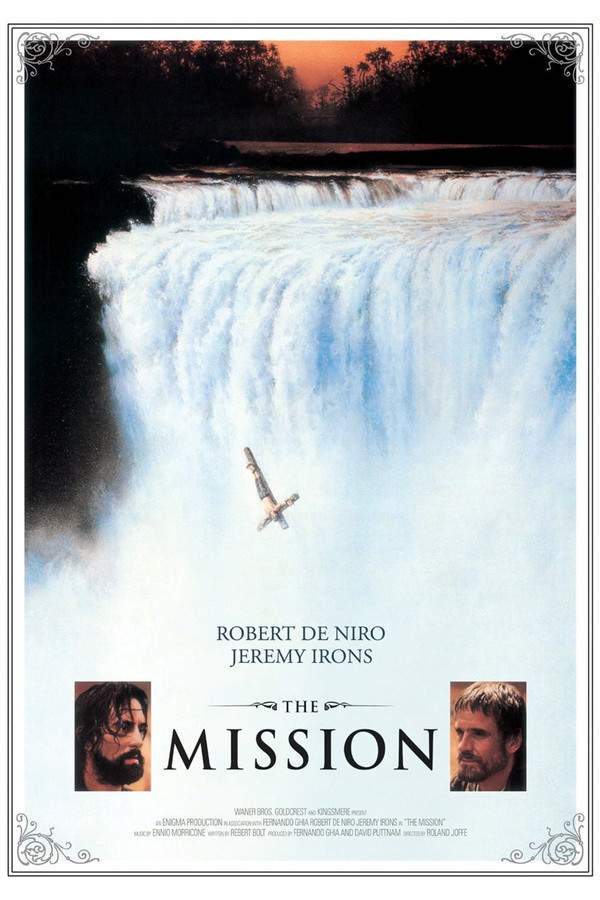
The Mission (1986) movie poster

Characters & Themes

The Mission (1986) Characters, Setting & Themes Explained

Release, runtime and language
1986 · 125 min · English
JustWatch #1,969 1
Directed by
Roland Joffé
Starring
Robert De Niro, Liam Neeson, Jeremy Irons, Aidan Quinn, Ronald Pickup, Bercelio Moya

In 18th-century South America, Father Gabriel attempts to protect a native Guarani people through peaceful conversion. He encounters Rodrigo Mendoza, a Spanish cavalry officer haunted by his past as a slave trader, who seeks redemption. As Portuguese forces prepare to conquer the region and enslave the natives, the two men find their differing beliefs and approaches to defense lead to a profound clash of conscience and ultimately, sacrifice.

On this page (8)
  1. 1 Where to watch
  2. 2 Characters explained (4)
  3. 3 Where & when it takes place
  4. 4 Themes & meaning (3)
  5. 5 Character & meaning questions
  6. 6 Movie threads
  7. 7 Movies like The Mission
  8. 8 Every angle

Where to watch

Where to Watch The Mission (1986)

Where can you watch The Mission? Stream, rent or buy it in the US, including on YouTube Free, Amazon Video and Apple TV Store: current JustWatch availability with up-to-date prices.

Streaming availability powered by JustWatch

4 main characters · contains spoilers

The Mission Characters Explained: Who Is Who

The main characters of The Mission (1986), heroes and villains: what drives them, how they change over the course of the story and what each of them reveals about the film's bigger ideas.

  • Father Gabriel (Jeremy Irons)

    Father Gabriel is a Spanish Jesuit priest who embodies compassion and determination. His journey to establish a mission for the Guaraní Indians showcases his dedication to faith and education. Gabriel’s character represents the moral compass of the film, as he navigates the complexities of violence, faith, and the fight for indigenous rights.

    • 🧘‍♂️ Spirituality
    • 💖 Compassion
  • Rodrigo Mendoza (Robert De Niro)

    Rodrigo Mendoza is a mercenary whose life spirals into despair after a personal tragedy. His character arc is a powerful narrative of transformation from a ruthless slave trader to a dedicated protector of the Guaraní community. Mendoza's internal struggle with guilt and the search for redemption is a pivotal element in the film's storyline.

    • 🔄 Transformation
    • 🛡️ Protector
  • Father Fielding (Liam Neeson)

    Father Fielding serves as an ally to Father Gabriel and a figure of strength and strategy in the mission. His commitment to the Guaraní people and willingness to sacrifice for their protection underscore his loyalty and resilience. Fielding’s character adds depth to the themes of conflict and devotion in the face of adversity.

    • ⚖️ Justice
    • 🤝 Ally
  • Cardinal Altamirano (Ray McAnally)

    Cardinal Altamirano represents the conflict between the church’s interests and the rights of indigenous peoples. His character grapples with the consequences of colonial policies while also reflecting on the Jesuit order’s place within society. Altamirano's dialogue reveals the tension between morality and the harsh realities of the historical context.

    • 🏰 Authority
    • 💔 Conflict

Last updated: October 22, 2024 at 19:42

Was this helpful?

Setting

Where and When Does The Mission Take Place?

The setting of The Mission (1986): the year and time period, the places and locations, and how they shape the characters, the mood and the tension of the story.

Time period

1750s

The movie is set in the 1750s during a tumultuous period of colonial expansion in South America. The Treaty of Madrid, which altered land control from the Spanish to the Portuguese, plays a significant role in the story, highlighting the struggles over indigenous rights and the impact of colonial policies. This era was marked by conflict, cultural exchange, and the moral dilemmas faced by those involved.

Location

Jesuit Reductions, South American jungle, Iguazu Falls

The Jesuit Reductions were autonomous missions established by Jesuit missionaries to spread Christianity among indigenous populations. The stunning Iguazu Falls serves as a dramatic backdrop to the narrative, showcasing the breathtaking beauty of the South American jungle. This lush and vibrant environment is central to the story, symbolizing both the challenges and the transformative potential of the mission.

  • 🌿 Nature
  • 🏞️ Historical Site

Last updated: October 22, 2024 at 19:42

Was this helpful?

3 major themes

The Mission Meaning: Themes & Message Explained

What is The Mission (1986) really about? The emotional, social and philosophical themes the film keeps returning to, its symbolism and the message beneath the surface.

  • Redemption

    The theme of redemption is central to the movie, particularly through the character of Rodrigo Mendoza. His transformation from a mercenary and slave trader to a dedicated Jesuit reflects the power of second chances and personal growth. The struggle for redemption is also mirrored in the mission's fight to protect the Guaraní people and their way of life.

  • Conflict

    The film explores the conflict between morality and survival as portrayed by Father Gabriel’s pacifist beliefs and Mendoza’s resort to violence. This theme underscores the complexities of ethical decisions in dire circumstances, particularly in the backdrop of colonial exploitation. The violent clash between the missionaries and the Portuguese soldiers highlights the tragic consequences of such conflicts.

  • Colonialism

    Colonialism is a critical theme in the movie, showcasing the exploitation of indigenous peoples and the moral quandaries faced by the Jesuits. The encroachment of Portuguese colonizers signifies the broader historical narrative of colonial control jeopardizing native cultures. The film ends with a poignant reminder of the ongoing struggles for indigenous rights, resonating with contemporary global issues.

Last updated: October 22, 2024 at 19:42

Was this helpful?

Character & theme questions

The Mission Characters & Meaning: Your Questions Answered

The questions people ask about The Mission (1986): who the characters really are, their relationships, what the symbols mean, where it takes place and what the movie is really about. Each answer contains spoilers.

Q1

Where is The Mission set?

The movie is set in the Jesuit Reductions, a network of autonomous missions in 18th-century South America. The story unfolds primarily in the South American jungle, with the iconic Iguazu Falls serving as a dramatic and visually stunning backdrop that underscores the beauty and vulnerability of the indigenous lands.

  • jesuit reductions
  • south america
  • iguazu falls
  • jungle setting
Q2

What time period does the movie take place in?

The Mission is set in the 1750s, during a turbulent era of colonial expansion in South America. This period coincides with the Treaty of Madrid, which shifted control of the territory from Spanish to Portuguese hands, directly impacting the fate of the indigenous Guaraní people and the Jesuit missions.

  • 1750s
  • colonial period
  • treaty of madrid
  • 18th century
Q3

What is the theme of redemption in The Mission?

Redemption is the central theme of the film, embodied most powerfully by Rodrigo Mendoza. Once a mercenary and slave trader haunted by personal tragedy, Mendoza undergoes a profound transformation, joining the Jesuits and dedicating his life to protecting the Guaraní people. His arc represents the possibility of moral renewal and personal growth even after great wrongdoing.

  • redemption
  • rodrigo mendoza
  • transformation
  • second chances
Q4

How does The Mission depict colonialism?

The film presents colonialism as a destructive force that threatens indigenous cultures and identities. Portuguese colonizers seek to enslave the Guaraní people and exploit their land, representing the broader historical pattern of imperial expansion. The Jesuits stand in opposition, advocating for the rights and autonomy of native populations against colonial exploitation.

  • colonialism
  • portuguese
  • spanish
  • indigenous rights
  • exploitation
Q5

What is the conflict between pacifism and violence in The Mission?

The film explores the moral tension between Father Gabriel's unwavering pacifist beliefs and Rodrigo Mendoza's willingness to take up arms to defend the Guaraní. This ideological clash represents the impossible choices faced during colonial oppression, where passive resistance often proves futile against violent conquest.

  • pacifism
  • violence
  • moral conflict
  • father gabriel
  • rodrigo mendoza
Q6

Who is Father Gabriel and what is his role?

Father Gabriel, played by Jeremy Irons, is a Spanish Jesuit priest who serves as the moral compass of the film. He establishes a mission to protect and educate the Guaraní people through peaceful conversion and faith. Gabriel's unwavering commitment to nonviolence and compassion drives the central ethical dilemma of the story.

  • father gabriel
  • jesuit priest
  • moral compass
  • missionary
Q7

Who is Rodrigo Mendoza and why is his character important?

Rodrigo Mendoza, portrayed by Robert De Niro, is a former mercenary and slave trader who seeks redemption after experiencing personal tragedy. His transformation from a ruthless oppressor to a protector of the Guaraní people embodies the film's themes of moral redemption and illustrates the complex nature of guilt and atonement.

  • rodrigo mendoza
  • redemption
  • slave trader
  • transformation
Q8

Who are the Jesuits in The Mission?

The Jesuits are Catholic missionaries, led by Father Gabriel and Father Fielding, who establish autonomous communities called reductions to protect and convert the indigenous Guaraní people. They represent the church's attempt to shield native populations from colonial exploitation while spreading Christianity, though their efforts ultimately face violent opposition from Portuguese forces.

  • jesuits
  • missionaries
  • father fielding
  • catholic church
Q9

Who are the Guaraní people in the film?

The Guaraní are indigenous South American people whom the Jesuits seek to protect and convert through the mission system. They represent a vulnerable culture caught between colonial powers, and their struggle for survival and autonomy forms the emotional core of the film's commentary on indigenous rights.

  • guarani
  • indigenous people
  • native americans
  • tribe
Q10

What is the overall tone and emotional weight of The Mission?

The Mission carries a consistently dark and heavy tone, dealing directly with themes of slavery, genocide, and moral compromise. While the pacing is steady and linear, building toward inevitable conflict, the film ends on a sad yet hopeful note, acknowledging the tragedy of the mission's destruction while affirming the ongoing struggle for indigenous rights.

  • emotional tone
  • dark film
  • sadness
  • historical drama
Q11

What historical events influence The Mission?

The film is grounded in real historical events, particularly the Treaty of Madrid of 1750, which transferred control of territory from Spain to Portugal. This political shift directly threatens the Jesuit missions and sets the stage for the colonial conflict that defines the film's narrative.

  • treaty of madrid
  • historical events
  • colonial history
  • south america

Movie threads

More Movies Like The Mission, by Mood & Story

Curated lists built around what makes The Mission tick: the same mood, the same kind of story or the same emotional payoff. Each list explains why these movies belong together.

Historical Tragedies of Resistance Like The Mission

Sobering historical dramas depicting the brutal clash of civilizations. Explore movies like The Mission that portray the tragic struggles of indigenous peoples and their allies against colonial empires. These films share a heavy emotional weight, dark tone, and themes of sacrifice, faith, and the moral complexities of violence in the face of seemingly unstoppable oppression.

  • historical
  • tragic
  • somber
  • oppressive
  • spiritual
  • brutal
  • Tone: dark, tragic, somber
  • Pacing: steady, deliberate
Why these movies?

The story pattern: Stories in this thread follow a clear, often linear, progression from initial contact or peaceful coexistence to inevitable violent confrontation. The central conflict is an asymmetrical power struggle, pitting deeply held beliefs—like faith or a connection to the land—against the brutal machinery of empire. The climax is typically a tragic, violent event that underscores the high cost of resistance.

Why they belong together: They are grouped by their shared commitment to depicting the harsh truths of history with unflinching seriousness. They generate profound sadness and moral tension by exploring the impossible choices faced by those caught in the path of colonial expansion.

Redemptive Sacrifice Stories Like in The Mission

Stories where flawed characters seek atonement through ultimate sacrifice. If you were moved by Rodrigo Mendoza's quest for redemption in The Mission, these films explore similar profound journeys. They follow characters seeking to cleanse a guilty past through selfless acts, often leading to a bittersweet or tragic yet spiritually resonant conclusion in stories with heavy emotional weight.

  • redemptive
  • spiritual
  • somber
  • tragic
  • moral conflict
  • sacrifice
  • Tone: dark, redemptive, spiritual
  • Pacing: steady, character-driven
Why these movies?

The story pattern: The narrative pattern revolves around a transformative character arc. A cynical or morally compromised protagonist is confronted with an opportunity for grace, often through a peaceful community or a spiritual guide. Their internal struggle between their old self and newfound purpose drives the story, culminating in a climactic act of sacrifice that serves as their ultimate atonement.

Why they belong together: These movies share a core focus on the possibility of moral transformation. They are united by a heavy, spiritual mood, a steady pacing that allows for deep character reflection, and endings that are sad but infused with a sense of hard-won peace or purpose through sacrifice.

If you liked this

Movies Like The Mission

Similar movies to The Mission: the same genre, themes or kind of story. Each one comes with its own plot summary, timeline and ending explained.

Browse all movie summaries

Every angle

The Mission (1986) Explained: Plot, Timeline & Characters

Everything about The Mission in one place: what happens in the plot summary, the timeline in chronological order, the characters and meaning and a spoiler-free summary. What's After the Movie adds the cast, box office and post-credit scenes.

Coming soon on iOS and Android

The Plot Explained Movie Summary App

Plot summaries, endings explained and timelines on your phone. Catch up on any movie in minutes, save your favorites and never miss a twist again.

Be the first to know when we launch. Your email stays private, always.

Learn more about the app