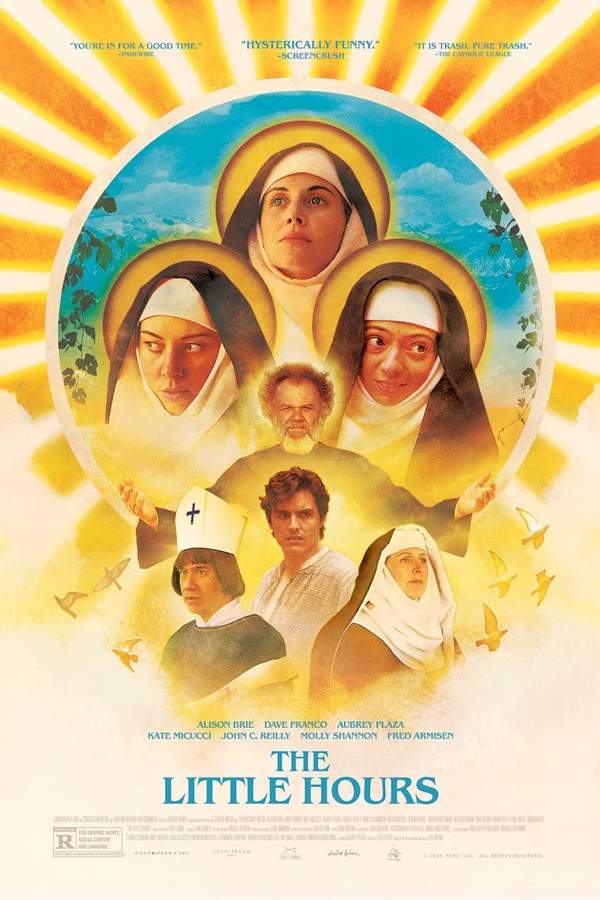
Alessandra, Fernanda, and Ginevra are sisters living in a 14th-century Italian convent, struggling to contain their boredom and frustration with religious life. The arrival of a handsome new servant, Massetto, who pretends to be deaf and mute, unexpectedly sparks a series of chaotic events. As the sisters' repressed desires surface, they engage in increasingly scandalous behavior, leading to a whirlwind of lust, intoxication, and unrestrained celebration that threatens to expose their secrets.
Warning: spoilers below!
Haven’t seen The Little Hours yet? This summary contains major spoilers. Bookmark the page, watch the movie, and come back for the full breakdown. If you're ready, scroll on and relive the story!
Read the complete plot breakdown of The Little Hours (2017), including all key story events, major twists, and the ending explained in detail. Discover what really happened—and what it all means.
The movie begins with a serene forest landscape in 14th Century Italy, where Sister Fernanda, played by Aubrey Plaza, is seen leading a donkey back to her convent, despite the sweltering summer heat while donned in heavy winter attire. Upon her return, she encounters Sister Genevra, portrayed by Kate Micucci, who questions her choice of clothing and the repeated escape of the donkey, leading to an argument between the two.
As they make their way toward the convent’s living quarters, they pass the groundskeeper, who greets them cheerfully. In a fit of rage, the sisters hurl insults at him, as they have repeatedly told him to stay silent and avert his gaze. Their anger escalates, resulting in a comical vegetable and tool assault on him.
Meanwhile, in a nearby castle, Lord Bruno, characterized by Nick Offerman, is dining with his wife, Francesca, played by Lauren Weedman. During dinner, he drones on about financial woes and conflicts, annoying Francesca, who counters his monologue with sharp sarcasm. Her glances toward Massetto, a servant portrayed by Dave Franco, suggest a secret affair between them.
Later that night, following an intimate rendezvous, Francesca expresses her disdain for her husband’s tedious nature. Their flirtation continues until they are nearly caught by Lord Bruno. Massetto narrowly escapes through a window, but not before Bruno, suspicious of his servants, attempts to identify him by cutting off a lock of hair and proclaiming, “Now I will know who you are in the morning.”
The following day, the furious Lord Bruno’s anger peaks when he discovers his wife’s indiscretions. In retaliation, he instructs his guards to punish Massetto. Meanwhile, back at the convent, the diligent Sister Alessandra, portrayed by Alison Brie, embraces her duties of weaving and sewing while Father Tommasso, played by John C. Reilly, plans a trip to market with her handiwork. The tension further rises among the sisters, as Fernanda and Genevra express their concerns regarding Alessandra’s unfair advantages due to her father’s financial contributions to the convent.
In a twist of fate, Massetto inadvertently crosses paths with Tommasso—who is inebriated and has lost his fabrics to the river—leading them to hatch a plan for Massetto to assume the position of the mute and deaf groundskeeper in order to avoid the wrath of the sisters. Their scheme seems to work initially, as Massetto finds himself amidst curious and wary glances from the sisters.
A comedic night unfolds when Massetto encounters various escapades, including the unexpected arrival of his friend, who introduces a potion concocted from belladonna that leads to wild nights filled with mirth and forbidden encounters. The lines between friendship and desire blur as the sisters drunkenly experiment with their newfound power over seduction, culminating in a series of intertwining liaisons.
As the Bishop, played by Fred Armisen, arrives to inspect the convent, chaos ensues, leading to horrifying truths being revealed, drastic confessions, and escalating confrontations. The sisters grapple with their feelings of betrayal and guilt, culminating in a climactic confrontation that lays bare their hidden sins.
The unfolding events lead Massetto back to imprisonment at Lord Bruno’s castle, where he faces threats from the guards and a cruel outlook from the lord himself, who revels in the circumstances that surround his wife. However, armed with determination, the sisters unite once more to rescue Massetto, leading to an escape filled with surreal twists.
As the story intensifies, love and secrets intertwine among the sisters, leaving them grappling with their own identities and loyalties. In the film’s closing moments, the characters seek solace in the woods, reaffirming their bond while the film captures a lasting sense of mystery, culminating in an abrupt yet powerful conclusion.
Last Updated: November 03, 2024 at 22:53
Discover curated groups of movies connected by mood, themes, and story style. Browse collections built around emotion, atmosphere, and narrative focus to easily find films that match what you feel like watching right now.
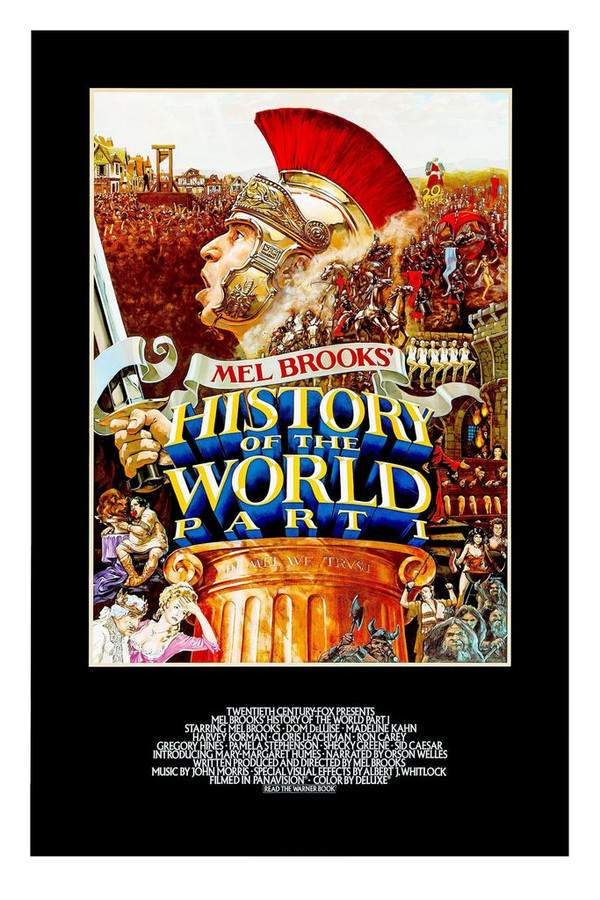
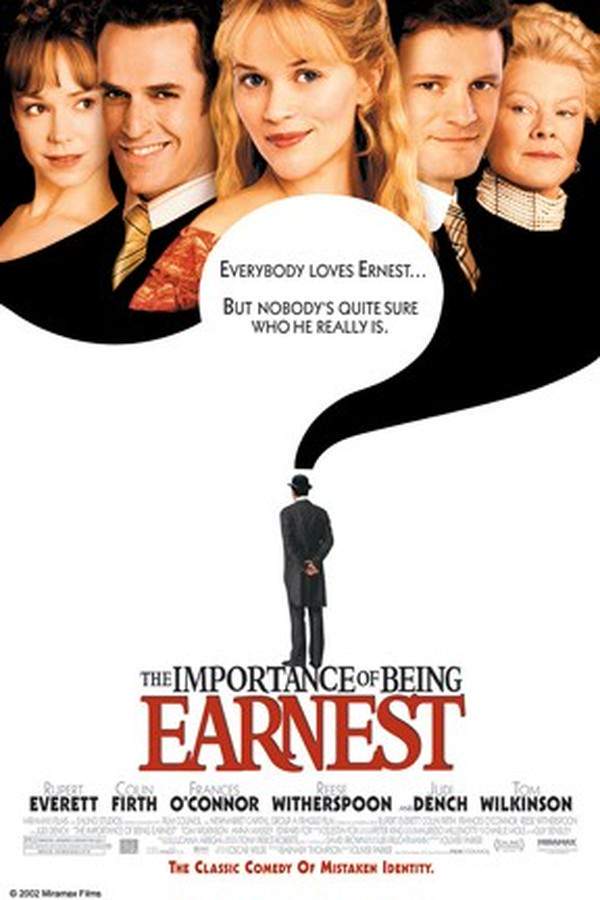
Period pieces with modern humor and cheeky takes on the past.If you loved the modern humor in a medieval setting in The Little Hours, you'll enjoy these movies. This list features similar comedies that playfully break historical accuracy with witty anachronisms, offering a fresh and irreverent take on the past.
These narratives are often farces or satires set in a recognizable historical period, but the characters behave and speak in ways that are deliberately anachronistic. The plot typically revolves around a simple premise—like a scandal or a misunderstanding—that escalates into chaos, driven by characters who feel oddly relatable despite their historical trappings.
They are grouped by their unique comedic approach: using history as a playground for modern satire. The shared vibe is one of playful irreverence, fast-paced wit, and a lighthearted refusal to take the past too seriously, making history feel accessible and wildly entertaining.
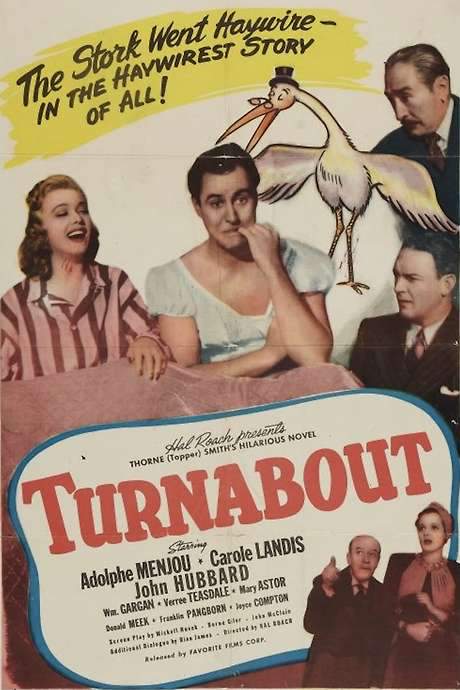
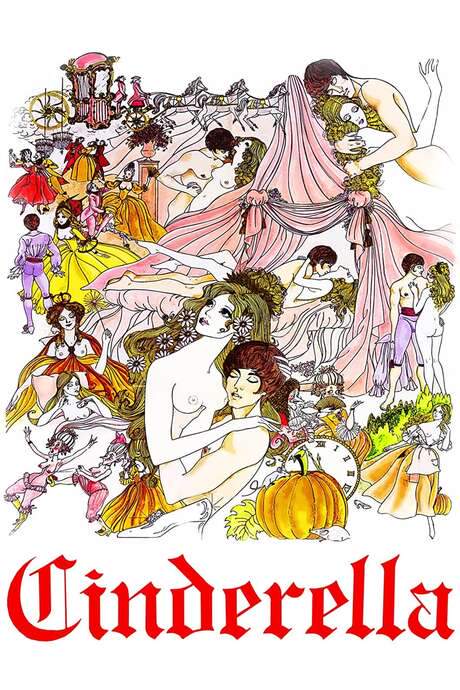
Stories where tightly controlled characters break free into chaos.Fans of The Little Hours will enjoy these movies about characters breaking free from repression. Discover similar comedies where strict rules lead to chaotic, bawdy, and frenetic fun, featuring scandalous behavior and a happy, liberating conclusion.
The narrative follows a predictable but satisfying arc: establishment of a rigid, repressive environment, the introduction of a catalyst that challenges the status quo, and an explosive third act where decorum is abandoned for gleeful chaos. The journey is about the cathartic joy of rebellion, often ending with the characters finding a new, more authentic form of community.
These films share a core pattern of cathartic release from societal constraints. They are united by a lighthearted, frenetic energy, a focus on physical and bawdy humor, and a tone that finds joy in scandal and the overturning of hypocritical rules.
Don't stop at just watching — explore The Little Hours in full detail. From the complete plot summary and scene-by-scene timeline to character breakdowns, thematic analysis, and a deep dive into the ending — every page helps you truly understand what The Little Hours is all about. Plus, discover what's next after the movie.
Track the full timeline of The Little Hours with every major event arranged chronologically. Perfect for decoding non-linear storytelling, flashbacks, or parallel narratives with a clear scene-by-scene breakdown.
Discover the characters, locations, and core themes that shape The Little Hours. Get insights into symbolic elements, setting significance, and deeper narrative meaning — ideal for thematic analysis and movie breakdowns.
Get a quick, spoiler-free overview of The Little Hours that covers the main plot points and key details without revealing any major twists or spoilers. Perfect for those who want to know what to expect before diving in.
Visit What's After the Movie to explore more about The Little Hours: box office results, cast and crew info, production details, post-credit scenes, and external links — all in one place for movie fans and researchers.
Discover movies like The Little Hours that share similar genres, themes, and storytelling elements. Whether you’re drawn to the atmosphere, character arcs, or plot structure, these curated recommendations will help you explore more films you’ll love.
The Little Hours (2017) Scene-by-Scene Movie Timeline
The Little Hours (2017) Movie Characters, Themes & Settings
The Little Hours (2017) Spoiler-Free Summary & Key Flow
Movies Like The Little Hours – Similar Titles You’ll Enjoy
Sister Hell (2015) Plot Summary & Ending Explained
Sister LuLu (2001) Story Summary & Characters
The Amorous Sisters (1980) Film Overview & Timeline
The True Story of the Nun of Monza (1980) Detailed Story Recap
Naughty Nymphs (1972) Plot Summary & Ending Explained
Naughty Nun (1972) Full Movie Breakdown
The Novice (1975) Movie Recap & Themes
The Hours of Love (1963) Spoiler-Packed Plot Recap
My Sister in Law (1976) Full Movie Breakdown
The Nun and the Devil (1973) Spoiler-Packed Plot Recap
Little Witches (1996) Movie Recap & Themes
Little Trouble Girls (2025) Full Movie Breakdown
Sex Life in a Convent (1972) Movie Recap & Themes
The Minor (1974) Movie Recap & Themes
The Decameron (1971) Spoiler-Packed Plot Recap