Plot Explained Spoilers guaranteed!
Plot Explained

Browse by genre

The Hunchback of Notre Dame (1956) movie poster

Spoiler-Free Summary

The Hunchback of Notre Dame (1956) Spoiler-Free Summary – What It's About

Release, runtime and language
1956 · 115 mins · French
Directed by
Jean Delannoy
Starring
Anthony Quinn, Albert Rémy, Gina Lollobrigida, Hubert de Lapparent, Paul Bonifas, Alain Cuny

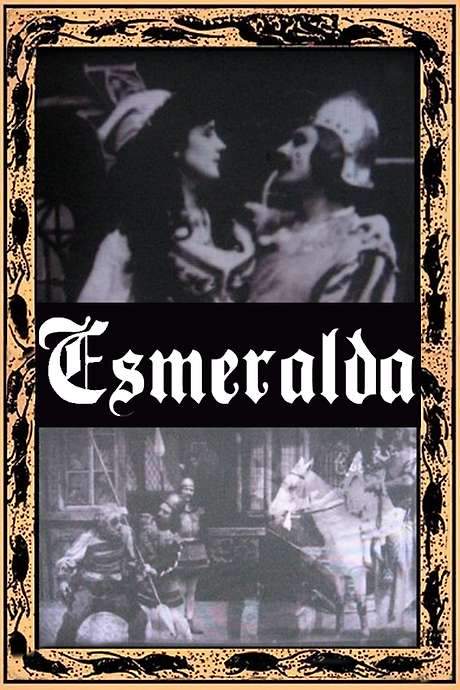
In 1482 Paris, the Festival of Fools fills the square before Notre‑Dame. Esmeralda, a captivating gypsy dancer, enchants the crowd with a bewitching performance. From his cathedral tower, alchemist Frollo watches her lustfully. He commands the deformed bell‑ringer Quasimodo to abduct her, but the hunchback is moved by her beauty and inner grace.

On this page (7)
  1. 1 Where to watch
  2. 2 What it is about
  3. 3 Is it worth watching?
  4. 4 After you watch
  5. 5 Movie threads
  6. 6 Movies like The Hunchback of Notre Dame
  7. 7 Every angle

Where to watch

Where to Watch The Hunchback of Notre Dame (1956)

Where can you watch The Hunchback of Notre Dame? Stream, rent or buy it in the US, including on Amazon Video: current JustWatch availability with up-to-date prices.

Streaming availability powered by JustWatch

Spoiler-free summary · safe to read

What Is The Hunchback of Notre Dame About? (No Spoilers)

The plot of The Hunchback of Notre Dame (1956) without spoilers: what it is about, who it follows and where it takes place, told without the twists or the ending. Enough to decide whether it is your next watch, not enough to ruin it.

In the bustling heart of 1482 Paris, the city’s streets pulse with the raucous joy of the Festival of Fools, a day when every social rank is turned upside‑down beneath the towering shadow of Notre‑Dame. The atmosphere is a dazzling mix of music, flamboyant costumes, and the smell of roasted meats, all set against the looming medieval architecture that hints at deeper, darker histories. Within this vibrant tableau, the audience’s eyes are drawn to a lone figure whose dance seems to capture the very spirit of the city itself.

Esmeralda moves through the crowd with a magnetic grace that feels both exotic and familiar, her performance a spellbinding blend of rhythm and rebellion. Watching from the lofty heights of the cathedral, Claude Frollo—a stern cleric whose scholarly pursuits conceal a restless obsession—finds his thoughts consumed by the dancer’s luminous presence. He summons his solitary servant, the deformed bell‑ringer Quasimodo, whose massive frame and muffled voice belie a heart that is as tender as it is tormented. The clash of their worlds—a sensual, free‑spirited performer, a cloistered man of faith, and a towering outcast—sets the stage for an uneasy tension that hums beneath the festival’s carefree din.

Amid the clamor, another voice weaves through the narrative: Pierre Gringoire, a wandering playwright whose words often fall on deaf ears, yet whose fate becomes tangled with the lives of those around him. The film’s tone balances the riotous colors of the holy day with a brooding, almost Gothic undercurrent, hinting at secrets hidden in stone and desire that cannot be easily silenced. As the sun sets over the Seine, the city breathes a collective anticipation, leaving the viewer to wonder how these striking personalities will navigate the fragile line between admiration and obsession, freedom and confinement, in a world where every echo from the cathedral towers carries a promise of both wonder and peril.

Last updated: December 05, 2025 at 09:26

Was this helpful?

What to expect

Is The Hunchback of Notre Dame Worth Watching? What It Feels Like

Is it dark, sad, slow, intense or confusing? The mood of The Hunchback of Notre Dame (1956) in a few tags, without a word about how it ends. Each tag opens a list of movies that feel the same.

After you watch

Seen The Hunchback of Notre Dame? Now Read the Spoilers

Once you have watched The Hunchback of Notre Dame (1956), come back for the full story: the plot summary with spoilers, the timeline in chronological order, the characters and meaning.

Movie threads

More Movies Like The Hunchback of Notre Dame, by Mood & Story

Curated lists built around what makes The Hunchback of Notre Dame tick: the same mood, the same kind of story or the same emotional payoff. Each list explains why these movies belong together.

Gothic tragedies of obsession and injustice like The Hunchback of Notre Dame

Stories of doomed love and societal cruelty set in oppressive, historical worlds. Explore movies like The Hunchback of Notre Dame that share a dark, gothic mood and themes of tragic love and social cruelty. These films often feature historical settings, heavy emotional weight, and bleak conclusions, creating a powerful and melancholic viewing experience for fans of epic, tragic dramas.

  • gothic
  • tragic
  • oppressive
  • melancholic
  • doomed
  • historical
  • Tone: dark, tragic, melancholic
  • Pacing: steady, dramatic
Why these movies?

The story pattern: Stories in this thread typically follow characters who become victims of a corrupt or rigid society, often through an unjust accusation or a forbidden desire. The plot revolves around their struggle for sanctuary or redemption, which is ultimately futile against overwhelming forces of oppression, leading to a devastating conclusion.

Why they belong together: Movies are grouped here for their shared dark, oppressive tone, high emotional intensity, and focus on themes like unrequited love, social injustice, and tragic fate. They create a cohesive experience through their steady, dramatic pacing and profoundly bleak endings that leave a lasting emotional impact.

Bleak Beauty and the Beast stories like The Hunchback of Notre Dame

Tales of outer ugliness and inner grace, where society's cruelty prevents a happy ending. Find movies like The Hunchback of Notre Dame that explore the tragic side of the 'Beauty and the Beast' archetype. These stories focus on the connection between an outcast and a kind soul, but are defined by their bleak endings where love is unrequited or destroyed by a cruel world.

  • tragic
  • melancholic
  • lonely
  • heartbreaking
  • unrequited love
  • grief
  • Tone: dark, melancholic, tragic
  • Pacing: steady, character-driven
Why these movies?

The story pattern: The narrative pattern centers on an unlikely, often non-romantic, bond formed between a deformed or socially shunned individual and a character who sees their true virtue. This connection is threatened by a villain representing societal norms or obsessive desire, leading to a climax where the 'beast' is often powerless to save the 'beauty' from a tragic fate.

Why they belong together: These films are grouped by their shared focus on the 'Beauty and the Beast' character dynamic, their high emotional weight stemming from unrequited love and grief, and their consistently bleak conclusions. The tone is dark and melancholic, emphasizing the pain of isolation and the cruelty of judging by appearances.

If you liked this

Movies Like The Hunchback of Notre Dame

Similar movies to The Hunchback of Notre Dame: the same genre, themes or kind of story. Each one comes with its own plot summary, timeline and ending explained.

Browse all movie summaries

Every angle

The Hunchback of Notre Dame (1956) Explained: Plot, Timeline & Characters

Everything about The Hunchback of Notre Dame in one place: what happens in the plot summary, the timeline in chronological order, the characters and meaning and a spoiler-free summary. What's After the Movie adds the cast, box office and post-credit scenes.

Coming soon on iOS and Android

The Plot Explained Movie Summary App

Plot summaries, endings explained and timelines on your phone. Catch up on any movie in minutes, save your favorites and never miss a twist again.

Be the first to know when we launch. Your email stays private, always.

Learn more about the app