Year: 1956
Runtime: 115 mins
Language: French
Director: Jean Delannoy
In 1482 Paris, the Festival of Fools fills the square before Notre‑Dame. Esmeralda, a captivating gypsy dancer, enchants the crowd with a bewitching performance. From his cathedral tower, alchemist Frollo watches her lustfully. He commands the deformed bell‑ringer Quasimodo to abduct her, but the hunchback is moved by her beauty and inner grace.
Find where to stream, rent, or buy The Hunchback of Notre Dame (1956) in the US with current JustWatch availability, up-to-date pricing, and platform listings for subscription, rental, and digital purchase options.
Warning: spoilers below!
Haven’t seen The Hunchback of Notre Dame yet? This summary contains major spoilers. Bookmark the page, watch the movie, and come back for the full breakdown. If you're ready, scroll on and relive the story!
Trace every key event in The Hunchback of Notre Dame (1956) with our detailed, chronological timeline. Perfect for unpacking nonlinear stories, spotting hidden connections, and understanding how each scene builds toward the film’s climax. Whether you're revisiting or decoding for the first time, this timeline gives you the full picture.
Last updated: October 09, 2025 at 14:06
Find frequently asked questions about the The Hunchback of Notre Dame (1956) timeline, including chronological order, nonlinear jumps, cause-and-effect links, and scene sequence clarifications. This timeline FAQ helps explain when key events happen, how moments connect, and why the story unfolds in that specific order.
Frollo has become obsessed with Esmeralda after watching her dance at the Feast of Fools. Consumed by lust and unable to act himself, he commands his hunchbacked servant Quasimodo to abduct her so he can take her for himself.
Earlier, Frollo watches Esmeralda with a growing, uneasy fixation that only intensifies throughout the festival.
During the Feast of Fools, the crowd crowns Quasimodo as King of Fools as a form of public spectacle and mockery of his deformities. He is paraded through the streets in a humiliating ceremony, though the moment also earns him brief recognition from the crowd.
This public humiliation sets the stage for the complex relationship between Quasimodo and the people of Paris.
Gringoire is condemned to hang at the Court of Miracles unless a woman agrees to marry him. Esmeralda volunteers to become his wife solely to save his life, though their marriage is platonic and prompted by compassion rather than romantic feelings.
Gringoire's near-execution stems from his failed play and being caught in the Roma's territory.
Claude Frollo is the one who stabs Phoebus, not Esmeralda. When Phoebus goes to meet Esmeralda at the inn, Frollo follows and attacks him out of jealousy. Esmeralda is wrongly accused and tortured until she confesses to the crime she did not commit.
Earlier, Frollo's suspicion shifts toward witchcraft after seeing Esmeralda spell Phoebus's name, fueling his jealousy and rage.
Esmeralda is sentenced to death after falsely confessing to stabbing Phoebus under torture. Just before her execution, Quasimodo swings down from the cathedral, carries her to the balcony, and grants her sanctuary within Notre Dame, where sacred ground protects her from capture.
The cathedral's sanctuary has been a recurring element of tension, especially as King Louis XI seeks to control church authority.
When Clopin rallies the Roma to storm Notre Dame and rescue Esmeralda, Quasimodo mistakes them for royal soldiers coming to take Esmeralda away. Believing they are enemies, he fights back by hurling stones and pouring molten wax down the cathedral's drainage system, killing several Roma.
Earlier tensions between the cathedral's authority and the Roma's community have been building throughout the story.
Although Clopin and the Roma successfully reach Esmeralda and begin pulling her down from the cathedral, King Louis XI's soldiers surround the area and rain arrows on the rescuers. Both Clopin and Esmeralda are struck and killed by the volley, turning the rescue into tragedy.
The king's forces have been gathering throughout the night, and the political struggle over sanctuary reaches its violent climax.
After Esmeralda's death, Frollo arrives at the cathedral balcony. Quasimodo, consumed by grief and rage, confronts him and hurls him over the railing, sending Frollo falling to his death in the streets below.
Frollo's guilt and obsession have been building throughout, and his presence at the balcony marks his final confrontation with Quasimodo.
Two years after their deaths, guards attempt to separate the skeletal remains of Quasimodo and Esmeralda, who have been lying together. When they try to pry the bones apart, both sets crumble into dust, symbolizing their eternal bond even in death.
The tragic ending reflects the story's themes of love, sacrifice, and the futility of fighting against fate.
The Court of Miracles is the hidden headquarters of the Roma in Paris, where their leader Clopin holds court. It serves as a place of rough justice where outsiders like Gringoire are sentenced to death unless a Roma woman chooses to marry them, providing the setting for Esmeralda's compulsory marriage to Gringoire.
The Court's existence highlights the parallel justice system existing within medieval Paris.
Discover curated groups of movies connected by mood, themes, and story style. Browse collections built around emotion, atmosphere, and narrative focus to easily find films that match what you feel like watching right now.
Stories of doomed love and societal cruelty set in oppressive, historical worlds.Explore movies like The Hunchback of Notre Dame that share a dark, gothic mood and themes of tragic love and social cruelty. These films often feature historical settings, heavy emotional weight, and bleak conclusions, creating a powerful and melancholic viewing experience for fans of epic, tragic dramas.
Stories in this thread typically follow characters who become victims of a corrupt or rigid society, often through an unjust accusation or a forbidden desire. The plot revolves around their struggle for sanctuary or redemption, which is ultimately futile against overwhelming forces of oppression, leading to a devastating conclusion.
Movies are grouped here for their shared dark, oppressive tone, high emotional intensity, and focus on themes like unrequited love, social injustice, and tragic fate. They create a cohesive experience through their steady, dramatic pacing and profoundly bleak endings that leave a lasting emotional impact.
Tales of outer ugliness and inner grace, where society's cruelty prevents a happy ending.Find movies like The Hunchback of Notre Dame that explore the tragic side of the 'Beauty and the Beast' archetype. These stories focus on the connection between an outcast and a kind soul, but are defined by their bleak endings where love is unrequited or destroyed by a cruel world.
The narrative pattern centers on an unlikely, often non-romantic, bond formed between a deformed or socially shunned individual and a character who sees their true virtue. This connection is threatened by a villain representing societal norms or obsessive desire, leading to a climax where the 'beast' is often powerless to save the 'beauty' from a tragic fate.
These films are grouped by their shared focus on the 'Beauty and the Beast' character dynamic, their high emotional weight stemming from unrequited love and grief, and their consistently bleak conclusions. The tone is dark and melancholic, emphasizing the pain of isolation and the cruelty of judging by appearances.
Don't stop at just watching - explore The Hunchback of Notre Dame in full detail. From the complete plot summary and scene-by-scene timeline to character breakdowns, thematic analysis, and a deep dive into the ending - every page helps you truly understand what The Hunchback of Notre Dame is all about. Plus, discover what's next after the movie.
Read a complete plot summary of The Hunchback of Notre Dame, including all key story points, character arcs, and turning points. This in-depth recap is ideal for understanding the narrative structure or reviewing what happened in the movie.
Discover the characters, locations, and core themes that shape The Hunchback of Notre Dame. Get insights into symbolic elements, setting significance, and deeper narrative meaning - ideal for thematic analysis and movie breakdowns.
Discover movies like The Hunchback of Notre Dame that share similar genres, themes, and storytelling elements. Whether you’re drawn to the atmosphere, character arcs, or plot structure, these curated recommendations will help you explore more films you’ll love.
The Hunchback of Notre Dame (1956) Plot Summary & Movie Recap
The Hunchback of Notre Dame (1956) Scene-by-Scene Movie Timeline
The Hunchback of Notre Dame (1956) Spoiler-Free Summary & Key Flow
Movies Like The Hunchback of Notre Dame – Similar Titles You’ll Enjoy
Notre Dame de Paris (2017) Film Overview & Timeline
The Hunchback of Notre Dame (1982) Plot Summary & Ending Explained
The Hunchback of Notre Dame (1911) Full Summary & Key Details
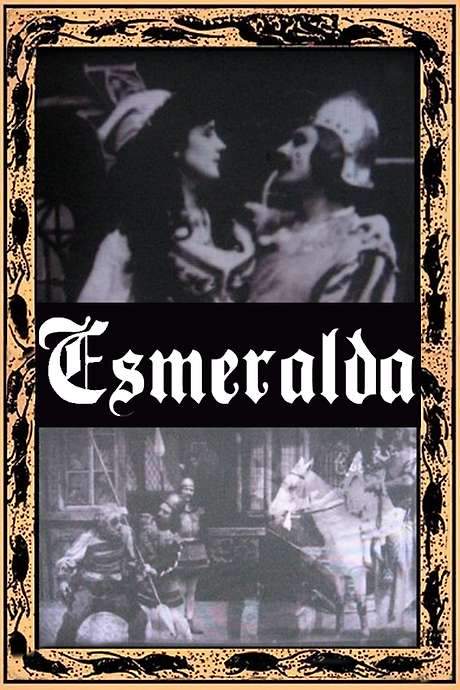
Esmeralda (1905) Ending Explained & Film Insights
Les Misérables (1934) Detailed Story Recap
Notre Dame de Paris (1999) Full Summary & Key Details
The Hunchback (1944) Detailed Story Recap
The Hunchback of Paris (1959) Film Overview & Timeline
Quasimodo d’el Paris (1999) Full Summary & Key Details
The Hunchback of Notre Dame (1976) Film Overview & Timeline
The Hunchback of Notre Dame (1939) Detailed Story Recap
The Hunchback of Soho (1966) Full Summary & Key Details
The Hunchback (1997) Film Overview & Timeline
The Hunchback of Notre Dame (1923) Full Movie Breakdown
The Mysteries of Paris (1962) Story Summary & Characters