Plot Explained Spoilers guaranteed!
Plot Explained

Browse by genre

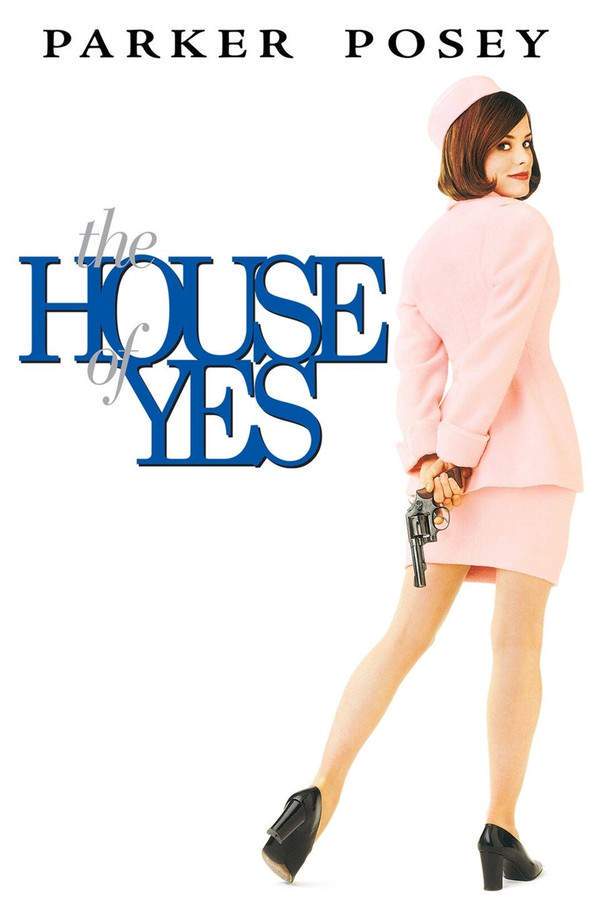
The House of Yes (1997) movie poster

Plot Summary

The House of Yes (1997) Plot Summary Explained

Release, runtime and language
1997 · 85 min · English
Directed by
Mark Waters
Starring
Parker Posey, Josh Hamilton
Budget
$1.5M

A couple's engagement weekend with a peculiar family takes a dark and unsettling turn. As they gather at a sprawling, eccentric mansion, long-buried secrets and dysfunctional dynamics begin to emerge. The weekend spirals into chaos, exploring themes of toxic relationships, repressed desires, and the unsettling blurring of reality and delusion within a backdrop of mounting psychological tension.

On this page (6)
  1. 1 Where to watch
  2. 2 What happens: full plot
  3. 3 Plot questions answered
  4. 4 Movie threads
  5. 5 Movies like The House of Yes
  6. 6 Every angle

Where to watch

Where to Watch The House of Yes (1997)

Where can you watch The House of Yes? Stream, rent or buy it in the US, including on Hoopla, Pluto TV and Amazon Video: current JustWatch availability with up-to-date prices.

Streaming availability powered by JustWatch

Full plot summary · contains spoilers

What Happens in The House of Yes: Full Plot Summary

The whole story of The House of Yes (1997) explained, from the opening scene to the final frame: every key event, every twist and what it all adds up to. Read it as a quick recap before the sequel, to check a scene you missed, or to finally understand what really happened.

On Thanksgiving Day in 1983, Marty Pascal (Josh Hamilton), a college student at Georgetown, nervously brings his fiancée, Lesly (Tori Spelling), to his family's sprawling estate in McLean, Virginia. This is her first meeting with his family, and the pressure is palpable as Marty has only hinted at her presence without divulging any details. As they prepare for her arrival, the family braces itself for both the impending introduction and the oncoming hurricane.

Marty's twin sister, Jacqueline (Parker Posey), recently released from a psychiatric facility, is initially ecstatic about his visit. However, upon learning that a guest is joining Marty, she spirals into distress, showcasing signs of borderline personality disorder through erratic mood fluctuations and difficulty with change. Known affectionately as "Jackie-O," she harbors a peculiar fascination with the former First Lady and the JFK assassination, mirroring her icon's style and demeanor.

Living under the watchful eyes of her mother, Mrs. Pascal (Geneviève Bujold), and younger brother, Anthony (Freddie Prinze, Jr.), Jackie-O is fiercely protected. Mrs. Pascal is instantly wary of Lesly, raising the stakes of the encounter. In stark contrast, Lesly enters the situation blissfully unaware of the family dynamics, embodying the kind of "normalcy" that entices Marty and serves as an escape from his family's chaos.

As the hurricane rages outside, Marty and Lesly find themselves trapped indoors, heightening tensions within the household. When Jackie-O meets Lesly, her façade nearly crumbles at the bathroom sink, yet, she quickly regains composure, introducing herself with a playful yet probing demeanor. She dives into discussions about Marty's past relationships, indicating a former flame that may resurface, fueling Jackie-O’s underlying jealousy.

The shocking truth surfaces as it becomes clear that Marty's intense past romance was with Jackie-O herself. She persuades Marty into reenacting their childhood game—a dramatization of the JFK assassination—which leads to a moment of intimacy that shatters Lesly's world when she unexpectedly witnesses them together. In a moment of betrayal, Lesly retreats to the safety of the upstairs, only to be misled by Anthony about Marty's supposed insecurities.

As dawn breaks with the storm's end, Lesly confronts the family about their tumultuous night. Under pressure from Mrs. Pascal, Anthony reluctantly reveals the shocking truth about the previous evening, prompting Jackie-O to seek out a loaded gun that Marty has hidden away. In a climactic confrontation, Jackie-O implores Marty to indulge her in one last game, resulting in a catastrophic choice—she shoots and kills Anthony.

Lesly, horrified, escapes the chaos, while Jackie-O chillingly narrates a final goodbye, revealing that Marty lies buried in the backyard "next to Daddy." The family’s legacy of turmoil and dysfunction culminates in tragedy, forever altering the lives entwined by love and madness.

Last updated: November 02, 2024 at 13:33

Was this helpful?

Plot questions answered

The House of Yes Plot Explained: Your Questions Answered

The questions people ask most about The House of Yes (1997): what happens in the confusing scenes, why the characters do what they do, the twists, hidden details and what the ending means. Each answer contains spoilers.

Q1

Why does Jackie-O react so negatively to Lesly's arrival

Jackie-O spirals into distress because she has been in a psychiatric facility and struggles with borderline personality disorder, making any change in her routine extremely difficult to handle. More importantly, she learns that Marty has brought a fiancée, which threatens her complex feelings toward her twin brother. Her emotional breakdown stems from both her instability and her unresolved romantic feelings for Marty.

Foreshadowing: Early in the film, Jackie-O's mood shifts dramatically the moment she hears about Lesly, signaling her inability to accept any rival for Marty's attention.

  • Jackie-O
  • Lesly
  • borderline personality disorder
  • emotional breakdown
  • Marty
Q2

Why is Jackie-O obsessed with Jackie Kennedy

Jackie-O models her entire identity after Jackie Kennedy, adopting her style, demeanor, and fascination with the JFK assassination. This obsession serves as a coping mechanism and a way to construct a persona that feels more stable and distinguished than her own fractured sense of self. The obsession also reflects her deeper preoccupation with tragedy and death, which foreshadows the film's violent climax.

Foreshadowing: Jackie-O's constant references to Jackie Kennedy and the assassination establish her psychological fragility and hint at her attraction to dramatic, tragic narratives.

  • Jackie Kennedy
  • JFK assassination
  • obsession
  • identity
  • coping mechanism
Q3

Why did Marty have a past relationship with his twin sister

Marty and Jackie-O shared an intense romantic relationship in their past, which they disguised as a childhood game. This incestuous dynamic has been suppressed but clearly remains unresolved between them. When Jackie-O persuades Marty to reenact their childhood JFK assassination game, it becomes clear their past intimacy was real, not imaginary playacting. Marty brought Lesly to escape this dysfunctional pattern, but Jackie-O's manipulation draws him back in.

Foreshadowing: Jackie-O's provocative questions about Marty's past relationships and her jealousy toward Lesly hint at their shared romantic history long before it's explicitly revealed.

  • Marty
  • Jackie-O
  • incest
  • romantic relationship
  • childhood game
Q4

What was the childhood game that Marty and Jackie-O reenacted

The childhood game is a dramatization of the JFK assassination that Marty and Jackie-O played as children. However, when they reenact it as adults, the game becomes a vehicle for intimacy and emotional release between them. The game serves as a dark ritual that blurs the line between play and reality, allowing Jackie-O to act on her desires while Marty briefly succumbs to their shared past.

Foreshadowing: The game is first mentioned when Jackie-O persuades Marty to play it, signaling that this childhood activity carries far deeper psychological weight than simple nostalgia.

  • JFK assassination
  • childhood game
  • reenactment
  • intimacy
  • ritual
Q5

Why does Lesly feel betrayed after witnessing the game

Lesly feels betrayed because she witnesses Marty and Jackie-O in an intimate moment that goes far beyond sibling playacting. The physical and emotional connection between them is unmistakable, revealing that Marty's past relationship with his sister was romantic, not platonic. This shatters Lesly's understanding of her fiancé and the family she was about to join, making her realize the dysfunction runs far deeper than she initially understood.

Foreshadowing: Earlier moments where Jackie-O probes about Marty's past relationships and displays clear jealousy foreshadow the depth of their historical connection.

  • Lesly
  • betrayal
  • witnessing
  • intimate moment
  • relationship reveal
Q6

Why does Anthony reveal the truth about Marty and Jackie-O

Anthony reveals the truth because Lesly confronts the family at dawn about the previous night's events, and Mrs. Pascal's pressure forces him to speak. Anthony has been protective of Jackie-O throughout the film, but the mounting tension and Lesly's insistence create an unbearable situation where he can no longer maintain the family's secrets. His reluctant confession marks the point where the family's hidden dynamics can no longer be suppressed.

Foreshadowing: Anthony's misleading comments to Lesly about Marty's insecurities earlier suggested he was managing information, building toward his eventual disclosure.

  • Anthony
  • truth reveal
  • family secrets
  • confrontation
  • pressure
Q7

Why does Jackie-O seek out the hidden gun

Jackie-O seeks the gun because she is experiencing a complete psychological breakdown following the confrontation. The gun represents both her desire for control in a chaotic moment and her ultimate willingness to escalate the situation. She implores Marty to engage in one final game, using the gun as both a prop and a threat to force his participation in her twisted narrative. Her action demonstrates the extreme extent of her instability and her need to resolve things on her own terms.

Foreshadowing: Jackie's history of mental instability, combined with her fixation on tragic events like the JFK assassination, foreshadows her capacity for violent action.

  • Jackie-O
  • gun
  • psychological breakdown
  • final game
  • escalation
Q8

Why does Jackie-O shoot and kill Anthony instead of Marty

Jackie-O kills Anthony during the climactic confrontation because the situation spirals beyond anyone's control. When she implores Marty to play one last game with the gun, the outcome is chaotic and unintended. Anthony becomes the victim of this uncontrollable moment rather than a deliberate target. The shooting represents the culmination of the family's dysfunction reaching its most tragic and random conclusion, claiming an innocent life in the crossfire of Jackie-O's breakdown.

Foreshadowing: The family's constant protection of Jackie-O and her unpredictable behavior establish that anyone could become a victim of her instability.

  • Anthony
  • killing
  • shooting
  • chaos
  • tragedy
Q9

What happened to Marty after the shooting

After Jackie-O shoots Anthony, Marty is killed as well. In the final moment, Jackie-O chillingly reveals that Marty lies buried in the backyard next to their father. This means the violence was even more catastrophic than initially understood, Marty did not survive the family's Thanksgiving nightmare. Jackie-O's calm narration of this fact demonstrates how completely detached from reality she has become, presenting the murder of her own brother as simply another family secret to be disclosed.

Foreshadowing: The repeated references to the family's buried secrets and the father's death hint that the backyard already holds dark family secrets.

  • Marty
  • buried
  • backyard
  • death
  • final scene
Q10

Why is the ending so bleak and what does it represent

The ending is bleak because the entire family system has collapsed into tragedy, with Marty and Anthony both dead and Jackie-O narrating from a detached, delusional state. Lesly escapes but is forever marked by this experience. The film suggests this family was fundamentally broken long before Lesly arrived, their legacy of dysfunction, incest, and mental illness has now claimed two generations. The backyard burial 'next to Daddy' symbolizes how the family's cycle of trauma continues unbroken, with Jackie-O now alone in her madness.
Foreshadowing: The hurricane mirroring internal family chaos, Jackie-O's obsession with death and tragedy, and the constant suppression of secrets all build toward an ending where nothing can be contained anymore.

  • bleak ending
  • family dysfunction
  • cycle of trauma
  • death
  • legacy
Q11

Why is the hurricane important to the story

The hurricane serves as both a literal and symbolic device that traps the family indoors, creating pressure cooker conditions for the buried tensions to explode. The storm mirrors the emotional turbulence within the household, Jackie's instability, the family's secrets, and the approaching confrontation between Marty and Lesly. By keeping everyone confined together, the hurricane prevents any escape and forces the inevitable reckoning to unfold within the closed environment of the Pascal estate.

Foreshadowing: The family braces for both the hurricane and Lesly's arrival, linking the external storm to the internal family crisis.

  • hurricane
  • trapped
  • pressure
  • tension
  • symbolism
Q12

What is Mrs. Pascal's role in the family's dysfunction

Mrs. Pascal serves as the matriarch who maintains the family's toxic equilibrium. She is instantly wary of Lesly and applies pressure on Anthony to reveal the truth when confrontation becomes inevitable. Her protective stance toward Jackie-O enables Jackie-O's behavior to continue unchecked. Mrs. Pascal represents the family system that silently tolerates and enables the dysfunction, forcing secrets to remain buried until they erupt in violence. She is complicit in the tragedy through her denial and control.

Foreshadowing: Mrs. Pascal's instant wariness of Lesly and her pressure on Anthony during the confrontation reveal her as the architect of the family's suppressed truths.

  • Mrs. Pascal
  • matriarch
  • enabling
  • control
  • family system

Movie threads

More Movies Like The House of Yes, by Mood & Story

Curated lists built around what makes The House of Yes tick: the same mood, the same kind of story or the same emotional payoff. Each list explains why these movies belong together.

Claustrophobic Family Thrillers like The House of Yes

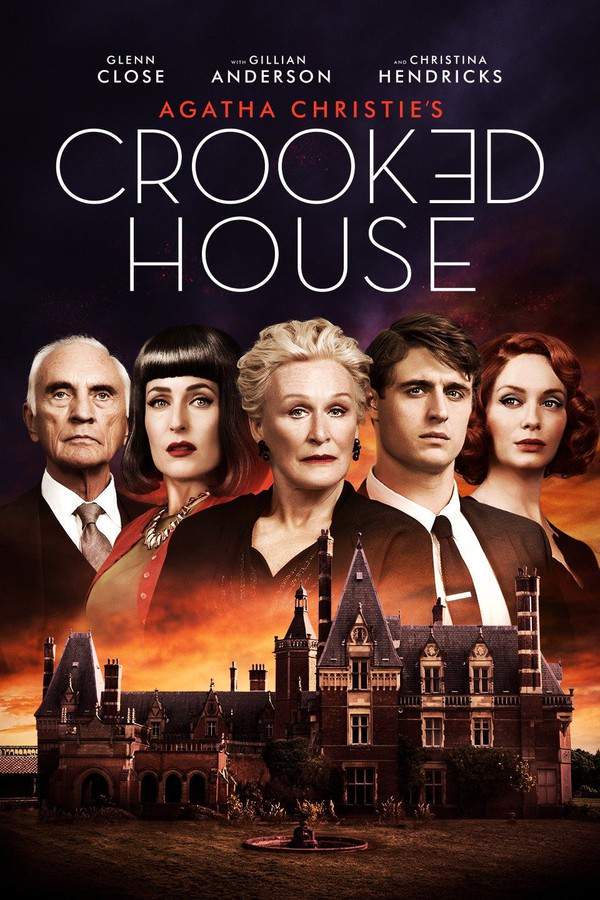
Dysfunctional families unravel in isolated settings where secrets turn deadly. If you liked the intense, unsettling dynamics of The House of Yes, explore more movies about dysfunctional families trapped together. These films deliver similar claustrophobic tension, deep psychological unease, and dramatic revelations of dark family secrets.

  • claustrophobic
  • dysfunctional
  • tense
  • unsettling
  • psychological
  • dark secrets
  • Tone: dark, unsettling, tense
  • Pacing: steady, building pressure
Why these movies?

The story pattern: These narratives typically isolate a family or group in a single location, often a large home. An external visitor or event acts as a catalyst, forcing repressed tensions, secrets, and mental instabilities to the surface, often escalating to a violent or tragic climax.

Why they belong together: They share a core focus on psychological tension born from familial dysfunction within a confined setting, creating a consistent vibe of unease, dread, and inevitable collapse.

Modern Gothic Psychological Dramas like The House of Yes

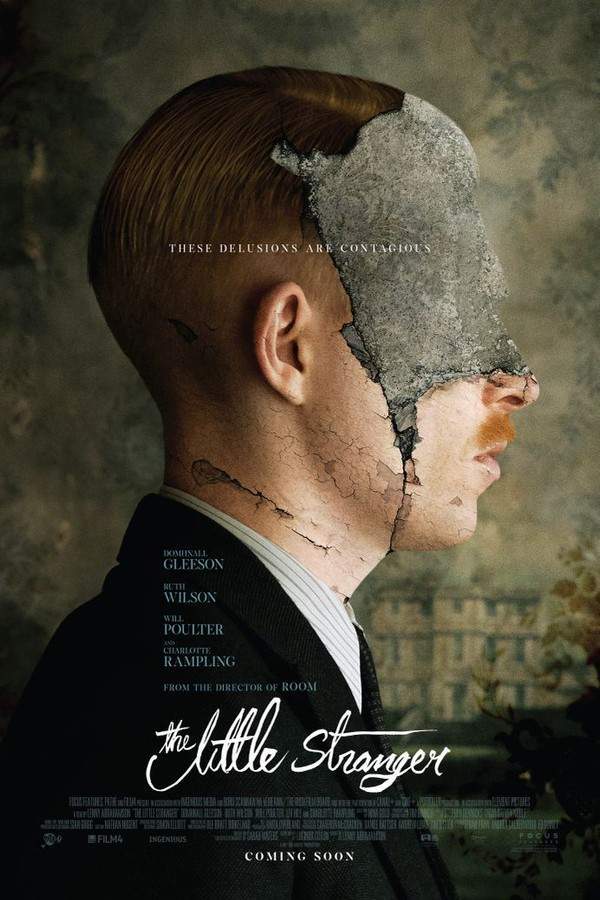
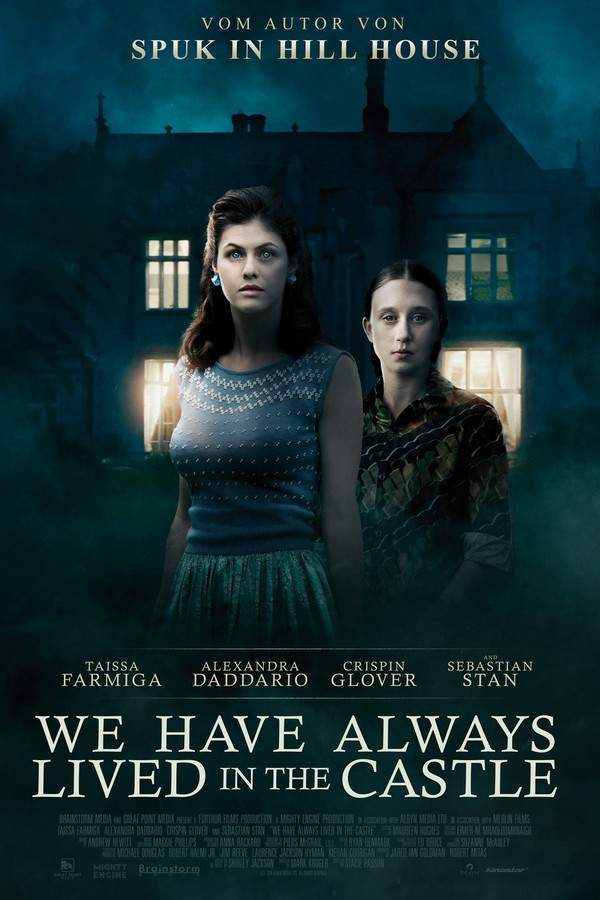
Stories where a decaying mansion mirrors the psychological collapse within. Find movies with a similar gothic sensibility to The House of Yes, where the setting is a character itself. These stories feature psychological tension, eccentric characters, repressed desires, and a dark, melancholic mood that builds to a disturbing conclusion.

  • gothic
  • unsettling
  • melancholic
  • psychological
  • eccentric
  • repressed desires
  • Tone: dark, melancholic, disturbing
  • Pacing: steady, deliberate
Why these movies?

The story pattern: The story unfolds within a distinctive, often oppressive environment that symbolizes the characters' internal states. The plot revolves around uncovering layers of psychological disturbance, taboo desires, and a past that haunts the present, leading to a tragic resolution.

Why they belong together: They are grouped by their shared aesthetic of a 'haunted' house reflecting a 'haunted' mind, a darkly romanticized view of decay, and a focus on psychological unraveling over outright horror.

If you liked this

Movies Like The House of Yes

Similar movies to The House of Yes: the same genre, themes or kind of story. Each one comes with its own plot summary, timeline and ending explained.

Browse all movie summaries

Every angle

The House of Yes (1997) Explained: Plot, Timeline & Characters

Everything about The House of Yes in one place: what happens in the plot summary, the timeline in chronological order, the characters and meaning and a spoiler-free summary. What's After the Movie adds the cast, box office and post-credit scenes.

Coming soon on iOS and Android

The Plot Explained Movie Summary App

Plot summaries, endings explained and timelines on your phone. Catch up on any movie in minutes, save your favorites and never miss a twist again.

Be the first to know when we launch. Your email stays private, always.

Learn more about the app