Plot Explained Spoilers guaranteed!
Plot Explained

Browse by genre

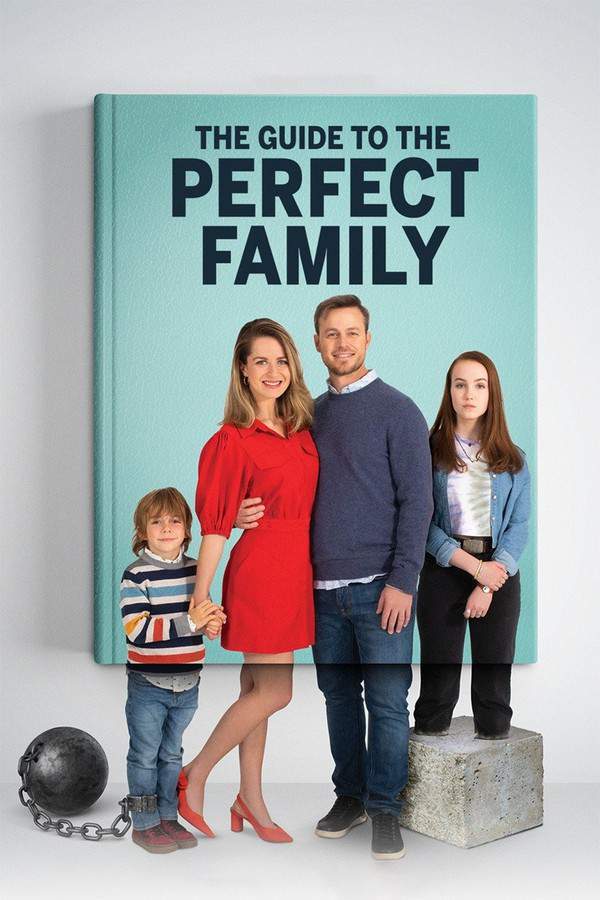
The Guide to the Perfect Family (2021) movie poster

Plot Summary

The Guide to the Perfect Family (2021) Plot Summary & Ending Explained

Release, runtime and language
2021 · 102 min · French
Echo score 73
Loading streaming availability…
Directed by
Ricardo Trogi
Starring
Emilie Bierre, Alexandre Goyette, Catherine Chabot, Fayçal Azzouz, Gilles Renaud, Holden Wong

Set in Quebec City, this film explores the challenges faced by a couple striving to create the ideal family. They grapple with the pressures of social media, the desire for their children to succeed, and the everyday ups and downs of raising a family in the modern world. The story humorously portrays their journey as they try to balance their aspirations with the realities of parenthood.

On this page (7)
  1. 1 Where to watch
  2. 2 What happens: full plot
  3. 3 Plot questions answered
  4. 4 How it ends
  5. 5 Movie threads
  6. 6 Movies like The Guide to the Perfect Family
  7. 7 Every angle
Loading streaming availability…

Full plot summary · contains spoilers

What Happens in The Guide to the Perfect Family: Full Plot Summary

The whole story of The Guide to the Perfect Family (2021) explained, from the opening scene to the final frame: every key event, every twist and what it all adds up to. Read it as a quick recap before the sequel, to check a scene you missed, or to finally understand what really happened.

Rose Dubois, Emilie Bierre, is a bright yet heavily pressured high-school student who must juggle dance, hockey, and tutoring sessions, all under the stern gaze of her father, Martin Dubois, Louis Morissette. He believes that every choice in Grade 11 will shape her future, warning that failure could land her in low-wage work, like a cashier at a convenience store. The weight of his expectations looms large as Rose moves through a world where performance is not just encouraged, it is demanded.

Pier-Luc Roy, Jean-Carl Boucher, enters the picture as a new hire who is the son of a colleague. He is introduced with a blunt self-assessment: "I don't work under pressure." The truth, however, is more nuanced: he is driven to achieve, but he hates heavy workloads and resists repercussions from his supervisor. This clash of work ethic and pressure sets up a tension that soon has real consequences, as Martin ends up losing a significant promotion after a major contract falls under Pier-Luc’s responsibility.

The family pressure does not stay confined to Rose’s academic life. After school, she faces relentless reminders from her father about the path he wants for her—dance and hockey practice, tutoring, and above all, stellar performance in Grade 11. The message is clear: success now is the gatekeeper to a secure future. In this high-pressure environment, Rose makes harmful choices to cope with the strain, turning to drugs and trading for past exam papers in an attempt to stay ahead and meet the impossible standard set for her.

As exams draw near, Martin proposes a weekend getaway to visit Rose’s grandparents by a lake in the woods, hoping the time away will help them reconnect. What starts as a hopeful effort to mend their strained relationship soon tests the boundaries of their bond. A conflict erupts during an activity that initially promises to be a bonding moment, and Rose uses the opportunity to voice a painful truth: she feels she never lives up to her father’s aspirations.

Returning to the city, Rose ends up living with her mother, Caroline, a shift that compounds the emotional strain inside the family. During a mother-daughter evening, Rose slips back into her old routine of hiding her struggles. She goes back to their apartment, drinks a bottle of wine, and takes a large number of pills she finds in a cupboard after secretly checking her final exams online. The morning after, Caroline finds her daughter unconscious in the bathroom, and an ambulance is summoned to rush her to the hospital.

Rose pulls through the crisis, and mother and daughter share apologies and a fragile sense of reconciliation. She eventually goes back home with Martin, and the family begins to face the road ahead with a renewed, albeit cautious, sense of contact. In a quiet moment at a park not long after, the trio—father, daughter, and little brother Mathis—go for ice cream. Mathis, Thomas Vallieres, heads toward the swings, trips, and falls. Rose tells Martin to let the boy learn on his own, a small but telling gesture about growing up and letting life’s mishaps teach through experience rather than overprotection.
Last updated: December 06, 2025 at 16:32

Was this helpful?

Plot questions answered

The Guide to the Perfect Family Plot Explained: Your Questions Answered

The questions people ask most about The Guide to the Perfect Family (2021): what happens in the confusing scenes, why the characters do what they do, the twists, hidden details and what the ending means. Each answer contains spoilers.

Q1

Why did Martin hire Pier-Luc despite his poor work ethic?

Martin hired Pier-Luc because he was the son of a colleague. Martin likely expected favor or goodwill from the colleague in return. However, Pier-Luc's refusal to work under pressure led to mishandling a major contract, which cost Martin a significant promotion.

Foreshadowing: Early in the film, Pier-Luc explicitly states he doesn't work under pressure, foreshadowing his eventual failure that impacts Martin's career.

  • martin dubois
  • pier-luc
  • promotion
  • work pressure
  • contract loss
Q2

Why did Rose turn to drugs to cope with pressure?

Rose began using drugs because the relentless pressure from her father Martin to excel in Grade 11, while juggling dance, hockey, and tutoring, became overwhelming. She also traded drugs for past exam papers to try to gain an unfair advantage, showing how desperate she was to meet her father's impossible expectations.

Foreshadowing: Martin's warnings that failure in Grade 11 would lead to a life as a convenience store cashier set the foundation for Rose's anxiety and desperate measures.

  • rose dubois
  • drugs
  • academic pressure
  • grade 11
  • exam papers
Q3

What triggered Rose's suicide attempt?

Rose's overdose was triggered by a combination of factors: returning to live with her mother after the trip, accessing her final exam results online, and feeling she couldn't escape the pressure. She drank wine and took pills from a cupboard, resulting in her mother finding her unconscious the next morning.

Foreshadowing: The weekend trip where Rose told her father she never lived up to his aspirations planted the seed for her desperation, especially after the family rejected her honest confession.

  • rose overdose
  • suicide attempt
  • pills
  • caroline
  • hospital
Q4

Why did Rose move to live with her mother Caroline?

After the conflict during the weekend trip to the grandparents' cabin, Rose moved to live with her mother Caroline. The trip had exposed the rift between Rose and Martin, and the strain led to Rose choosing to live with her mother in the city instead.

Foreshadowing: The conflict during the woods trip, where Rose voiced her feelings of inadequacy, directly preceded this major family shift.

  • rose moves
  • caroline
  • mother daughter
  • family split
Q5

How did Pier-Luc's mistake affect Martin's career?

Pier-Luc's mishandling of a major contract due to his refusal to work under pressure caused the company to lose a significant opportunity. This directly jeopardized Martin's standing at work and cost him a major promotion he had been expecting.

Foreshadowing: The hiring decision was framed as potentially beneficial to Martin due to his colleague connection, which made the eventual failure more damaging.

  • martin promotion
  • contract loss
  • pier-luc
  • career
Q6

Why did Rose tell Martin not to help Mathis at the park?

When Mathis tripped and fell on the swings, Rose stopped Martin from rushing to help, telling him to let the boy learn on his own. This moment symbolized Rose's new perspective on letting experiences teach lessons rather than overprotecting children, reflecting her own journey of needing freedom from excessive parental control.

Foreshadowing: The family dynamic had shifted after Rose's recovery, with her gaining more voice in family decisions.

  • mathis
  • swings
  • park
  • rose
  • let learn
  • overprotection
Q7

What did Rose mean when she said she never lives up to her father's aspirations?

During the conflict at the lake, Rose told Martin she feels she never lives up to his expectations. This reflected her deep-seated belief that no matter how hard she tried with dance, hockey, and tutoring, it was never enough to satisfy his demands that every choice in Grade 11 would determine her future.

Foreshadowing: This moment directly preceded Rose's decision to move out and eventually her crisis, showing how his pressure had worn her down.

  • expectations
  • father daughter
  • aspirations
  • grade 11
  • pressure
Q8

How did Martin and Rose reconcile after the hospital?

After Rose was hospitalized following her overdose, both Martin and Rose apologized to each other. The near-death experience became a catalyst for honest dialogue about their relationship. Rose eventually moved back home with Martin, and the family began rebuilding with a more relaxed approach to expectations.

Foreshadowing: The hospital scene forced Martin to confront the consequences of his pressure, opening the door for genuine reconciliation.

  • reconciliation
  • apology
  • hospital
  • family healing
  • rose returns home
Q9

Why did Martin suggest the weekend trip to the grandparents' cabin?

Martin suggested the weekend getaway to Rose's grandparents' cabin in the woods as an attempt to reconnect with his daughter and relieve the mounting stress from exams. He hoped the time away would help mend their strained relationship before final exams.

Foreshadowing: The trip was framed as a break from pressure, but the underlying family tension made conflict inevitable.

  • grandparents
  • cabin
  • woods
  • reconnect
  • weekend trip

Ending explained

What Happens at the End of The Guide to the Perfect Family?

How The Guide to the Perfect Family (2021) ends, in short: the final scene, the last twist and what it means for the characters. The full ending explained, with every spoiler, lives on its own page.

Read the full ending explained

In the end, the film reveals how the relentless pursuit of perfection and high expectations can when left unchecked, cause immense damage to both parents and children. Rosa’s mental health struggles were a clear indicator that her father's obsession with success had become burdensome, leaving her feeling overwhelmed and trapped. Her final act of attempting suicide was a heartbreaking acknowledgment of her distress, and it served as a wake-up call for Martin. Through this crisis, he finally sees that supporting his daughter’s dreams and accepting her for who she is matters far more than her grades or societal standards of success. The closing scene, where Martin, Rosa, and Mathis enjoy simple pleasures like ice-cream in the park, symbolizes a return to a more genuine, caring family dynamic. It underscores that sometimes, the most important thing is to let children grow naturally, without the constant pressure to be perfect. Martin’s journey from rigidity to acceptance highlights the importance of understanding, compassion, and the realization that being “average” can be enough. Ultimately, the film emphasizes that true happiness and fulfillment come from embracing who we are and supporting those we love, rather than chasing an illusory ideal of perfection.>

The Guide to the Perfect Family ending explained in full

Movie threads

More Movies Like The Guide to the Perfect Family, by Mood & Story

Curated lists built around what makes The Guide to the Perfect Family tick: the same mood, the same kind of story or the same emotional payoff. Each list explains why these movies belong together.

Movies about modern family pressure like The Guide to the Perfect Family

Stories where the pursuit of perfection pushes modern families to the brink. If you enjoyed The Guide to the Perfect Family, this list features similar movies about the struggles of modern parenting. These films explore themes of academic stress, teenage rebellion, and the heavy emotional toll of trying to create a perfect life, often culminating in a heartfelt reconciliation.

  • anxious
  • heartfelt
  • familial
  • pressured
  • tense
  • reconciliatory
  • Tone: bittersweet, tense
  • Pacing: steady, character driven
Why these movies?

The story pattern: The narrative pattern follows a seemingly stable family unit as external and internal pressures mount. The focus is on the gap between idealized family life and messy reality, often triggered by a child's struggle with performance or mental health. This leads to a family crisis that forces introspection, communication, and ultimately, a shift towards acceptance and forgiveness.

Why they belong together: Movies are grouped here for their shared focus on the intense emotional weight of modern familial expectations. They blend heartfelt drama with moments of tension and anxiety, frequently using a steady, character-driven pace to build towards a reconciliatory, hopeful ending that emphasizes growth over perfection.

Bittersweet family dramedies like The Guide to the Perfect Family

Domestic stories where serious crises are balanced by humor and heartfelt resolution. Looking for movies similar to The Guide to the Perfect Family? This collection features bittersweet comedies and dramas about family life. These stories blend heavy emotional themes with gentle humor, leading to a hopeful conclusion about forgiveness and the imperfect beauty of family.

  • heartfelt
  • reflective
  • bittersweet
  • emotional
  • hopeful
  • familial
  • Tone: bittersweet, heartfelt
  • Pacing: steady, reflective
Why these movies?

The story pattern: The emotional journey begins with a relatively normal domestic setting that gradually reveals deep-seated issues. A significant, often dark event (like a suicide attempt or breakdown) serves as the climax, shattering illusions. The resolution involves characters confronting harsh truths, using humor as a coping mechanism, and ultimately finding a sense of peace and realistic hope, not a fairy-tale ending.

Why they belong together: These films share a specific tonal blend: they are primarily dramatic and heavy, but use comedy to provide levity and relatability, preventing the story from becoming overwhelmingly bleak. The pacing is steady, focusing on character development, and they consistently conclude with a sense of earned optimism after navigating serious turmoil.

If you liked this

Movies Like The Guide to the Perfect Family

Similar movies to The Guide to the Perfect Family: the same genre, themes or kind of story. Each one comes with its own plot summary, timeline and ending explained.

Browse all movie summaries

Every angle

The Guide to the Perfect Family (2021) Explained: Plot, Ending, Timeline & Characters

Everything about The Guide to the Perfect Family in one place: what happens in the plot summary, the timeline in chronological order, the characters and meaning, the ending explained and a spoiler-free summary. What's After the Movie adds the cast, box office and post-credit scenes.

Coming soon on iOS and Android

The Plot Explained Movie Summary App

Plot summaries, endings explained and timelines on your phone. Catch up on any movie in minutes, save your favorites and never miss a twist again.

Be the first to know when we launch. Your email stays private, always.

Learn more about the app