Year: 1934
Runtime: 8 mins
Language: English
Director: Wilfred Jackson
A carefree grasshopper spends his days fiddling while industrious ants stockpile food for winter. He charms a small ant with his music, but the ant‑queen scolds him and warns of the coming cold. When winter arrives, the starving grasshopper finds the ants feasting in their tree home. They shelter him, but the queen insists only those who work may eat, so he must perform for them.
Find where to stream, rent, or buy The Grasshopper and the Ants (1934) in the US with current JustWatch availability, up-to-date pricing, and platform listings for subscription, rental, and digital purchase options.
Warning: spoilers below!
Haven’t seen The Grasshopper and the Ants yet? This summary contains major spoilers. Bookmark the page, watch the movie, and come back for the full breakdown. If you're ready, scroll on and relive the story!
Read the complete plot breakdown of The Grasshopper and the Ants (1934), including all key story events, major twists, and the ending explained in detail. Discover what really happened, and what it all means.
The Grasshopper is content to drift through the meadow, fiddling, dancing, and munching on leaves. He spots a line of ants busy gathering food and laughs, calling one ant over to him. He tells the ant that there is food on every tree and there’s no reason to work, then launches into a bright, carefree song about how the world owes us a living.
The world owes us a living.
The ant begins to dance along for a moment, but soon the mood shifts as the Ant Queen is carried in a sedan chair and surveys the scene. The queen’s arrival brings a stern warning: idle playing won’t feed the colony, and she makes it clear that the grasshopper’s tune will not keep him fed when real hardship comes. The ant, listening to the queen’s authority, resumes its quiet labor, and the grasshopper’s merriment falters under the weight of the looming consequence.
Autumn gives way to winter, and the world grows cold. The grasshopper trudges through the snow, cold and hungry, as a single withered leaf offers a fragile hint of sustenance before it is carried away by the wind. Inside their sturdy shelter, the ants are feasting on stored food, warm and safe from the cold. Desperation leads the grasshopper to the ants’ door, where he collapses from exhaustion and pleas for shelter. The ants bring him inside, provide warmth, and set out food to help him endure the harsh season. The queen approaches once more, and with a firm but fair tone, explains the rule: only those who work may stay, and she tells him to take his fiddle.
Thinking he is being dismissed, the grasshopper makes to leave, but the queen’s command changes the moment: he must play. He tunes the fiddle again and, in a turn of humility, sings that he owes the world a living, recognizing that the ants were right about the value of effort and cooperation. The moment marks a quiet transformation, showing how hardship can teach a way of living that honors the community that sustains everyone through the harshest days.
Last updated: February 20, 2026 at 12:31
Explore frequently asked questions about The Grasshopper and the Ants (1934) with spoiler-rich answers covering the full plot summary, major story beats, character motivations, hidden details, and ending meaning. This movie summary FAQ helps explain confusing scenes, plot twists, and narrative decisions in clear, searchable detail.
The grasshopper believes that food is readily available everywhere - on every tree and throughout the meadow. He philosophizes that 'the world owes us a living' and sees no need to labor when there appears to be endless abundance. His carefree nature and musical talent make him believe he can simply enjoy life without the burden of preparation.
Earlier, the grasshopper's dismissive attitude toward work sets up the contrast with his later suffering.
The Queen ant arrives in a sedan chair and observes the grasshopper idly playing while some ants dance instead of working. She delivers a stern warning that idle playing won't feed the colony and that when winter comes, his fiddle music will not keep him fed. She emphasizes that the ant colony must prepare for hardship.
The Queen's warning about winter directly foreshadows the grasshopper's eventual suffering.
The grasshopper dismisses the Queen's warning by insisting that winter is 'a long way off.' His optimistic and carefree nature prevents him from taking the threat seriously. He continues believing that there will always be enough food available without needing to prepare, confident that his carefree lifestyle will work out.
His dismissal of the warning creates the dramatic irony that sets up his winter hardship.
When winter arrives, the grasshopper finds himself trudging through cold snow, starving and desperate. He attempts to eat a withered leaf that blows away in the wind, leaving him with nothing. While the ants feast warmly inside their colony on stored food, the grasshopper is left weak, cold, and hungry outside their door.
This directly fulfills the Queen's warning about what happens to those who don't prepare.
Despite the grasshopper's past mockery and his earlier refusal to work, the ants show mercy when they find him collapsed at their door, weak from cold and hunger. They carry him inside, warm him by the fire, and feed him - demonstrating hospitality even toward someone who had previously ridiculed them.
The ants' compassion sets up the conditional test the Queen places on him.
The Queen tells the grasshopper that only those who work may stay in the colony. However, instead of assigning him physical labor, she tells him to take his fiddle and play - requiring him to contribute through his musical talent rather than simply receiving charity.
This transforms the grasshopper's entertainment from selfish amusement into valuable contribution.
After experiencing winter hardship and being given a chance to contribute, the grasshopper plays and sings that he 'owes the world a living' - reversing his original philosophy. He now understands that he must work and contribute to the community that sustained him, recognizing the value of effort and cooperation.
His earlier song about the world owing him a living was the exact attitude the Queen warned against.
The story teaches that preparation and hard work are essential for survival, and that everyone must contribute to their community. However, the ending offers a hopeful twist: the grasshopper is welcomed back not by being forced into physical labor, but by sharing his musical talent - showing that different abilities can all be valuable to a group.
Discover curated groups of movies connected by mood, themes, and story style. Browse collections built around emotion, atmosphere, and narrative focus to easily find films that match what you feel like watching right now.
Charming stories where playful energy delivers a simple, uplifting lesson.If you enjoyed the blend of playful animation and simple moral lessons in The Grasshopper and the Ants, you'll love these movies. This category features films with a similar lighthearted approach to teaching virtues like hard work and preparation, all wrapped in a cheerful, family-friendly vibe.
The narrative follows a straightforward fable structure, often Aesopian, where a carefree or misguided protagonist faces mild consequences for their actions, leading to a clear moral realization. The conflict is resolved warmly, usually with the character reintegrating into a supportive community.
These movies are grouped together because they share a unique combination of a whimsical tone, a cheerful energy, and a clear moral purpose. They are defined by their gentle approach to storytelling, using humor and music to deliver lessons without heavy drama.
Characters finding their place by sharing a unique talent with a supportive group.For viewers who loved how The Grasshopper and the Ants resolves its conflict through shared talent, these films explore similar themes. They feature characters who earn their place in a community not through conformity, but by offering their unique gifts, leading to a heartwarming and inclusive conclusion.
A character initially seen as lazy or misguided is initially at odds with a structured community. After a period of hardship, they are given a chance at redemption not by changing their core self, but by using their inherent talent—like art or music—to benefit the group, leading to mutual acceptance.
These films are connected by their focus on a redemptive, non-punitive character arc and a strong sense of community. They share a light emotional weight and a happy ending where belonging is achieved through contribution rather than punishment.
Don't stop at just watching - explore The Grasshopper and the Ants in full detail. From the complete plot summary and scene-by-scene timeline to character breakdowns, thematic analysis, and a deep dive into the ending - every page helps you truly understand what The Grasshopper and the Ants is all about. Plus, discover what's next after the movie.
Track the full timeline of The Grasshopper and the Ants with every major event arranged chronologically. Perfect for decoding non-linear storytelling, flashbacks, or parallel narratives with a clear scene-by-scene breakdown.
Discover the characters, locations, and core themes that shape The Grasshopper and the Ants. Get insights into symbolic elements, setting significance, and deeper narrative meaning - ideal for thematic analysis and movie breakdowns.
Discover movies like The Grasshopper and the Ants that share similar genres, themes, and storytelling elements. Whether you’re drawn to the atmosphere, character arcs, or plot structure, these curated recommendations will help you explore more films you’ll love.
The Grasshopper and the Ants (1934) Scene-by-Scene Movie Timeline
The Grasshopper and the Ants (1934) Movie Characters, Themes & Settings
The Grasshopper and the Ants (1934) Spoiler-Free Summary & Key Flow
Movies Like The Grasshopper and the Ants – Similar Titles You’ll Enjoy
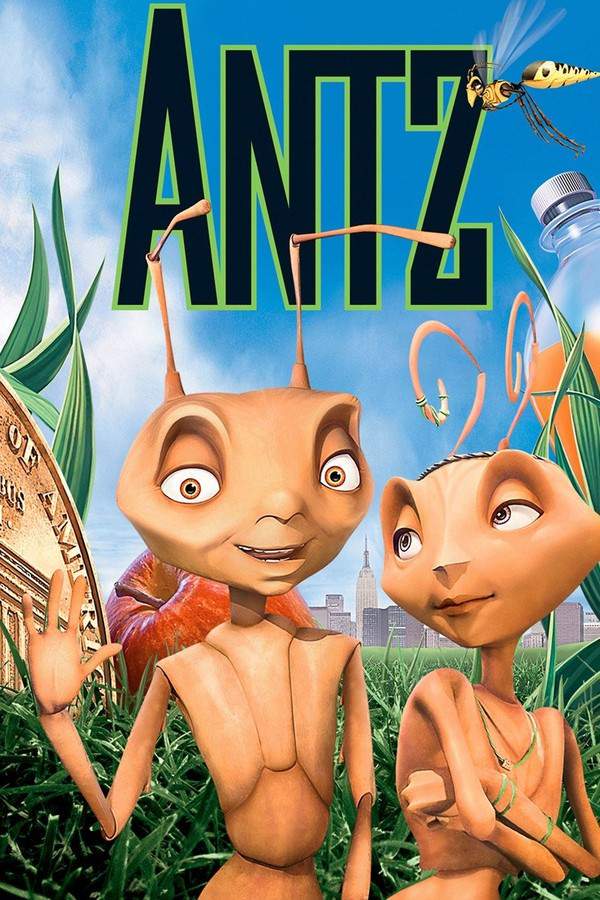
Antz (1998) Full Summary & Key Details
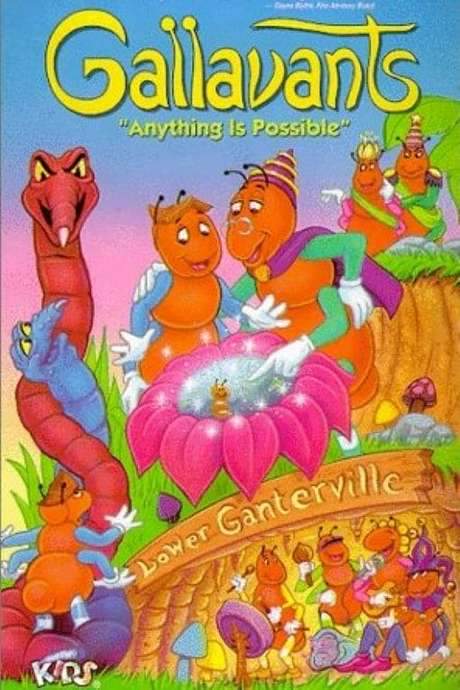
Gallavants (1984) Spoiler-Packed Plot Recap
Adventure of an Ant (1983) Full Summary & Key Details
Birds of a Feather (1931) Detailed Story Recap
Ain’t Nature Grand! (1931) Complete Plot Breakdown
Never Bug an Ant (1969) Complete Plot Breakdown
Farmyard Symphony (1938) Plot Summary & Ending Explained
Ants in the Plants (1940) Detailed Story Recap
Ants in the Pantry (1970) Ending Explained & Film Insights
Dandelion the Puffy Cheeks (1971) Ending Explained & Film Insights
The Ant from Uncle (1969) Story Summary & Characters
Ants in the Pantry (1936) Full Summary & Key Details
The Pied Piper (1933) Full Summary & Key Details
I’ve Got Ants in My Plans (1969) Full Movie Breakdown
Bug Bites: An Ant’s Life (1998) Plot Summary & Ending Explained