
The Flying Serpent

An ancient terror that predates humanity resurfaces when a deranged archaeologist uncovers a living, breathing serpent worshipped by the Aztecs as Quetzalcoatl. He unintentionally kills his wife by giving her one of the creature’s feathers, prompting the beast to hunt and slay her. Realizing its power, he uses the feathers to target his enemies, releasing the monster to exact his vengeance.
Where to Watch The Flying Serpent?
Find where to stream, rent, or buy The Flying Serpent (1946) in the US with current JustWatch availability, up-to-date pricing, and platform listings for subscription, rental, and digital purchase options.









Warning: spoilers below!
Haven’t seen The Flying Serpent yet? This summary contains major spoilers. Bookmark the page, watch the movie, and come back for the full breakdown. If you're ready, scroll on and relive the story!
Timeline & Setting – The Flying Serpent (1946)
Explore the full timeline and setting of The Flying Serpent (1946). Follow every major event in chronological order and see how the environment shapes the story, characters, and dramatic tension.
Last updated: December 10, 2025 at 12:32
Main Characters – The Flying Serpent (1946)
Meet the key characters of The Flying Serpent (1946), with detailed profiles, motivations, and roles in the plot. Understand their emotional journeys and what they reveal about the film’s deeper themes.
Last updated: December 10, 2025 at 12:32
Major Themes – The Flying Serpent (1946)
Explore the central themes of The Flying Serpent (1946), from psychological, social, and emotional dimensions to philosophical messages. Understand what the film is really saying beneath the surface.
Last updated: December 10, 2025 at 12:32
The Flying Serpent (1946) Character & Theme Questions Answered – Info FAQ
Browse frequently asked questions about The Flying Serpent (1946) focused on characters, relationships, themes, symbols, setting, and story context. This movie info FAQ gives spoiler-aware explanations for character arcs, world details, and thematic interpretation so readers can better understand what the film is really about.
Where is the movie set?
The story centers on Quetzalcoatl's Cave, a remote cavern where the ancient serpent is imprisoned to guard Montezuma's treasure. This setting fuses Aztec legend with a contemporary thriller plot, using the cave as the focal point where myth, danger, and crime intersect.
When does the movie take place?
The movie does not specify an exact modern era. The backstory establishes that Quetzalcoatl has been guarding Montezuma's treasure for 300 years, while the creature itself has been imprisoned for the past 5 years by Professor Forbes. The immediate plot unfolds around a murder investigation.
What is the main theme of the film?
Greed serves as the film's primary theme, driving Professor Forbes to manipulate and murder to protect Montezuma's treasure. The feather becomes a tool for extortion and deception, revealing how wealth and the desire for power corrupt judgment and ethics. The narrative continually pits personal gain against truth and safety.
How does the myth versus science theme appear in the movie?
The tension between myth and science is embodied in the contrast between Dr. Lambert's archaeological curiosity and Professor Forbes' criminal cunning. Lambert recognizes the feather's significance from Aztec carvings, while Forbes misuses legends and artifacts to justify murder. Investigators attempt to separate superstition from evidence as the case unfolds.
What does Quetzalcoatl represent in the story?
Quetzalcoatl embodies the film's central threat as a monstrous serpent whose release triggers a chain of killings. The creature's feather-seeking motive heightens danger for all involved and serves as a symbol of ancient power clashing with modern schemes. Its presence escalates the tension from mystery to visceral peril.
Who is Professor Forbes and what is his role?
Professor Andrew Forbes is a cunning scientist who imprisons Quetzalcoatl to guard Montezuma's treasure. He orchestrates the serpent's release and plants feathers on his enemies to set up murders, displaying a ruthless willingness to sacrifice others for his goals. He serves as the film's primary antagonist driven by greed.
Who is Dr. Lambert and why is he important?
Dr. John Lambert is an archaeologist who recognizes the significance of the feather from his Aztec carving research. He becomes a target when the feather draws the serpent's attention, and his death catalyzes the investigation into Forbes's scheme. He represents the clash between scholarly inquiry and criminal exploitation of knowledge.
Who is Richard Thorpe in the story?
Richard Thorpe is the investigator assigned to Dr. Lambert's death who uncovers Forbes's manipulation. He tracks the feather's trail and collaborates with Hastings to pursue the truth, risking his safety as the case tightens around Forbes. He represents the pursuit of justice against criminal cunning.
What genre elements does the movie combine?
The film blends horror and thriller genres, combining the ancient monster threat of Quetzalcoatl with a murder investigation plot. The horror element comes from the deadly serpent pursuing characters, while the thriller aspect emerges from Forbes's scheme and the investigators' pursuit of truth.
Why is the feather significant in the story?
The feather from Quetzalcoatl serves as both a tool for extortion and a magnet for the serpent's deadly attention. Forbes uses it to target his enemies by planting feathers on them, which draws the monster to kill. It represents how ancient artifacts can be weaponized in modern schemes.

Explore Movie Threads
Discover curated groups of movies connected by mood, themes, and story style. Browse collections built around emotion, atmosphere, and narrative focus to easily find films that match what you feel like watching right now.
Movies like The Flying Serpent where a villain unleashes an ancient monster
Stories where human obsession awakens a monstrous force of destruction.If you liked The Flying Serpent, you'll enjoy these films where a human villain discovers and weaponizes a supernatural creature or ancient evil. These stories blend archaeological discovery with horror, focusing on the methodical and suspenseful use of a monster as a tool for revenge or personal gain.

The Vulture
1966

Fiend Without a Face
1958

Monster from Green Hell
1957
The Flying Serpent
1946

Sound of Horror
1966

Terror from the Year 5000
1958

Time Walker
1982

Giant from the Unknown
1958

The Monster That Challenged the World
1957

Beast from Haunted Cave
1959

Invisible Invaders
1959

The Invisible Man Returns
1940

Creature
2000

Jaws of Satan
1982

Son of Ingagi
1940
Narrative Summary
Stories in this thread typically feature a character who uncovers a dormant threat and chooses to harness its power, setting off a chain of events where the creature becomes an extension of their will. The plot follows the systematic targeting of victims, creating a predictable yet tense pattern of anticipation and attack, often culminating in a final confrontation where the hero must stop both the mastermind and the monster.
Why These Movies?
These movies are grouped together because they share a core narrative engine: a human antagonist wielding a monstrous force. The similarity lies in the methodical pacing, the tense tone built around premeditated attacks, and the theme of humanity's dangerous curiosity corrupting ancient power.
Steady-paced monster hunt thrillers similar to The Flying Serpent
Suspenseful investigations into a monstrous threat with a steady, creeping dread.For viewers who enjoyed the investigative suspense of The Flying Serpent, this section features movies with a similar methodical pace. These thrillers follow a clear pattern of monster attacks and the subsequent investigation, building tension through a predictable but effective cycle of threat and discovery.

The Undying Monster
1942
Sound of Horror
1966
The Monster That Challenged the World
1957
Beast from Haunted Cave
1959
Creature
2000

Night Monster
1942
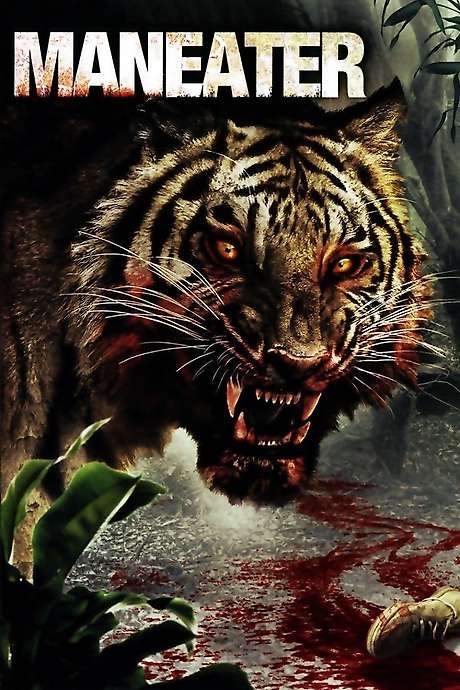
Maneater
2007

The Hound of the Baskervilles
1959

Creature from Black Lake
1976
Giant from the Unknown
1958

The Haunted House of Horror
1969

Snow Beast
2011
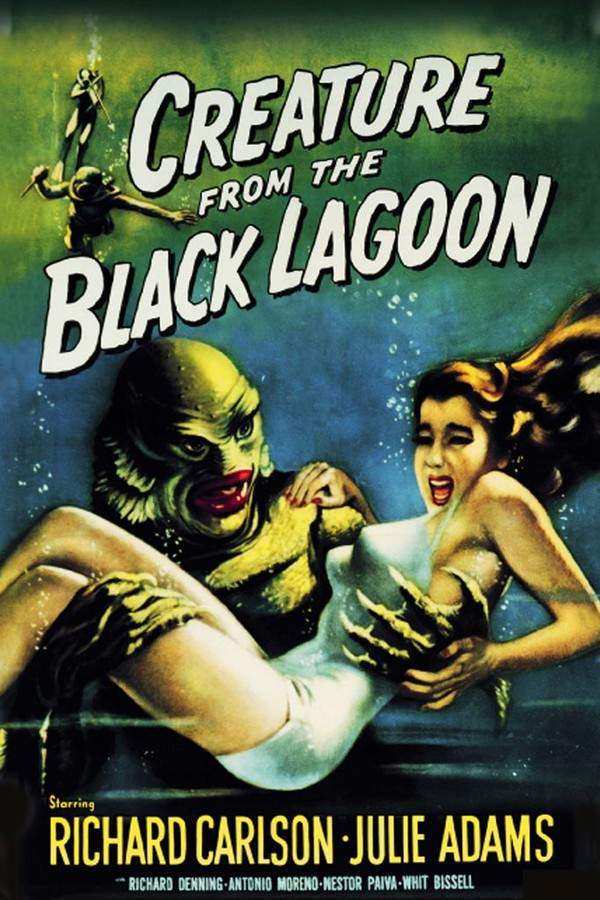
Creature from the Black Lagoon
1954

Mystery Street
1950

A Haunting at Silver Falls
2013
Narrative Summary
The narrative pattern involves a series of attacks by a creature, followed by a reactive investigation by protagonists trying to understand and stop it. The story unfolds in a linear, straightforward manner, with a clear cause-and-effect structure. The emotional journey is less about deep character development and more about the sustained suspense of the hunt and the relief of a final confrontation.
Why These Movies?
These films are united by their shared pacing and tone. They deliver a medium-intensity experience built on a steady, predictable narrative structure. The similarity comes from the feeling of a procedural hunt, the tension derived from anticipating the monster's next move, and the ultimately satisfying resolution of the threat.
Unlock the Full Story of The Flying Serpent
Don't stop at just watching - explore The Flying Serpent in full detail. From the complete plot summary and scene-by-scene timeline to character breakdowns, thematic analysis, and a deep dive into the ending - every page helps you truly understand what The Flying Serpent is all about. Plus, discover what's next after the movie.
The Flying Serpent Summary
Read a complete plot summary of The Flying Serpent, including all key story points, character arcs, and turning points. This in-depth recap is ideal for understanding the narrative structure or reviewing what happened in the movie.

The Flying Serpent Timeline
Track the full timeline of The Flying Serpent with every major event arranged chronologically. Perfect for decoding non-linear storytelling, flashbacks, or parallel narratives with a clear scene-by-scene breakdown.


Similar Movies to The Flying Serpent
Discover movies like The Flying Serpent that share similar genres, themes, and storytelling elements. Whether you’re drawn to the atmosphere, character arcs, or plot structure, these curated recommendations will help you explore more films you’ll love.
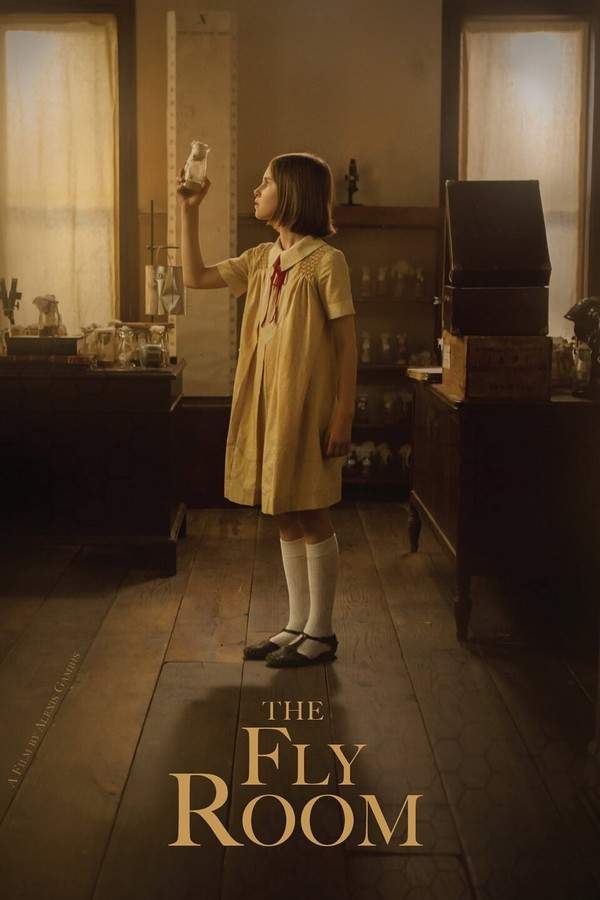
The Fly
1986
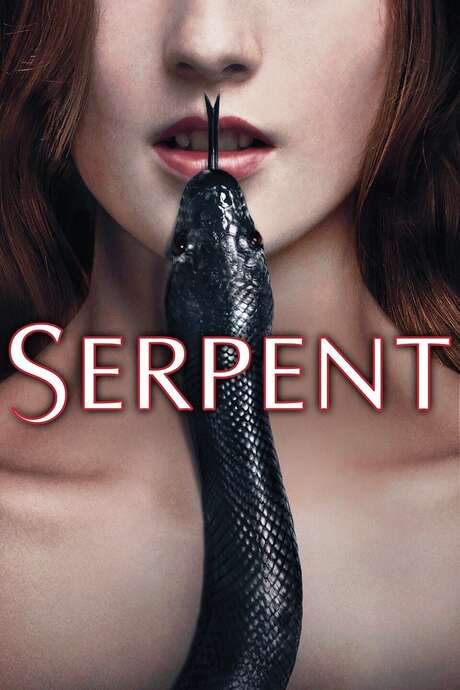
Serpent
2017

Snakehead Terror
2004

The Serpent of Death
1990
Jaws of Satan
1982
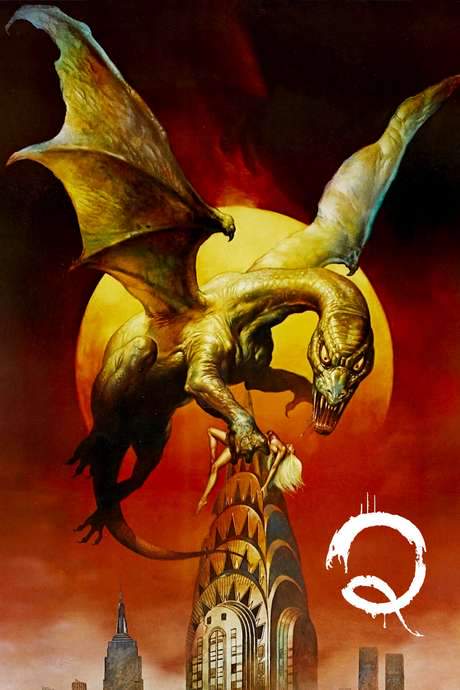
Q
1982

The Serpent Warriors
1985

The Sea Serpent
1985

The Feathered Serpent
1948
The Vulture
1966

Terror of the Bloodhunters
1962

The Reptile
1966

The Black Scorpion
1957

Serpent’s Lair
1995

Serpent Island
1954
Explore More About Movie The Flying Serpent
The Flying Serpent (1946) Plot Summary & Movie Recap
The Flying Serpent (1946) Scene-by-Scene Movie Timeline
The Flying Serpent (1946) Spoiler-Free Summary & Key Flow
Movies Like The Flying Serpent – Similar Titles You’ll Enjoy
The Fly (1986) Full Movie Breakdown
Serpent (2017) Full Movie Breakdown
Snakehead Terror (2004) Plot Summary & Ending Explained
The Serpent of Death (1990) Story Summary & Characters
Jaws of Satan (1982) Ending Explained & Film Insights
Q (1982) Plot Summary & Ending Explained
The Serpent Warriors (1985) Movie Recap & Themes
The Sea Serpent (1985) Detailed Story Recap
The Feathered Serpent (1948) Spoiler-Packed Plot Recap
The Vulture (1966) Film Overview & Timeline
Terror of the Bloodhunters (1962) Spoiler-Packed Plot Recap
The Reptile (1966) Full Summary & Key Details
The Black Scorpion (1957) Story Summary & Characters
Serpent’s Lair (1995) Movie Recap & Themes
Serpent Island (1954) Film Overview & Timeline