Plot Explained Spoilers guaranteed!
Plot Explained

Browse by genre

The Fighting Lady (1944) movie poster

Timeline

The Fighting Lady (1944) Timeline Explained – Every Event in Order

Release, runtime and language
1944 · 61 mins · English
Loading streaming availability…
Directed by
William Wyler, Edward Steichen
Starring
Charles Boyer, Robert Taylor, Dixie Kiefer, John S. McCain, Joesph J. Clark

Directed by Oscar‑winner William Wyler and narrated by Lieutenant Robert Taylor (USNR, Bataan), this 1944 newsreel was shot in combat zones by U.S. Navy cameramen. It follows the newly commissioned aircraft carrier nicknamed “The Fighting Lady,” a tribute to all American carriers, as it engages Japanese forces in the Pacific in 1943, including its baptism of fire during the raid on Marcus Island. The film is preserved by the Academy Film Archive in partnership with the Film Foundation.

On this page (6)
  1. 1 Where to watch
  2. 2 Events in order (13)
  3. 3 Timeline questions answered
  4. 4 Movie threads
  5. 5 Movies like The Fighting Lady
  6. 6 Every angle
Loading streaming availability…

13 events in order · contains spoilers

The Fighting Lady Timeline: Events in Chronological Order

Every key event of The Fighting Lady (1944) in order, scene by scene, with when and where it takes place. Use it to untangle flashbacks, time jumps and parallel storylines, to refresh your memory before the sequel or to find the exact scene you are thinking of.

  1. Life aboard the Fighting Lady

    The film opens aboard the aircraft carrier USS Yorktown (CV-10), showing sailors, pilots, and deck crews going through routines that keep the ship in fighting shape. It emphasizes the long stretches of waiting and maintenance that frame every sortie. The crew's camaraderie and discipline set the tone for life at sea during wartime.

    When
    1943
    Where
    USS Yorktown, Pacific Ocean
  2. Panama Canal to the Pacific

    The Fighting Lady and her task force pass through the Panama Canal, crossing from the Atlantic into the Pacific theater. The crew adapts to new horizons, and routine flight operations begin to dominate daily life. The transition marks the shift from transit to frontline air warfare.

    When
    1943
    Where
    Panama Canal / Pacific Ocean
  3. Marcus Island attack begins

    Carrier aircraft from the Fighting Lady strike Marcus Island, targeting Japanese defenses and installations. The operation showcases the tempo of war and the importance of carrier power in the Pacific theater. The island’s fortifications resist, but the campaign continues beyond a single day.

    When
    August 31, 1943
    Where
    Marcus Island, Pacific
  4. Three-day Marcus Island bombardment

    For three days, waves of aircraft bomb and probe Marcus Island, returning to the Yorktown for fuel and repairs between sorties. The crew endures fatigue and monotony punctuated by bursts of intense flight activity. The operation exemplifies the adage that war is largely about waiting and endurance.

    When
    August 31 – September 2, 1943
    Where
    Marcus Island
  5. Kwajalein assault

    After Marcus Island, the fleet turns to Kwajalein Atoll to strike Japanese bases in the Marshall Islands. The strikes aim to cripple enemy bases and pave the way for further advances in the central Pacific. The operation highlights the scale of air power in island-hopping campaigns.

    When
    Early 1944
    Where
    Kwajalein Atoll, Marshall Islands
  6. Intelligence on Truk massing

    Intelligence reports reveal a Japanese fleet massing near Truk, a crucial logistics hub in the Caroline Islands. The warning prompts the task force to prepare for a fast, mobile strike rather than a landing. The sense of looming fleet engagement heightens the tension on board.

    When
    Early 1944
    Where
    Near Truk, Caroline Islands
  7. Hit-and-run raid on Truk

    The Fighting Lady leads a hit-and-run raid to neutralize Truk's fleet and bases, avoiding a full landing. Planes overfly the lagoon, delivering strikes while keeping the ships ready for quick withdrawal. The operation emphasizes speed and surprise over prolonged occupation.

    When
    Early 1944
    Where
    Truk Lagoon, Caroline Islands
  8. Return from Truk and regroup

    After the Truk raid, the ship withdraws to rejoin the operations in the central Pacific and recuperates between sorties. The crew refits and readies for the next objective, maintaining high readiness with limited downtime. The return marks a shift from direct offensive action to strategic repositioning.

    When
    Early 1944
    Where
    Marcus Island region / Central Pacific
  9. Move toward the Marianas

    The Fighting Lady's group is redirected toward the Marianas, positioning off Saipan and Guam to support the broader campaign. The long voyage underscores the global scope of the war and the imperative of forward deployment. Aircraft prepare for major air operations over the Marianas.

    When
    Mid-1944
    Where
    Marianas, Western Pacific
  10. Marianas Turkey Shoot

    In the Marianas, carrier aircraft engage Japanese planes in the climactic air battles known as the Marianas Turkey Shoot. The film showcases pilots' skill, tight coordination, and the overwhelming advantage held by American air power. The action epitomizes the turning point in Pacific air superiority.

    When
    June 1944
    Where
    Marianas (near Saipan/ Guam)
  11. Aerial strikes across the Pacific

    Aerial views capture repeated strikes against Japanese bases across the Pacific, illustrating the breadth of the campaign beyond a single target. Bombers and fighters radiate from the Fighting Lady and other carriers to press the offensive. These actions depict a sustained push to erode Japanese capacity.

    When
    1943–1944
    Where
    Pacific theatre, various targets
  12. Epilogue and casualties

    In the closing moments, some of the servicemen who appeared in the film are reintroduced, and the narrator notes that others have died in battle. The film closes on memory and the cost of war. The epilogue ties together the hardships and sacrifices of those aboard the Fighting Lady.

    When
    End of film
  13. Command under Captain Jocko Clark

    The ship is commanded by Captain Joseph J. 'Jocko' Clark, whose leadership shapes the coordination and risk of carrier operations. His decisions guide flight operations during key engagements, earning the crew's respect. The film anchors its narrative in his command during these campaigns.

    When
    1943–1944
    Where
    Onboard Yorktown

Last updated: February 24, 2026 at 09:42

Was this helpful?

Timeline questions answered

The Fighting Lady Timeline Explained: Your Questions Answered

When does it happen, and why in that order? The questions people ask about the chronology of The Fighting Lady (1944): time jumps, flashbacks, cause and effect between scenes and the correct order of events, each answered with spoilers.

Q1

Why was the USS Yorktown's identity kept secret in the film?

The film's narrator explains that the carrier's identity was kept classified to protect the ship's movements from enemy intelligence. Revealing which specific ship was operating in the Pacific could have allowed Japanese forces to track and target the Yorktown, compromising operational security.

  • uss yorktown
  • cv-10
  • identity
  • classified
  • security
Q2

Why did the Navy avoid landing at Truk after the raid?

The task force conducted a fast, limited hit-and-run raid on Truk rather than a full landing because a prolonged occupation would have exposed the crew to significantly greater risk. The intelligence showed a large Japanese fleet massing there, making a landing strategically costly and dangerous.

Foreshadowing: Earlier intelligence gathering about Japanese fleet movements sets up this decision.

  • truk
  • landing
  • raid
  • risk
  • japanese fleet
Q3

What made the Marianas Turkey Shoot a major turning point?

The Marianas Turkey Shoot was one of the pivotal air battles of WWII, where American carrier aircraft overwhelmed Japanese planes. The film showcases the carrier's air wing achieving overwhelming superiority, demonstrating a decisive shift in Pacific air power from Japanese dominance to American control.

  • marianas
  • turkey shoot
  • air battle
  • japanese aircraft
  • pacific
Q4

Why does the film reintroduce fallen servicemen at the end?

In the closing moments, the narrator reintroduces some of the servicemen who appeared throughout the film and notes that others have died in combat. This transforms the documentary from a combat record into a poignant memorial, emphasizing the human cost of war and honoring the sacrifices of those who served.

  • servicemen
  • casualties
  • memorial
  • death
  • war cost
Q5

How did intelligence help locate the Japanese fleet near Truk?

After the successful attack on Kwajalein in early 1944, intelligence signals revealed that a large Japanese fleet was massing near Truk, a major logistical hub in the Carolines. This warning prompted the task force to prepare for a fast, mobile strike rather than a landing, showing how signal intelligence shaped operational decisions.

  • intelligence
  • truk
  • japanese fleet
  • signals
  • caroline islands
Q6

Why was the Marcus Island attack important for the carrier?

The Marcus Island raid in late August 1943 marked the carrier's baptism of fire, the first major combat operation for The Fighting Lady. The strikes lasted three days, with aircraft bombing and probing Japanese defenses before returning to the Yorktown for fuel and repairs between sorties.

  • marcus island
  • first strike
  • baptism of fire
  • 1943
Q7

Why does the film spend so much time showing daily ship routines?

The film emphasizes the rhythm of life aboard the carrier, the routines, watches, meals, and long stretches of waiting that define wartime service at sea. This reflects the sailors' reality described as '99% waiting,' building context for the brief but intense moments of combat that follow.

  • daily routine
  • waiting
  • sailors
  • ship life
  • pacific
Q8

What role did Captain Jocko Clark play in the carrier's operations?

Captain Joseph J. 'Jocko' Clark commanded the Yorktown throughout its Pacific campaigns in 1943-1944. His leadership guided flight operations during key engagements including the Marcus Island attacks, the Truk raid, and the Marianas Turkey Shoot, earning the crew's respect through his coordination and decision-making.

  • jocko clark
  • captain
  • command
  • leadership
  • yorktown
Q9

What was the strategic purpose of the Kwajalein attack?

After Marcus Island, the fleet attacked Kwajalein Atoll in the Marshall Islands to strike Japanese bases. These strikes aimed to cripple enemy installations and pave the way for further advances in the central Pacific, demonstrating the critical role of carrier air power in the island-hopping campaign.

  • kwajalein
  • marshall islands
  • island hopping
  • air power
Q10

What is the significance of the nickname 'The Fighting Lady'?

The carrier was nicknamed 'The Fighting Lady' as a tribute to all American carriers operating in the Pacific. The film later reveals the ship is the USS Yorktown (CV-10), making this nickname both a general honor and a specific identifier for one of the most famous Essex-class carriers.

  • fighting lady
  • nickname
  • uss yorktown
  • tribute
  • carrier
Q11

Why was passing through the Panama Canal significant for the crew?

The Fighting Lady and her task force passed through the Panama Canal, crossing from the Atlantic into the Pacific theater. This transition marked the shift from transit to frontline air warfare, as the crew adapted to new horizons and routine flight operations began to dominate daily life.

  • panama canal
  • pacific
  • atlantic
  • theater transition

Movie threads

More Movies Like The Fighting Lady, by Mood & Story

Curated lists built around what makes The Fighting Lady tick: the same mood, the same kind of story or the same emotional payoff. Each list explains why these movies belong together.

Military documentary immersion like in The Fighting Lady

Authentic frontline perspectives captured by those who experienced war. Movies like The Fighting Lady that offer authentic frontline perspectives captured by those who experienced war. These military documentaries provide immersive, firsthand accounts of combat operations.

  • authentic
  • grim
  • tense
  • documentary
  • military
  • war footage
  • Tone: tense, authentic, grim
  • Pacing: variable, realistic
Why these movies?

The story pattern: Documentaries following military units through actual operations, focusing on daily routines, preparation, and sudden engagements without manufactured drama.

Why they belong together: Grouped by their authentic filming during actual combat operations, often by participants, creating unparalleled realism and emotional impact.
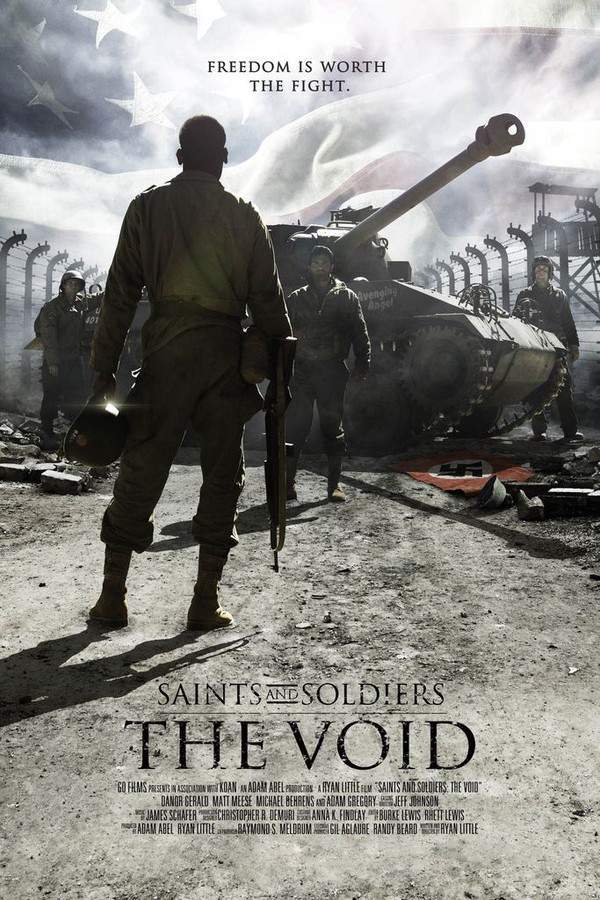
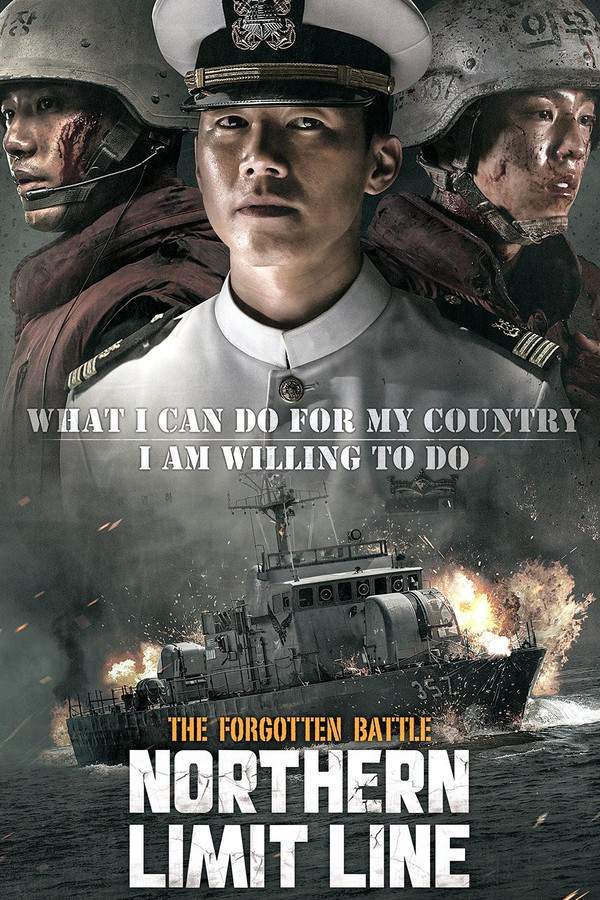
Military monotony and combat rhythm like in The Fighting Lady

The anxious rhythm of military life: long waits shattered by sudden violence. If you liked The Fighting Lady's portrayal of military waiting punctuated by intense action, these movies capture the same anxious rhythm of service life.

  • tense
  • anxious
  • waiting
  • combat
  • military life
  • monotony
  • Tone: anxious, somber, tense
  • Pacing: variable, slow burn to fast
Why these movies?

The story pattern: Stories structured around the military reality of 'hurry up and wait' - building tension through anticipation before explosive, often deadly combat sequences.

Why they belong together: Shared focus on the psychological rhythm of military service: the slow build of tension during waiting periods followed by sudden, chaotic violence.

If you liked this

Movies Like The Fighting Lady

Similar movies to The Fighting Lady: the same genre, themes or kind of story. Each one comes with its own plot summary, timeline and ending explained.

Browse all movie summaries

Every angle

The Fighting Lady (1944) Explained: Plot, Timeline & Characters

Everything about The Fighting Lady in one place: what happens in the plot summary, the timeline in chronological order, the characters and meaning and a spoiler-free summary. What's After the Movie adds the cast, box office and post-credit scenes.

Coming soon on iOS and Android

The Plot Explained Movie Summary App

Plot summaries, endings explained and timelines on your phone. Catch up on any movie in minutes, save your favorites and never miss a twist again.

Be the first to know when we launch. Your email stays private, always.

Learn more about the app