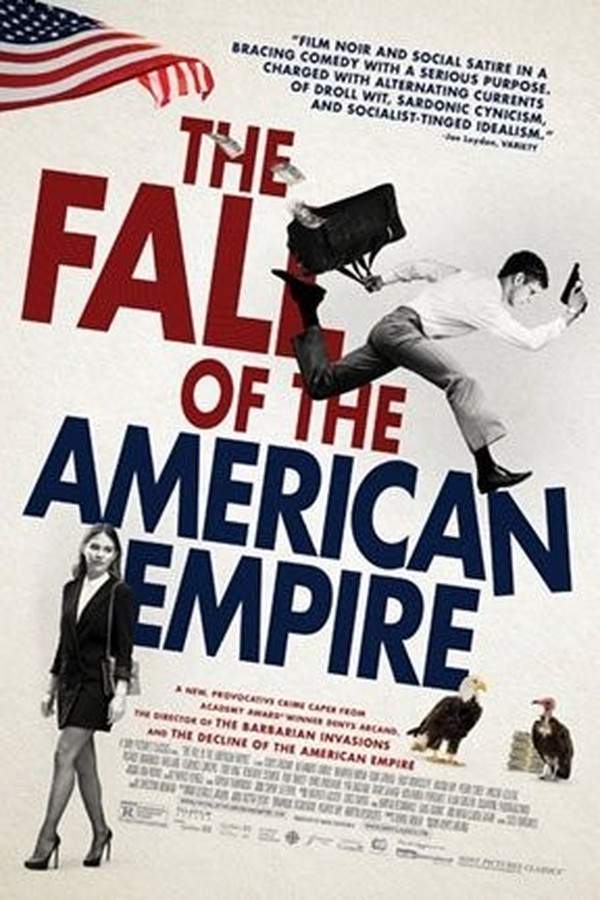
The Fall of the American Empire
A former philosophy professor now working as a deliveryman finds himself entangled in a dangerous situation when a robbery goes wrong, leaving a large sum of money within his reach. As the police investigation intensifies, he grapples with a difficult moral dilemma, questioning his own principles while contemplating the allure of keeping the stolen cash and facing the potential repercussions.
Where to Watch The Fall of the American Empire?
Find where to stream, rent, or buy The Fall of the American Empire (2019) in the US with current JustWatch availability, up-to-date pricing, and platform listings for subscription, rental, and digital purchase options.






Warning: spoilers below!
Haven’t seen The Fall of the American Empire yet? This summary contains major spoilers. Bookmark the page, watch the movie, and come back for the full breakdown. If you're ready, scroll on and relive the story!
The Fall of the American Empire (2019) – Full Plot Summary & Ending Explained
Read the complete plot breakdown of The Fall of the American Empire (2019), including all key story events, major twists, and the ending explained in detail. Discover what really happened, and what it all means.
Pierre-Paul Daoust, despite holding a PhD in philosophy, finds himself working as a delivery man to make ends meet, convinced that his intellect might be too great to lead him to success. One day, while making a delivery in the bustling city of Montreal, he unexpectedly becomes a witness to a robbery that culminates in a deadly shootout. As the chaos unfolds, he spots two gym bags overflowing with millions of dollars in cash left unguarded on the ground. In a rush, he seizes the opportunity, grabs the bags, and pushes them into his delivery truck just moments before the police arrive to question him as a bystander.
After the police dismiss him, Pierre-Paul takes the daring step of renting a storage locker to securely stash the bags and most of the cash, keeping a portion hidden within his apartment. As he grapples with the dilemma of handling such a massive sum, he learns through the news that biker Sylvain "The Brain" Bigras is being released from prison. Intrigued by the fact that Bigras had pursued a Bachelor in Finance while incarcerated, Pierre-Paul decides to make contact and seeks his expertise on financial matters.
When they finally meet, Bigras demands paperwork to review Pierre-Paul's financial dealings, only for Pierre-Paul to reveal the shocking truth: he possesses only bags of stolen cash. Bigras quickly deduces that the money was likely taken from the notorious West End Gang, which had been utilizing a store owned by banker Vladimir François to keep its funds. François orchestrated the heist in the belief that he deserved a larger cut, while his bodyguard's unintentional presence triggered the fatal shootout. As the gang members relentlessly pursue their lost money, they resort to torturing gang member Jacmel for information.
Amidst the turmoil, Pierre-Paul turns to the internet in search of an escort, leading him to Camille Lafontaine, who entices him using an alias inspired by Socratic philosophy. When Lafontaine leaves his apartment, she crosses paths with police officers Pete La Bauve and Carla McDuff, who are there to question Pierre-Paul. Recognizing her as a high-profile escort, they begin to probe into Pierre-Paul’s means to afford her services.
Bigras cautions Pierre-Paul against pursuing Lafontaine, but Pierre-Paul insists that he has a valid "alibi", claiming she is merely a friend. However, Lafontaine is skeptical of Bigras, fearing he will abscond with the money. In a twist of fate, upon discovering that their storage locker is mysteriously empty, they realize that Bigras has relocated the cash to his own home to keep it safe. The situation escalates further when Pierre-Paul learns of Jacmel's torture and, ignoring Bigras' warnings, insists on providing Jacmel with protection.
Simultaneously, the West End Gang holds Vladimir accountable for the missing funds, resulting in a hit being put out on him. Through Lafontaine's connections, Pierre-Paul eventually meets Wilbrod Taschereau, a specialist in tax evasion, discussed alongside Bigras, as they concoct a plan to create a phony children's charity to launder the stolen money into Switzerland.
Transitions in the story lead to the money being distributed while Taschereau’s clients transfer their funds overseas and into Pierre-Paul’s possession. Meanwhile, La Bauve and McDuff begin to realize that a deal is in the making but are unable to intervene due to the lack of available officers since many are occupied with responding to a student protest. Things take a turn when they manage to arrest Taschereau for soliciting a minor.
The pursuit becomes more tangled as La Bauve and McDuff trail Pierre-Paul and Lafontaine to The Street, a charitable initiative supporting the homeless in Montreal. In a surprising twist, instead of apprehending them, the officers join as volunteers alongside Pierre-Paul and Lafontaine, where discussions arise surrounding social issues, income inequality, and thoughts on potential revolution.
Last updated: November 08, 2024 at 16:27
The Fall of the American Empire (2019) Plot Questions Answered – Summary FAQ
Explore frequently asked questions about The Fall of the American Empire (2019) with spoiler-rich answers covering the full plot summary, major story beats, character motivations, hidden details, and ending meaning. This movie summary FAQ helps explain confusing scenes, plot twists, and narrative decisions in clear, searchable detail.
Why does Pierre-Paul work as a delivery man despite having a PhD in philosophy?
Pierre-Paul explains that his intellect is too great to lead him to success, suggesting he views conventional career paths as beneath his capabilities. This ironic situation sets up the central theme of the film: the gap between intellectual potential and practical reality. His decision to work as a delivery man reflects both economic necessity and a sense of disillusionment with traditional success metrics.
Earlier scenes establish his frustration with conventional employment, hinting at his willingness to take risks when opportunity arises.
Why does Pierre-Paul decide to take the money after witnessing the robbery?
In the chaos of the shootout, Pierre-Paul sees two bags overflowing with millions of dollars left unguarded on the ground. Acting on impulse amid the confusion, he grabs the bags and pushes them into his delivery truck before police can question him. This moment represents a turning point where his intellectual ideals clash with practical temptation.
His earlier dissatisfaction with his job and his belief that his intellect deserves better creates the psychological setup for this decision.
Who is Sylvain Bigras and why does Pierre-Paul seek his help?
Sylvain "The Brain" Bigras is a recently released ex-con who pursued a Bachelor in Finance while incarcerated. Pierre-Paul approaches him because he needs expertise in managing and legitimizing the massive amount of stolen cash he now possesses. Bigras's financial knowledge makes him the ideal person to help Pierre-Paul navigate his unusual situation.
Pierre-Paul learns of Bigras's release through the news, establishing the connection that will drive the plot forward.
How was Vladimir François connected to the West End Gang?
Vladimir François is a banker who owns a store that the West End Gang was using to keep its funds. This business arrangement meant François was essentially holding money for the criminal organization. When the gang's money goes missing, François becomes a target because he had knowledge of and access to their finances.
The initial robbery involves this very store, connecting François to the criminal enterprise from the beginning.
Why did François orchestrate the heist against the West End Gang?
François believed he deserved a larger cut of the money he was holding for the West End Gang. This dissatisfaction motivated him to orchestrate the heist, using his position as the gang's banker to access and steal the funds. His bodyguard's unintentional presence at the scene triggered the fatal shootout that erupted during the robbery.
François's greed and sense of entitlement are established through his role as the gang's financial handler.
Why does Bigras move the stolen money to his own home?
When Pierre-Paul and Bigras discover their storage locker has been mysteriously emptied, they realize Bigras has already relocated the cash to his own home to keep it safe. This reveals Bigras's distrust and his intention to maintain control over the money, creating tension between him and Pierre-Paul.
Bigras's warning about Lafontaine suggests he is protective of the money and suspicious of others' intentions.
Why does Pierre-Paul decide to protect Jacmel despite the danger?
After learning that the West End Gang tortured Jacmel for information about the missing money, Pierre-Paul decides to provide him with protection, disregarding Bigras's warnings. This decision reflects Pierre-Paul's moral compass overriding his self-preservation instincts, showing his growing involvement in the criminal underworld.
The gang's violence against Jacmel demonstrates the extreme danger Pierre-Paul faces and raises the stakes for his decisions.
How does the plan to launder money through a charity work?
Pierre-Paul and Bigras enlist Wilbrod Taschereau, a tax evasion specialist, to create a phony children's charity. The plan involves laundering the stolen money into Switzerland by disguising it as charitable donations. The money is distributed while Taschereau's clients transfer funds overseas into Pierre-Paul's possession, giving the cash a veneer of legitimacy.
Earlier references to Taschereau as a tax evasion expert set up this plotline.
Why do the police officers end up joining Pierre-Paul as volunteers instead of arresting him?
Detectives La Bauve and McDuff trail Pierre-Paul and Lafontaine to The Street, a charitable initiative supporting the homeless in Montreal. Instead of apprehending them, the officers choose to join as volunteers. In this surprising turn, they discuss social issues, income inequality, and revolution with Pierre-Paul and Lafontaine, suggesting a thematic resolution about understanding and connection over pure law enforcement.
The police earlier struggled to intervene due to being understaffed with many officers occupied at a student protest, creating the opportunity for this unusual encounter.
What is Camille Lafontaine's significance in the story?
Camille Lafontaine is an escort whom Pierre-Paul contacts through the internet. She uses a Socratic philosophy-inspired alias, which appeals to Pierre-Paul's intellectual background. Her presence attracts police attention to Pierre-Paul when they question how he can afford her services. She becomes both a romantic interest and a complication in his already dangerous situation.
Bigras warns Pierre-Paul against pursuing Lafontaine, foreshadowing the complications she will bring.
Why do the police become suspicious of Pierre-Paul's finances?
When La Bauve and McDuff visit Pierre-Paul to question him about Lafontaine, they realize she is a high-profile escort. This raises their suspicion about how Pierre-Paul, working as a delivery man, can afford such expensive services. Their investigation into his finances creates tension and eventually leads them to trace his activities.
The police already investigating Lafontaine establishes their interest in Pierre-Paul's financial situation.
How does the West End Gang pursue those responsible for the missing money?
Realizing their money is missing, the West End Gang relentlessly hunts down those involved in the heist. They torture gang member Jacmel for information, illustrating the violent lengths they're willing to go. The gang also holds banker Vladimir François accountable for the missing funds, putting a hit out on him.
The gang's violent pursuit creates mounting danger throughout the film.

Explore Movie Threads
Discover curated groups of movies connected by mood, themes, and story style. Browse collections built around emotion, atmosphere, and narrative focus to easily find films that match what you feel like watching right now.
Quirky Crime Comedies with Moral Questions like The Fall of the American Empire
Crime capers that mix moral dilemmas with social satire and wit.If you liked the blend of crime, comedy, and moral philosophy in The Fall of the American Empire, explore these movies. They feature similar stories of unlikely criminals, witty social commentary, and heists that make you think as much as they make you laugh.
The Fall of the American Empire
2019
Bandits
2001
Small Time Crooks
2000
The Brink's Job
1978

Footsteps in the Dark
1941

It All Came True
1940

Hue and Cry
1947

Mister 880
1950

The Big Job
1965

Larceny, Inc.
1942

Crooks Anonymous
1962

Who’s Minding the Mint?
1967

Cops and Robbers
1951

The Maiden Heist
2009

How to Steal 100 Million
2024
Narrative Summary
The narrative typically begins with a chaotic, high-stakes event like a robbery, but quickly shifts focus to the intellectual and moral fallout for the protagonists. Characters are often intellectually inclined or socially aware, leading to humorous and reflective debates about greed, inequality, and justice as they decide what to do with their ill-gotten gains.
Why These Movies?
Movies in this thread share a unique balance: they present crime scenarios with genuine stakes, but filter them through a lens of comedy and social observation. The emotional weight remains light, prioritizing clever dialogue and character-driven dilemmas over grim violence or despair.
Movies about Intellectuals in Criminal Situations like The Fall of the American Empire
When book-smart protagonists find themselves in a street-smart world.Find more movies like The Fall of the American Empire where cerebral heroes face criminal dilemmas. These films feature philosophers, academics, or thinkers who use their intellect to navigate dangerous plots, creating a unique blend of action and ideas.
The Fall of the American Empire
2019
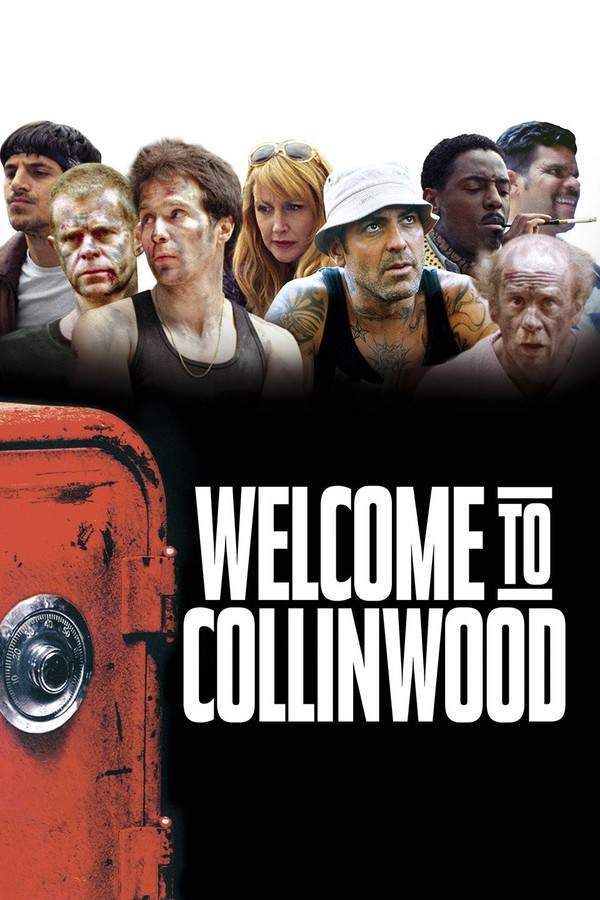
Welcome to Collinwood
2002
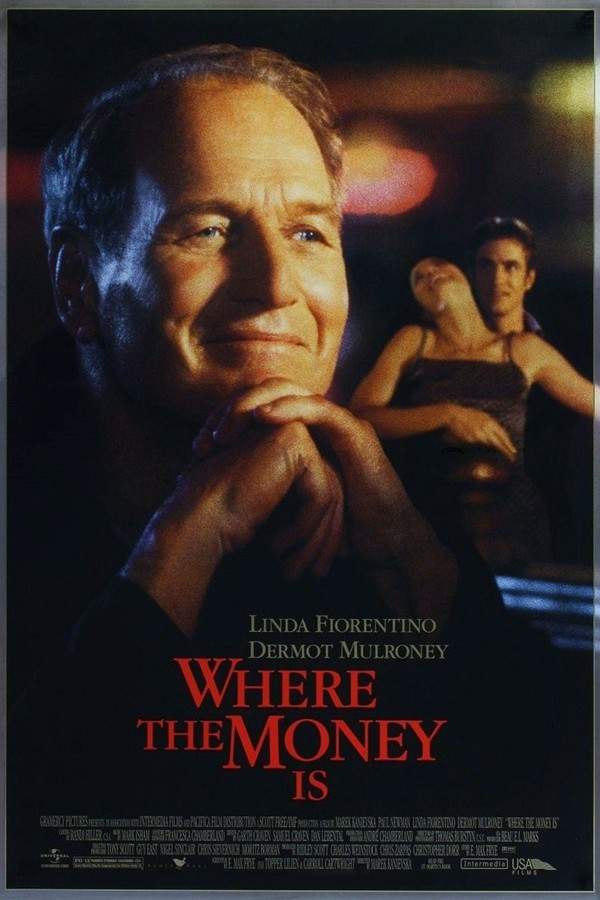
Where the Money Is
2000
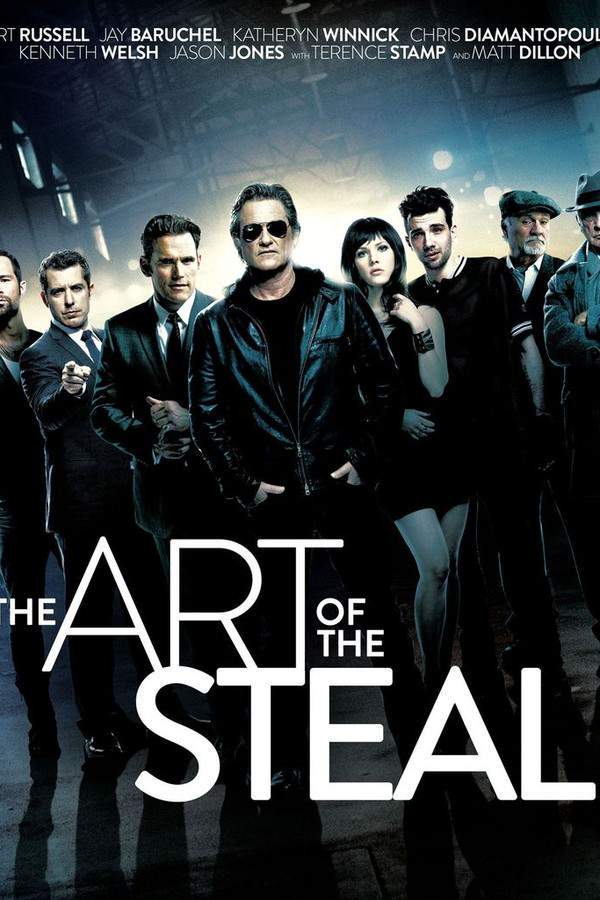
The Art of the Steal
2014

Once Upon a Crime...
1992
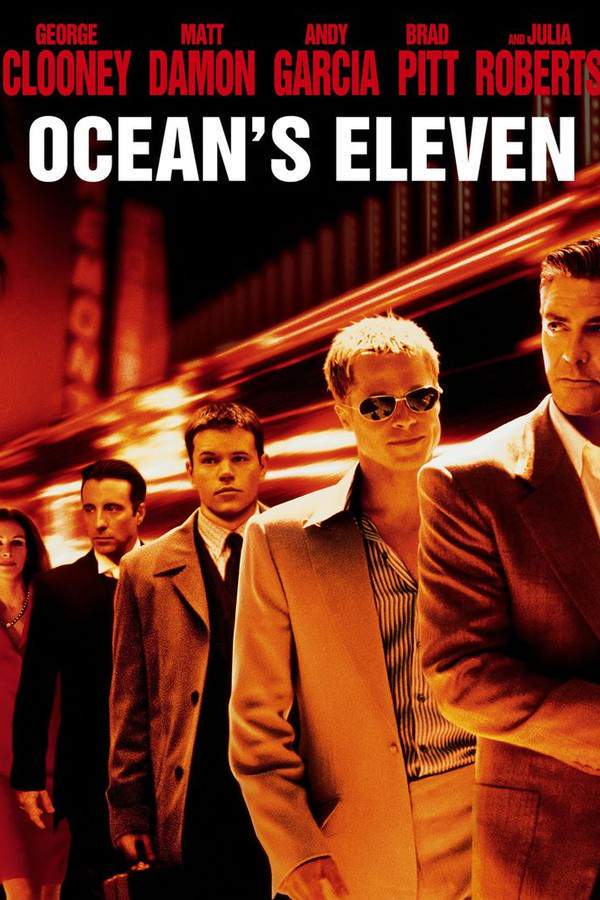
Ocean's 11
1960
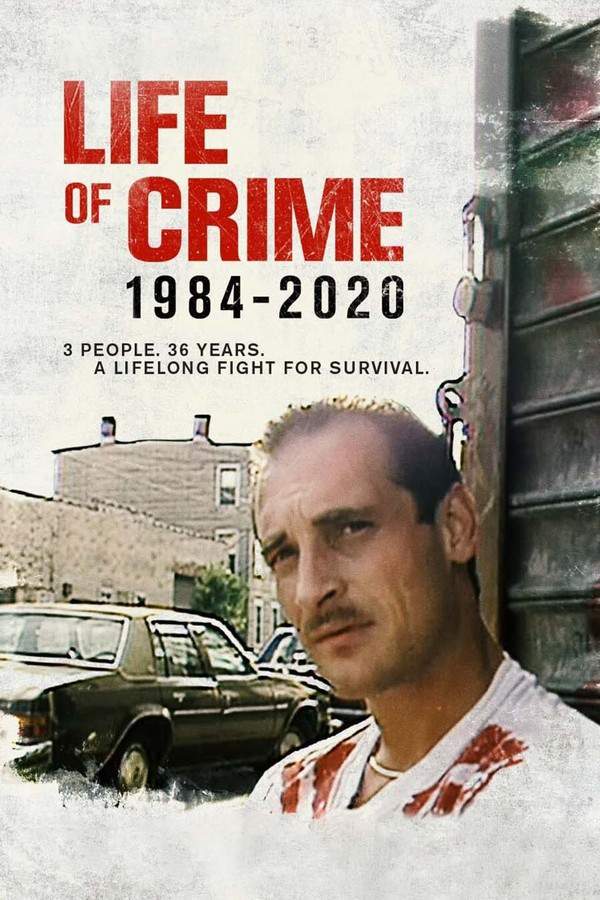
Life of Crime
2014
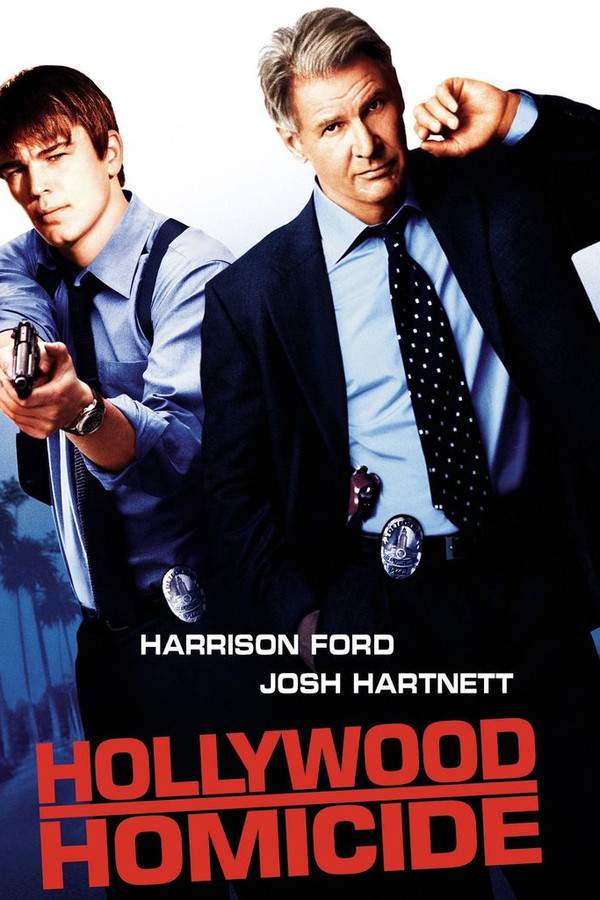
Hollywood Homicide
2003
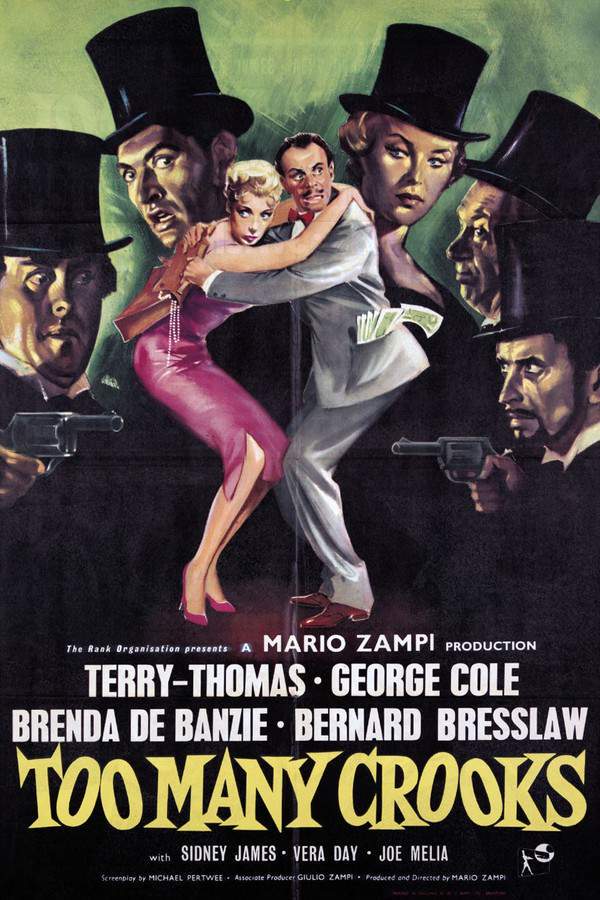
Too Many Crooks
1959

No Problem
2010

Idiots
2012

The Parole Officer
2001

Thieves Fall Out
1941

Detectives on the Edge of a Nervous Breakdown
1993
How to Steal 100 Million
2024
Narrative Summary
The plot revolves around a character whose life of the mind is disrupted by a violent or criminal event. Their journey is one of applying abstract principles to concrete, high-stakes problems. The conflict often arises from the gap between their intellectual understanding of morality and the pragmatic demands of survival, leading to unexpected alliances and solutions.
Why These Movies?
These films are grouped by their unique protagonist archetype and the central theme of intellect versus instinct. They share a cerebral, almost detached perspective on crime, where the internal moral debate is as compelling as the external threat, creating a distinctively thoughtful vibe within the crime genre.
Unlock the Full Story of The Fall of the American Empire
Don't stop at just watching - explore The Fall of the American Empire in full detail. From the complete plot summary and scene-by-scene timeline to character breakdowns, thematic analysis, and a deep dive into the ending - every page helps you truly understand what The Fall of the American Empire is all about. Plus, discover what's next after the movie.
The Fall of the American Empire Timeline
Track the full timeline of The Fall of the American Empire with every major event arranged chronologically. Perfect for decoding non-linear storytelling, flashbacks, or parallel narratives with a clear scene-by-scene breakdown.

Characters, Settings & Themes in The Fall of the American Empire
Discover the characters, locations, and core themes that shape The Fall of the American Empire. Get insights into symbolic elements, setting significance, and deeper narrative meaning - ideal for thematic analysis and movie breakdowns.


