Plot Explained Spoilers guaranteed!
Plot Explained

Browse by genre

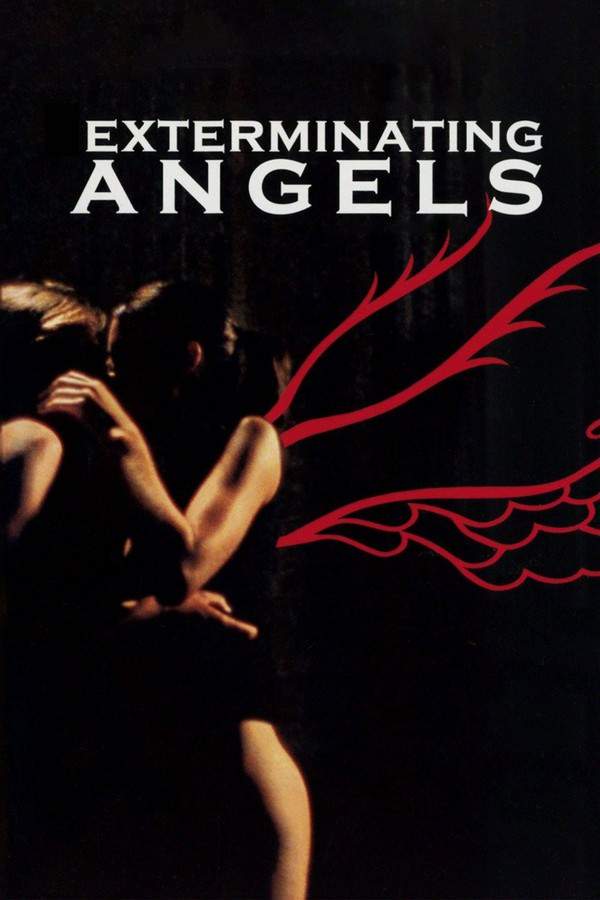
The Exterminating Angel (1962) movie poster

Characters & Themes

The Exterminating Angel (1962) Characters, Setting & Themes Explained

Release, runtime and language
1962 · 93 mins · Spanish
Directed by
Luis Buñuel
Starring
Luis Lomelí, Pancho Córdova, Tito Junco, Claudio Brook, Jacqueline Andere, Silvia Pinal

A seemingly ordinary high‑society dinner turns surreal when, after retiring to the host’s music room, the guests discover they cannot exit. As minutes stretch into hours, polite facades crumble, exposing the pretensions and moral decay of the bourgeois circle trapped in an inexplicable, claustrophobic stasis.

On this page (7)
  1. 1 Characters explained (13)
  2. 2 Where & when it takes place
  3. 3 Themes & meaning (3)
  4. 4 Character & meaning questions
  5. 5 Movie threads
  6. 6 Movies like The Exterminating Angel
  7. 7 Every angle

13 main characters · contains spoilers

The Exterminating Angel Characters Explained: Who Is Who

The main characters of The Exterminating Angel (1962), heroes and villains: what drives them, how they change over the course of the story and what each of them reveals about the film's bigger ideas.

  • Edmundo Nóbile (Enrique Rambal)

    Edmundo is the suave host whose charm masks a growing detachment. He pushes the party toward deeper ritual and control, acting as a catalyst for the group’s unraveling. His readiness to confront mortality underscores a cold pragmatism that clashes with others' facades.

    • 💼 Wealthy
    • 🧭 Manipulative
    • 🔎 Enigmatic
  • Lucía Nóbile (Lucy Gallardo)

    Lucía embodies the hostess’s concern with appearances and social games. She oscillates between insisting on civility and succumbing to mounting anxiety that paralyzes the gathering. She remains both observer and participant in the crisis.

    • 💃 Elegant
    • 🗝️ Anxious
    • 🕊️ Propriety
  • Blanca (Patricia de Morelos)

    Blanca is the pianist whose Paradisi cue anchors the room to a remembered moment. Her fatigue and quiet influence push the group to re-enact the night’s ritual, keeping a fragile thread of order.

    • 🎹 Music
    • 🧭 Catalyst
    • 🕯️ Reverence
  • Alicia Roc (Jacqueline Andere)

    A guest whose social maneuvering mirrors the era’s class concerns. Alicia navigates the party’s politics with a mix of charm and calculation, contributing to the tension that sustains the entrapment.

    • 💼 Aristocrat
    • 🗝️ Strategist
    • 🗣️ Social
  • Leticia 'La Valkiria' (Silvia Pinal)

    Leticia is a perceptive figure who identifies patterns in the gathering and hints at possible escape. As fear grows, her clarity sharpens, making her one of the few who sees the crisis clearly.

    • 🧠 Insightful
    • 🕊️ Bold
    • 🧭 Leader
  • Sergio Russell (Antonio Bravo)

    Sergio is the guest who dislikes jokes and becomes a focal point for rising tension. His presence accelerates the group’s deterioration and moral ambiguity.

    • ⚖️ Pompous
    • 🗯️ Tense
    • 🧯 Provocative
  • Eduardo (Xavier Massé)

    Eduardo is a friend whose interactions reveal class rifts and latent antagonism. His demeanor, paired with Beatriz’s, culminates in moments of despair that illustrate the collapse of order.

    • 💬 Social critic
    • 🪞 Tense
    • 🗺️ Conflict
  • Beatriz (Ofelia Montesco)

    Beatriz is a young engaged woman whose presence heightens the social stakes. Her alliance with Eduardo intensifies the tension, signaling a moral cost to the entrapment.

    • 💍 Engaged
    • 🫖 Fragile
    • 🗝️ Catalyst
  • Leandro Gómez (José Baviera)

    Leandro is a guest whose aloofness and vanity contribute to the friction. He is part of the social circle that thrashes between civility and chaos, including the notable three-way greeting with Cristián.

    • 🕴️ Social
    • 🗝️ Friction
    • 🧭 Ambiguity
  • Cristián Ugalde (Luis Beristáin)

    Cristián’s repeated greetings mirror the party’s ritual tension and highlight the disconnect between surface politeness and inner fear. He personifies the friction between tradition and the unraveling present.

    • 🤝 Formal
    • 🧭 Tradition
    • 🕰️ Repetition
  • Raúl (Tito Junco)

    Raúl is the conspiratorial guest who tries to steer the group toward drastic decisions. His presence underscores how quickly authority and manipulation can warp a gathering.

    • 💼 Leader
    • 🗡️ Tension
    • 🕳️ Manipulation
  • Dr. Carlos Conde (Augusto Benedico)

    Dr. Conde is the medical voice who attempts to reason, only to be drawn into deception as the group hides a corpse. His rationalist impulse collapses under fear and superstition.

    • 🧪 Doctor
    • 🧭 Rational
    • 🕳️ Deceit
  • Col. Álvaro (César del Campo)

    Col. Álvaro is the military figure among the guests whose authority and power dynamics surface as the crisis deepens. He participates in the group’s decision-making under pressure.

    • 🎖️ Authority
    • 🧭 Power
    • 🕊️ Tension

Last updated: October 04, 2025 at 16:55

Was this helpful?

Setting

Where and When Does The Exterminating Angel Take Place?

The setting of The Exterminating Angel (1962): the year and time period, the places and locations, and how they shape the characters, the mood and the tension of the story.

Time period

1960s

Set in a contemporary mid-20th-century Mexico, the events unfold over a single long night and into the following day. The setting relies on familiar luxury and social ceremony to heighten the sense of confinement. As the hours pass, the distinction between politeness and panic dissolves, revealing the fragility of civil order.

Location

Nóbile Mansion, Opera House, Cathedral

The central action unfolds inside the opulent Nóbile family mansion, a space that highlights class and propriety. A night at the opera leads to a dinner party where guests gradually become trapped by their own manners and expectations. The narrative culminates with exits to the streets and finally the cathedral, underscoring the surreal escalation from domestic salon to public spectacle.

  • 🏰 Mansion
  • 🎭 Social dynamics
  • 🗺️ Mexican bourgeois setting

Last updated: October 04, 2025 at 16:55

Was this helpful?

3 major themes

The Exterminating Angel Meaning: Themes & Message Explained

What is The Exterminating Angel (1962) really about? The emotional, social and philosophical themes the film keeps returning to, its symbolism and the message beneath the surface.

  • Confinement

    A dinner party gradually becomes a trap, with doors and social thresholds turning into barriers. Polite conversation and formal etiquette yield to fear, forcing the guests to confront their own limits. The mansion itself feels like a pressure chamber where personal veneers crack under stress.

  • Rituals

    Repetitive motions—re-entering the salon, restaging conversations, and Blanca’s piano cue—convert ordinary behavior into a coercive ceremony. The guests cling to appearances even as the structure of their world dissolves. This ritualistic inertia exposes the hypocrisy of bourgeois civility.

  • Surrealism

    Dreamlike, grotesque images—the roaming sheep and bear, the repeated patterns, and the inexplicable crowd outside—inject an uncanny logic into the narrative. The surreal elements reveal how quickly civilization can unravel when routine comforts vanish. The ending, with chaos inside and outside a cathedral, seals a disturbingly allegorical tone.

Last updated: October 04, 2025 at 16:55

Was this helpful?

Character & theme questions

The Exterminating Angel Characters & Meaning: Your Questions Answered

The questions people ask about The Exterminating Angel (1962): who the characters really are, their relationships, what the symbols mean, where it takes place and what the movie is really about. Each answer contains spoilers.

Q1

What time period and location is The Exterminating Angel set in?

The film is set in 1960s Mexico, taking place over a single long night. The primary setting is the opulent Nóbile family mansion, with additional scenes at an opera house and eventually a cathedral. This mid-20th-century Mexican bourgeois environment provides the social framework that Buñuel uses to critique class structures and the fragility of civil order.

  • mexico 1960s setting nóbile mansion opera house cathedral
Q2

What does the Nóbile mansion represent in the film?

The Nóbile mansion functions as both a literal space and a symbolic prison. Its opulence highlights the class divide while its doors becoming impassable barriers transform the salon into a pressure chamber. The mansion represents bourgeois society itself, comfortable on the surface but confining when examined closely, where social etiquette becomes a trap rather than a liberation.

  • nóbile mansion symbolism social prison bourgeoisie
Q3

What does the theme of confinement explore in The Exterminating Angel?

The confinement theme examines how social thresholds, doorways, polite conversation, and formal etiquette, become barriers. As the guests cannot leave the music room, their polite facades crumble, exposing the moral decay beneath bourgeois civility. The impossibility of exit forces characters to confront their own limitations and the hypocrisy of their social positions.

  • confinement social barriers etiquette trapped doors
Q4

How does the film use rituals to critique society?

The film transforms ordinary behaviors, re-entering the salon, restaging conversations, and Blanca's piano cue, into coercive ceremonies. The guests repeatedly greet each other and perform social niceties even as their world collapses. This ritualistic inertia exposes the hypocrisy of bourgeois civility, showing how people cling to appearances when meaningful action becomes impossible.

  • rituals ceremony repetition bourgeois hypocri sy social etiquette
Q5

What role does surrealism play in The Exterminating Angel?

Surreal elements like roaming sheep and a bear, along with inexplicable events both inside and outside the mansion, create an uncanny logic that reveals how quickly civilization unravels when routine comforts vanish. The surrealism amplifies the allegorical tone, suggesting that the breakdown of social order follows a dreamlike, almost logical absurdity rather than rational progression.

  • surrealism sheep bear uncanny absurd cinema buñuel
Q6

Who is Edmundo Nóbile and what is his role in the story?

Edmundo Nóbile is the suave host of the dinner party, portrayed by Enrique Rambal. His charm masks a growing detachment from his guests. He pushes the party toward deeper ritual and control, acting as a catalyst for the group's unraveling. His cold pragmatism when confronting mortality clashes with others' declining facades, making him a central force in the descent into chaos.

  • edmundo nobile host enrique rambal charm control
Q7

What role does Lucía Nóbile play in the film?

Lucía Nóbile embodies the hostess's preoccupation with appearances and social games. She oscillates between insisting on civility and succumbing to mounting anxiety that paralyzes the gathering. She remains both observer and participant in the crisis, representing the tension between maintaining social facade and facing existential terror.

  • lucía nobile hostess lucy gallardo appearances social games
Q8

Who is Leticia 'La Valkiria' and what makes her notable?

Leticia 'La Valkiria,' played by Silvia Pinal, is a perceptive figure who identifies patterns in the gathering and hints at possible escape. As fear grows among the guests, her clarity sharpens, making her one of the few characters who sees the crisis clearly. She represents awareness amid widespread denial and self-deception.

  • leticia la valkiria silvia pinal perception awareness escape
Q9

What is Blanca's function in The Exterminating Angel?

Blanca is the pianist whose playing of the Paradisi cue anchors the room to a remembered moment. Her fatigue and quiet influence push the group to re-enact the night's ritual, maintaining a fragile thread of order amid chaos. She represents the mechanical repetition of art as both comfort and cage.

  • blanca pianist patricia de morales paradisi cue ritual order
Q10

What does the film say about bourgeois society?

The film presents a sharp critique of Mexican bourgeois society, showing how polite conversation and formal etiquette mask fear and moral decay. The guests' inability to escape the mansion symbolizes the trap of class consciousness. Even when they finally exit, they are immediately trapped again in the cathedral, suggesting inescapable cyclical societal breakdown.

  • bourgeoisie class critique mexican society social order
Q11

What is the significance of the progression from mansion to cathedral?

The narrative escalation from the domestic salon to the public cathedral represents a surreal amplification of the entrapment. The mansion symbolizes private social constraints, while the cathedral introduces religious and institutional captivity. The chaos both inside and outside the cathedral, with military violence in the streets, seals the film's allegorical message about inescapable societal breakdown.

  • cathedral mansion escalation religious institution societal collapse
Q12

What is the overall thematic message of The Exterminating Angel?

Buñuel's allegorical message critiques the inability of bourgeois society to confront its own mortality and moral failure. The characters' entrapment represents how social rituals become prisons, and their eventual escape to immediate recapture suggests that breaking free from one system only introduces another form of captivity. The film presents a bleak view of humanity trapped by its own conventions.

  • buñuel allegory message society trapped conventions cyclical

Movie threads

More Movies Like The Exterminating Angel, by Mood & Story

Curated lists built around what makes The Exterminating Angel tick: the same mood, the same kind of story or the same emotional payoff. Each list explains why these movies belong together.

Allegorical Confinement Stories Like The Exterminating Angel

Characters are confined by inexplicable forces, exposing their true nature under pressure. Explore movies like The Exterminating Angel where characters are trapped in a symbolic situation. These films use high-concept premises to create social parables about class, civilization, and the fragility of human nature under duress, often with a surreal or satirical edge.

  • allegorical
  • claustrophobic
  • satirical
  • misanthropic
  • decadent
  • absurd
  • Tone: dark, satirical
  • Pacing: slow, deliberate
Why these movies?

The story pattern: A group or individual finds themselves inexplicably confined within a specific space or situation. The narrative focuses not on escaping the trap, but on the psychological and social breakdown that occurs within it, using the scenario as a direct critique of societal structures.

Why they belong together: Movies in this thread are grouped by their shared premise of a metaphorical prison. They prioritize thematic exploration over plot-driven escape, creating a claustrophobic atmosphere that serves as a laboratory for dissecting human nature and social hypocrisy.

Bleak Satires of Societal Collapse Like The Exterminating Angel

Witness the gradual, inevitable breakdown of order and civility from within. If you liked The Exterminating Angel's depiction of civilizational decay, discover similar movies. These stories explore the slow, surreal, or systematic unraveling of social order, often within a confined group, emphasizing existential dread and the fragility of modern life.

  • pessimistic
  • decadent
  • existential dread
  • absurd
  • surreal
  • anxious
  • Tone: bleak, pessimistic
  • Pacing: slow burn
Why these movies?

The story pattern: The story follows a contained group or system as its established rules and niceties progressively disintegrate. The pacing is deliberate, focusing on the unsettling details of the decline rather than a swift, external catastrophe, ultimately questioning the very foundations of civilization.

Why they belong together: This thread unites films that share a profound pessimism about societal structures. They feature a slow-burn narrative where the primary conflict is the internal rot of a community, resulting in a heavy, contemplative, and often surreal viewing experience about existential futility.

If you liked this

Movies Like The Exterminating Angel

Similar movies to The Exterminating Angel: the same genre, themes or kind of story. Each one comes with its own plot summary, timeline and ending explained.

Browse all movie summaries

Every angle

The Exterminating Angel (1962) Explained: Plot, Timeline & Characters

Everything about The Exterminating Angel in one place: what happens in the plot summary, the timeline in chronological order, the characters and meaning and a spoiler-free summary. What's After the Movie adds the cast, box office and post-credit scenes.

Coming soon on iOS and Android

The Plot Explained Movie Summary App

Plot summaries, endings explained and timelines on your phone. Catch up on any movie in minutes, save your favorites and never miss a twist again.

Be the first to know when we launch. Your email stays private, always.

Learn more about the app