Plot Explained Spoilers guaranteed!
Plot Explained

Browse by genre

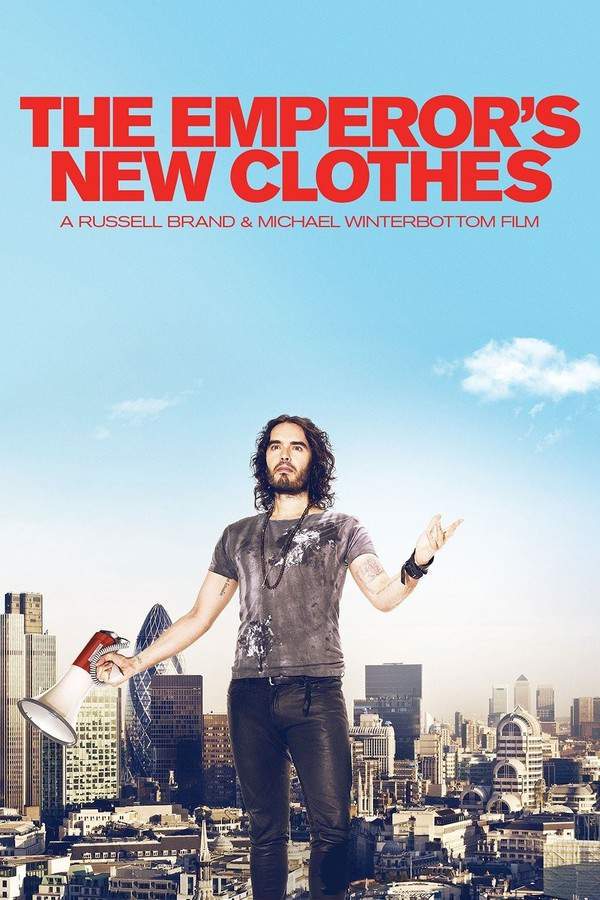
The Emperor's New Clothes (2015) movie poster

Plot Summary

The Emperor's New Clothes (2015) Plot Summary Explained

Release, runtime and language
2015 · 101 min · English
Loading streaming availability…
Directed by
Michael Winterbottom

Russell Brand and director Michael Winterbottom explore the complexities of economics and their effect on people’s lives in this documentary. Through humor and insightful commentary, the film examines global policies and their devastating consequences, highlighting the growing inequality and stark realities of a deeply divided world. It offers a candid look at the human cost of economic decisions.

On this page (6)
  1. 1 Where to watch
  2. 2 What happens: full plot
  3. 3 Plot questions answered
  4. 4 Movie threads
  5. 5 Movies like The Emperor's New Clothes
  6. 6 Every angle
Loading streaming availability…

Full plot summary · contains spoilers

What Happens in The Emperor's New Clothes: Full Plot Summary

The whole story of The Emperor's New Clothes (2015) explained, from the opening scene to the final frame: every key event, every twist and what it all adds up to. Read it as a quick recap before the sequel, to check a scene you missed, or to finally understand what really happened.

This documentary blends archival footage from the 2008 financial crisis and the Great Recession with a series of comedic send-ups led by Russell Brand, filmed across the financial hubs of New York and London. The film seeks to examine the persistence of systemic inequality, questioning why so little has changed since the economic collapse.

One notable sequence involves Brand attempting to confront Lord Rothermere, the billionaire owner of the Daily Mail, regarding his "non-dom" tax status used to avoid UK taxes. While ringing the bell at Rothermere's London mansion, Brand is informed via intercom that the billionaire does indeed reside there.

Director Ben Winterbottom explains the core motivation behind the project:

> "It's about inequality and why the 1 percent (of the world's wealthy) seem to have so much and the rest of us not quite so much... the idea is to point out the ludicrous extremes of our society."

The project, which began filming in October, marks a collaboration between Winterbottom and Brand, who had previously considered—but eventually scrapped—a cinematic adaptation of Brand's memoir, My Booky Wook.

Last updated: October 28, 2026 at 07:16

Was this helpful?

Plot questions answered

The Emperor's New Clothes Plot Explained: Your Questions Answered

The questions people ask most about The Emperor's New Clothes (2015): what happens in the confusing scenes, why the characters do what they do, the twists, hidden details and what the ending means. Each answer contains spoilers.

Q1

Why does the documentary focus on the 1 percent?

Michael Winterbottom says the film asks why the richest 1 percent have so much while most people have so little, exposing what he calls the "ludicrous extremes" of society. The Emperor's New Clothes therefore treats inequality as the central issue exposed by the financial crisis and its lasting damage. Brand's staged confrontations and archival footage connect unequal wealth distribution to the consequences felt by ordinary people.

Foreshadowing: Winterbottom's October 2014 BBC statement already frames the project around why "nothing has changed" since the crash.

  • wealth inequality
  • one percent
  • economic inequality
  • michael winterbottom
  • financial crisis
  • russell brand
Q2

How does the film connect the banking collapse to lasting inequality?

The Emperor's New Clothes presents a clear chain: when the global financial system collapsed, banks failed and markets tumbled, bringing severe hardship to ordinary people, yet wealth afterward remained concentrated among the richest 1 percent. Lord Rothermere's non-dom tax status is used as a concrete example of how someone at the top can remain insulated by tax rules even after the wider economy suffers.

  • banking collapse
  • wealth concentration
  • tax avoidance
  • economic inequality
  • great recession
  • lord rothermere
Q3

Why does Russell Brand confront Lord Rothermere?

Brand goes to Rothermere's mansion to challenge the Daily Mail owner's use of "non-dom" tax status, which allows him to avoid UK taxes by claiming residence elsewhere. The confrontation turns the documentary's general argument about inequality into a direct challenge to one wealthy figure's tax arrangements.

Foreshadowing: Brand's earlier financial-district send-ups establish his confrontational style before he carries it to Rothermere's mansion.

  • russell brand
  • lord rothermere
  • non-dom tax
  • daily mail
  • tax avoidance
  • wealth inequality
Q4

What is Lord Rothermere's non-dom tax status?

Brand challenges Rothermere's claim to "non-dom" status, which the film says lets him avoid UK taxes by claiming residence elsewhere. Because Rothermere owns the Daily Mail and is a billionaire, Brand uses the case to show how the tax system can preserve extraordinary private wealth while ordinary people carry the effects of economic hardship.

  • non-dom status
  • lord rothermere
  • uk taxes
  • tax avoidance
  • daily mail
  • private wealth
Q5

Why does the film use archival footage from the 2008 crisis?

Archival footage grounds the documentary in real events rather than leaving inequality as an abstract argument. The material about the crash, bank failures, and the Great Recession shows how financial decisions produced prolonged hardship for ordinary people, supplying the evidence for Winterbottom's claim that little changed afterward.

  • archival footage
  • 2008 financial crisis
  • great recession
  • ordinary people
  • systemic inequality
  • archival evidence
Q6

How did the 2008 financial crisis lead to the Great Recession?

When the global financial system collapsed, banks failed and markets tumbled, triggering a prolonged period of economic hardship. The film treats the 2008 crisis and Great Recession as connected stages: the first is the shock, while the second reveals its lasting damage to ordinary people.

  • 2008 financial crisis
  • great recession
  • global financial system
  • bank failures
  • market crash
  • economic hardship
Q7

Why does Russell Brand use comedy in a documentary about economic damage?

In The Emperor's New Clothes, Brand's comic send-ups use satire to challenge banks, wealth, and power from inside the financial districts. The humor does not soften the film's argument; it makes the polemic more accessible and confrontational while offering sardonic relief from the severity of the archival material.

  • russell brand
  • comedy send-ups
  • financial satire
  • wealth and power
  • documentary style
  • economic inequality
Q8

Why does Brand's confrontation with Rothermere end at the intercom?

During the sequence, an unseen person confirms that Rothermere lives at the mansion, but Brand does not receive a face-to-face meeting with him. The staged scene uses that lack of access to underline the documentary's argument: immense wealth can remain insulated from direct questioning even at a person's own front door.

  • russell brand
  • lord rothermere
  • mansion
  • intercom
  • wealth inequality
  • media mogul
Q9

Why was the documentary filmed in both London and New York?

London and New York are major global financial centers, so filming in both makes clear that the documentary is critiquing an interconnected financial system rather than one local banking culture. The locations also place Brand's comic challenges directly in the physical centers of wealth and power.

  • london
  • new york
  • global finance
  • financial districts
  • wealth and power
  • international inequality
Q10

Why does the documentary end without showing a solution to inequality?

The Emperor's New Clothes is structured as an indictment of a persistent system, not as a conventional story in which a crisis produces a visible solution. Its final movement from evidence of economic damage to scrutiny of elite wealth leaves the larger problem unresolved, reinforcing that the social consequences of the 2008 collapse remain unresolved.

  • ending explained
  • unresolved ending
  • systemic inequality
  • financial crisis
  • economic reform
  • documentary conclusion
Q11

Why was the planned My Booky Wook film adaptation abandoned?

The production history does not identify one personal dispute; Winterbottom and Brand abandoned the memoir adaptation when they moved in a different creative direction. Their new project became The Emperor's New Clothes, combining archival material about the financial crisis with staged comic challenges to wealth and inequality.

  • my booky wook
  • russell brand
  • michael winterbottom
  • memoir adaptation
  • documentary pivot
  • production history
Q12

What roles do Russell Brand and Michael Winterbottom play in the documentary?

Michael Winterbottom directs and frames the inquiry into inequality, while Russell Brand fronts the film through his comic performances and public commentary. Their collaboration explains the documentary's hybrid form: serious archival analysis and reflective interviews sit beside provocative, staged send-ups.

  • michael winterbottom
  • russell brand
  • director
  • documentary host
  • staged sketches
  • interviews

Movie threads

More Movies Like The Emperor's New Clothes, by Mood & Story

Curated lists built around what makes The Emperor's New Clothes tick: the same mood, the same kind of story or the same emotional payoff. Each list explains why these movies belong together.

Darkly Comic Economic Polemics Like The Emperor's New Clothes

Satire sharpens the indictment, exposing how institutions conceal harm behind polished systems. Discover movies like The Emperor's New Clothes: darkly comic documentaries and issue-driven films that use wit, archival evidence, and confrontation to challenge powerful institutions. These stories pair intellectual skepticism with grim human consequences, creating a polemical experience that is entertaining without becoming escapist.

  • dark comedy
  • satirical
  • thought-provoking
  • confrontational
  • cerebral
  • grim
  • Tone: dark, satirical, confrontational
  • Pacing: variable, alternating comedy and evidence
Why these movies?

The story pattern: The narrative alternates between energetic comic commentary, provocative encounters, and sobering evidence. It gradually connects systemic failures to their effects on ordinary people, then directs scrutiny toward the officials, corporations, and wealthy elites responsible. The argument gains force without offering a conventional resolution.

Why they belong together: These films share a darkly comic but confrontational tone. Their humor functions as a weapon rather than an escape, sharpening criticism of banks, governments, corporations, and other entrenched institutions while archival material and real-world consequences preserve an emotional sense of urgency.
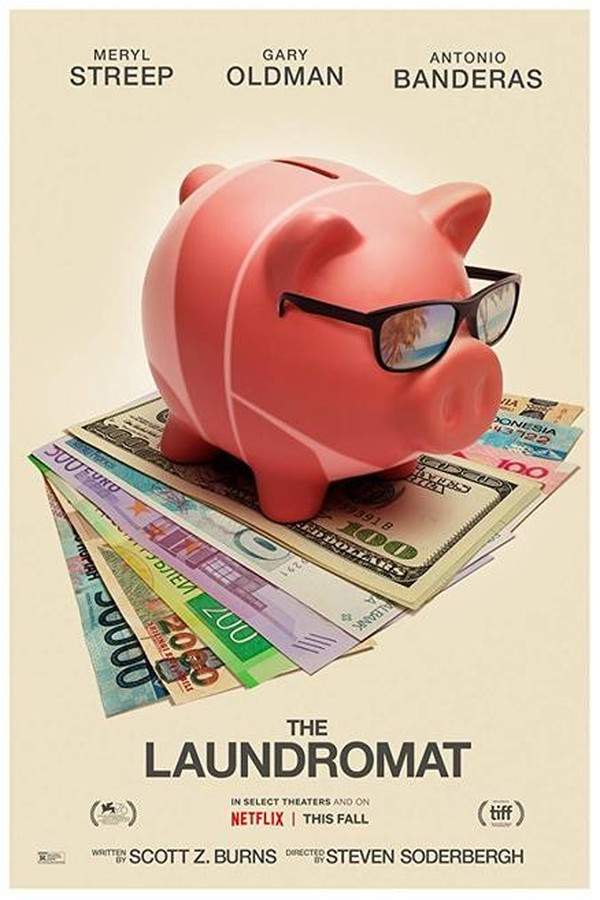
Economic Inequality Films Like The Emperor's New Clothes

Financial collapse becomes a human story when policy, wealth, and social division remain unresolved. Explore movies like The Emperor's New Clothes: documentaries and dramas examining financial crises, bank bailouts, tax avoidance, wealth concentration, and the human toll of policy. This thread follows stories that expose how economic systems distribute prosperity and hardship unevenly, often ending with the larger crisis still unresolved.

  • economic crisis
  • inequality
  • social justice
  • human cost
  • unresolved
  • institutional failure
  • Tone: somber, urgent, unresolved
  • Pacing: variable, evidence driven
Why these movies?

The story pattern: These narratives move from images of crisis and disruption toward the institutions shaping them. Personal hardship and archival evidence expose unequal outcomes, while scrutiny of elite wealth and corporate power reveals the systems behind the suffering. Reform does not arrive, leaving the structural crisis open-ended.

Why they belong together: The shared focus is the human cost of economic decisions and the unequal distribution of wealth and risk. Their dark, emotionally heavy presentations connect policy to lived consequences, and their ambiguous conclusions reflect a systemic problem that remains larger than any individual victim or institution.

If you liked this

Movies Like The Emperor's New Clothes

Similar movies to The Emperor's New Clothes: the same genre, themes or kind of story. Each one comes with its own plot summary, timeline and ending explained.

Browse all movie summaries

Every angle

The Emperor's New Clothes (2015) Explained: Plot, Timeline & Characters

Everything about The Emperor's New Clothes in one place: what happens in the plot summary, the timeline in chronological order, the characters and meaning and a spoiler-free summary. What's After the Movie adds the cast, box office and post-credit scenes.

Coming soon on iOS and Android

The Plot Explained Movie Summary App

Plot summaries, endings explained and timelines on your phone. Catch up on any movie in minutes, save your favorites and never miss a twist again.

Be the first to know when we launch. Your email stays private, always.

Learn more about the app