







Plot Explained Spoilers guaranteed!
Plot Explained

Browse by genre

The Draughtsman’s Contract (1982) movie poster

Timeline

The Draughtsman’s Contract (1982) Timeline Explained – Every Event in Order

Release, runtime and language
1982 · 108 mins · English
JustWatch #15,094 9
Directed by
Peter Greenaway
Starring
Janet Suzman, Anthony Higgins, Dave Hill, Suzan Crowley, Lynda La Plante, Nicholas Amer

A landscape of lust and cunning. A young artist is commissioned by the wife of a wealthy landowner to make a series of drawings of the estate while her husband is away.

On this page (7)
  1. 1 Where to watch
  2. 2 Events in order (12)
  3. 3 Timeline questions answered
  4. 4 Movie threads
  5. 5 Movies like The Draughtsman’s Contract
  6. 6 Categories
  7. 7 Every angle

Where to watch

Where to Watch The Draughtsman’s Contract (1982)

Where can you watch The Draughtsman’s Contract? Stream, rent or buy it in the US, including on Kino Film Collection, Hoopla and Kanopy: current JustWatch availability with up-to-date prices.

Streaming availability powered by JustWatch

12 events in order · contains spoilers

The Draughtsman’s Contract Timeline: Events in Chronological Order

Every key event of The Draughtsman’s Contract (1982) in order, scene by scene, with when and where it takes place. Use it to untangle flashbacks, time jumps and parallel storylines, to refresh your memory before the sequel or to find the exact scene you are thinking of.

  1. Contract for landscape drawings

    Neville, a young and ambitious artist, signs a contract with Mrs Virginia Herbert to paint twelve landscape drawings of her country house, its outbuildings and gardens, as a gift for her husband who is away on business. Part of the contract is that Mrs Virginia Herbert agrees to comply with Neville's sexual demands, creating an uneasy power dynamic from the outset.

    When
    At the outset of the commission
    Where
    Country house estate
  2. First encounters

    During Neville's stay at the estate, the two pursue a series of sexual encounters. Mrs Virginia Herbert shows reluctance or distress, while Neville's insistence remains coercive.

    When
    Early in the stay
    Where
    Country house estate
  3. Neville's unpopularity grows

    Neville becomes disliked by many inhabitants and visitors on the estate. The German son in law, Mr Talmann, stands out as particularly hostile.

    When
    During the stay
    Where
    Estate
  4. Attempt to terminate contract

    Mrs Herbert grows weary of Neville's appetite and tries to terminate the contract before the drawings are finished. Neville refuses to end the arrangement, and the encounters continue.

    When
    Before completion
    Where
    Country house estate
  5. Second contract via blackmail

    Mrs Talmann, the Herbert family daughter, uses blackmail to push Neville into a second contract. He agrees to fulfill her sexual demands rather than hers.

    When
    After the first contract
    Where
    Estate
  6. Pregnancy plan

    Mrs Talmann wants to become pregnant and believes Neville can help, despite her husband lacking interest. The second contract is arranged to accommodate this aim.

    When
    During the second contract
    Where
    Estate
  7. Herbert disappears and dies

    Mr Herbert does not return and his dead body is found in the moat, signaling a grim turn in the estate drama.

    When
    Unknown time; later in the story
    Where
    Estate moat
  8. Completion of the twelve drawings

    Neville completes the twelve landscapes and leaves the estate, having woven the sessions of the contract into his work as well as his own fate.

    When
    After Herbert's death
    Where
    Country house estate
  9. Return for an unlucky thirteenth drawing

    Neville returns to the estate to work on a thirteenth drawing, and he and Mrs Herbert share another sexual encounter during this visit.

    When
    Evening of the thirteenth drawing
    Where
    Country house estate
  10. Revelation of the pregnancy plan's outcome

    Mrs Herbert indicates that her daughter's plan to conceive with Neville has apparently succeeded, intensifying the sense of entrapment and manipulation around Neville.

    When
    During the thirteenth visit
    Where
    Drawing room / estate
  11. The trap closes

    A masked man, later revealed to be Mr Talmann in disguise, is joined by the estate manager, Mr Noyes, their neighbor Mr Seymour, and the Poulenc twins to confront Neville. They accuse him of murder and of sexual violation, signaling a planned end to his freedom.

    When
    Evening
    Where
    Estate drawing room
  12. The beating and the moat

    Neville protests, but the assembled group blinds and beats him to death. They cast his body into the moat, at the same location where the husband body was found, sealing Neville's fate.

    When
    Evening
    Where
    Moat

Last updated: October 09, 2025 at 14:50

Was this helpful?

Timeline questions answered

The Draughtsman’s Contract Timeline Explained: Your Questions Answered

When does it happen, and why in that order? The questions people ask about the chronology of The Draughtsman’s Contract (1982): time jumps, flashbacks, cause and effect between scenes and the correct order of events, each answered with spoilers.

Q1

Why does Mrs. Herbert agree to Neville's sexual demands in the contract?

Mrs. Herbert agrees to fulfill Neville's sexual demands because she desperately wants the twelve landscape drawings completed as a gift for her absent husband. Her husband has been cold and neglectful, and she believes the drawings will win back his affection. Neville exploits this vulnerability, using the commission as leverage to extract sexual compliance, creating a fundamentally coercive arrangement from the start.

Foreshadowing: The power imbalance is established in the initial contract scene, where Neville's arrogance meets Mrs. Herbert's desperation.

  • mrs herbert
  • contract
  • sexual demands
  • motivation
  • power imbalance
Q2

How does Mr. Herbert die and who killed him?

Mr. Herbert's body is discovered in the estate moat, but the film deliberately obscures the details of his death. The evidence strongly suggests he was murdered, though the specific killer and method remain ambiguous. The estate inhabitants use his death as a convenient frame to accuse Neville, suggesting he killed Herbert to continue his arrangements with the women, but the truth is never confirmed on screen.

Foreshadowing: Herbert's absence and delayed return plant the seed of his fate long before the body is found.

  • mr herbert
  • death
  • moat
  • murder
  • mystery
Q3

Why is Neville killed at the end of the film?

Neville is killed because the estate's inhabitants have orchestrated a complex revenge scheme. The group, led by Mr. Talmann in disguise, along with estate manager Mr. Noyes, neighbor Mr. Seymour, and the Poulenc twins, accuses Neville of murdering Mr. Herbert and sexually violating Mrs. Herbert. They blinding him and beat him to death, then cast his body into the moat. The true motives appear to be a combination of eliminating a man who had become despised, covering up the estate's own conspiracies, and using him as a scapegoat for Herbert's murder.

Foreshadowing: Neville's growing unpopularity and the hostile glances from Talmann throughout the film build toward this violent confrontation.

  • neville death
  • beating
  • moat
  • murder
  • revenge
  • talmann
Q4

What is Mrs. Talmann's second contract with Neville?

Mrs. Talmann, the childless daughter of Mrs. Herbert, blackmails Neville into a second sexual contract after discovering something damaging about him. Frustrated by her husband Mr. Talmann's lack of sexual interest, she arranges for Neville to impregnate her so she can conceive an heir. This scheme operates alongside Neville's arrangement with her mother, creating a tangled web of coercion and manipulation across the household.

Foreshadowing: Mrs. Talmann's frustration with her husband is established early, making her desperation for a child logical when it emerges.

  • mrs talamann
  • pregnancy
  • contract
  • blackmail
  • child
Q5

Why does Neville return for a thirteenth drawing?

Neville returns to the estate for an unauthorized thirteenth drawing despite having completed the twelve contracted landscapes. This unlucky thirteenth visit proves fatal, it is during this return that Mrs. Herbert reveals her daughter's pregnancy plan has succeeded, and it is also when the estate inhabitants set their trap. His greed for more work or perhaps his lingering desire for Mrs. Herbert draws him back to his death.

Foreshadowing: The number thirteen carries symbolic weight, suggesting fate or doom closing in on Neville.

  • thirteenth drawing
  • unlucky
  • return
  • death trap
Q6

How do the estate inhabitants trap Neville?

The estate inhabitants trap Neville by staging a confrontation during his thirteenth visit. Mr. Talmann appears masked, joined by manager Mr. Noyes, neighbor Mr. Seymour, and the Poulenc twins. They confront him with the drawings as supposed evidence of murder and accuse him of sexual violation against Mrs. Herbert. Neville realizes too late that Mrs. Herbert intentionally set the trap, using his presence and the drawings to provide a convenient suspect for her husband's murder while protecting the real culprits.

Foreshadowing: Mrs. Herbert's sudden proposition after Neville completes the work suggests she's luring him back for the scheme.

  • trap
  • confrontation
  • drawings
  • evidence
  • accusation
Q7

What evidence do the accusers use against Neville?

The accusers present the landscape drawings as evidence that Neville knows the estate well enough to have committed murder, suggesting the drawings reveal more than just scenery. They also cite the sexual encounter with Mrs. Herbert as evidence of violation. However, the evidence is largely circumstantial and appears designed to frame Neville rather than prove guilt, the real purpose being to eliminate him as a threat to the estate's secrets and provide a scapegoat for Herbert's murder.

Foreshadowing: The detailed drawings Neville produces throughout the film take on sinister significance when weaponized against him.

  • evidence
  • drawings
  • accusation
  • murder
  • frame
Q8

Is Mrs. Herbert manipulating Neville throughout the film?

Mrs. Herbert's true role becomes clearest at the end, she appears to have been manipulating Neville from the start. While she initially seems a reluctant participant in the sexual arrangement, the trap she helps set proves she was part of the conspiracy against Neville all along. She likely used the arrangement to keep Neville at the estate until the plan to frame him was ready, and her final proposition during the thirteenth visit was the bait to draw him to his death.

Foreshadowing: Mrs. Herbert's behavior shifts from reluctant to calculating as the film progresses, especially her sudden warmth during the thirteenth visit.

  • mrs herbert
  • manipulation
  • trap
  • deception
  • conspiracy
Q9

Why is Mr. Talmann so hostile toward Neville?

Mr. Talmann, the German son-in-law of Mrs. Herbert, is particularly hostile to Neville from the start. His hostility stems from multiple sources: general disapproval of Neville's arrogant demeanor, suspicion about the sexual arrangements, and ultimately his role as leader of the conspiracy to kill Neville. Talmann orchestrates the masked confrontation and leads the group that beats Neville to death, suggesting his earlier animosity was rooted in both personal disgust and plotting.

Foreshadowing: Talmann's icy demeanor and close observation of Neville throughout his stay foreshadow his role as the trap's architect.

  • talmann
  • hostility
  • german son-in-law
  • conspiracy
  • murder
Q10

What happens with Mrs. Talmann's pregnancy plan?

During Neville's thirteenth visit, Mrs. Herbert reveals that her daughter's plan to conceive a child with Neville has apparently succeeded. This revelation adds another layer of manipulation and consequence to the story, Neville has been used not just as a sexual pawn but as an unwitting reproductive tool for the Herbert family's schemes. The success of the pregnancy means Neville's biological child may now exist within the very family that ordered his murder.

Foreshadowing: The second contract explicitly details Mrs. Talmann's desire for an heir, making the pregnancy revelation a dark payoff.

  • pregnancy
  • talmann
  • child
  • conception
  • revelation
Q11

How does the power dynamic work in the sexual arrangements?

The sexual arrangements between Neville and the Herbert women are fundamentally coercive. Neville uses his position as commissioned artist to extract sexual favors from Mrs. Herbert, who desperately wants the drawings completed for her husband. Later, Mrs. Talmann blackmails Neville into a similar arrangement. The film depicts these encounters with clear reluctance and discomfort from the women, highlighting how Neville's artistic power and their desperation create deeply unequal dynamics where true consent is compromised.

Foreshadowing: The initial contract scene establishes this imbalance, with Neville's confident demands meeting Mrs. Herbert's resigned acceptance.

  • power
  • dynamic
  • coercion
  • consent
  • exploitation
  • sexual
Q12

Why are the landscape drawings significant to the plot?

The twelve drawings serve multiple purposes in the narrative. They provide Neville's justification for staying at the estate, they become the literal evidence used to frame him for murder, and they represent his arrogance, he treats the commission as an opportunity for personal gratification rather than artistic service. The detailed knowledge the drawings demonstrate is turned against him, suggesting they reveal his movements and possible crime scenes.

Foreshadowing: Each drawing session marks progress in both the commission and the growing hostility surrounding Neville.

  • drawings
  • evidence
  • landscape
  • commission
  • framing

Movie threads

More Movies Like The Draughtsman’s Contract, by Mood & Story

Curated lists built around what makes The Draughtsman’s Contract tick: the same mood, the same kind of story or the same emotional payoff. Each list explains why these movies belong together.

Cunning period dramas with erotic deceit like The Draughtsman’s Contract

Stories where aristocratic façades hide ruthless games of sexual manipulation and power. Explore a collection of movies like The Draughtsman’s Contract, featuring sophisticated period settings where eroticism and cunning deception drive the plot. If you enjoyed the film's exploration of power and manipulation within a historical context, you'll find similar stories of dangerous liaisons and social satire here.

  • deceptive
  • erotic
  • cunning
  • baroque
  • unsettling
  • satirical
  • Tone: dark, cynical, unsettling
  • Pacing: steady, methodical
Why these movies?

The story pattern: The narrative typically revolves around a clever but arrogant outsider, often an artist or intellectual, who enters a closed, aristocratic system. Believing themselves to be in control, they are instead manipulated by the seemingly passive inhabitants of this world, becoming a pawn in a larger, more cynical game that ends in their downfall or revelation of the system's corruption.

Why they belong together: Movies are grouped here because they share a specific blend of historical setting, intellectual puzzle-box plotting, and a darkly erotic undercurrent focused on power imbalance. They create a consistent mood of baroque unease and feature characters navigating treacherous social waters.
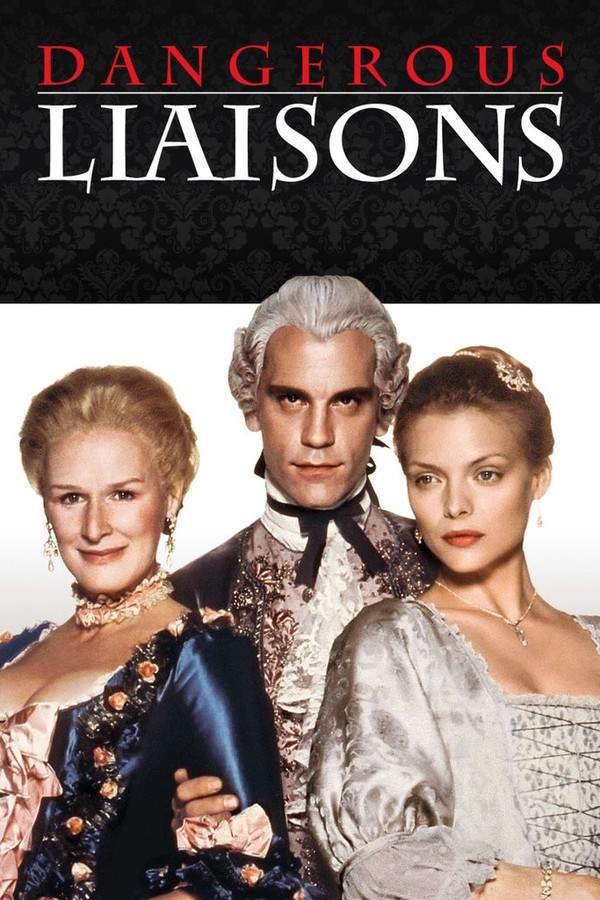

Slow burn intellectual thrillers with bleak endings like The Draughtsman’s Contract

Methodical puzzles where the pursuit of truth leads to a devastating and fatal conclusion. Find movies similar to The Draughtsman’s Contract that feature a slow-building, intellectually demanding mystery with a bleak conclusion. If you appreciated the film's methodical pacing and its devastating payoff, this selection offers more stories where a logical inquiry unravels into moral collapse and fatal consequences.

  • methodical
  • unsettling
  • psychological
  • oppressive
  • cerebral
  • dread
  • Tone: dark, bleak, tense
  • Pacing: steady, slow burn
Why these movies?

The story pattern: A protagonist, often an intellectual or specialist, is hired to solve a problem or complete a task through rigorous, seemingly objective means (like drawing, researching, or investigating). As they proceed, their methodical work inadvertently uncovers a hidden conspiracy or profound moral corruption, turning them from observer into victim and leading to an inescapably bleak outcome.

Why they belong together: These films are united by their cerebral approach to suspense, a steady pacing that prioritizes atmosphere over pace, and a shared narrative structure where intellectual curiosity meets a cruel, unforgiving reality. The experience is defined by a growing sense of dread and an ultimately pessimistic worldview.

If you liked this

Movies Like The Draughtsman’s Contract

Similar movies to The Draughtsman’s Contract: the same genre, themes or kind of story. Each one comes with its own plot summary, timeline and ending explained.

Browse all movie summaries

Categories

Movie Lists Featuring The Draughtsman’s Contract

The Draughtsman’s Contract appears in these hand-built movie categories. Each one groups movies by a specific mood, theme or story type, with their plot summaries and endings explained.

View all movie categories

Every angle

The Draughtsman’s Contract (1982) Explained: Plot, Timeline & Characters

Everything about The Draughtsman’s Contract in one place: what happens in the plot summary, the timeline in chronological order, the characters and meaning and a spoiler-free summary. What's After the Movie adds the cast, box office and post-credit scenes.

Coming soon on iOS and Android

The Plot Explained Movie Summary App

Plot summaries, endings explained and timelines on your phone. Catch up on any movie in minutes, save your favorites and never miss a twist again.

Be the first to know when we launch. Your email stays private, always.

Learn more about the app