







Plot Explained Spoilers guaranteed!
Plot Explained

Browse by genre

The Draughtsman’s Contract (1982) movie poster

Characters & Themes

The Draughtsman’s Contract (1982) Characters, Setting & Themes Explained

Release, runtime and language
1982 · 108 mins · English
JustWatch #15,094 9
Directed by
Peter Greenaway
Starring
Janet Suzman, Anthony Higgins, Dave Hill, Suzan Crowley, Lynda La Plante, Nicholas Amer

A landscape of lust and cunning. A young artist is commissioned by the wife of a wealthy landowner to make a series of drawings of the estate while her husband is away.

On this page (9)
  1. 1 Where to watch
  2. 2 Characters explained (14)
  3. 3 Where & when it takes place
  4. 4 Themes & meaning (4)
  5. 5 Character & meaning questions
  6. 6 Movie threads
  7. 7 Movies like The Draughtsman’s Contract
  8. 8 Categories
  9. 9 Every angle

Where to watch

Where to Watch The Draughtsman’s Contract (1982)

Where can you watch The Draughtsman’s Contract? Stream, rent or buy it in the US, including on Kino Film Collection, Hoopla and Kanopy: current JustWatch availability with up-to-date prices.

Streaming availability powered by JustWatch

14 main characters · contains spoilers

The Draughtsman’s Contract Characters Explained: Who Is Who

The main characters of The Draughtsman’s Contract (1982), heroes and villains: what drives them, how they change over the course of the story and what each of them reveals about the film's bigger ideas.

  • Mr Neville (Anthony Higgins)

    A young, conceited artist who wields artistic authority to press for sexual favors, then relies on charm and power to manipulate others. His arrogance blinds him to the consequences of his actions, and his single-minded focus on finishing the drawings drags him into a deadly social snare. He underestimates how the house’s inhabitants will turn his own leverage against him.

    • ❄️ Arrogant
    • 🗝️ Manipulative
    • 🧭 Power-hungry
  • Virginia Herbert (Janet Suzman)

    The cold, calculating mistress of the estate who uses contracts and social standing to control events. She is politically astute, willing to foment schemes to protect her position, and capable of turning intimate power into public leverage. Her pragmatism and detachment reveal a woman who treats desire as a bargaining chip.

    • ❄️ Calculating
    • 🕴️ Aristocratic
    • 🗝️ Controlling
  • Sarah Talmann (Anne-Louise Lambert)

    Daughter of Virginia Herbert, married and childless, frustrated by her husband’s lack of sexual interest. She seeks to become pregnant and uses Neville as a vehicle, blackmailing him into a second contract. Her actions display ambition and a readiness to manipulate for personal gain within a rigid social system.

    • ❄️ Frustrated
    • 🧠 Calculated
    • 🕴️ Aristocratic
  • Mr Talmann (Hugh Fraser)

    Sarah’s German husband, object of suspicion and a figure within the social circle who anchors the estate’s power dynamics. His presence contributes to the tension of the household and the broader community’s moral standards. He embodies the conservative authority the other characters test and challenge.

    • ❄️ Suspicious
    • 🗝️ Controlling
    • 🕶️ Reserved
  • Mr Herbert

    The cold, neglectful husband for whom the drawings are made; his absence drives much of the household’s dynamics. His eventual death in the moat catalyzes the investigation and the pack’s collective pursuit of guilt. He represents the distant, uncompromising authority the other characters maneuver around.

    • ❄️ Distant
    • 🗝️ Wealth
    • 🧭 Authority
  • Mr Parkes (Nicholas Amer)

    Estate staff member who mirrors the hierarchical order of the manor and observes the unfolding intrigues. His reactions and loyalties reflect the social constraints that shape the characters’ decisions. He serves as a witness to the events surrounding Neville’s contract and its consequences.

    • ❄️ Staff
    • 🗝️ Witness
    • 🕴️ Loyal
  • Poulenc Brother (David Meyer)

    An eccentric landowner whose presence adds to the estate’s atmosphere of oddity and scrutiny. Their unusual behavior heightens the sense that every action is observed and judged, contributing to the world’s claustrophobic social theater.

    • ❄️ Eccentric
    • 🧭 Observant
    • 🕵️ Quirky
  • Poulenc Brother (Tony Meyer)

    The other Poulenc brother, equally eccentric, amplifying the manor’s social theater. Their conduct underscores how gossip and appearance govern the community’s morality and decisions.

    • ❄️ Eccentric
    • 🕳️ Gossip
    • 🧭 Conniving
  • Governess (Sylvia Rotter)

    A keen observer of the household’s life, highlighting class distinctions and the surveillance that shapes Neville’s actions. Her presence adds a sense of propriety and order to the house’s intrigues.

    • ❄️ Watchful
    • 🧭 Class-based
    • 🗝️ Reserved
  • Augustus (Ben Kirby)

    A local character whose participation adds to the manor’s social web and the secrecy surrounding the contract. He contributes to the community’s texture and moral calculations.

    • ❄️ Local
    • 🗝️ Peripheral
    • 🕵️ Curious
  • Hoyten (Steve Ubels)

    A servant figure reflecting and reinforcing the estate’s rigid social order. His presence helps set the tone of confinement and control within the household.

    • ❄️ Servant
    • 🕊️ Subservient
    • 🧭 Quiet
  • Thomas Noyes (Neil Cunningham)

    A neighbor and former fiancé of Mrs Herbert’s, part of the circle that confronts Neville and participates in the murder scheme. His involvement illustrates how intimate histories influence the present crisis.

    • ❄️ Ex-fiancé
    • 🗝️ Involved
    • 🕴️ Loyal
  • Mr. Porringer (David Joss Buckley)

    A minor player in the manor’s social machinery, whose actions contribute to the enforcement of norms and the shaping of the drawing’s reputation.

    • ❄️ Minor
    • 🗝️ Authority
    • 🕵️ Cautious
  • Mr. Hammond (Geoffrey Larder)

    A senior figure in the estate who embodies formal authority and the weight of tradition in the conduct of its affairs.

    • ❄️ Elder
    • 🧭 Authority
    • 🕴️ Formal

Last updated: October 04, 2025 at 12:59

Was this helpful?

Setting

Where and When Does The Draughtsman’s Contract Take Place?

The setting of The Draughtsman’s Contract (1982): the year and time period, the places and locations, and how they shape the characters, the mood and the tension of the story.

Time period

Location

the country house, its outbuildings and gardens

A secluded country estate with extensive gardens and outbuildings serves as the tense backdrop for the plot. The house is a stage for negotiations, secrets, and social maneuvering among the manor’s inhabitants. Its physical separateness from the outside world amplifies the characters’ power plays and looming menace.

  • ❄️ Country house
  • 🗺️ Estate
  • 🎭 Drama

Last updated: October 04, 2025 at 12:59

Was this helpful?

4 major themes

The Draughtsman’s Contract Meaning: Themes & Message Explained

What is The Draughtsman’s Contract (1982) really about? The emotional, social and philosophical themes the film keeps returning to, its symbolism and the message beneath the surface.

  • Power

    Power and control drive the core relationship: Neville uses his artistic authority to demand sexual favors, while the estate’s hierarchy and residents exert influence through wealth and status. The contract culture creates an environment where coercion privileges those with leverage. The collective judgment and violence at the end show how social power sustains itself by silencing dissent. The interplay of art, desire, and dominance reveals a morally ambiguous world.

  • Art

    The drawings Neville creates function as currency, proof, and weapon within the plot. The act of depicting the landscape becomes a test of control, ambition, and social standing among the estate’s inhabitants. The artwork both exposes and entangles the participants in a web of accusation and fascination. The final, looming thirteenth drawing ties art to guilt and fate.

  • Sexuality

    Sexual politics permeate relationships: Mrs Herbert’s reluctance, her daughter’s opportunism, and Neville’s appetite shape the power dynamics. Intimacy is weaponized as leverage within marriages and contracts, revealing manipulation rather than romance. The encounters serve to expose moral compromises and shifting loyalties. The consequences of these choices drive the narrative toward tragedy.

  • Entrapment

    A calculated trap converges multiple characters around Neville, using the contracts and drawings as justification for accusation. Masks and disguises symbolize deception and collective guilt rather than individual wrongdoing. Neville realizes too late that he has become ensnared in a narrative he cannot escape. The beating and disposal in the moat finalize a social trap built on appearance and manipulation.

Last updated: October 04, 2025 at 12:59

Was this helpful?

Character & theme questions

The Draughtsman’s Contract Characters & Meaning: Your Questions Answered

The questions people ask about The Draughtsman’s Contract (1982): who the characters really are, their relationships, what the symbols mean, where it takes place and what the movie is really about. Each answer contains spoilers.

Q1

Where does The Draughtsman's Contract take place?

The story unfolds at a secluded English country estate with extensive gardens and outbuildings. This isolated setting functions as a closed theatrical space where the manor’s inhabitants engage in social maneuvering and power plays. The physical separation from the outside world intensifies the sense of claustrophobia and creates an environment where secrets can be contained and weaponized.

  • country estate
  • manor
  • english countryside
  • setting
  • isolation
Q2

What is the main theme of The Draughtsman's Contract?

Power and control drive the film's core relationships. Mr Neville uses his artistic authority to demand sexual favors, while the estate's hierarchy exerts influence through wealth and status. The contract culture creates an environment where coercion privileges those with leverage, and the collective violence at the end shows how social power sustains itself by silencing dissent.

  • power
  • control
  • coercion
  • social hierarchy
  • contracts
Q3

How does art function in the movie?

The drawings Neville creates function as currency, proof, and weapon within the plot. Depicting the landscape becomes a test of control, ambition, and social standing among the estate's inhabitants. The artwork both exposes and entangles participants in a web of accusation and fascination, with the final thirteenth drawing tying art to guilt and fate.

  • art
  • drawings
  • landscape
  • contract
  • visual art
Q4

Who is Virginia Herbert in the film?

Virginia Herbert is the cold, calculating mistress of the estate who uses contracts and social standing to control events around her. She is politically astute and willing to foment schemes to protect her position, capable of turning intimate power into public leverage. Her pragmatism and detachment reveal a woman who treats desire as a bargaining chip within the household's power structures.

  • virginia herbert
  • mistress
  • estate owner
  • manipulation
  • control
Q5

Who is Mr Neville in The Draughtsman's Contract?

Mr Neville is a young, conceited artist who wields his artistic authority to press for sexual favors from the estate's women. His arrogance blinds him to the consequences of his actions, and his single-minded focus on finishing the drawings drags him into a deadly social snare. He underestimates how the house's inhabitants will turn his own leverage against him.

  • mr neville
  • artist
  • protagonist
  • arrogance
  • manipulation
Q6

Who is Sarah Talmann and what is her motivation?

Sarah Talmann is the daughter of Virginia Herbert, married and childless, frustrated by her husband's lack of sexual interest. She seeks to become pregnant and uses Neville as a vehicle, blackmailing him into a second contract. Her actions display ambition and a readiness to manipulate for personal gain within the rigid social system of the estate.

  • sarah talmann
  • daughter
  • pregnancy
  • ambition
  • blackmail
Q7

How does sexuality drive the story's conflicts?

Sexual politics permeate every relationship in the film: Mrs Herbert's reluctance, her daughter's opportunism, and Neville's appetite shape the power dynamics throughout. Intimacy is weaponized as leverage within marriages and contracts, revealing manipulation rather than romance. The encounters serve to expose moral compromises and shifting loyalties, with the consequences of these choices driving the narrative toward tragedy.

  • sexuality
  • desire
  • manipulation
  • power dynamics
  • intimacy
Q8

What does the entrapment theme represent in the film?

A calculated trap converges multiple characters around Neville, using the contracts and drawings as justification for accusation. Masks and disguises symbolize deception and collective guilt rather than individual wrongdoing. Neville realizes too late that he has become ensnared in a narrative he cannot escape, with the beating and disposal in the moat finalizing a social trap built on appearance and manipulation.

  • entrapment
  • trap
  • deception
  • conspiracy
  • murder
Q9

What happens to Mr Herbert in the story?

Mr Herbert is the cold, neglectful husband for whom the drawings are made during his absence; his absence drives much of the household's dynamics. His eventual death in the moat catalyzes the investigation and the community's collective pursuit of guilt. He represents the distant, uncompromising authority that other characters maneuver around throughout the film.

  • mr herbert
  • husband
  • death
  • moat
  • absence
Q10

What is the significance of the contracts in the film?

The contracts Neville signs with the estate's women formalize arrangements that blur consent and coercion. These written agreements become tools of manipulation, proof of encounters, and ultimately evidence used against him. The contract culture exemplifies how written agreements can be weaponized within systems of power, turning formal documentation into instruments of social control.

  • contracts
  • agreements
  • consent
  • documentation
  • legal
Q11

What is the significance of the thirteenth drawing?

The thirteenth drawing represents the culmination of Neville's work and ties art directly to guilt and fate. While twelve drawings were commissioned, this final, looming drawing becomes the piece that connects Neville to the estate's crimes. The artwork transforms from mere landscape depiction to a confession and a weapon, symbolizing how creative work can ultimately betray its creator.

  • thirteenth drawing
  • final artwork
  • guilt
  • fate
  • confession
Q12

What social class dynamics drive the story?

The film is set within English aristocratic society, where class distinctions and rigid social hierarchies govern behavior. The estate operates on elaborate codes of conduct, propriety, and formal agreements that mask underlying corruption. Characters navigate these expectations while pursuing personal ambitions, revealing the gap between social surfaces and moral realities.

  • aristocracy
  • social class
  • english gentry
  • hierarchy
  • class system

Movie threads

More Movies Like The Draughtsman’s Contract, by Mood & Story

Curated lists built around what makes The Draughtsman’s Contract tick: the same mood, the same kind of story or the same emotional payoff. Each list explains why these movies belong together.

Cunning period dramas with erotic deceit like The Draughtsman’s Contract

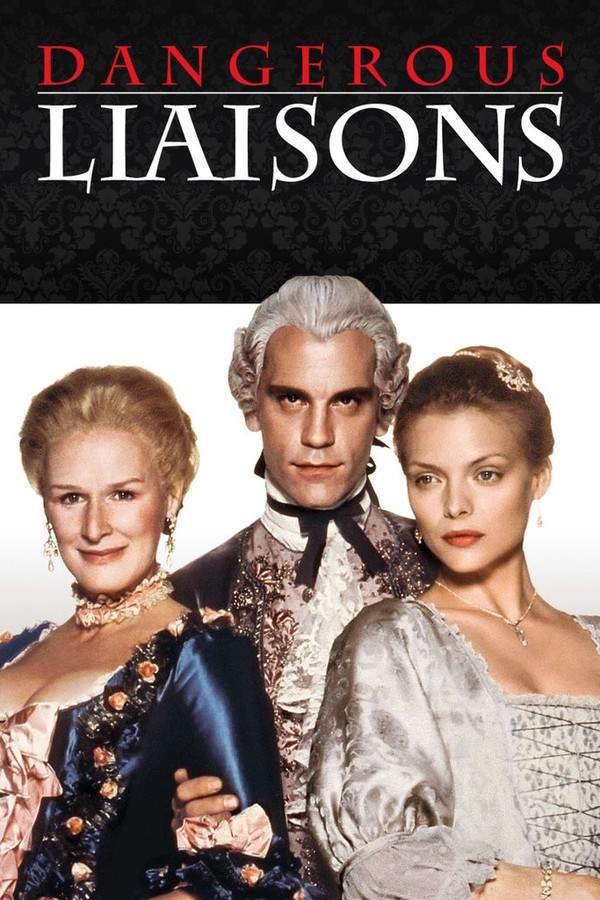
Stories where aristocratic façades hide ruthless games of sexual manipulation and power. Explore a collection of movies like The Draughtsman’s Contract, featuring sophisticated period settings where eroticism and cunning deception drive the plot. If you enjoyed the film's exploration of power and manipulation within a historical context, you'll find similar stories of dangerous liaisons and social satire here.

  • deceptive
  • erotic
  • cunning
  • baroque
  • unsettling
  • satirical
  • Tone: dark, cynical, unsettling
  • Pacing: steady, methodical
Why these movies?

The story pattern: The narrative typically revolves around a clever but arrogant outsider, often an artist or intellectual, who enters a closed, aristocratic system. Believing themselves to be in control, they are instead manipulated by the seemingly passive inhabitants of this world, becoming a pawn in a larger, more cynical game that ends in their downfall or revelation of the system's corruption.

Why they belong together: Movies are grouped here because they share a specific blend of historical setting, intellectual puzzle-box plotting, and a darkly erotic undercurrent focused on power imbalance. They create a consistent mood of baroque unease and feature characters navigating treacherous social waters.

Slow burn intellectual thrillers with bleak endings like The Draughtsman’s Contract

Methodical puzzles where the pursuit of truth leads to a devastating and fatal conclusion. Find movies similar to The Draughtsman’s Contract that feature a slow-building, intellectually demanding mystery with a bleak conclusion. If you appreciated the film's methodical pacing and its devastating payoff, this selection offers more stories where a logical inquiry unravels into moral collapse and fatal consequences.

  • methodical
  • unsettling
  • psychological
  • oppressive
  • cerebral
  • dread
  • Tone: dark, bleak, tense
  • Pacing: steady, slow burn
Why these movies?

The story pattern: A protagonist, often an intellectual or specialist, is hired to solve a problem or complete a task through rigorous, seemingly objective means (like drawing, researching, or investigating). As they proceed, their methodical work inadvertently uncovers a hidden conspiracy or profound moral corruption, turning them from observer into victim and leading to an inescapably bleak outcome.

Why they belong together: These films are united by their cerebral approach to suspense, a steady pacing that prioritizes atmosphere over pace, and a shared narrative structure where intellectual curiosity meets a cruel, unforgiving reality. The experience is defined by a growing sense of dread and an ultimately pessimistic worldview.

If you liked this

Movies Like The Draughtsman’s Contract

Similar movies to The Draughtsman’s Contract: the same genre, themes or kind of story. Each one comes with its own plot summary, timeline and ending explained.

Browse all movie summaries

Categories

Movie Lists Featuring The Draughtsman’s Contract

The Draughtsman’s Contract appears in these hand-built movie categories. Each one groups movies by a specific mood, theme or story type, with their plot summaries and endings explained.

View all movie categories

Every angle

The Draughtsman’s Contract (1982) Explained: Plot, Timeline & Characters

Everything about The Draughtsman’s Contract in one place: what happens in the plot summary, the timeline in chronological order, the characters and meaning and a spoiler-free summary. What's After the Movie adds the cast, box office and post-credit scenes.

Coming soon on iOS and Android

The Plot Explained Movie Summary App

Plot summaries, endings explained and timelines on your phone. Catch up on any movie in minutes, save your favorites and never miss a twist again.

Be the first to know when we launch. Your email stays private, always.

Learn more about the app