Plot Explained Spoilers guaranteed!
Plot Explained

Browse by genre

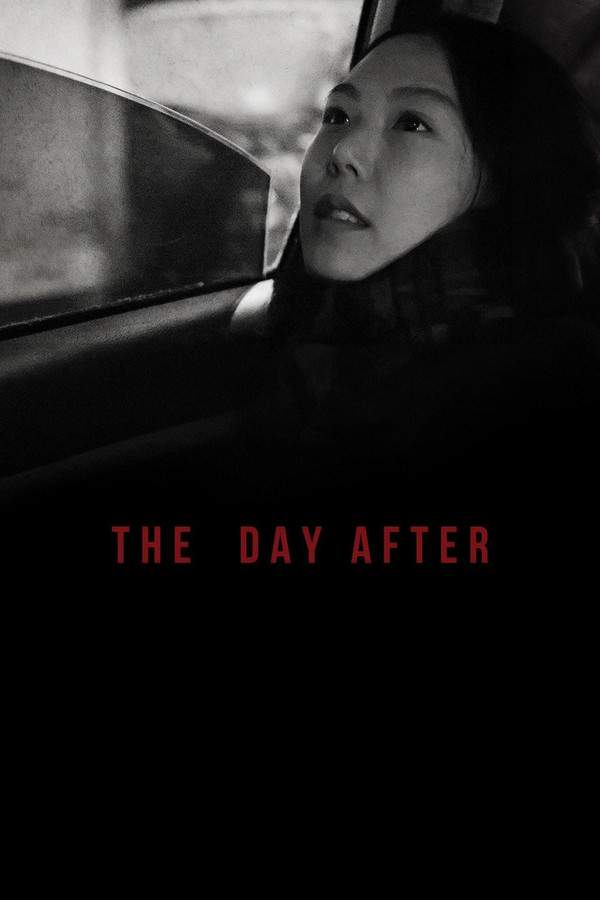
The Day After (2009) movie poster

Characters & Themes

The Day After (2009) Characters, Setting & Themes Explained

Release, runtime and language
2009 · 88 mins · Korean
Loading streaming availability…
Directed by
Lee Suk-gyung
Starring
Kim Do-young

A divorcee reevaluates her life after a chance meeting with another woman with a similar history.

On this page (8)
  1. 1 Where to watch
  2. 2 Characters explained (1)
  3. 3 Where & when it takes place
  4. 4 Themes & meaning (3)
  5. 5 Character & meaning questions
  6. 6 Movie threads
  7. 7 Movies like The Day After
  8. 8 Every angle
Loading streaming availability…

1 main characters · contains spoilers

The Day After Characters Explained: Who Is Who

The main characters of The Day After (2009), heroes and villains: what drives them, how they change over the course of the story and what each of them reveals about the film's bigger ideas.

  • Bo-young

    played by Kim Do-young

    A character portrayed by Kim Do-young, though their specific role is not detailed in the summary. They might be a minor or background character amid the chaos, representing the diverse individuals affected by the war.

    • 🧑‍🤝‍🧑 Survivor
    • 🌸 Hopeful

Last updated: August 19, 2025 at 04:51

Was this helpful?

Setting

Where and When Does The Day After Take Place?

The setting of The Day After (2009): the year and time period, the places and locations, and how they shape the characters, the mood and the tension of the story.

Time period

Late 20th century, during the Cold War era

The story takes place during the Cold War, a tense period marked by nuclear arms race and geopolitical conflict between the United States and the Soviet Union. Specifically, it depicts a hypothetical scenario in the 1980s when tensions escalated rapidly leading to nuclear war.

Location

Kansas City, Missouri, Harrisonville, Sweetsage, Lawrence, Joplin, Sedalia

The movie is primarily set in Kansas City, Missouri, and its surrounding areas. This region is known for its plains, agriculture, and as a cultural hub in the American Midwest. It features both urban environments and rural farmland, highlighting the contrast between city life and countryside.

  • 🌆 Urban
  • 🚜 Rural
  • 🏞️ Midwestern

Last updated: August 19, 2025 at 04:51

Was this helpful?

3 major themes

The Day After Meaning: Themes & Message Explained

What is The Day After (2009) really about? The emotional, social and philosophical themes the film keeps returning to, its symbolism and the message beneath the surface.

  • Nuclear War

    The central theme revolves around the devastating effects of nuclear conflict. The film explores the destruction, fallout, and societal collapse that result from such a war. It raises questions about war ethics, human survival, and the consequences of military escalation.

  • Global Tensions

    The story highlights the tensions between superpowers during the Cold War, including military buildups, blockades, and the threat of invasion. It shows how political conflicts can escalate into catastrophic violence, affecting millions of civilians.

  • Human Suffering

    The film vividly depicts the pain, suffering, and despair experienced by individuals and families in the aftermath of nuclear confrontation. It portrays the breakdown of society, loss of loved ones, and the struggle for survival amid radioactive devastation.

Last updated: August 19, 2025 at 04:51

Was this helpful?

Character & theme questions

The Day After Characters & Meaning: Your Questions Answered

The questions people ask about The Day After (2009): who the characters really are, their relationships, what the symbols mean, where it takes place and what the movie is really about. Each answer contains spoilers.

Q1

Where is The Day After set?

The movie is primarily set in Kansas City, Missouri, and surrounding areas in the American Midwest. It contrasts urban environments with rural farmland, showing both city life and countryside settings across locations like Harrisonville, Lawrence, Joplin, and Sedalia.

  • kansas city
  • missouri
  • midwest
  • setting
  • locations
Q2

What time period does the movie take place in?

The story takes place during the Cold War in the 1980s, a period marked by nuclear arms race and geopolitical tension between the United States and Soviet Union. The film depicts a hypothetical scenario where tensions rapidly escalate to nuclear war.

  • cold war
  • 1980s
  • nuclear war
  • time period
  • historical
Q3

What is the main theme of The Day After?

The central theme revolves around the devastating effects of nuclear conflict. The film explores the destruction, fallout, and societal collapse that result from nuclear war, raising questions about war ethics, human survival, and the consequences of military escalation.

  • nuclear war
  • themes
  • destruction
  • survival
  • consequences
Q4

Does the movie focus on human suffering?

Yes, the film vividly depicts the pain, suffering, and despair experienced by individuals and families in the aftermath of nuclear confrontation. It portrays the breakdown of society, loss of loved ones, and the struggle for survival amid radioactive devastation.

  • human suffering
  • aftermath
  • survival
  • radiation
  • loss
Q5

How does the movie portray Cold War tensions?

The story highlights the tensions between superpowers during the Cold War, including military buildups, blockades, and the threat of invasion. It shows how political conflicts can escalate into catastrophic violence, affecting millions of civilians.

  • cold war
  • superpowers
  • soviet union
  • military
  • escalation
Q6

What is the tone of the movie?

The tone is consistently bleak, with no moments of hope or redemption. The film creates a constant state of anxiety and dread as it depicts the catastrophic escalation from everyday life to full-scale nuclear war.

  • tone
  • bleak
  • dread
  • anxiety
  • bleakness
Q7

Is there any humor in the movie?

No, the film has zero humor score. There are no elements of levity in the story, which maintains a serious and devastating tone throughout its depiction of nuclear catastrophe.

  • humor
  • tone
  • levity
  • serious
  • no humor
Q8

How does the movie end?

The ending is bleak, with all major characters succumbing to radiation sickness or violence. The film concludes with a Morse code message spelling out 'MAD', which stands for Mutually Assured Destruction, emphasizing the film's commentary on nuclear deterrence.

Foreshadowing: The constant threat of nuclear war builds throughout the film until the inevitable conclusion.

  • ending
  • radiation sickness
  • mad
  • mutually assured destruction
  • conclusion
Q9

How does the movie depict the aftermath of nuclear war?

The film shows the complete breakdown of society in the aftermath of nuclear confrontation. Characters face radioactive devastation, loss of loved ones, and struggle for survival in a world where infrastructure and social order have collapsed.

  • aftermath
  • fallout
  • radiation
  • society collapse
  • survival
Q10

Why is The Day After considered intense?

The intensity is rated high because the film relentlessly depicts the catastrophic escalation from everyday life to full-scale nuclear war. The rapid succession of events, including the invasion of West Germany and nuclear strikes, creates a constant state of anxiety and dread with little narrative downtime.

  • intensity
  • escalation
  • anxiety
  • nuclear strikes
  • tension
Q11

Does the movie have any romantic elements?

No, the romance score is nonexistent. The film does not include romantic subplots or relationships, focusing instead on the broader human experience of nuclear catastrophe and its impact on communities and families.

  • romance
  • relationships
  • love
  • none
  • absent
Q12

What emotional impact does the movie have on viewers?

The emotional weight is heavy due to the graphic depiction of mass death, suffering, and the complete breakdown of society. The sadness score is extremely high, reflecting the tragic fates of all characters and the devastating portrayal of nuclear holocaust.

  • emotional impact
  • sadness
  • suffering
  • death
  • emotional weight

Movie threads

More Movies Like The Day After, by Mood & Story

Curated lists built around what makes The Day After tick: the same mood, the same kind of story or the same emotional payoff. Each list explains why these movies belong together.

Movies about societal collapse like The Day After

Stories depicting the swift and devastating breakdown of society after a global catastrophe. If you were captivated by the grim reality of nuclear aftermath in The Day After, explore more movies like it. These films depict societal collapse, survival against impossible odds, and the bleak end of civilization, capturing a similar feeling of despair and irreversible loss.

  • apocalyptic
  • despairing
  • tense
  • grief-stricken
  • oppressive
  • anxious
  • Tone: bleak, horrifying
  • Pacing: fast, chaotic
Why these movies?

The story pattern: Stories in this thread typically follow a rapid descent from normalcy into chaos, often triggered by a singular catastrophic event. The narrative focuses on the futile struggle for survival, the loss of humanity, and the graphic physical and emotional consequences faced by characters, culminating in an overwhelmingly bleak conclusion.

Why they belong together: Movies are grouped here based on their shared commitment to depicting unflinching, high-intensity horror of apocalypse. They share a bleak tone, fast pacing that mirrors the swift collapse, and a heavy emotional weight derived from the graphic depiction of mass tragedy and the extinguishing of hope.
Bleak dramas about grief and loss like The Day After

Emotionally devastating journeys where characters are consumed by loss and despair. For viewers who appreciated the heavy emotional weight and depiction of overwhelming grief in The Day After. These similar movies explore themes of profound loss, personal tragedy, and emotional devastation, often with a somber and bleak perspective on human suffering.

  • somber
  • grief-stricken
  • despairing
  • tragic
  • heavy
  • heartbreaking
  • Tone: somber, despairing
  • Pacing: steady, relentless
Why these movies?

The story pattern: The narrative pattern involves a catastrophic personal or global loss that shatters the protagonist's world. The story then follows their journey through the stages of grief, but instead of healing, it often leads to a state of permanent despair, acceptance of doom, or emotional collapse, without a hopeful resolution.

Why they belong together: These films are united by their heavy emotional weight and a consistently bleak outlook. They prioritize creating a somber, oppressive mood and often feature a steady or fast pacing that drives the characters relentlessly towards their tragic fate, leaving a lasting impact of sadness and despair.

If you liked this

Movies Like The Day After

Similar movies to The Day After: the same genre, themes or kind of story. Each one comes with its own plot summary, timeline and ending explained.

Browse all movie summaries

Every angle

The Day After (2009) Explained: Plot, Timeline & Characters

Everything about The Day After in one place: what happens in the plot summary, the timeline in chronological order, the characters and meaning and a spoiler-free summary. What's After the Movie adds the cast, box office and post-credit scenes.

Coming soon on iOS and Android

The Plot Explained Movie Summary App

Plot summaries, endings explained and timelines on your phone. Catch up on any movie in minutes, save your favorites and never miss a twist again.

Be the first to know when we launch. Your email stays private, always.

Learn more about the app