
The Breakfast Club

Five high school students, each representing a distinct social group—the brain, athlete, rebel, princess, and basket case—are forced to spend a Saturday in detention together. Initially clashing due to their preconceived notions about one another, they gradually begin to share their vulnerabilities and frustrations. Through honest conversations and unexpected connections, they challenge the labels that confine them and discover shared humanity. The experience leads to a surprising and profound understanding of themselves and the pressures they face.
Where to Watch The Breakfast Club?
Find where to stream, rent, or buy The Breakfast Club (1985) in the US with current JustWatch availability, up-to-date pricing, and platform listings for subscription, rental, and digital purchase options.











Warning: spoilers below!
Haven’t seen The Breakfast Club yet? This summary contains major spoilers. Bookmark the page, watch the movie, and come back for the full breakdown. If you're ready, scroll on and relive the story!
The Breakfast Club (1985) – Full Plot Summary & Ending Explained
Read the complete plot breakdown of The Breakfast Club (1985), including all key story events, major twists, and the ending explained in detail. Discover what really happened, and what it all means.
The story centers around five teenagers at the fictional Shermer High School in Shermer, Illinois, who find themselves serving a Saturday detention on March 24, 1984. Though they are not complete strangers, each student comes from a distinct social group: John Bender (portrayed by Judd Nelson), labeled as "The Criminal"; Claire Standish (played by Molly Ringwald), the "Princess"; Brian Johnson (performed by Anthony Michael Hall) known as "The Brain"; Andy Clark (acted by Emilio Estevez), the "Athlete"; and Allison Reynolds (interpreted by Ally Sheedy), or "The Basket Case". Their detention experience is overseen by the stern Principal Richard Vernon (Paul Gleason), who tasks them with writing an essay on "who you think you are" and outlining the misdeeds that led them to this fate.
In the midst of their confinement, Bender quickly emerges as the group's thorn, displaying hostility that sets the tone for much of the interaction. He throws playful yet biting jabs at Brian about his home life, and later reveals the baggage of his own abusive upbringing. His behavior prompts a series of outbursts, illustrating the struggle behind his tough facade. As they endure hours of detention, the group engages in unpredictable activities: they dance, provoke one another, share personal stories, engage in fights, and even pass around marijuana, all while unraveling their deepest secrets.
Amid the chaos, they learn about each other’s struggles; for instance, Allison admits to being a compulsive liar while Brian and Claire express their concerns about their personal lives and virginity. As they bond, the realization dawns upon them that they have more in common than they initially thought—each carries the weight of strained relationships with their parents and an unspoken fear of replicating the mistakes of the adults around them.
Even Mr. Vernon experiences moments of reflection. During an encounter with the janitor Carl Reed (John Kapelos), Vernon reveals his insecurities about a future where the students in detention will one day hold positions of power. Amid their evolving dynamics, the group concocts a plan to escape the library for a few moments. Bender retrieves his hidden stash of marijuana, and during their return, he makes a selfless sacrifice to ensure his friends’ escape, hiding the contraband in Brian’s pants.
As the day rolls on, each student reveals their backstory regarding their detention. Claire confesses to skipping class, hinting at family tensions, while Brian shares a darker account of his emotional struggles that almost led to tragedy. Andrew’s story showcases the harmful consequences of peer pressure, stemming from the need to conform to his father's expectations. Allison provides little clarity about her detention but hints at a lack of better alternatives for her Saturday.
By the day’s end, characters start to shed their labels. Claire emerges as a natural leader, while Bender becomes more approachable, leading to a romantic moment between him and Claire in the confines of the closet. Andrew finds a connection with Allison after a makeover transforms her appearance, and Brian discovers a newfound ability to articulate his thoughts eloquently.
In a moment of unity, the group agrees that Brian should write the essay for Mr. Vernon. Instead of adhering to the assignment's surface, Brian composes a letter that genuinely captures their day’s revelations. He signs off the essay as "The Breakfast Club," leaving an impactful message for Vernon that encapsulates their growth.
The evolution of their characters culminates in the poignant realization that they are more than just stereotypes. As Brian’s letter states, "You see us as you want to see us... in the simplest terms and the most convenient definitions." The group departs from their detention, leaving behind a story of transformation, connection, and shared understanding, with Bender striking a victorious pose as the credits roll.
Last updated: November 03, 2024 at 13:34
The Breakfast Club (1985) Plot Questions Answered – Summary FAQ
Explore frequently asked questions about The Breakfast Club (1985) with spoiler-rich answers covering the full plot summary, major story beats, character motivations, hidden details, and ending meaning. This movie summary FAQ helps explain confusing scenes, plot twists, and narrative decisions in clear, searchable detail.
Why is Bender so hostile toward the other students in detention?
Bender's hostility is a defense mechanism stemming from his abusive home life. He reveals that his father is physically abusive, and he uses aggression to push others away before they can hurt him. His tough facade masks deep emotional pain and vulnerability that he struggles to express directly.
Early in the film, Bender makes biting comments about Brian's home life, hinting at his own troubled background before he explicitly reveals it.
Why did Brian Johnson end up in detention?
Brian was sent to detention for bringing a flare gun to school, which he intended to use to kill himself. He was going through severe emotional turmoil and felt overwhelmed by the pressure to succeed academically. His story is the most harrowing revelation in the film, exposing the dark reality behind the "Brain" stereotype.
Brian and Claire discuss their anxieties about their futures and virginity, showing Brian's underlying distress before his full story emerges.
Why does Bender hide the marijuana in Brian's pants?
When the group escapes the library to smoke marijuana, Bender conceals the drug in Brian's pants as a protective measure. If they're caught, Bender plans to claim the marijuana belongs to Brian, using him as a scapegoat. However, this sacrifice also represents Bender's twisted form of loyalty, he takes the risk upon himself during the actual confrontation with Vernon.
Bender's plan is foreshadowed by his earlier antagonistic behavior, revealing a complex logic behind his seemingly reckless actions.
What does 'The Breakfast Club' refer to at the end of the movie?
Brian signs the essay as 'The Breakfast Club' to capture the essence of their shared experience. The name references their Saturday morning detention, a time when people traditionally eat breakfast, while highlighting how they've become an unlikely group united by circumstance. The title also reflects Vernon's cynical perception of them as a 'breakfast club' of troublemakers.
The name emerges from Brian's essay composition, where he reflects on their collective journey and transformation.
Why does Claire develop feelings for Bender?
Claire is drawn to Bender because he represents everything she's been taught to avoid, rebellion and authenticity. Through their conversations, she sees past his aggressive exterior to his vulnerable core. Their romantic moment in the closet represents her breaking free from her princess persona and embracing someone real rather than someone conventionally acceptable.
Claire's initial shock at Bender's behavior gradually shifts to curiosity, and she becomes the first to challenge his tough exterior.
Why was Andy (the Athlete) in detention?
Andy was punished for taping a student's buttocks to a locker, an act committed under pressure from his father. He explains that his father pushes him relentlessly in athletics, creating unbearable expectations. The harmful act was a misguided attempt to prove himself and gain his father's approval, showcasing how peer pressure and parental expectations can lead to destructive behavior.
Andy's physical dominance and silence early in the film hint at someone struggling to meet external expectations.
What does Brian write in the essay for Mr. Vernon?
Instead of writing about 'who you think you are' as assigned, Brian writes a candid letter describing their day together, sharing their vulnerabilities, struggles, and the labels that constrain them. The essay captures their genuine growth and connection, concluding with the powerful statement: 'You see us as you want to see us... in the simplest terms and the most convenient definitions.'
The essay's content directly reflects the revelations and bonding moments that occur throughout the day.
Why does Principal Vernon let them leave early?
Vernon is moved by Brian's essay, which speaks to their shared humanity beyond social stereotypes. However, his decision also stems from his conversation with janitor Carl Reed, where Vernon expresses fear that these students will someday hold power over him. Rather than face that potential future as an enemy, Vernon chooses leniency, allowing them to leave at 4 PM rather than enforcing the full sentence.
Vernon's insecurity about his own relevance and future is established during his conversation with Carl earlier in the day.
Why doesn't Allison give a clear reason for being in detention?
Allison's vague explanation, that she had 'nothing better to do', reflects her sense of invisibility and purposelessness. She admits to being a compulsive liar, suggesting her real reasons may be too painful or complicated to share. Her lack of a clear transgression represents a different kind of teen struggle: feeling unseen and unimportant rather than acting out intentionally.
Allison's quiet presence and tendency to observe rather than participate hint at her deeper feelings of alienation.
How do the students break free from their social stereotypes?
Through sharing their vulnerabilities, abuse, suicidal thoughts, parental pressure, and loneliness, the students discover common humanity beneath their labels. Claire becomes a leader, Bender reveals his soft side, Brian finds his voice, Andrew connects authentically with Allison, and Allison opens up. The labels start dissolving as they see each other as complex individuals rather than stereotypes.
The film's progression from hostile confrontation to intimate confession demonstrates the gradual breaking down of barriers.
What does Bender's victory pose at the end signify?
Bender's triumphant pose as the credits roll represents his liberation from emotional imprisonment. Throughout the film, he's been trapped in his defensive hostility, but the day has allowed him to connect authentically with others. The victory isn't about winning over the other students, it's about breaking free from his self-imposed isolation and emotional walls, even if only temporarily.
Bender's transformation from antagonist to someone capable of vulnerability and connection builds throughout the film.
Why is Vernon worried about the students becoming powerful someday?
During his conversation with janitor Carl Reed, Vernon expresses fear that these detention students will grow up to become judges, senators, or other powerful figures who could retaliate against him. This reveals Vernon's own insecurity about his relevance and legacy. His strict authority is revealed as a mask for anxiety about being powerless in the future.
This conversation occurs mid-film, foreshadowing Vernon's eventual decision to show mercy.

Explore Movie Threads
Discover curated groups of movies connected by mood, themes, and story style. Browse collections built around emotion, atmosphere, and narrative focus to easily find films that match what you feel like watching right now.
Movies about transformational confinements like The Breakfast Club
Stories where forced proximity leads to profound personal change and unexpected bonds.If you liked the way The Breakfast Club used a single day in detention to break down social barriers, you'll appreciate these movies. This thread gathers films where characters are forced together in a limited space, leading to unexpected camaraderie, honest confessions, and life-changing realizations.

Seeking a Friend for the End of the World
2012

Forever
2015

Sunlight
2025

Trapped
2016

The Immaculate Room
2022

Buffalo '66
1998

Mouth to Mouth
2006

Such Good Friends
1971

Such Good Friends
2025

Another Round
2020

Never Forever
2007

Held
2021

The Free World
2016

Promised Heaven
1991
The Breakfast Club
1985
Narrative Summary
The narrative pattern involves a group of diverse individuals forced into a shared, confined space. Initial conflict and prejudice give way to conversations that reveal shared struggles. The structure is often linear and real-time, with the climax being a moment of collective catharsis or understanding, though the future of their connection may remain uncertain.
Why These Movies?
These films are grouped together because they share a core structure of forced proximity catalyzing character growth. They balance confrontational tension with moments of tender revelation, leading to a bittersweet or hopeful ending where characters see each other—and themselves—in a new, more honest light.
Cathartic teenage confession dramas similar to The Breakfast Club
Raw coming-of-age stories where teenagers break free from labels by sharing their hidden pain.For viewers who connected with the raw honesty and emotional weight of The Breakfast Club, this thread collects movies about teenagers confronting difficult truths. These stories focus on the painful but necessary process of shedding stereotypes and finding connection through shared vulnerability.

American Teen
2008

The Battle of Shaker Heights
2003
The Breakfast Club
1985

I Like Movies
2024
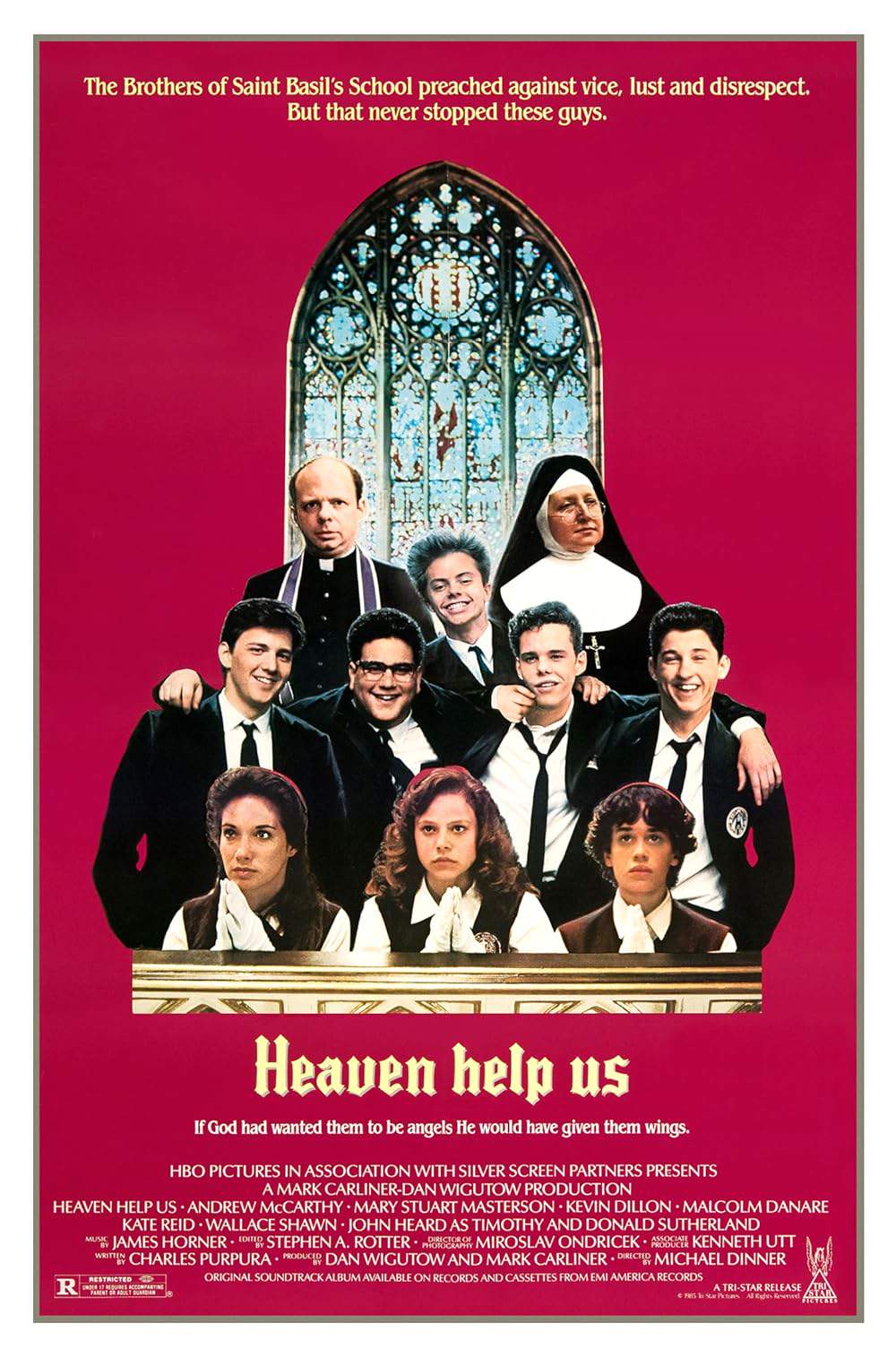
Heaven Help Us
1985

How to Deal
2003

Reckless
1984

New Waterford Girl
2000

Henry Gamble's Birthday Party
2016

Cuties
2020

Our Times
2002

20th Century Girl
2022

Grean Fictions
2013

All These Small Moments
2019

Tomboy
2011
Narrative Summary
The journey follows teenagers who are defined by rigid social roles. Through a catalyzing event or newfound friendship, they are pushed to reveal the pain and complexity hidden beneath their labels. The narrative focuses on dialogue and emotional revelation, culminating in a cathartic moment that offers liberation but also acknowledges the ongoing challenges of adolescence.
Why These Movies?
These movies are united by their focus on the intense emotional landscape of teenage life. They share a bittersweet tone, balancing the weight of serious themes like abuse and neglect with the hopeful possibility of being truly seen and understood, often for the first time.
Unlock the Full Story of The Breakfast Club
Don't stop at just watching - explore The Breakfast Club in full detail. From the complete plot summary and scene-by-scene timeline to character breakdowns, thematic analysis, and a deep dive into the ending - every page helps you truly understand what The Breakfast Club is all about. Plus, discover what's next after the movie.
The Breakfast Club Timeline
Track the full timeline of The Breakfast Club with every major event arranged chronologically. Perfect for decoding non-linear storytelling, flashbacks, or parallel narratives with a clear scene-by-scene breakdown.

Characters, Settings & Themes in The Breakfast Club
Discover the characters, locations, and core themes that shape The Breakfast Club. Get insights into symbolic elements, setting significance, and deeper narrative meaning - ideal for thematic analysis and movie breakdowns.


Similar Movies to The Breakfast Club
Discover movies like The Breakfast Club that share similar genres, themes, and storytelling elements. Whether you’re drawn to the atmosphere, character arcs, or plot structure, these curated recommendations will help you explore more films you’ll love.

Ferris Bueller's Day Off
1986

Class of 1984
1982

Fast Times at Ridgemont High
1982

Good Kids
2016

Sex and Breakfast
2007

Detention
2012

Breakfast of Champions
1999

College
2008

Jawbreaker
1999

Kids in America
2005

Film School Confidential
2006

Hot Times at Montclair High
1989

The Clique
2008

Teenage Angst
2008

High School Confidential!
1958
Explore More About Movie The Breakfast Club
The Breakfast Club (1985) Scene-by-Scene Movie Timeline
The Breakfast Club (1985) Movie Characters, Themes & Settings
The Breakfast Club (1985) Spoiler-Free Summary & Key Flow
Movies Like The Breakfast Club – Similar Titles You’ll Enjoy
Ferris Bueller's Day Off (1986) Full Movie Breakdown
Class of 1984 (1982) Complete Plot Breakdown
Fast Times at Ridgemont High (1982) Full Movie Breakdown
Good Kids (2016) Detailed Story Recap
Sex and Breakfast (2007) Full Movie Breakdown
Detention (2012) Film Overview & Timeline
Breakfast of Champions (1999) Plot Summary & Ending Explained
College (2008) Full Movie Breakdown
Jawbreaker (1999) Complete Plot Breakdown
Kids in America (2005) Movie Recap & Themes
Film School Confidential (2006) Spoiler-Packed Plot Recap
Hot Times at Montclair High (1989) Movie Recap & Themes
The Clique (2008) Complete Plot Breakdown
Teenage Angst (2008) Full Summary & Key Details
High School Confidential! (1958) Full Summary & Key Details