Year: 1963
Runtime: 23 mins
Language: French
Director: Éric Rohmer
Rohmer’s New Wave piece, the first of his six moral tales, follows a young man who meets a girl on the street. After she disappears, he becomes involved with a bakery clerk. When he schedules dates with both women on the same day, he faces a decisive choice between them, highlighting his youthful indecision and the moral dilemma at heart of story.
Warning: spoilers below!
Haven’t seen The Bakery Girl of Monceau yet? This summary contains major spoilers. Bookmark the page, watch the movie, and come back for the full breakdown. If you're ready, scroll on and relive the story!
Trace every key event in The Bakery Girl of Monceau (1963) with our detailed, chronological timeline. Perfect for unpacking nonlinear stories, spotting hidden connections, and understanding how each scene builds toward the film’s climax. Whether you're revisiting or decoding for the first time, this timeline gives you the full picture.
Last updated: March 05, 2026 at 18:41
Find frequently asked questions about the The Bakery Girl of Monceau (1963) timeline, including chronological order, nonlinear jumps, cause-and-effect links, and scene sequence clarifications. This timeline FAQ helps explain when key events happen, how moments connect, and why the story unfolds in that specific order.
The student chooses Sylvie because she was his original object of desire, the woman he first noticed and pursued in the Monceau neighborhood. When he runs into Sylvie on the night he was supposed to meet Jacqueline, his longstanding infatuation resurfaces, and he abandons the bakery date without hesitation. The story presents this as a moment of youthful indecision where he follows his initial romantic impulse rather than the more convenient relationship he had developed with Jacqueline.
The student enlists his friend Schmidt to orchestrate a staged bump-into in the Monceau neighborhood. Since he cannot bring himself to speak to Sylvie directly, Schmidt helps create a contrived situation that gives him an excuse to approach her and break the ice.
The staged encounter establishes a pattern where the student relies on external help rather than genuine initiative in his romantic pursuits.
During dinner at Sylvie's apartment, she reveals that while recovering from her sprained ankle, she observed him from her window across the street. She noticed him visiting the bakery daily, which implies she was aware of his presence in the neighborhood even while absent. The line is left ambiguous, viewers cannot confirm whether she simply noticed him or whether she understood he was pursuing another woman (Jacqueline) while still hoping to find her.
As the student walks to pick up Jacqueline for their planned date, he unexpectedly encounters Sylvie, who has been home recovering from a badly sprained ankle. The serendipitous reunion rekindles his original passion, and he immediately abandons his plans with Jacqueline to pursue Sylvie. This moment reveals the instability of his affections, he pivots entirely based on whoever is currently available.
Jacqueline eventually moves on to another job, and the student never learns whether she saw him abandon their date in favor of Sylvie. The story leaves her fate ambiguous, she simply fades from his life as he settles into marriage with Sylvie near the bakery.
After losing sight of Sylvie following their initial encounter, the student begins skipping dinner and wandering the streets of Monceau in search of her. During these walks, he enters the bakery and develops a flirtatious rapport with Jacqueline, the warm-hearted clerk. The bakery becomes a convenient social outlet while he continues searching for his original crush.
The story never confirms whether Sylvie is aware of the student's involvement with Jacqueline. During dinner, her comment about noticing him eating pastries daily could imply she saw the entire pursuit unfold, but she leaves the observation ambiguous. The uncertainty remains unresolved throughout the narrative.
The title refers to Jacqueline, the bakery worker who becomes a significant part of the student's life during his pursuit of Sylvie. Despite the title, the story ultimately centers on Sylvie, making the choice of title somewhat ironic, it draws attention to the woman the student does not end up with, highlighting the theme of choosing one path over another.
After persuading Jacqueline to go on a date, the student tells himself that she was the one who pursued him, even though the timeline shows he initiated the conversations and convinced her to meet him. This self-deception allows him to preserve a sense of moral justification, framing himself as the pursued rather than the pursuer, before ultimately abandoning her for Sylvie.
The central moral dilemma is the student's inability to commit to one romantic interest. By scheduling dates with both Sylvie and Jacqueline on the same day, he puts himself in a position where he must choose. The story frames this as a youthful foible, a moment of indecision that causes no serious harm but reveals the moral immaturity at the heart of Eric Rohmer's Six Moral Tales series.
No. The story explicitly states that the man never learns whether Jacqueline ever saw him abandon their date for Sylvie. This unresolved question becomes a lingering detail in the background of his married life with Sylvie, representing one of the many small uncertainties that characterize human relationships.
Discover curated groups of movies connected by mood, themes, and story style. Browse collections built around emotion, atmosphere, and narrative focus to easily find films that match what you feel like watching right now.
Stories of charming romantic quandaries and the small moral choices of young adulthood.Find more films like The Bakery Girl of Monceau that capture the spirit of young love and indecision. These movies feature charming protagonists wrestling with lighthearted romantic choices and gentle moral dilemmas.
Narratives in this thread typically follow a young protagonist through a series of casual encounters and romantic interests, leading to a minor but meaningful choice. The plots are linear and character-driven, focusing on introspection and the subtle dynamics of attraction rather than high drama.
These films are grouped by their shared focus on the lighthearted yet reflective mood of youthful exploration. They possess a gentle pacing, a straightforward complexity, and a tone that balances flirtation with a thoughtful observation of human behavior.
Charming, character-driven stories of chance encounters and romance in the city.If you liked the Parisian romance and chance encounters in The Bakery Girl of Monceau, explore these similar films. They capture the feel of city life and the gentle unfolding of relationships through an observant lens.
The narrative pattern follows a protagonist's daily life interrupted by a chance encounter, leading to a simple but focused romantic plot. The structure is often episodic, building a gentle tension from the protagonist's choices and observations within their urban environment.
These movies share a specific mood: a blend of casual romance, a reflective tone, and a steady, observational pacing that makes the viewer feel like a flaneur. The focus is on mood and atmosphere over complex plotting, creating a cohesive, charming experience.
Don't stop at just watching - explore The Bakery Girl of Monceau in full detail. From the complete plot summary and scene-by-scene timeline to character breakdowns, thematic analysis, and a deep dive into the ending - every page helps you truly understand what The Bakery Girl of Monceau is all about. Plus, discover what's next after the movie.
Read a complete plot summary of The Bakery Girl of Monceau, including all key story points, character arcs, and turning points. This in-depth recap is ideal for understanding the narrative structure or reviewing what happened in the movie.
Discover the characters, locations, and core themes that shape The Bakery Girl of Monceau. Get insights into symbolic elements, setting significance, and deeper narrative meaning - ideal for thematic analysis and movie breakdowns.
Discover movies like The Bakery Girl of Monceau that share similar genres, themes, and storytelling elements. Whether you’re drawn to the atmosphere, character arcs, or plot structure, these curated recommendations will help you explore more films you’ll love.
The Bakery Girl of Monceau (1963) Plot Summary & Movie Recap
The Bakery Girl of Monceau (1963) Scene-by-Scene Movie Timeline
The Bakery Girl of Monceau (1963) Spoiler-Free Summary & Key Flow
Movies Like The Bakery Girl of Monceau – Similar Titles You’ll Enjoy
Romantics Anonymous (2011) Full Movie Breakdown
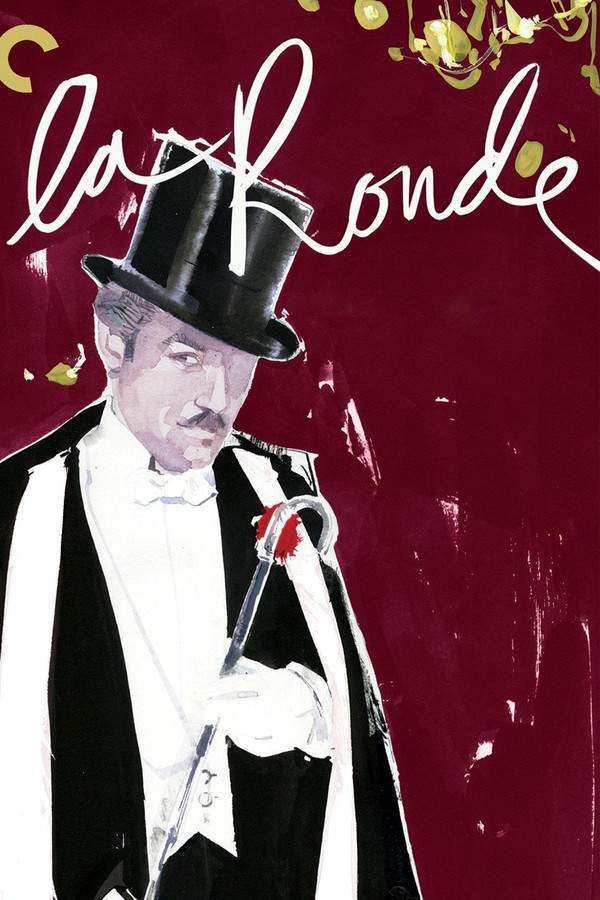
La Ronde (1951) Full Summary & Key Details
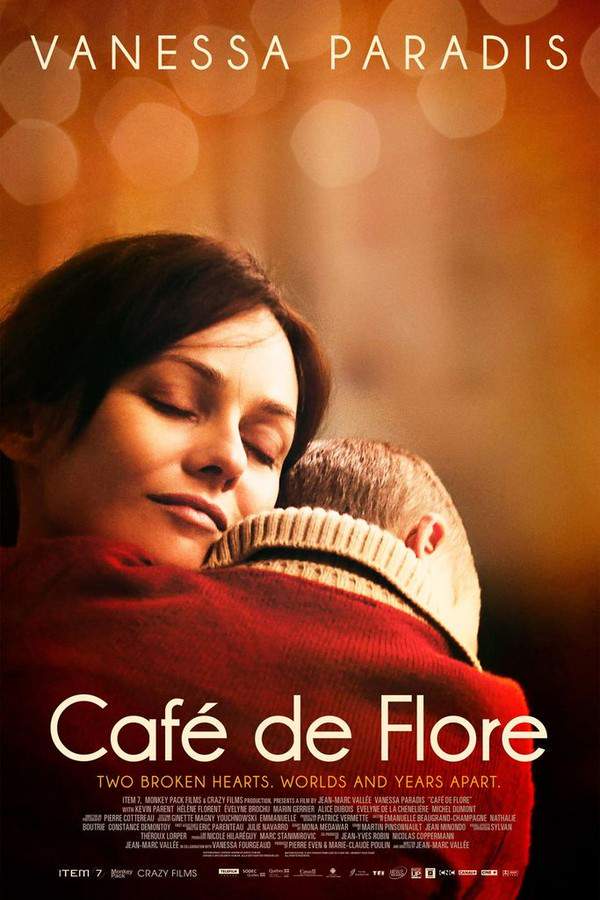
Café de Flore (2012) Detailed Story Recap
Chocolat (2000) Movie Recap & Themes
The Story of Marie and Julien (2003) Full Movie Breakdown
Boy Meets Girl (1984) Story Summary & Characters
Boyfriends and Girlfriends (1987) Detailed Story Recap
Bread, Love and Dreams (1953) Film Overview & Timeline
Suzanne’s Career (1963) Spoiler-Packed Plot Recap
The Lacemaker (1977) Spoiler-Packed Plot Recap
Rendezvous in Paris (1995) Plot Summary & Ending Explained
The Young Girls of Rochefort (1967) Film Overview & Timeline
Monpti (1957) Full Summary & Key Details
The Baker’s Wife (1938) Film Overview & Timeline
La femme du boulanger (1999) Story Summary & Characters