Plot Explained Spoilers guaranteed!
Plot Explained

Browse by genre

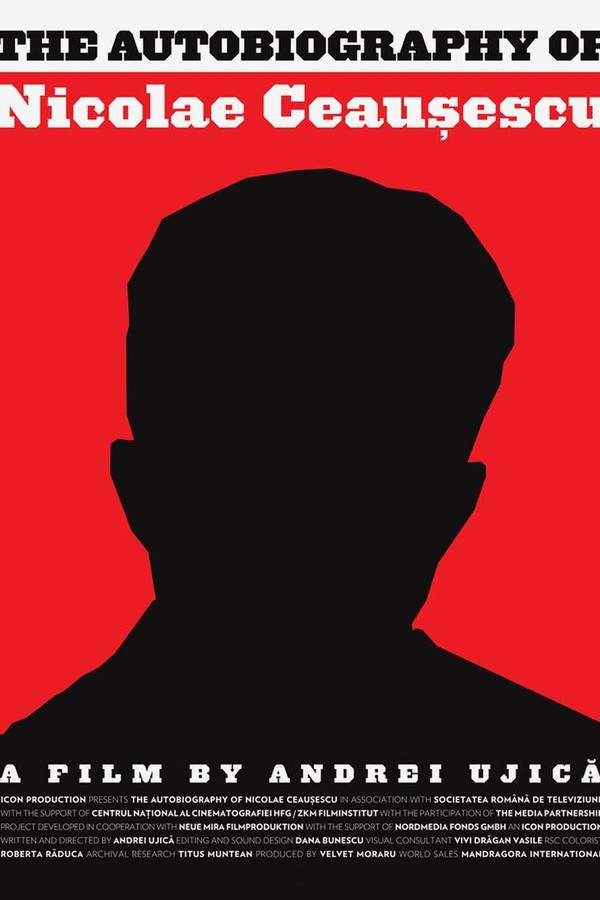
The Autobiography of Nicolae Ceausescu (2011) movie poster

Spoiler-Free Summary

The Autobiography of Nicolae Ceausescu (2011) Spoiler-Free Summary – What It's About

Release, runtime and language
2011 · 180 min · Romanian
Directed by
Andrei Ujica

Using archival footage, this documentary provides a disturbing look at the life and rule of Nicolae Ceausescu, the dictator of Romania. The film features footage of him speaking to large gatherings, participating in official ceremonies, and demonstrating his control over the country. It offers a revealing portrait of a controversial figure and a period of Romanian history.

On this page (6)
  1. 1 What it is about
  2. 2 Is it worth watching?
  3. 3 After you watch
  4. 4 Movie threads
  5. 5 Movies like The Autobiography of Nicolae Ceausescu
  6. 6 Every angle

Spoiler-free summary · safe to read

What Is The Autobiography of Nicolae Ceausescu About? (No Spoilers)

The plot of The Autobiography of Nicolae Ceausescu (2011) without spoilers: what it is about, who it follows and where it takes place, told without the twists or the ending. Enough to decide whether it is your next watch, not enough to ruin it.

In a striking blend of history and art, the film stitches together more than a thousand hours of public and private footage to create a living portrait of a nation ruled by a single, towering presence. Through the lenses of ceremony, speech, and staged pageantry, the documentary invites viewers into a world where grand spectacle hides the subtle currents of power. The opening frames set a tone of quiet unease, letting the images themselves speak louder than any external commentary.

The auteur, Andrei Ujică, forgoes traditional narration, instead allowing the rhythm of montage, sound reconstruction, and meticulous editing to shape the narrative. By treating the material as a “film‑object,” he crafts a cinematic essay that feels as if it were assembled from the private memories of its subject. The result is a contemplative, almost vertiginous experience that hovers between documentary rigor and experimental poetics, echoing the legacy of early cinema theorists while remaining wholly contemporary.

At the heart of the work stands Nicolae Ceaușescu, whose charismatic authority permeates every frame. Beside him, Elena appears as a constant, complementary force, together embodying a meticulously cultivated cult of personality. The visual palette—lavish parades, solemn ceremonies, crowded rallies—conveys a society that oscillates between adulation and the oppressive weight of orchestrated grandeur. Through this lens, the audience catches a sense of a country caught in the grip of a self‑crafted myth, where public display and private ambition intertwine.

The film’s tone is simultaneously awe‑inspiring and unsettling, its silence and soundscape magnifying the dissonance between outward splendor and the undercurrents of control. By immersing the viewer in a relentless flow of archival moments, it prompts a lingering curiosity about the blurred lines between reality and performance, leaving an indelible impression of a historical era that continues to resonate long after the screen goes dark.

Last updated: August 10, 2025 at 07:41

Was this helpful?

What to expect

Is The Autobiography of Nicolae Ceausescu Worth Watching? What It Feels Like

Is it dark, sad, slow, intense or confusing? The mood of The Autobiography of Nicolae Ceausescu (2011) in a few tags, without a word about how it ends. Each tag opens a list of movies that feel the same.

After you watch

Seen The Autobiography of Nicolae Ceausescu? Now Read the Spoilers

Once you have watched The Autobiography of Nicolae Ceausescu (2011), come back for the full story: the plot summary with spoilers, the timeline in chronological order, the characters and meaning.

Movie threads

More Movies Like The Autobiography of Nicolae Ceausescu, by Mood & Story

Curated lists built around what makes The Autobiography of Nicolae Ceausescu tick: the same mood, the same kind of story or the same emotional payoff. Each list explains why these movies belong together.

Archival documentaries deconstructing power like The Autobiography of Nicolae Ceausescu

Films that use found footage to dissect the mechanisms of authoritarian rule. If you liked the unsettling, found-footage approach of *The Autobiography of Nicolae Ceausescu*, explore more movies that use archival material to dissect political power and propaganda. These films offer a similar, complex look at history through its own mediated images, creating a tense and intellectually demanding viewing experience.

  • archival
  • thought-provoking
  • chilling
  • critical
  • unsettling
  • analytical
  • Tone: tense, critical, unsettling
  • Pacing: steady, accumulative
Why these movies?

The story pattern: These films typically eschew conventional voice-over narration, instead building their narrative through the strategic montage of historical footage. The journey is one of revelation, where the viewer becomes an active participant in uncovering the truth behind the manufactured reality presented by regimes or powerful figures.

Why they belong together: They are grouped by their unique formal approach to history and politics. They share a commitment to using primary visual sources to create a tense, thought-provoking atmosphere, focusing on the gap between official imagery and underlying reality.

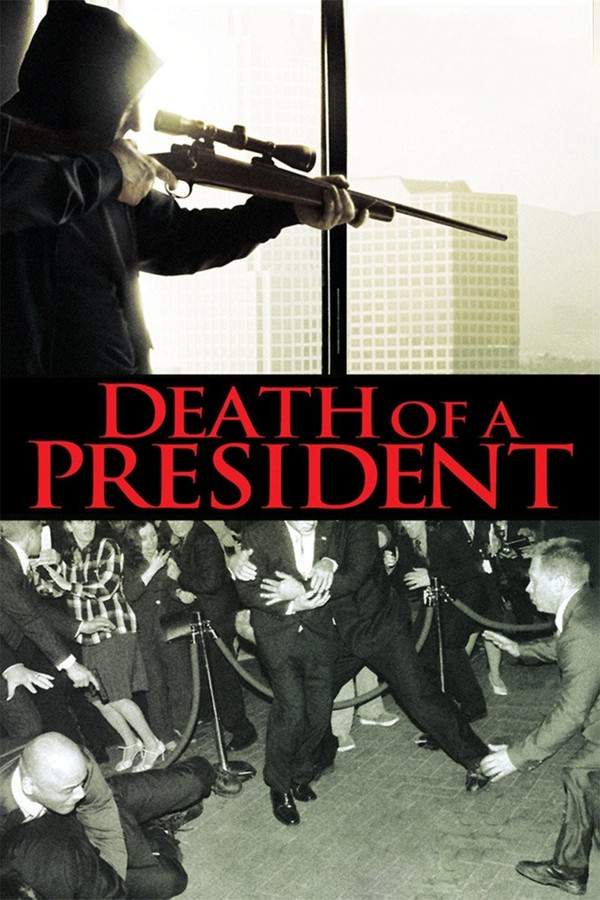
Bleak stories of political downfall like The Autobiography of Nicolae Ceausescu

Sobering narratives tracing the inevitable collapse of flawed, powerful figures. Viewers seeking the grim, historical narrative of *The Autobiography of Nicolae Ceausescu* will find similar movies here. These films explore the devastating collapse of powerful individuals and systems, sharing a tense atmosphere, heavy emotional weight, and a ultimately bleak perspective on power and its consequences.

  • bleak
  • oppressive
  • somber
  • disturbing
  • tragic
  • downfall
  • Tone: tense, dark, bleak
  • Pacing: steady, relentless
Why these movies?

The story pattern: The narrative pattern is one of inescapable decline. It often begins at a point of perceived power, then moves backward or forward to reveal the cracks, miscalculations, and brutal realities that foretell a tragic end. The journey is less about suspense regarding the outcome and more about understanding the mechanics of the collapse itself.

Why they belong together: They are united by their tragic arc and oppressive mood. Whether fictional or historical, they share a high intensity, a tense tone, and a focus on the human cost and systemic failure that accompanies a dramatic downfall, resulting in a profoundly bleak viewing experience.

If you liked this

Movies Like The Autobiography of Nicolae Ceausescu

Similar movies to The Autobiography of Nicolae Ceausescu: the same genre, themes or kind of story. Each one comes with its own plot summary, timeline and ending explained.

Browse all movie summaries

Every angle

The Autobiography of Nicolae Ceausescu (2011) Explained: Plot, Timeline & Characters

Everything about The Autobiography of Nicolae Ceausescu in one place: what happens in the plot summary, the timeline in chronological order, the characters and meaning and a spoiler-free summary. What's After the Movie adds the cast, box office and post-credit scenes.

Coming soon on iOS and Android

The Plot Explained Movie Summary App

Plot summaries, endings explained and timelines on your phone. Catch up on any movie in minutes, save your favorites and never miss a twist again.

Be the first to know when we launch. Your email stays private, always.

Learn more about the app