Plot Explained Spoilers guaranteed!
Plot Explained

Browse by genre

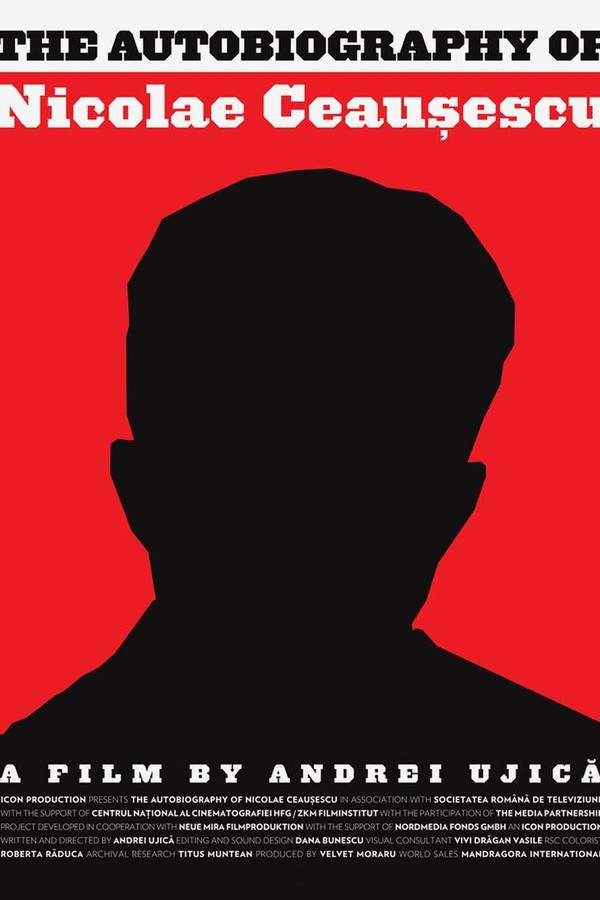
The Autobiography of Nicolae Ceausescu (2011) movie poster

Characters & Themes

The Autobiography of Nicolae Ceausescu (2011) Characters, Setting & Themes Explained

Release, runtime and language
2011 · 180 min · Romanian
Directed by
Andrei Ujica

Using archival footage, this documentary provides a disturbing look at the life and rule of Nicolae Ceausescu, the dictator of Romania. The film features footage of him speaking to large gatherings, participating in official ceremonies, and demonstrating his control over the country. It offers a revealing portrait of a controversial figure and a period of Romanian history.

On this page (7)
  1. 1 Characters explained (2)
  2. 2 Where & when it takes place
  3. 3 Themes & meaning (3)
  4. 4 Character & meaning questions
  5. 5 Movie threads
  6. 6 Movies like The Autobiography of Nicolae Ceausescu
  7. 7 Every angle

2 main characters · contains spoilers

The Autobiography of Nicolae Ceausescu Characters Explained: Who Is Who

The main characters of The Autobiography of Nicolae Ceausescu (2011), heroes and villains: what drives them, how they change over the course of the story and what each of them reveals about the film's bigger ideas.

  • Nicolae Ceausescu

    Nicolae Ceausescu was the Communist leader of Romania, known for his oppressive regime and cult of personality. His delusions of grandeur and refusal to acknowledge the suffering of his people led to significant political unrest and eventual downfall.

    • 👤 Leader
    • 🏛️ Politician
    • 📉 Tyrant
  • Elena Ceausescu

    Elena Ceausescu, Nicolae's wife, played a significant role in his regime, often seen as complicit in the oppressive policies. She was a key figure in promoting the cult of personality surrounding her husband, exerting power in her own right.

    • 👩‍⚖️ Influencer
    • 👑 First Lady

Last updated: May 04, 2025 at 18:49

Was this helpful?

Setting

Where and When Does The Autobiography of Nicolae Ceausescu Take Place?

The setting of The Autobiography of Nicolae Ceausescu (2011): the year and time period, the places and locations, and how they shape the characters, the mood and the tension of the story.

Time period

1965-1989

The film chronicles the tumultuous period of Nicolae Ceausescu's presidency from 1965 to 1989. This era was marked by a strict communist regime that led to societal repression, economic hardship, and widespread public discontent culminating in a revolution.

Location

Romania

Romania, a country in Eastern Europe, has a rich history intertwined with the burden of its communist past. Under Nicolae Ceausescu's rule, Romania experienced significant cultural and economic turmoil, manifesting in poverty and severe social issues.

  • 🇷🇴 Romania
  • 🏛️ Historical

Last updated: May 04, 2025 at 18:49

Was this helpful?

3 major themes

The Autobiography of Nicolae Ceausescu Meaning: Themes & Message Explained

What is The Autobiography of Nicolae Ceausescu (2011) really about? The emotional, social and philosophical themes the film keeps returning to, its symbolism and the message beneath the surface.

  • Totalitarianism

    The theme of totalitarianism runs deep throughout the film, showcasing the sheer power and influence that Ceausescu wielded. His regime's manipulation of media and public perception underlines the devastating effects of an oppressive government on the citizens' freedoms.

  • Media Manipulation

    The film explores how footage and images can be curated to create a desired narrative, raising questions about the authenticity of historical accounts. Ceausescu's regime utilized media as a tool for propaganda, presenting a distorted vision of reality to both domestic and international audiences.

  • Poverty

    It also highlights the theme of poverty and its dire consequences, as the population suffered under Ceausescu's harsh economic policies. This stark contrast between the dictator’s lavish lifestyle and the plight of the Romanian people reveals the severe social inequalities of the time.

Last updated: May 04, 2025 at 18:49

Was this helpful?

Character & theme questions

The Autobiography of Nicolae Ceausescu Characters & Meaning: Your Questions Answered

The questions people ask about The Autobiography of Nicolae Ceausescu (2011): who the characters really are, their relationships, what the symbols mean, where it takes place and what the movie is really about. Each answer contains spoilers.

Q1

Where is this documentary set?

The documentary is set in Romania, a country in Eastern Europe. It focuses on the nation during the communist period under Nicolae Ceausescu's rule, showcasing various locations including official government buildings, public spaces, and rural areas that illustrate the country's conditions during that era.

  • romania
  • eastern europe
  • setting
  • communism
  • ceausescu
Q2

What time period does the film cover?

The film covers the period from 1965 to 1989, documenting Nicolae Ceausescu's presidency in Romania. This 24-year span represents the height of his totalitarian regime, culminating in the Romanian Revolution that ended his rule.

  • 1965
  • 1989
  • time period
  • ceausescu regime
  • romanian revolution
Q3

What does the film say about totalitarianism?

The film explores totalitarianism through Ceausescu's absolute grip on power and the extensive cult of personality he built. It demonstrates how his regime controlled every aspect of Romanian society, suppressing dissent and maintaining power through fear and manipulation of public perception.

  • totalitarianism
  • oppression
  • regime
  • cult of personality
  • power
Q4

How does the documentary address media manipulation?

The documentary examines how Ceausescu's regime used state-controlled media as a propaganda tool. By presenting curated footage of speeches, ceremonies, and public gatherings, the film reveals how the regime constructed a false narrative that masked the harsh reality of life in Romania.

  • media manipulation
  • propaganda
  • state media
  • film footage
  • curated narrative
Q5

What does the film reveal about poverty in Romania?

The film highlights the stark contrast between Ceausescu's lavish lifestyle and the severe poverty suffered by ordinary Romanians. His economic policies, including massive debt repayment schemes, led to widespread hardship, food shortages, and inadequate living conditions for citizens.

  • poverty
  • economic hardship
  • social inequality
  • romanian people
  • policy
Q6

Who was Nicolae Ceausescu?

Nicolae Ceausescu was the Communist leader of Romania who ruled from 1965 to 1989. Known for his oppressive regime and cult of personality, his delusions of grandeur and refusal to acknowledge his people's suffering led to political unrest and his eventual downfall during the Romanian Revolution.

  • nicolae ceausescu
  • dictator
  • communist leader
  • romanian president
Q7

Who was Elena Ceausescu and what was her role?

Elena Ceausescu was the wife of Nicolae Ceausescu and played a significant role in his regime. She actively promoted the cult of personality surrounding her husband and was complicit in the oppressive policies, exerting considerable political power in her own right.

  • elena ceausescu
  • first lady
  • regime
  • power
  • complicity
Q8

What is the documentary's approach to presenting history?

The documentary uses only archival footage, much of it from state-controlled sources, allowing viewers to see Ceausescu's regime as it wanted to be seen. This approach creates a disturbing meta-commentary, forcing audiences to interpret the staged reality and propaganda rather than consume a traditional narrated account.

  • archival footage
  • documentary style
  • propaganda
  • historical account
  • cinema

Movie threads

More Movies Like The Autobiography of Nicolae Ceausescu, by Mood & Story

Curated lists built around what makes The Autobiography of Nicolae Ceausescu tick: the same mood, the same kind of story or the same emotional payoff. Each list explains why these movies belong together.

Archival documentaries deconstructing power like The Autobiography of Nicolae Ceausescu

Films that use found footage to dissect the mechanisms of authoritarian rule. If you liked the unsettling, found-footage approach of *The Autobiography of Nicolae Ceausescu*, explore more movies that use archival material to dissect political power and propaganda. These films offer a similar, complex look at history through its own mediated images, creating a tense and intellectually demanding viewing experience.

  • archival
  • thought-provoking
  • chilling
  • critical
  • unsettling
  • analytical
  • Tone: tense, critical, unsettling
  • Pacing: steady, accumulative
Why these movies?

The story pattern: These films typically eschew conventional voice-over narration, instead building their narrative through the strategic montage of historical footage. The journey is one of revelation, where the viewer becomes an active participant in uncovering the truth behind the manufactured reality presented by regimes or powerful figures.

Why they belong together: They are grouped by their unique formal approach to history and politics. They share a commitment to using primary visual sources to create a tense, thought-provoking atmosphere, focusing on the gap between official imagery and underlying reality.

Bleak stories of political downfall like The Autobiography of Nicolae Ceausescu

Sobering narratives tracing the inevitable collapse of flawed, powerful figures. Viewers seeking the grim, historical narrative of *The Autobiography of Nicolae Ceausescu* will find similar movies here. These films explore the devastating collapse of powerful individuals and systems, sharing a tense atmosphere, heavy emotional weight, and a ultimately bleak perspective on power and its consequences.

  • bleak
  • oppressive
  • somber
  • disturbing
  • tragic
  • downfall
  • Tone: tense, dark, bleak
  • Pacing: steady, relentless
Why these movies?

The story pattern: The narrative pattern is one of inescapable decline. It often begins at a point of perceived power, then moves backward or forward to reveal the cracks, miscalculations, and brutal realities that foretell a tragic end. The journey is less about suspense regarding the outcome and more about understanding the mechanics of the collapse itself.

Why they belong together: They are united by their tragic arc and oppressive mood. Whether fictional or historical, they share a high intensity, a tense tone, and a focus on the human cost and systemic failure that accompanies a dramatic downfall, resulting in a profoundly bleak viewing experience.

If you liked this

Movies Like The Autobiography of Nicolae Ceausescu

Similar movies to The Autobiography of Nicolae Ceausescu: the same genre, themes or kind of story. Each one comes with its own plot summary, timeline and ending explained.

Browse all movie summaries

Every angle

The Autobiography of Nicolae Ceausescu (2011) Explained: Plot, Timeline & Characters

Everything about The Autobiography of Nicolae Ceausescu in one place: what happens in the plot summary, the timeline in chronological order, the characters and meaning and a spoiler-free summary. What's After the Movie adds the cast, box office and post-credit scenes.

Coming soon on iOS and Android

The Plot Explained Movie Summary App

Plot summaries, endings explained and timelines on your phone. Catch up on any movie in minutes, save your favorites and never miss a twist again.

Be the first to know when we launch. Your email stays private, always.

Learn more about the app