
The Art of Getting Along
Year: 1954
Runtime: 85 mins
Language: Italian
Director: Luigi Zampa
Alberto Sordi stars as Rosario Scimoni, called Sasà, a scheming nephew of Catania’s mayor who hops onto any cause that serves his interests. He flits between socialism and fascism as effortlessly as he switches lovers, and even attempts to launch his own political party, exposing his relentless opportunism. The comedy satirizes the fickle nature of Italian politics in the post‑war era.
Warning: spoilers below!
Haven’t seen The Art of Getting Along yet? This summary contains major spoilers. Bookmark the page, watch the movie, and come back for the full breakdown. If you're ready, scroll on and relive the story!
Timeline – The Art of Getting Along (1954)
Trace every key event in The Art of Getting Along (1954) with our detailed, chronological timeline. Perfect for unpacking nonlinear stories, spotting hidden connections, and understanding how each scene builds toward the film’s climax. Whether you're revisiting or decoding for the first time, this timeline gives you the full picture.
Last updated: October 09, 2025 at 11:07
The Art of Getting Along (1954) Timeline Questions Answered – Chronology FAQ
Find frequently asked questions about the The Art of Getting Along (1954) timeline, including chronological order, nonlinear jumps, cause-and-effect links, and scene sequence clarifications. This timeline FAQ helps explain when key events happen, how moments connect, and why the story unfolds in that specific order.
Why does Sasà fake madness during World War 1?
Sasà pretends to be insane to avoid conscription and escape the horrors of the front lines. This elaborate ruse allows him to preserve his ambitions while other Italians are sent to fight. It's one of his earliest and most significant deceptions, establishing his pattern of avoiding personal risk while leveraging chaos for advancement.
Earlier in Catania, Sasà already demonstrates a willingness to manipulate anyone who can help him, making his later cowardice in avoiding war consistent with his character.
Why does Sasà switch between political parties so many times?
Sasà has no genuine political convictions, he simply backs whatever faction offers the best opportunity for personal advancement. He moves from socialism to fascism to communism to the Christian Democrats, discarded each when their power wanes. His only loyalty is to his own greed and ambition, making him the ultimate opportunist satirized by the film.
The film opens by establishing him as someone who adapts to any man who can help him advance, establishing his principle-less nature.
What happens to Sasà's film scheme in Rome?
Sasà travels to Rome with the wealthy Duke di Lanocita and his fiancée Lilli, planning to make a film that will legitimize his influence. He pivots the film's theme repeatedly, first supporting workers when communism rises, then proposing a saintly project when the Christian Democrats win, always chasing whatever attracts funding. Ultimately, the scheme collapses when his financial manipulations are exposed.
Meeting Lilli at the beauty pageant reawakens his appetite for influence and leads directly to the film venture.
How does Sasà get exposed and sent to prison?
Sasà orchestrates a scheme where church dignitaries route the duke's funds to foreign missions, but the money secretly flows to Sasà instead. He uses these funds to buy farmland outside Rome, evicts the squatters, and bribes an official to obtain development rights. When these machinations are exposed, he receives a five-year prison sentence, ending his rapid ascent.
His earlier move into flour milling business demonstrates his pattern of using business ventures to mask political manipulation.
What does the final scene with Sasà selling razor blades represent?
The final image shows Sasà in Bavarian dress with his latest companion, hawking German razor blades from a lorry in Germany. This ironic ending demonstrates that despite all his scheming, from political manipulation to film finance to land development, his ultimate success amounts to petty hucksterism. It perfectly encapsulates the film's cynical thesis about endless opportunism yielding only shallow, transient gains.
His lifelong pattern of chasing whatever appears most profitable leads naturally to this final, small-time con.
Why does Sasà marry the wealthy heiress after World War 1?
Sasà marries a dim but wealthy heiress specifically to gain entry into her brother's flour milling business. This marriage serves his pattern of using relationships for advancement, providing him with wealth, business networks, and a new platform to influence commerce and politics simultaneously.
His early exploitation of connections with both men and women in Catania established this transactional approach to relationships.
Why does Sasà turn to the black market after his wife dies?
When Allied bombs kill his wife during the invasion of Sicily in 1943, Sasà pivots quickly to profit from the chaos. He begins operating in the black market, exploiting the wartime disorder to enrich himself. This move represents his pattern of using personal tragedy as just another opportunity for advancement.
His hasty discarding of Fascist insignia when the Allies arrive shows his immediate adaptation to new circumstances.
Why does Sasà found a political party after leaving prison?
Upon his release from prison, Sasà founds a political party claiming to defend victims of capitalism. It's his latest reinvention, a desperate attempt to recapture political influence after his downfall. However, the party gains virtually no support, demonstrating that his endless maneuvering has left him with no genuine constituency or conviction.
His lifelong ability to create new causes and alliances now fails him, as his reputation for opportunism precedes him.
How does Sasà use the church to move money?
The duke insists on moving capital abroad before continuing to finance Sasà's film project. Sasà arranges for a church dignitary to direct funds to foreign missions, but the money ultimately flows into his own pockets. He then uses these funds to purchase farmland outside Rome, demonstrating his talent for finding corrupt pathways around financial obstacles.
His earlier business ventures in flour milling showed his skill at navigating commercial and political systems for personal gain.

Explore Movie Threads
Discover curated groups of movies connected by mood, themes, and story style. Browse collections built around emotion, atmosphere, and narrative focus to easily find films that match what you feel like watching right now.
Satires of Amoral Opportunists like in The Art of Getting Along
Dark comedies following characters who succeed through relentless, cynical opportunism.Explore a selection of movies like 'The Art of Getting Along' that feature cunning social climbers and political chameleons. If you enjoyed the dark comedy of Sasà's relentless opportunism, you'll find similar stories of cynical characters thriving in corrupt systems through moral flexibility and sheer cunning.
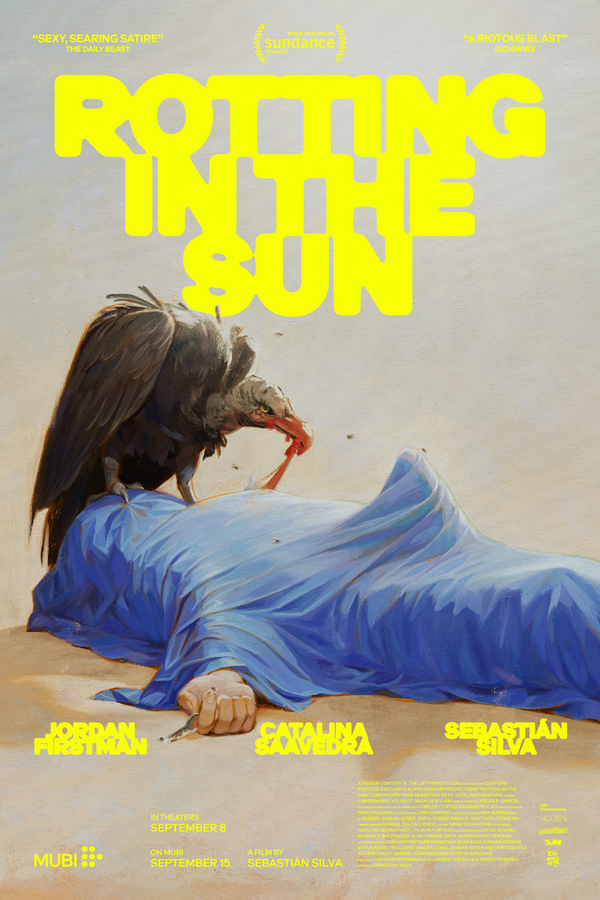
Rotting in the Sun
2023

The Ruling Class
1972
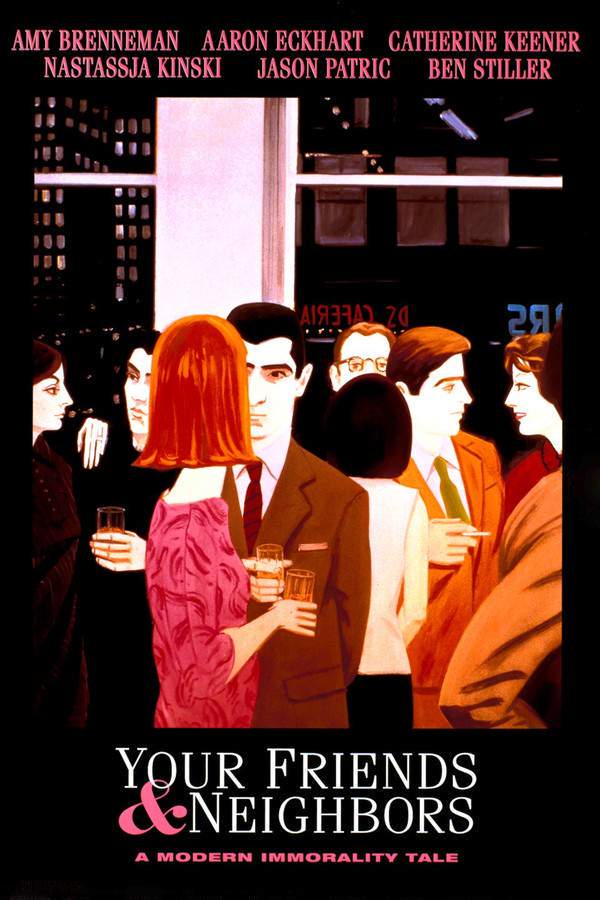
Your Friends & Neighbors
1998
The Art of Getting Along
1954

Female Trouble
1974

Sightseers
2013

The Rise and Rise of Michael Rimmer
1970

I Am the End of the World
2025

The Last Supper
1995
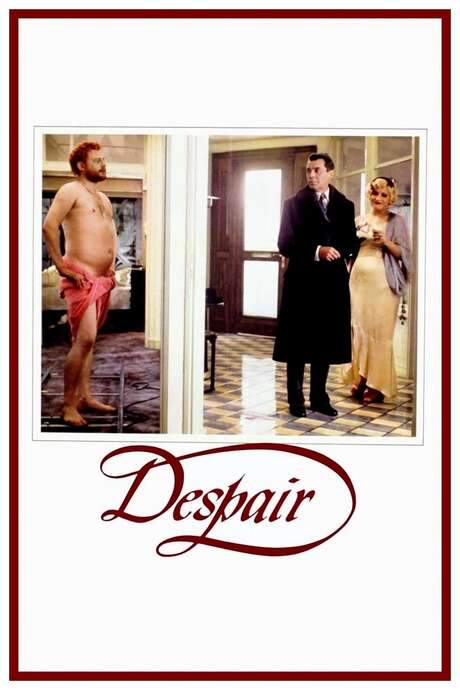
Despair
1978

Little Murders
1971
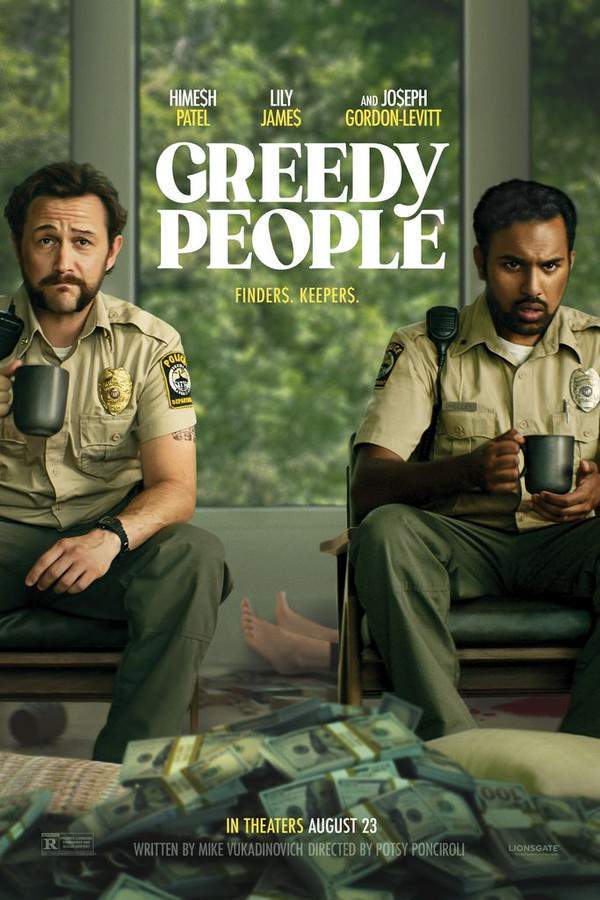
Greedy People
2024

La Couchette
2015

Bawdy Tales
1973

Buzzard
2015
Narrative Summary
The narrative follows a single protagonist over a significant period as they flit between ideologies, social circles, or lovers purely for personal gain. The plot is driven by a series of calculated maneuvers and betrayals, charting a steady ascent that is more about hollow success than genuine fulfillment, often culminating in a bleak or ironic ending.
Why These Movies?
These films are grouped by their shared focus on an unscrupulous central character and a darkly comedic, satirical tone. They explore similar themes of corruption, moral ambiguity, and the fickleness of social and political power, providing an intellectually engaging and cynically amusing experience.
Cynical Post-War Stories like The Art of Getting Along
Stories set in the aftermath of conflict, where survival breeds ethical decay.Discover movies similar to 'The Art of Getting Along' that capture the cynical mood and moral compromises of life after war. These films often explore themes of political opportunism, corruption, and social climbing within a society struggling to rebuild, offering a steady-paced, morally complex viewing experience.









Narrative Summary
Narratives in this thread use a historical setting not for grand heroism, but to examine the gritty realities of everyday survival and opportunism. They often follow individuals or groups as they adapt—or exploit—the new, unstable social order, highlighting the ambiguity between right and wrong when society's rules are in flux. The journey is typically one of moral erosion rather than redemption.
Why These Movies?
These movies share a specific historical context—the post-war era—that shapes a consistent vibe of disillusionment and moral ambiguity. They are united by a steady pacing, a dark or bleak tone, and a focus on themes like corruption and the fragility of ethics in a broken world.
Unlock the Full Story of The Art of Getting Along
Don't stop at just watching - explore The Art of Getting Along in full detail. From the complete plot summary and scene-by-scene timeline to character breakdowns, thematic analysis, and a deep dive into the ending - every page helps you truly understand what The Art of Getting Along is all about. Plus, discover what's next after the movie.
The Art of Getting Along Summary
Read a complete plot summary of The Art of Getting Along, including all key story points, character arcs, and turning points. This in-depth recap is ideal for understanding the narrative structure or reviewing what happened in the movie.

Characters, Settings & Themes in The Art of Getting Along
Discover the characters, locations, and core themes that shape The Art of Getting Along. Get insights into symbolic elements, setting significance, and deeper narrative meaning - ideal for thematic analysis and movie breakdowns.


Similar Movies to The Art of Getting Along
Discover movies like The Art of Getting Along that share similar genres, themes, and storytelling elements. Whether you’re drawn to the atmosphere, character arcs, or plot structure, these curated recommendations will help you explore more films you’ll love.

People of Rome
2003

Bianco, rosso e Verdone
1981

The Soup
1981

Uno contro l’altro, praticamente amici
1981

Roaring Years
1962

The Band of Honest Men
1956

Il successo
1963

In the Name of the Italian People
1971

While There’s War There’s Hope
1974

Side Street Story
1950

We Want the Colonels
1973

Roman Tales
1955

Getting Away with It the Italian Way
1962

Il Sorpasso
1962

The Law Is the Law
1958
Explore More About Movie The Art of Getting Along
The Art of Getting Along (1954) Plot Summary & Movie Recap
The Art of Getting Along (1954) Scene-by-Scene Movie Timeline
The Art of Getting Along (1954) Spoiler-Free Summary & Key Flow
Movies Like The Art of Getting Along – Similar Titles You’ll Enjoy
People of Rome (2003) Story Summary & Characters
Bianco, rosso e Verdone (1981) Detailed Story Recap
The Soup (1981) Spoiler-Packed Plot Recap
Uno contro l’altro, praticamente amici (1981) Plot Summary & Ending Explained
Roaring Years (1962) Full Movie Breakdown
The Band of Honest Men (1956) Full Summary & Key Details
Il successo (1963) Story Summary & Characters
In the Name of the Italian People (1971) Plot Summary & Ending Explained
While There’s War There’s Hope (1974) Complete Plot Breakdown
Side Street Story (1950) Plot Summary & Ending Explained
We Want the Colonels (1973) Detailed Story Recap
Roman Tales (1955) Ending Explained & Film Insights
Getting Away with It the Italian Way (1962) Plot Summary & Ending Explained
Il Sorpasso (1962) Complete Plot Breakdown
The Law Is the Law (1958) Detailed Story Recap