Plot Explained Spoilers guaranteed!
Plot Explained

Browse by genre

Taro the Dragon Boy (1979) movie poster

Characters & Themes

Taro the Dragon Boy (1979) Characters, Setting & Themes Explained

Release, runtime and language
1979 · 75 mins · Japanese
Directed by
Kirio Urayama
Starring
Kirin Kiki, Kazuo Kumakura, Sayuri Yoshinaga, Mina Tominaga, Kazuo Kitamura, Toshiko Yabuki

Styled like traditional Japanese woodblock prints and silk screens, the animated feature draws on myth and folklore as young Taro embarks on a perilous journey to a remote lake to rescue his mother, who has been transformed into a dragon, confronting magical obstacles along the way.

On this page (7)
  1. 1 Characters explained (8)
  2. 2 Where & when it takes place
  3. 3 Themes & meaning (3)
  4. 4 Character & meaning questions
  5. 5 Movie threads
  6. 6 Movies like Taro the Dragon Boy
  7. 7 Every angle

8 main characters · contains spoilers

Taro the Dragon Boy Characters Explained: Who Is Who

The main characters of Taro the Dragon Boy (1979), heroes and villains: what drives them, how they change over the course of the story and what each of them reveals about the film's bigger ideas.

  • Taro (Junya Kato)

    A lazy, hungry boy who learns to change his life through selfless action. His strength grows as he commits to helping others, beginning with Aya and expanding to protect the entire village.

    • 🌱 Transformation
    • 💪 Strength
    • 🤝 Service
  • Aya (Mina Tominaga)

    A young girl with a flute whose capture by Kurooni triggers Taro’s quest. She embodies resilience and innocence, inspiring Taro to act for others and reinforcing the theme of community care.

    • 🎼 Music
    • 🧭 Catalyst
    • 🕊️ Hope
  • Tatsuya (Tatsu)

    played by Sayuri Yoshinaga

    Taro's mother, transformed into a dragon due to the burden of feeding her unborn child. She explains the reasons for her change and later aids in the village’s crisis, ultimately sacrificing herself for the community before being restored.

    • 🐉 Dragon
    • 👩‍👦 Motherhood
    • 🏞️ Sacrifice
  • Akaoni (Red Oni)

    played by Kazuo Kumakura

    A fearsome demon who initially bullies the village but later agrees to help in the rescue of Aya after shifting circumstances, complicating the moral landscape.

    • 👹 Villain
    • 🤝 Reluctant ally
    • 🔥 Ferocity
  • Kurooni (Black Oni)

    played by Kazuo Kitamura

    A malevolent oni who captures Aya. Taro defeats him, freeing Aya and breaking the terror he had caused over the village.

    • 👹 Villain
    • ⚔️ Captor
    • 🗝️ Danger
  • Yamanba

    played by Kirin Kiki

    A mysterious mountain hag who provides crucial information and tests Taro on his path, revealing deeper connections to the land's magic.

    • 🗺️ Guidance
    • 🧙‍♀️ Mystic
    • ⚠️ Trickery
  • Giant Serpent

    A lake-dwelling serpent that speaks truths about past misdeeds and helps reveal important truths tied to the village’s fate.

    • 🐍 Serpent
    • 🔮 Oracle
  • Old Woman (Rice Paddies)

    An elder who binds Taro to labor in her paddies, illustrating the costs and cycles of harvest and labor in village life.

    • 🧙‍♀️ Elder
    • 🌾 Labor
    • 💰 Deception

Last updated: October 04, 2025 at 14:23

Was this helpful?

Setting

Where and When Does Taro the Dragon Boy Take Place?

The setting of Taro the Dragon Boy (1979): the year and time period, the places and locations, and how they shape the characters, the mood and the tension of the story.

Time period

Ancient Japan

Set in a distant, mythic past of feudal Japan, where farmers rely on harvests and ritual protection from spirits. Yokai and natural forces shape daily life and fate, framing a world where magical aid and moral duty guide choices. The period emphasizes communal responsibility over individual comfort, fueling Taro's transformation.

Location

Ancient Japan village, Lake region, Mountain paddies

The story unfolds in a mythic rural Japan setting—a small village perched near mountains, with a nearby lake and extensive rice paddies. The dam, lake, and fields are integral to the plot, tying the villagers’ daily life to supernatural events. The environment blends traditional agrarian life with encounters with yōkai and spirits that drive Taro’s journey.

  • 🏯 Rural
  • 🗺️ Mythic landscape
  • 🌾 Rice paddies

Last updated: October 04, 2025 at 14:23

Was this helpful?

3 major themes

Taro the Dragon Boy Meaning: Themes & Message Explained

What is Taro the Dragon Boy (1979) really about? The emotional, social and philosophical themes the film keeps returning to, its symbolism and the message beneath the surface.

  • Growth

    Taro begins as a lazy, self-centered boy and gradually embraces responsibility. Each act of helping others unlocks greater strength and resolve, illustrating a journey from impulse to stewardship.

  • Altruism

    The power Taro wields awakens only through acts of service to others. Saving Aya and aiding his village demonstrate that true strength is measured by what one gives, not what one can gain.

  • Family Duty

    Taro’s bond with his mother and his obligations to the village anchor his choices. The revelation of his mother’s dragon transformation and her sacrifices highlight how family duties intertwine with communal well-being.

Last updated: October 04, 2025 at 14:23

Was this helpful?

Character & theme questions

Taro the Dragon Boy Characters & Meaning: Your Questions Answered

The questions people ask about Taro the Dragon Boy (1979): who the characters really are, their relationships, what the symbols mean, where it takes place and what the movie is really about. Each answer contains spoilers.

Q1

Where does the story take place?

The movie is set in a mythic rural Japan, a small village nestled near mountains, with a nearby lake and extensive rice paddies. The environment blends traditional agrarian life with encounters with yōkai and spirits, creating a world where supernatural forces coexist with everyday village life.

Foreshadowing: The dam, lake, and fields mentioned early on become central to the plot's supernatural events.

  • village
  • mountains
  • lake
  • rice paddies
  • rural japan
  • mythic landscape
Q2

What time period is the movie set in?

The story is set in a distant, mythic past of feudal Japan, when farmers relied on harvests and ritual protection from spirits. This era emphasizes communal responsibility over individual comfort, with yōkai and natural forces shaping daily life and fate.

  • ancient japan
  • feudal era
  • mythic past
  • time period
Q3

What does the Growth theme explore?

The Growth theme follows Taro's transformation from a lazy, self-centered boy into someone who embraces responsibility. Each act of helping others unlocks greater strength and resolve, illustrating a journey from impulse to stewardship.

  • growth
  • transformation
  • responsibility
  • character development
Q4

How does the movie portray altruism?

Altruism is central to the story, the power Taro wields awakens only through acts of service to others. Saving Aya and aiding his village demonstrate that true strength is measured by what one gives, not what one can gain.

  • altruism
  • selflessness
  • sacrifice
  • helping others
Q5

What role does family duty play in the story?

Family duty anchors Taro's choices throughout the movie. His bond with his mother and his obligations to the village are intertwined, with the revelation of his mother's dragon transformation and her sacrifices highlighting how family duties connect to communal well-being.

  • family duty
  • mother
  • sacrifice
  • village obligations
Q6

Who is Taro and what is his role?

Taro is the main protagonist, a lazy and hungry boy who learns to change his life through selfless action. His strength grows as he commits to helping others, beginning with rescuing Aya and expanding to protect the entire village.

  • taro
  • protagonist
  • hero
  • main character
Q7

Who is Aya and why is she important?

Aya is a young girl with a flute whose capture by Kurooni triggers Taro's quest. She embodies resilience and innocence, inspiring Taro to act for others and reinforcing the theme of community care.

  • aya
  • flute
  • capture
  • rescue
Q8

Who is Tatsuya and what happened to her?

Tatsuya is Taro's mother, who was transformed into a dragon due to the burden of feeding her unborn child. She explains the reasons for her change and later aids in the village's crisis, ultimately sacrificing herself for the community before being restored.

  • tatsuya
  • mother
  • dragon transformation
  • sacrifice
Q9

Who are the oni in the movie?

The movie features two oni: Akaoni (Red Oni), a fearsome demon who initially bullies the village but later agrees to help rescue Aya, and Kurooni (Black Oni), a malevolent oni who captures Aya. Taro defeats Kurooni, freeing Aya and breaking the terror he had caused.

  • akaoni
  • kurooni
  • oni
  • demon
  • red oni
  • black oni
Q10

What is Yamanba's role in the story?

Yamanba is a mysterious mountain hag who provides crucial information and tests Taro on his path. She reveals deeper connections to the land's magic and serves as a guide and challenger in Taro's journey.

  • yamanba
  • mountain hag
  • guide
  • witch
Q11

What supernatural creatures appear in the movie?

The movie features various supernatural beings from Japanese folklore, including yōkai, oni demons, and a giant serpent dwelling in the lake. These creatures interact with the human world, driving Taro's journey and connecting the village to magical forces.

  • yōkai
  • spirits
  • giant serpent
  • supernatural creatures
Q12

What is the visual style of the movie?

The movie is styled like traditional Japanese woodblock prints and silk screens, drawing on myth and folklore. This artistic approach creates a distinctive visual world that blends the mundane agrarian setting with magical encounters.

  • animation style
  • woodblock prints
  • visual aesthetic
  • japanese art

Movie threads

More Movies Like Taro the Dragon Boy, by Mood & Story

Curated lists built around what makes Taro the Dragon Boy tick: the same mood, the same kind of story or the same emotional payoff. Each list explains why these movies belong together.

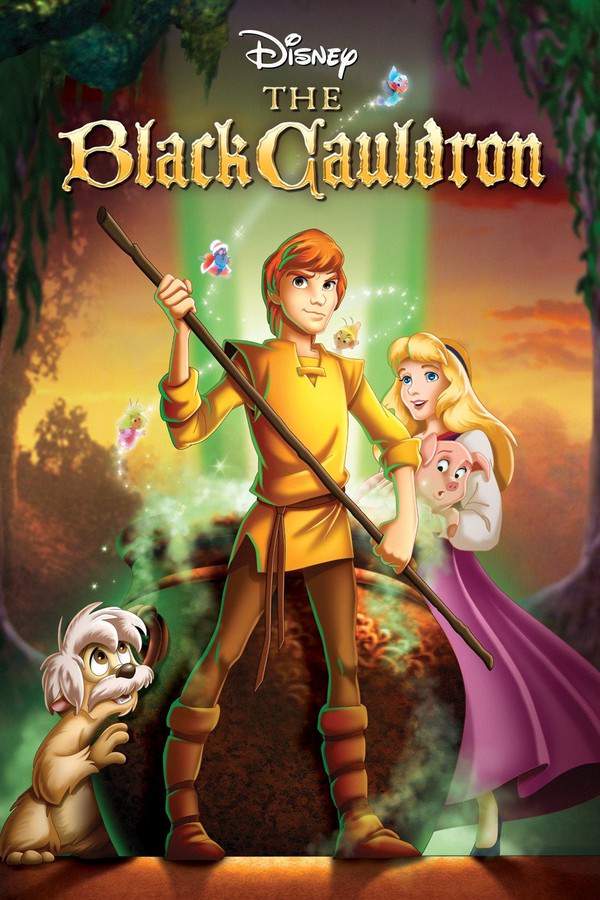
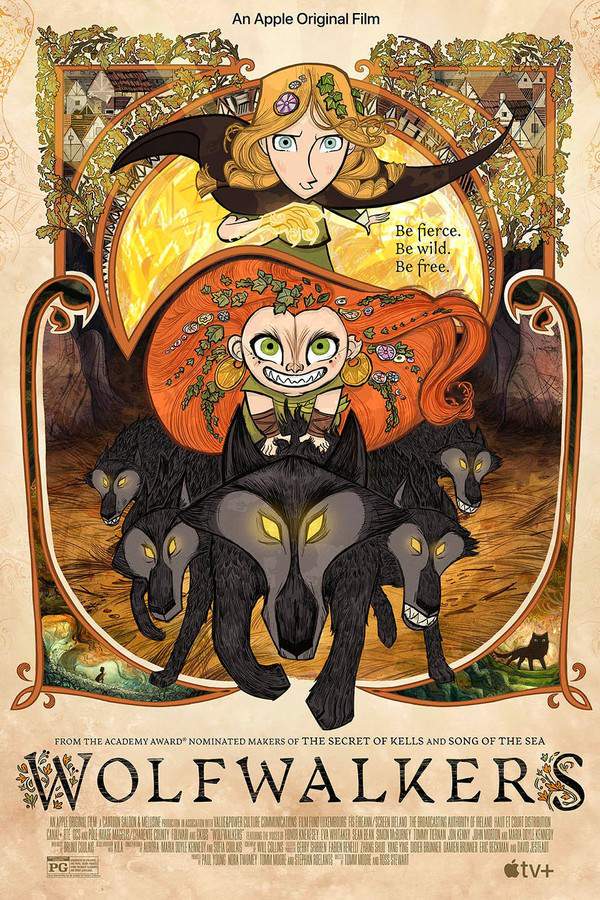
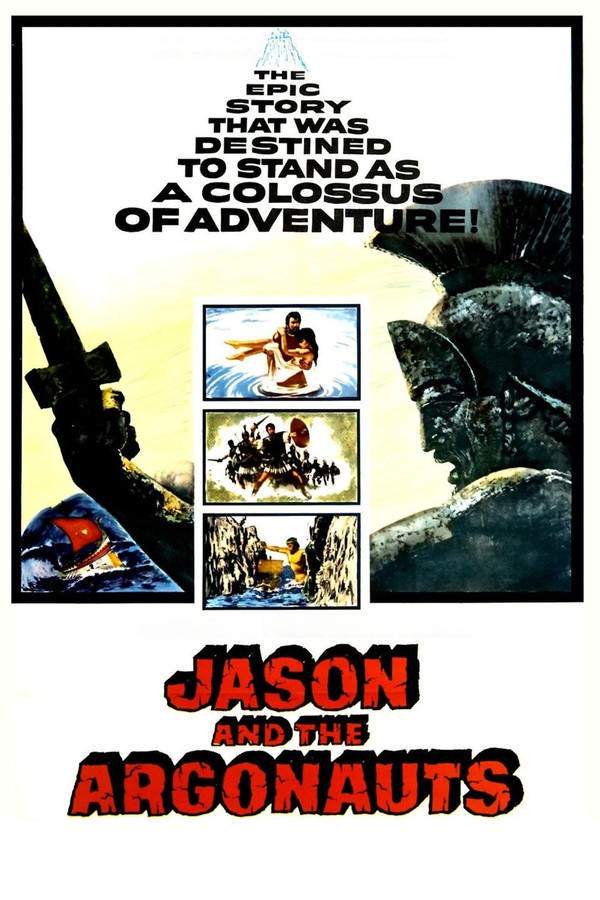
Folklore quests and mythical journeys like Taro the Dragon Boy

Heroic journeys drawn from myth and legend, filled with magical trials and transformative growth. Discover movies like Taro the Dragon Boy that feature heroes on epic quests inspired by mythology and folklore. If you enjoyed the blend of traditional stories, magical obstacles, and cultural artistry, you'll find similar adventures here.

  • mythical
  • adventurous
  • transformative
  • whimsical
  • earnest
  • folkloric
  • Tone: hopeful, earnest, mythical
  • Pacing: steady, episodic
Why these movies?

The story pattern: Stories in this thread follow a classic quest structure, often linear and straightforward, where a hero must overcome a series of magical or supernatural trials. The journey is as much about internal growth and understanding one's place in a larger cultural tapestry as it is about the external goal.

Why they belong together: Movies are grouped here for their shared foundation in folk tales and mythology, their focus on a hero's transformative journey through a magical world, and their visually distinctive style often reflective of traditional art forms.
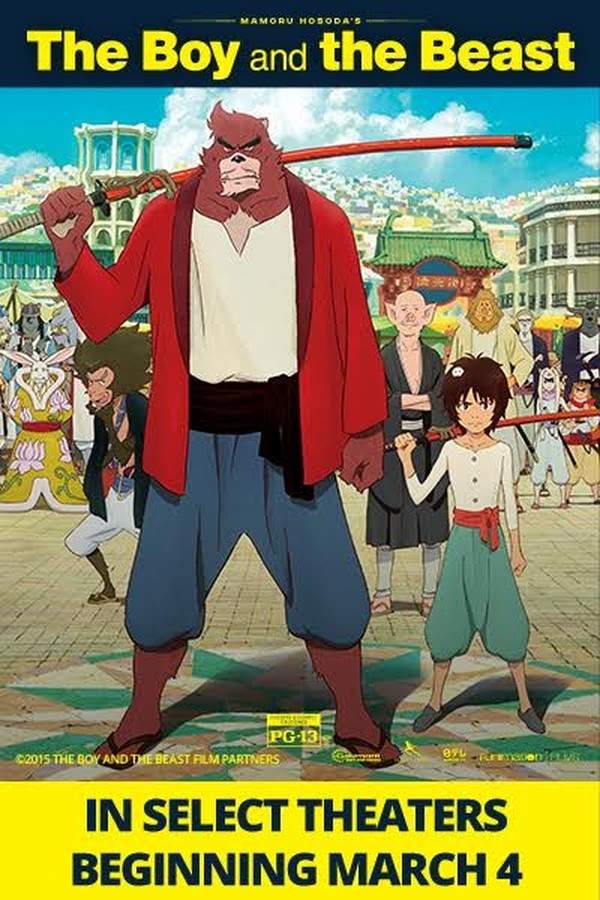
Movies about sacrifice and redemption like Taro the Dragon Boy

Emotional quests where saving a loved one requires profound personal cost and growth. Find films similar to Taro the Dragon Boy that explore deep themes of family sacrifice and personal redemption. If you were moved by the emotional journey of a character giving everything for a loved one, these stories deliver a comparable heartfelt impact.

  • bittersweet
  • hopeful
  • earnest
  • reflective
  • emotional
  • transformative
  • Tone: hopeful, bittersweet, earnest
  • Pacing: steady, character-driven
Why these movies?

The story pattern: The central narrative involves a character, often young, undertaking a difficult journey to save a family member. Their path forces them to mature quickly, learning lessons about responsibility and the true meaning of love, which culminates in a resolution that is hopeful yet acknowledges the weight of their sacrifices.

Why they belong together: These films are united by their core emotional arc: a protagonist's transformation through a quest fueled by familial love, leading to a conclusion that balances triumph with loss, creating a powerful and bittersweet viewer experience.

If you liked this

Movies Like Taro the Dragon Boy

Similar movies to Taro the Dragon Boy: the same genre, themes or kind of story. Each one comes with its own plot summary, timeline and ending explained.

Browse all movie summaries

Every angle

Taro the Dragon Boy (1979) Explained: Plot, Timeline & Characters

Everything about Taro the Dragon Boy in one place: what happens in the plot summary, the timeline in chronological order, the characters and meaning and a spoiler-free summary. What's After the Movie adds the cast, box office and post-credit scenes.

Coming soon on iOS and Android

The Plot Explained Movie Summary App

Plot summaries, endings explained and timelines on your phone. Catch up on any movie in minutes, save your favorites and never miss a twist again.

Be the first to know when we launch. Your email stays private, always.

Learn more about the app