Plot Explained Spoilers guaranteed!
Plot Explained

Browse by genre

Taro the Dragon Boy (1979) movie poster

Plot Summary

Taro the Dragon Boy (1979) Plot Summary Explained

Release, runtime and language
1979 · 75 mins · Japanese
Loading streaming availability…
Directed by
Kirio Urayama
Starring
Kirin Kiki, Kazuo Kumakura, Sayuri Yoshinaga, Mina Tominaga, Kazuo Kitamura, Toshiko Yabuki

Styled like traditional Japanese woodblock prints and silk screens, the animated feature draws on myth and folklore as young Taro embarks on a perilous journey to a remote lake to rescue his mother, who has been transformed into a dragon, confronting magical obstacles along the way.

On this page (6)
  1. 1 Where to watch
  2. 2 What happens: full plot
  3. 3 Plot questions answered
  4. 4 Movie threads
  5. 5 Movies like Taro the Dragon Boy
  6. 6 Every angle
Loading streaming availability…

Full plot summary · contains spoilers

What Happens in Taro the Dragon Boy: Full Plot Summary

The whole story of Taro the Dragon Boy (1979) explained, from the opening scene to the final frame: every key event, every twist and what it all adds up to. Read it as a quick recap before the sequel, to check a scene you missed, or to finally understand what really happened.

In a distant past of Japan, a lazy and selfish Taro Junya Kato loves to eat and sleep and wrestle with the animals. With no direction in his life, a Tengu appears that grants him a special potion that changes everything. With this potion, he gains the strength of a hundred men—but he can only use it when he is helping others. After drinking the potion, day by day, he begins to understand what it means to help others, first by fighting Akaoni Kazuo Kumakura to save Aya Mina Tominaga, a young girl gifted with the flute, then by helping others in his village collect fire wood.

One night, his grandmother tells him of his mother’s transformation into a dragon. This revelation sets Taro on a journey to find his mother, a mission that tests his resolve and his growing sense of responsibility. Before he begins the search, Taro again confronts Akaoni after hearing from the animals that Aya was captured by Kurooni Kazuo Kitamura. After a brief but fierce fight, Akaoni agrees to help Taro save Aya from Kurooni, and in the end, Taro discovers that his actions have also freed a village from the terror of the two Oni, the latter forced into the former’s service.

Taro’s adventures do not stop there. He helps Akaoni by sending him skyward to serve the thunder god, and the village celebrates his deeds. Yet the journey continues as he encounters a troublesome old woman in a rice paddies plot. A successful harvest year follows, but the storyteller’s truth is revealed only after a conversation with a giant serpent living in the lake beside the old woman’s fields. The serpent’s counsel leads Taro to share the fruits of his labor with the old woman’s former employees and others, leaving her with little and teaching him about fairness and generosity.

From the serpent’s word, Taro learns that nine mountains away lives a Yamanba who can point him in the right direction. He seeks out the legendary figure and, in a tense exchange, the Yamanba reveals clues about his quest and hints at her own role in the serpent’s fate. After a narrow escape from the Yamanba, Taro is overwhelmed by a chilling encounter with the icy threat of the yukionna.

The next morning, Aya finds Taro nearly frozen but alive, a miracle she helps to sustain. With her aid, he reaches the lake where his mother Tatsu Sayuri Yoshinaga now lives. Tatsu explains why she was transformed: as a mother heavy with child fulfilling her duties to her unborn child, she needed to eat, but her actions left nothing for the rest of the village, prompting her dragon-like change.

Taro proposes a plan to improve life for the villagers back home: build a new settlement with expansive rice paddies that can sustain everyone. The two of them set out to break the dam that holds the lake, and their efforts succeed, but at a great cost. Tatsu’s body is broken, and as the lake drains away, Taro fears the worst. Yet, in a turn that brings both sorrow and relief, his mother’s life is returned and she becomes human once more. The triumph is not just personal; the new flooded lowlands bring prosperity to many, helping not only Taro’s village but many others along the way. Through endurance, sacrifice, and a growing sense of responsibility, Taro reshapes his future—and the future of the people who depend on the land.


Last updated: October 09, 2025 at 14:09

Was this helpful?

Plot questions answered

Taro the Dragon Boy Plot Explained: Your Questions Answered

The questions people ask most about Taro the Dragon Boy (1979): what happens in the confusing scenes, why the characters do what they do, the twists, hidden details and what the ending means. Each answer contains spoilers.

Q1

Why can Taro only use his supernatural strength when helping others?

The Tengu granted Taro a potion that gives him the strength of a hundred men, but with one crucial rule: the power activates only when he is helping others. This magical constraint forces Taro to earn his strength through altruism rather than personal gain, and it serves as the central mechanism driving his character transformation throughout the film.

Foreshadowing: The Tengu appears to Taro precisely because he was lazy and selfish, setting up the lesson that true power comes from selflessness.

  • tengu potion
  • supernatural strength
  • helping others
  • magic rule
Q2

Why did Taro's mother transform into a dragon?

Taro's mother Tatsu transformed into a dragon because, during her pregnancy, she needed to eat more food to sustain her unborn child. Her increased consumption left almost nothing for the rest of the village, and this severe selfishness, albeit motivated by maternal duty, triggered her dragon-like transformation as punishment for depriving her community.

Foreshadowing: The Tengu's potion appears shortly after Taro's own selfish behavior, paralleling his mother's transformation.

  • tatsu
  • dragon transformation
  • mother
  • village
  • food shortage
Q3

What was the relationship between Akaoni and Kurooni?

Akaoni was the Red Oni and Kurooni was the Black Oni. Kurooni was the more dangerous and dominant of the two, having forced Akaoni into his service and using him as a bully to terrorize villages. When Taro defeated Kurooni, Akaoni was freed from this servitude and later agreed to help Taro, eventually being sent to serve the thunder god as a form of redemption.

Foreshadowing: Akaoni's initial defeat by Taro establishes him as less dangerous than Kurooni, setting up the power dynamic reveal.

  • akaoni
  • kurooni
  • oni
  • red oni
  • black oni
  • servitude
Q4

What was the lesson behind the serpent and the old woman's rice paddies?

After Taro was tricked into working in an old woman's rice paddies, a giant serpent revealed the truth about exploitation, the old woman had mistreated her workers. Taro then redistributed the harvest to the former employees and others, leaving her with little. This taught him about fairness, generosity, and that prosperity should be shared rather than hoarded by the greedy.

Foreshadowing: This episode foreshadows Taro's later decision to break the dam to flood the lowlands for everyone's benefit.

  • serpent
  • old woman
  • rice paddies
  • harvest
  • fairness
  • redistribution
Q5

How did Aya save Taro from the yukionna?

After Taro was nearly frozen to death by the yukionna (a snow spirit), Aya found him and helped sustain him through some form of magical aid, likely involving her gifted flute. This assistance kept him alive until he recovered enough to continue his journey to the lake where his mother lived.

Foreshadowing: Aya's connection to her flute, established early as a special gift, pays off in this moment of救治.

  • aya
  • yukionna
  • frozen
  • snow spirit
  • revive
  • flute
Q6

What happened when Taro and his mother broke the dam?

Taro and his mother Tatsu successfully broke the dam holding back the lake. The effort broke Tatsu's dragon body, causing her to appear to die. However, as the lake drained away, her life was restored and she became human again. The newly flooded lowlands brought prosperity not just to Taro's village but to many others in the region.

Foreshadowing: Tatsu explained that her transformation was tied to the village's food shortage, so draining the lake symbolically reversed that imbalance.

  • dam
  • lake
  • flood
  • tatsu
  • transformation
  • prosperity
Q7

What did the Yamanba tell Taro about his quest?

The Yamanba, a legendary mountain witch living nine mountains away, revealed clues about Taro's quest to find his mother. She also inadvertently hinted at her own role in the serpent's fate, suggesting a deeper connection between the magical beings guiding Taro's journey.

Foreshadowing: The serpent had pointed Taro to the Yamanba, indicating she was a key guide in his quest.

  • yamanba
  • mountain witch
  • quest
  • serpent
  • guidance
Q8

How did Taro change from a lazy boy into a hero?

Taro began as a lazy, selfish boy who loved only eating and sleeping. After drinking the Tengu's potion, he could only access his supernatural strength by helping others. This forced him to repeatedly choose selflessness, and through each act, saving Aya, aiding his village, helping the Oni, and serving the community, he grew into a responsible young man willing to sacrifice for others.

Foreshadowing: The Tengu appeared specifically because Taro had no direction, and the potion's rule would force his development.

  • taro
  • character growth
  • laziness
  • heroism
  • responsibility
  • transformation

Movie threads

More Movies Like Taro the Dragon Boy, by Mood & Story

Curated lists built around what makes Taro the Dragon Boy tick: the same mood, the same kind of story or the same emotional payoff. Each list explains why these movies belong together.

Folklore quests and mythical journeys like Taro the Dragon Boy

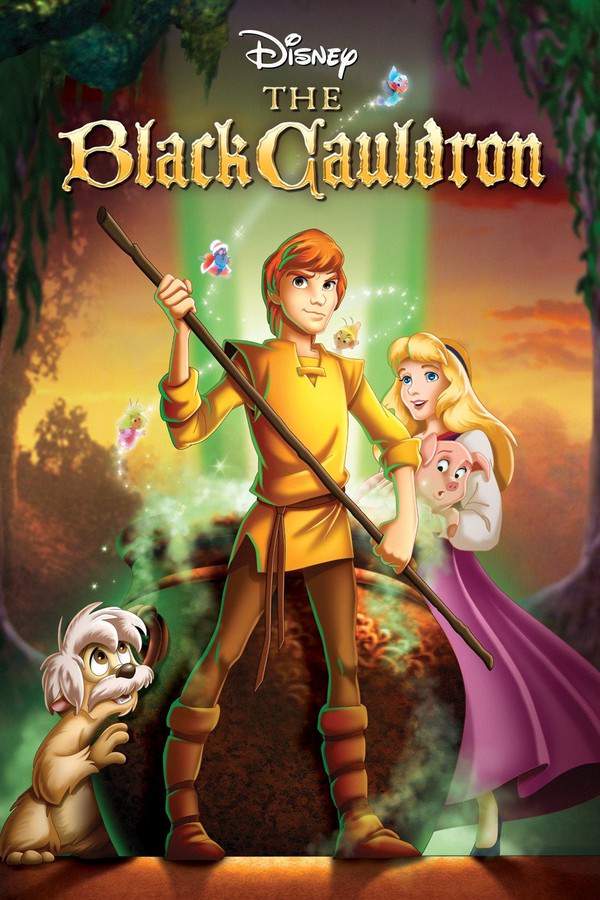
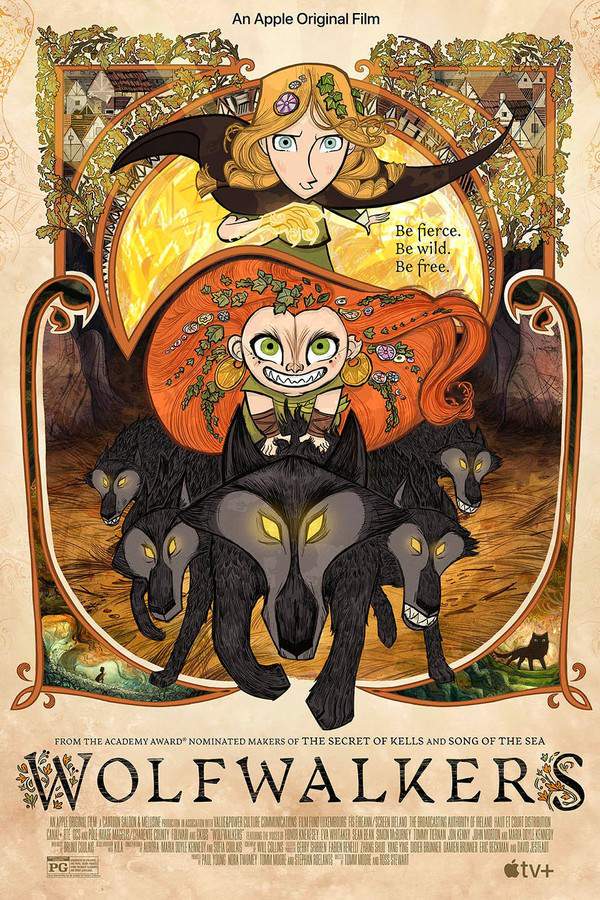
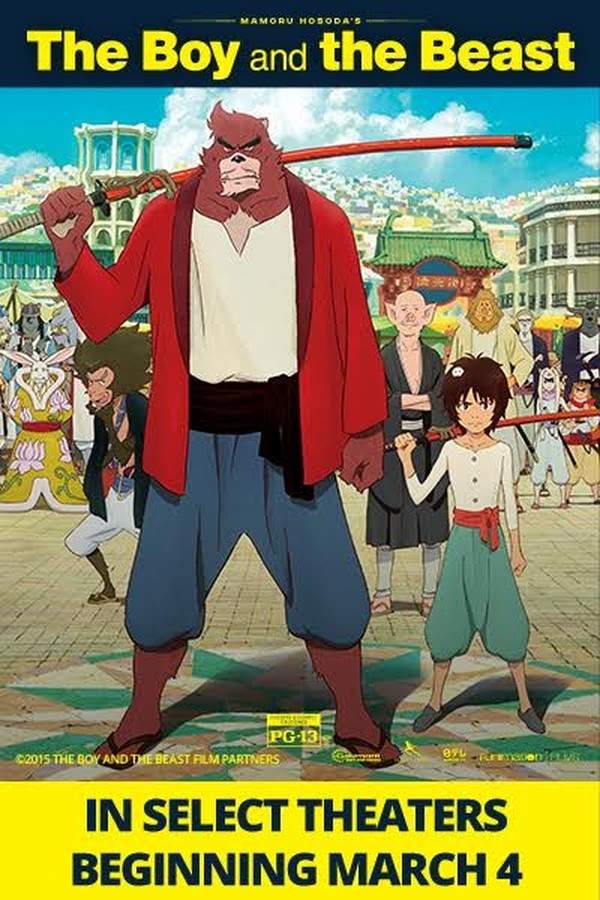
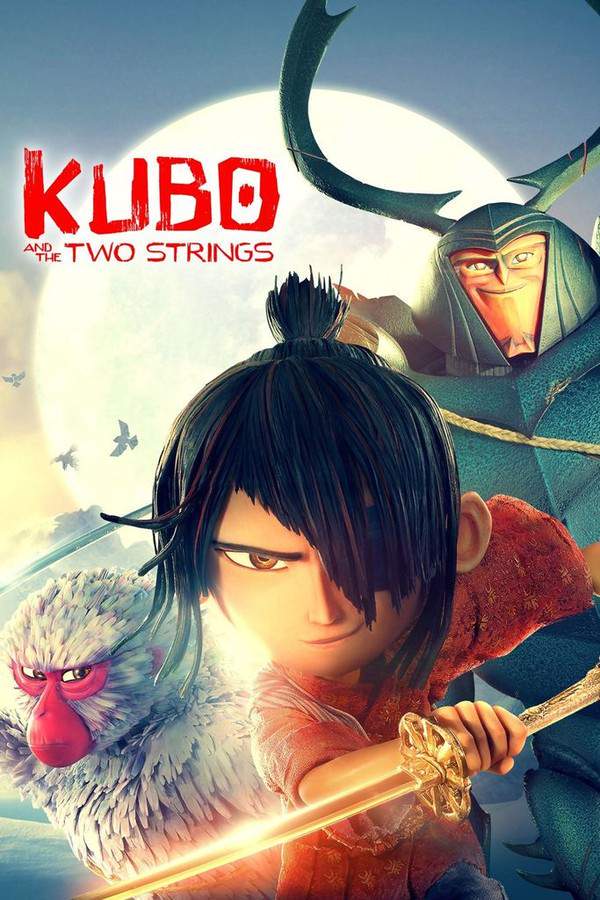
Heroic journeys drawn from myth and legend, filled with magical trials and transformative growth. Discover movies like Taro the Dragon Boy that feature heroes on epic quests inspired by mythology and folklore. If you enjoyed the blend of traditional stories, magical obstacles, and cultural artistry, you'll find similar adventures here.

  • mythical
  • adventurous
  • transformative
  • whimsical
  • earnest
  • folkloric
  • Tone: hopeful, earnest, mythical
  • Pacing: steady, episodic
Why these movies?

The story pattern: Stories in this thread follow a classic quest structure, often linear and straightforward, where a hero must overcome a series of magical or supernatural trials. The journey is as much about internal growth and understanding one's place in a larger cultural tapestry as it is about the external goal.

Why they belong together: Movies are grouped here for their shared foundation in folk tales and mythology, their focus on a hero's transformative journey through a magical world, and their visually distinctive style often reflective of traditional art forms.

Movies about sacrifice and redemption like Taro the Dragon Boy

Emotional quests where saving a loved one requires profound personal cost and growth. Find films similar to Taro the Dragon Boy that explore deep themes of family sacrifice and personal redemption. If you were moved by the emotional journey of a character giving everything for a loved one, these stories deliver a comparable heartfelt impact.

  • bittersweet
  • hopeful
  • earnest
  • reflective
  • emotional
  • transformative
  • Tone: hopeful, bittersweet, earnest
  • Pacing: steady, character-driven
Why these movies?

The story pattern: The central narrative involves a character, often young, undertaking a difficult journey to save a family member. Their path forces them to mature quickly, learning lessons about responsibility and the true meaning of love, which culminates in a resolution that is hopeful yet acknowledges the weight of their sacrifices.

Why they belong together: These films are united by their core emotional arc: a protagonist's transformation through a quest fueled by familial love, leading to a conclusion that balances triumph with loss, creating a powerful and bittersweet viewer experience.

If you liked this

Movies Like Taro the Dragon Boy

Similar movies to Taro the Dragon Boy: the same genre, themes or kind of story. Each one comes with its own plot summary, timeline and ending explained.

Browse all movie summaries

Every angle

Taro the Dragon Boy (1979) Explained: Plot, Timeline & Characters

Everything about Taro the Dragon Boy in one place: what happens in the plot summary, the timeline in chronological order, the characters and meaning and a spoiler-free summary. What's After the Movie adds the cast, box office and post-credit scenes.

Coming soon on iOS and Android

The Plot Explained Movie Summary App

Plot summaries, endings explained and timelines on your phone. Catch up on any movie in minutes, save your favorites and never miss a twist again.

Be the first to know when we launch. Your email stays private, always.

Learn more about the app