Plot Explained Spoilers guaranteed!
Plot Explained

Browse by genre

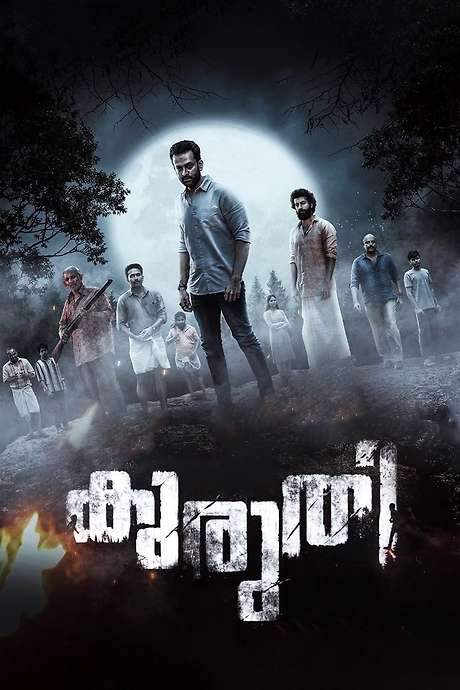
Stop Violence (2002) movie poster

Characters & Themes

Stop Violence (2002) Characters, Setting & Themes Explained

Release, runtime and language
2002 · 114 mins · Malayalam
Directed by
A K Sajan
Starring
Prithviraj Sukumaran, Sadiq, Ambika Mohan, Vijayaraghavan, Vinayakan, Madhupal

Stop Violence is a 2002 Malayalam film directed by A. K. Sajan. The film stars Prithviraj, Vijayaraghavan, and Chandra Lakshman.

On this page (7)
  1. 1 Characters explained (10)
  2. 2 Where & when it takes place
  3. 3 Themes & meaning (4)
  4. 4 Character & meaning questions
  5. 5 Movie threads
  6. 6 Movies like Stop Violence
  7. 7 Every angle

10 main characters · contains spoilers

Stop Violence Characters Explained: Who Is Who

The main characters of Stop Violence (2002), heroes and villains: what drives them, how they change over the course of the story and what each of them reveals about the film's bigger ideas.

  • Sathan (Prithviraj Sukumaran)

    A calculating, ruthless crime lord who quietly rules the streets from the shadows, turning loyalty into currency and violence into a warning. He negotiates fragile alliances while pursuing his own ambitions, and his feelings for Angelina are tempered by strategy. His confession that he raped Angelina reveals a brutal personal calculus that blends power with harm. In the finale, a final, fatal confrontation with Stephen ends with both men crushed by a train, sealing the city’s violent power struggle.

    • ⚔️ Powerful
    • 🧠 Strategist
    • 💔 Complex loyalties
  • Shekharan (Sadiq)

    A new CI who cracks down on Stephen's regime, steady and relentless in pursuit of law and order. He represents a shift in city politics and a challenge to the goonda network. His actions polarize power, triggering a high-stakes struggle between reform and intimidation.

    • ⚖️ Law
    • 🕵️ Investigator
    • 🧭 Reform
  • Angelina (Chandra Lakshman)

    A nun who endured rape and an unwanted pregnancy, fighting to return to the convent and seek justice in a system prone to silence. Her courage draws Pauly into her case, and her resolve shapes the moral center of the story. She escapes disguise as a nun at the end and raises Sathan's son, a quiet witness to the violence around her.

    • 🙏 Survivor
    • 🗝️ Determined
    • 🕊️ Justice-Seeker
  • Ambili (Ambika Mohan)

    Angelina's steadfast friend who endures violence herself; after Kishanbhai's henchman rapes her, she negotiates protection by becoming Stephen's mistress. Her decision highlights the murky line between protector and predator in a city ruled by fear. She embodies resilience even as she navigates dangerous loyalties.

    • 💪 Survivor
    • 🕊️ Complex loyalty
    • 💔 Victim
  • Gunda Stephen (Vijayaraghavan)

    The circle inspector who covertly wields crime-lord power, smoothing violence into policy and keeping rivals at bay. His iron control hinges on fear, intimidation, and a brutal goonda squad. His grip begins to crack as Sathan and Shekharan threaten his regime, leading to a fateful downfall.

    • 👑 Power
    • 🗡️ Brutality
    • 🧭 Ruthless
  • Montha (Vinayakan)

    A seasoned enforcer in Stephen’s gang, feared for his unflinching loyalty and brutal efficiency. He carries out the gang’s violent orders and helps police their influence through intimidation. His role underscores the personal costs of power in the crime-ridden city.

    • 🗡️ Enforcer
    • 🤝 Loyalty
    • 🧊 Stoic
  • Antony (Madhupal)

    A gang ally who helps navigate the murky politics of crime and protection, weaving schemes and counter-schemes with Stephen’s faction. He wields influence and contributes to shifting loyalties as the conflict deepens. His presence adds to the tension between cooperation and betrayal among rivals.

    • 🧭 Strategist
    • 🗣️ Loyal
    • 🌀 Rivalry
  • Kapela (Shohaibkhan Hanifrawther)

    A younger member of the gang, involved in rapid action and street-level violence. He embodies the volatile energy of the power struggle, ready to follow orders that escalate conflicts. Kapela’s actions illustrate how youth and zeal fuel the city’s brutality.

    • 🪓 Brawler
    • 🧭 Streetwise
    • ⚡ Chaos
  • Acid (Saji Soman)

    One of Stephen’s brutal lieutenants, feared for his savage enforcement and willingness to cross lines. He becomes a casualty of the escalating feud when Kishanbhai’s men strike back, leaving a vacancy in Stephen’s caporegime. His death marks a turning point in the Gang War.

    • ⚔️ Enforcer
    • 🩸 Cruelty
    • 🧊 Ruthless
  • Lohithadas (A K Lohithadas) (Himself)

    The narrator who guides the storytelling with a meta-layer, suggesting he is researching a new script as events unfold. His introspective voice frames the city’s violence as part of a larger cinematic study. He comments on power, justice, and the fragility of memory throughout the narrative.

    • 🗣️ Narrator
    • 🎭 Meta
    • 🧭 Guide

Last updated: October 03, 2025 at 14:14

Was this helpful?

Setting

Where and When Does Stop Violence Take Place?

The setting of Stop Violence (2002): the year and time period, the places and locations, and how they shape the characters, the mood and the tension of the story.

Time period

Location

Last updated: October 03, 2025 at 14:14

Was this helpful?

4 major themes

Stop Violence Meaning: Themes & Message Explained

What is Stop Violence (2002) really about? The emotional, social and philosophical themes the film keeps returning to, its symbolism and the message beneath the surface.

  • Power

    Stephen's grip on the city is built on fear, bribery, and brutal enforcement, making power itself a weapon. Sathan operates from the shadows, challenging that order while keeping Angelina under protection by tying loyalties to violence. The clash between their ambitions exposes how easily justice can be weaponized by those in power. The finale frames power as a collapsing structure that devours its own champions.

  • Justice

    Angelina's legal fight highlights a system that seems to tilt toward silence rather than justice. Adv. Pauly works to shield her case, while the city's factions use the drama to score points. Loyalties blur as characters trade protection for influence, and betrayals ripple through the court, the church, and the streets. The struggle demonstrates that truth alone isn't enough without the courage to pursue it publicly.

  • Violence

    Trauma from rape and violence drives the story's emotional core. Ambili's assault intensifies the cycle of fear and retaliation, while Angelina's pregnancy becomes a symbol of resilience. The narrative probes how victims navigate power dynamics, often forced to make impossible choices for safety. Yet the women refuse to yield, steering their destinies through courage and persistence.

  • Rivalry

    Two power blocs collide as schemes and grudges drive their every move. The gang war escalates from covert maneuvers to brutal public violence, culminating in a deadly confrontation. The decision to arrest Sathan triggers a lethal chain reaction that seals both men's fates. In the end, truth, loyalty, and betrayal are all consumed by the city’s unstoppable violence.

Last updated: October 03, 2025 at 14:14

Was this helpful?

Character & theme questions

Stop Violence Characters & Meaning: Your Questions Answered

The questions people ask about Stop Violence (2002): who the characters really are, their relationships, what the symbols mean, where it takes place and what the movie is really about. Each answer contains spoilers.

Q1

What is the setting of Stop Violence and how does it shape the story?

The film is set in an unnamed Indian city where crime and corruption have become indistinguishable from governance. Two powerful figures, corrupt circle inspector Stephen and crime lord Sathan, compete for control, turning the city itself into a character defined by fear, bribery, and brutality. This environment creates a system where justice is weaponized and ordinary citizens are trapped between competing forces of violence.

  • city setting
  • corruption
  • crime lords
  • power structure
Q2

When does Stop Violence take place?

The film is set in the early 2000s, reflecting the contemporary urban landscape of Kerala during that period. This era is characterized by rising crime rates, political corruption, and the emergence of new power structures that blend criminal elements with institutional authority.

  • 2000s
  • contemporary
  • Malayalam cinema era
Q3

What does Stop Violence say about power and corruption?

The film portrays power as a destructive weapon that corrupts both those who wield it and those who try to challenge it. Stephen builds his control through fear and bribery, while Sathan operates from the shadows using violence as currency. Their rivalry exposes how justice becomes a tool for those in power rather than a shield for victims. The climax shows both men destroyed by the very system they created, suggesting power ultimately devours its own champions.

  • power
  • corruption
  • crime
  • authority
  • justice system
Q4

Who is Angelina in Stop Violence and what is her significance?

Angelina is a nun who was raped by Sathan and carries an unwanted pregnancy as a result. Her fight to return to the convent and seek justice becomes the moral center of the film, representing the struggle of victims against a system that often favors silence over truth. She embodies resilience, refusing to yield to the violence done to her and ultimately choosing to raise her child, finding hope amid tragedy.

  • Angelina
  • nun
  • rape victim
  • justice
  • resilience
Q5

What kind of character is Sathan and what drives him?

Sathan is a calculating, ruthless crime lord who operates from the shadows, turning loyalty into currency and violence into warning. He maintains power through strategic alliances and strategic violence, though his feelings for Angelina complicate his otherwise cold calculations. His confession that he raped Angelina reveals a brutal personal calculus that blends power with harm, making him both a criminal mastermind and a deeply flawed individual consumed by his own ambitions.

  • Sathan
  • crime lord
  • power
  • violence
  • motivation
Q6

Who is Gunda Stephen and how does he maintain control?

Gunda Stephen is a circle inspector who covertly wields crime-lord power, using his position to control the city's underworld. He smooths violence into policy, keeping rivals at bay through fear, intimidation, and a brutal goonda squad. His grip begins to crack as Sathan and the new CI Shekharan threaten his regime, ultimately leading to his downfall in a violent confrontation with Sathan.

  • Stephen
  • corrupt police
  • goonda
  • crime lord
  • inspector
Q7

How does Stop Violence address the theme of justice?

The film examines a justice system that seems to tilt toward silence rather than truth. Angelina's legal fight highlights how victims navigate a process that often favors powerful perpetrators. Adv. Pauly works to shield her case, but the city's factions use the legal drama to score political points. The narrative demonstrates that truth alone isn't enough without the courage to pursue it publicly, painting a damning portrait of institutional failure.

  • justice system
  • court
  • legal battle
  • corruption
  • truth
Q8

What role does violence against women play in the film?

Violence against women is the emotional core of the narrative, with trauma from rape driving the story's most powerful moments. Both Angelina and her friend Ambili suffer sexual violence, and the film explores how victims are forced to make impossible choices for safety in a city ruled by fear. Ambili becomes Stephen's mistress to secure protection, highlighting the murky line between protector and predator. Yet both women refuse to yield, steering their destinies through courage and persistence.

  • rape
  • violence against women
  • trauma
  • victimhood
  • survival
Q9

What is the main conflict driving Stop Violence?

The central conflict is a ruthless rivalry between two power blocs: corrupt inspector Stephen's gang and challenger Sathan's organization. This gang war escalates from covert maneuvers to brutal public violence, culminating in a deadly confrontation where both men die. The decision to arrest Sathan triggers a lethal chain reaction that seals both their fates, with truth, loyalty, and betrayal all consumed by the city's unstoppable cycle of violence.

  • gang war
  • rivalry
  • power struggle
  • conflict
  • violence
Q10

Who is Ambili and what does her story represent?

Ambili is Angelina's steadfast friend who endures violence when Kishanbhai's henchman rapes her. To survive, she negotiates protection by becoming Stephen's mistress, a decision that highlights the desperate choices victims make in a city where predators disguise themselves as protectors. Her character represents the murky boundaries between survival and compromise, resilience and vulnerability.

  • Ambili
  • secondary character
  • victim
  • survival
  • loyalty
Q11

What is the role of the narrator in Stop Violence?

Lohithadas serves as the film's narrator, guiding the storytelling with a meta-layer that suggests he is researching a new script as events unfold. His introspective voice frames the city's violence as part of a larger cinematic study, commenting on power, justice, and the fragility of memory throughout the narrative. This technique adds analytical depth to the brutal events.

  • narrator
  • Lohithadas
  • meta narrative
  • storytelling
Q12

What is the ending of Stop Violence like?

The ending is bittersweet: both primary antagonists, Stephen and Sathan, die violently together in a train confrontation, consumed by the very system they created. However, Angelina escapes her disguise as a nun and finds a quiet, hopeful purpose by raising Sathan's son. This suggests a fragile sense of continuation after tragedy, the cycle of violence ends with the villains' death, but hope persists through the next generation.

  • ending
  • bittersweet
  • hope
  • continuation
  • resolution

Movie threads

More Movies Like Stop Violence, by Mood & Story

Curated lists built around what makes Stop Violence tick: the same mood, the same kind of story or the same emotional payoff. Each list explains why these movies belong together.

Fatalistic Crime Sagas like Stop Violence

Stories where systemic corruption grinds down characters in a morally bankrupt world. If you liked the grim, fatalistic outlook of Stop Violence, explore more movies that depict the crushing weight of systemic corruption and moral decay. These stories feature characters trapped in bleak, violent cycles, offering a similar feel of relentless tension and tragic outcomes.

  • grim
  • brutal
  • suspenseful
  • cynical
  • oppressive
  • fatalistic
  • Tone: dark, cynical, fatalistic
  • Pacing: fast, relentless
Why these movies?

The story pattern: Narratives in this thread follow a downward trajectory, often centered on a power struggle or a character's desperate attempt to find justice or redemption in a corrupt world. The plot is typically driven by a series of escalating violent confrontations and betrayals, leading to an ending that offers little true victory, often feeling bittersweet or bleak.

Why they belong together: These movies are grouped by their shared dark tone, high intensity, and focus on the inevitability of tragedy within a corrupt system. They create a similar viewing experience of tension, cynicism, and emotional heaviness, appealing to viewers who appreciate grim, uncompromising crime thrillers.

Movies about Trauma and Resilience like Stop Violence

Character-driven stories about enduring profound trauma and finding a fragile new beginning. For viewers impacted by the heavy themes of trauma and the quiet, bittersweet redemption in Stop Violence, this section highlights similar movies. These films explore deep personal pain and the long, difficult path toward healing or finding a new purpose after tragedy.

  • melancholic
  • heavy
  • traumatic
  • bittersweet
  • resilient
  • somber
  • Tone: melancholic, heavy, bittersweet
  • Pacing: steady, character-driven
Why these movies?

The story pattern: The narrative pattern involves a central traumatic event that defines the character's journey. The plot explores the immediate and long-term psychological impact, often involving a struggle for justice or personal peace. The climax resolves the external conflict but leaves the character with emotional scars, culminating in an ending that is more about continued survival and fragile hope than a happy resolution.

Why they belong together: These films share a heavy emotional weight driven by central themes of trauma and recovery. They are connected by a bittersweet ending feel and a focus on character resilience in the face of overwhelming pain, creating a powerfully melancholic and cathartic viewing experience.

If you liked this

Movies Like Stop Violence

Similar movies to Stop Violence: the same genre, themes or kind of story. Each one comes with its own plot summary, timeline and ending explained.

Browse all movie summaries

Every angle

Stop Violence (2002) Explained: Plot, Timeline & Characters

Everything about Stop Violence in one place: what happens in the plot summary, the timeline in chronological order, the characters and meaning and a spoiler-free summary. What's After the Movie adds the cast, box office and post-credit scenes.

Coming soon on iOS and Android

The Plot Explained Movie Summary App

Plot summaries, endings explained and timelines on your phone. Catch up on any movie in minutes, save your favorites and never miss a twist again.

Be the first to know when we launch. Your email stays private, always.

Learn more about the app