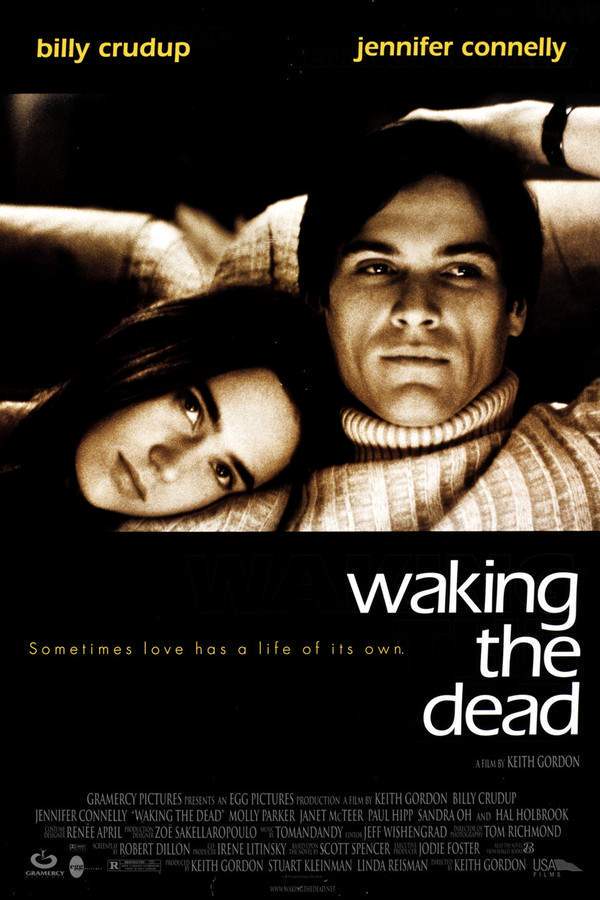
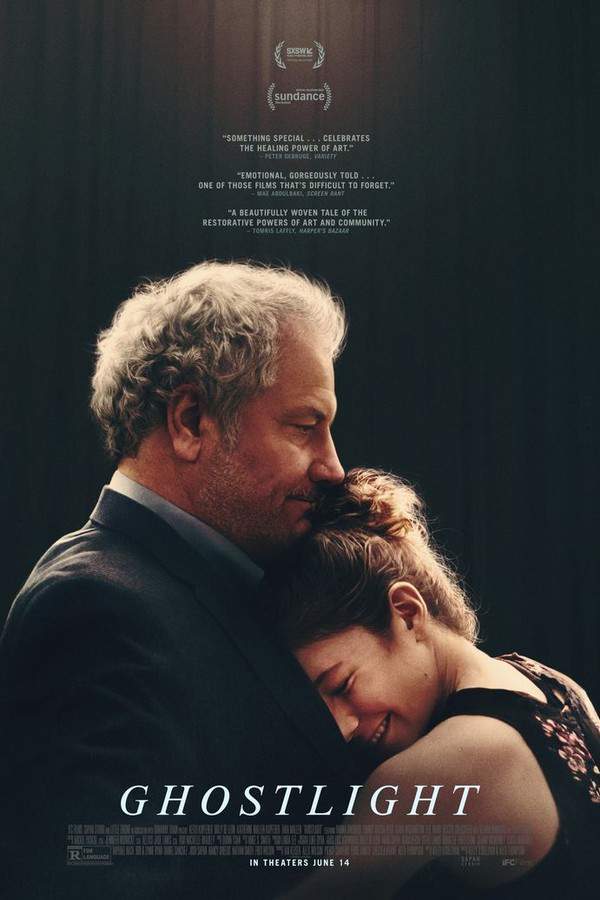
In a quiet Irish village, Abbey, a troubled young woman, finds herself drawn to her former professor, Dermot. The pair are clearly devoted, their love standing out in a place where the locals disapprove of their age difference and unconventional pairing. Yet they cling to each other, choosing happiness in a relationship that feels defiant in its own way, even as the world around them stays wary.
When Abbey discovers she is pregnant, the news unsettles the fragile balance they have built. Dermot reacts with irritation and a blunt honesty that stings: he has no desire to be a father. This moment fracturing their seemingly solid bond becomes a turning point, revealing the weight of expectations, fear, and the consequences of choices made in the heat of passion. Abbey, grappling with the reality of motherhood, decides to leave the village and travel to her childhood home in Montreal to visit her father, hoping to find clarity or solace far from Dermot’s mounting anger and the pressures of the situation.
Back in Ireland, Dermot is left to confront his own demons. The absence of Abbey’s presence intensifies his inner turmoil, and he sinks into drinking, a coping mechanism that only deepens the distance between them. The emotional distance between the lovers grows sharper as months pass and silence becomes an unspoken third participant in their relationship.
As the story unfolds, dark secrets from both sides come to light. Dermot’s reluctance to become a father is linked to a painful past: a previous pregnancy with a student ended tragically when that child was put up for adoption, and the student herself died by suicide. The scandal also cost him his teaching position at Trinity College Dublin, a blow that continues to haunt him with guilt and shame. Abbey, meanwhile, wrestles with her own doubts about becoming a mother. Her unease is tied to her mother’s history—a mother who left with another man for Costa Rica when Abbey was a child. This lineage of departures colors Abbey’s choices and feeds her fear of repeating painful patterns.
Seeking the truth about her mother’s past, Abbey learns from a friend of her mother that there was never a lover involved; her mother left because she hated being a mother to Abbey, a revelation that her father had kept hidden. Armed with this new understanding, Abbey makes a difficult decision about her unborn child, choosing an abortion as the path that she believes will allow her to regain control over her life and future, even as it carries its own emotional weight.
After the abortion, Abbey experiences a charged, clandestine encounter with a bartender she is drawn to, a moment of raw connection that underscores the complexities of desire, consequence, and healing. The encounter serves as a catalyst for Abby to return to Ireland, where she seeks to mend what has frayed with Dermot. Their reunion is quiet and nuanced, built on the acceptance of painful truths and a shared longing to find a way forward together.
Ultimately, the narrative threads together the tension between longing and responsibility, the pull of family history, and the hard-won realization that love can survive—not by erasing the past, but by confronting it with honesty. In this intimate tapestry, both Abbey and Dermot navigate the vagaries of faith, fear, and forgiveness, learning that the road to connection is often paved with difficult choices, quiet reconciliations, and the stubborn hope that a future together is possible, even after revelations that redefine everything they thought they knew.