Plot Explained Spoilers guaranteed!
Plot Explained

Browse by genre

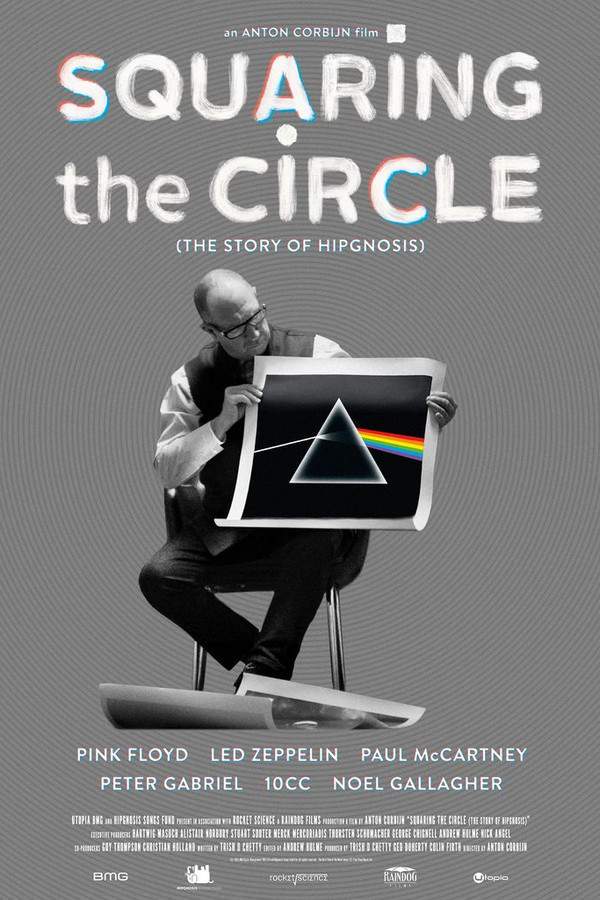
Square the Circle (2023) movie poster

Timeline

Square the Circle (2023) Timeline Explained – Every Event in Order

Release, runtime and language
2023 · 17 mins · English
Loading streaming availability…
Starring
Hanna Hovitie

This visually innovative comedy explores the experiences of a perfectionist struggling with procrastination and a fear of the dark, set against the backdrop of a place where darkness dominates half the year. It delves into themes of space anxiety and the fear of infinity, presented in a circular format, diverging from traditional filmmaking. Ultimately, it’s a heartfelt tribute to those who feel like outsiders, celebrating individuality and the search for belonging.

On this page (5)
  1. 1 Where to watch
  2. 2 Events in order (13)
  3. 3 Timeline questions answered
  4. 4 Movie threads
  5. 5 Every angle
Loading streaming availability…

13 events in order · contains spoilers

Square the Circle Timeline: Events in Chronological Order

Every key event of Square the Circle (2023) in order, scene by scene, with when and where it takes place. Use it to untangle flashbacks, time jumps and parallel storylines, to refresh your memory before the sequel or to find the exact scene you are thinking of.

  1. Hipgnosis is founded

    The documentary opens with the founding of the Hipgnosis studio by Storm Thorgerson and Aubrey "Po" Powell in 1968. The two were already associates of the band Pink Floyd, a relationship that would prove crucial to their early success. This partnership became the starting point for some of the most celebrated album artwork in rock history.

    When
    1968
  2. First commission: A Saucerful of Secrets

    Hipgnosis received its breakthrough when Pink Floyd commissioned the young studio to design the cover for the album A Saucerful of Secrets. The film recounts this first major project and how it launched Thorgerson and Powell's career in music design. It also marked the beginning of a long creative relationship with the band.

    When
    1968
  3. Classic covers for rock's biggest artists

    Through the 1970s, Hipgnosis produced many classic album covers for some of the era's leading artists, including Led Zeppelin, Peter Gabriel, Paul McCartney and Wings, and 10cc. The film walks through the production of several of these iconic sleeves. This body of work established the studio as a defining visual force of 1970s rock.

    When
    1970s
  4. Experimental photography methods

    A central focus of the documentary is Thorgerson and Powell's experimental approach to photography. Eschewing simple studio work, they staged elaborate, surreal scenes and unconventional setups to create their unforgettable images. The film shows how these hands-on techniques became the studio's creative signature.

  5. More landmark covers for Pink Floyd

    Alongside their work for other artists, Hipgnosis designed several more covers for Pink Floyd over the years. The film revisits these designs, which became inseparable from the band's visual identity. The collaboration stands as one of the most enduring partnerships between a band and its album designers.

  6. Influencing rock album cover art

    The documentary explores the influence Hipgnosis had on rock album covers throughout the era. Their imaginative, unconventional designs helped redefine what album artwork could be and raised expectations for the entire industry. Their approach left a lasting mark on cover design far beyond their own catalogue.

  7. Punk rock changes everything

    As the film moves into the late 1970s, the rise of punk rock made Hipgnosis's elaborate album covers seem out of step with the times. Punk's raw, minimalist aesthetic pushed ornate artwork out of fashion almost overnight. This cultural shift brought the golden age of the studio's signature style to a close.

    When
    Late 1970s
  8. A pivot to new ventures

    With demand for their ornate album covers fading, Thorgerson and Powell moved into video production and other artistic projects. The documentary ends its historical narrative on this transitional moment for the studio. It signals the close of the Hipgnosis cover art era, even as the partners' creative collaboration continued in new forms.

    When
    Late 1970s
  9. Storm Thorgerson dies

    The film also stands as a tribute to Storm Thorgerson, who died in 2013. His passing means the documentary is a retrospective look at his life and legacy, shaped through the memories of those who knew and worked with him. Powell's stories throughout the film carry the weight of memorializing his late partner.

    When
    2013
  10. Po Powell tells the story

    Aubrey "Po" Powell was interviewed extensively for the documentary and emerges as its central storyteller. Since Thorgerson could not participate, Powell also speaks on behalf of his longtime partner throughout the film. His firsthand recollections anchor the account of the studio's history from beginning to end.

  11. Musicians revisit their covers

    Several notable musicians appear in the film to discuss the covers Hipgnosis created for their albums. Their interviews reveal the collaborative process behind the designs and how the artwork connected to their music. These conversations give viewers a firsthand sense of working with the legendary studio.

  12. Anton Corbijn's directorial eye

    Reviewers noted the influence of director Anton Corbijn's own knowledge of photography and graphic design on the finished film. Corbijn's visual background informs how the documentary presents and frames Hipgnosis's work. The result feels like a study of album art made by a fellow visual artist.

  13. Modern fans celebrate the legacy

    The documentary also includes interviews with modern fans of the classic Hipgnosis covers, most notably Noel Gallagher. Their appreciation demonstrates how the studio's work continues to resonate across generations. It reinforces the film's message that these covers remain cultural touchstones long after the vinyl era.

Last updated: November 01, 2026 at 15:35

Was this helpful?

Timeline questions answered

Square the Circle Timeline Explained: Your Questions Answered

When does it happen, and why in that order? The questions people ask about the chronology of Square the Circle (2023): time jumps, flashbacks, cause and effect between scenes and the correct order of events, each answered with spoilers.

Q1

How did the A Saucerful of Secrets commission change Hipgnosis's fortunes?

The Pink Floyd commission gave Hipgnosis its breakthrough in 1968 and launched Thorgerson and Powell's career in music design. It also began their long creative relationship with the band, giving the young studio its first major project.

Foreshadowing: Their early connection to Pink Floyd foreshadows the studio's long run of covers for the band.

  • hipgnosis
  • storm thorgerson
  • aubrey powell
  • pink floyd
  • saucerful of secrets
  • album covers
Q2

How did Hipgnosis make its album covers so distinctive?

Hipgnosis used experimental photography, staging elaborate, surreal scenes and unconventional setups rather than simple studio work. Square the Circle presents that hands-on process as the studio's creative signature and shows how it helped redefine album artwork.

Foreshadowing: The elaborate staged imagery of the 1970s foreshadows the later moment when punk's stripped-back aesthetic makes that style fall out of favor.

  • experimental photography
  • staged photography
  • surreal imagery
  • thorgerson
  • powell
  • album artwork
Q3

Why did Hipgnosis's elaborate album covers fall out of favor?

Punk's raw, minimalist aesthetic displaced the ornate, elaborate style that had defined Hipgnosis's work. As punk rose in the late 1970s, demand for the studio's elaborate covers faded and the golden age of that approach effectively ended.

  • punk rock
  • minimalist album covers
  • hipgnosis
  • 1970s
  • album art
  • changing trends
Q4

What did Thorgerson and Powell do after punk changed the music industry?

With demand for ornate album covers fading, Thorgerson and Powell moved into video production and other creative projects. They carried their partnership into new formats, so the end of the Hipgnosis cover era became a transition rather than a complete creative break.

  • storm thorgerson
  • aubrey powell
  • video production
  • hipgnosis transition
  • album covers
  • creative partnership
Q5

How did Hipgnosis change the standards for rock album covers?

Hipgnosis showed that album artwork could be a major creative statement rather than a routine photograph or simple identifier. By the 1970s, its imaginative designs had raised expectations across the industry and influenced cover design well beyond the studio's own catalogue.

  • album cover art
  • visual influence
  • creative photography
  • rock music
  • hipgnosis
  • design history
Q6

Why is Po Powell the documentary's main narrator?

Storm Thorgerson died in 2013, so Aubrey "Po" Powell supplies the firsthand recollections that anchor Square the Circle. Powell also speaks on behalf of his longtime partner, making his testimony both a history of the studio and a tribute to Thorgerson.

  • po powell
  • storm thorgerson
  • documentary narrator
  • firsthand interviews
  • studio history
  • tribute
Q7

How did Hipgnosis shape Pink Floyd's visual identity?

Hipgnosis designed several Pink Floyd covers that became inseparable from the band's visual identity. The partnership began with A Saucerful of Secrets and continued across multiple albums, making the studio one of the band's most enduring creative relationships.

  • pink floyd
  • visual identity
  • hipgnosis
  • album artwork
  • saucerful of secrets
  • creative partnership
Q8

How did Hipgnosis go from working with Pink Floyd to designing for Led Zeppelin and 10cc?

The success of the A Saucerful of Secrets cover established Hipgnosis as a credible designer, allowing the studio to take on prominent clients during the 1970s. Its work for Led Zeppelin, Peter Gabriel, Paul McCartney and Wings, 10cc, and Pink Floyd made Hipgnosis a defining visual force in rock.

  • led zeppelin
  • 10cc
  • peter gabriel
  • paul mccartney
  • pink floyd
  • album design
Q9

How do the musicians describe working with Hipgnosis?

Interviews with musicians discuss the collaborative process behind the covers and how the artwork connected to the music. These accounts add artist perspectives to the studio's history and help explain why the finished images became so recognizable.

  • musician interviews
  • creative collaboration
  • album artwork
  • music and art
  • hipgnosis
  • design process
Q10

What do modern fans like Noel Gallagher say about Hipgnosis?

They describe Hipgnosis's classic covers as cultural touchstones that still resonate long after the vinyl era. Noel Gallagher and other modern fans help show that the studio's influence reaches beyond the musicians who originally commissioned the work.

  • noel gallagher
  • modern fans
  • classic album covers
  • lasting legacy
  • vinyl era
  • hipgnosis
Q11

What does Anton Corbijn's photography background add to the documentary?

Anton Corbijn brings a photographer's and graphic designer's perspective to how the Hipgnosis story is presented. His visual background shapes Square the Circle's focus on photographic technique and design choices, presenting the album covers as works by a fellow visual artist rather than only as pieces of music history.

  • anton corbbijn
  • photography
  • graphic design
  • documentary direction
  • album art
  • visual style

Movie threads

More Movies Like Square the Circle, by Mood & Story

Curated lists built around what makes Square the Circle tick: the same mood, the same kind of story or the same emotional payoff. Each list explains why these movies belong together.

Bittersweet creative legacy movies like Square the Circle

Affectionate journeys through innovation, cultural change, and the lingering loss of a distinctive artistic legacy. If you loved Square the Circle, explore movies like it that combine affectionate nostalgia with a clear-eyed sense of cultural change. These stories celebrate inventive artists, partnerships, and visual worlds while acknowledging mortality, fading trends, and the persistence of lasting work.

  • nostalgic
  • affectionate
  • reflective
  • bittersweet
  • elegiac
  • playful
  • Tone: bittersweet, nostalgic, affectionate
  • Pacing: steady, reflective
Why these movies?

The story pattern: Typically, these narratives begin with the energy and breakthroughs of a creative scene, move through interviews and examples that reveal its process, and then follow the pressures that reshape it. The emotional arc turns from wonder and affection toward loss or transition, ending with the work surviving even as its original moment recedes.

Why they belong together: They share a reflective, low-key rhythm and a bittersweet palette: playful details and warm affection sit beside the awareness that an artistic era is ending. Their subject matter may vary, but the viewing experience is a thoughtful celebration of makers whose influence outlasts the culture that formed them.


Inventive music and art documentaries like Square the Circle

Visually inventive documentaries turn artists, design breakthroughs, and cultural shifts into playful celebrations of making. Looking for movies like Square the Circle? Discover inventive music and art documentaries with playful visuals, interview-led storytelling, and a strong sense of creative partnership. They explore how bold design and popular music shape culture, then trace the artists, breakthroughs, and legacy that endure.

  • inventive
  • playful
  • nostalgic
  • affectionate
  • creative
  • reflective
  • Tone: playful, nostalgic, bittersweet
  • Pacing: steady, exploratory
Why these movies?

The story pattern: These films generally unfold as a guided tour through a creative lineage: establish the collaborators and breakthroughs, pause for interviews and visual analysis, then show the external changes that redirect the scene. The structure is exploratory rather than adversarial, with each chapter adding an image, idea, or memory to the portrait.

Why they belong together: The shared quality is curiosity-driven, visually playful storytelling about how influential art gets made. They favor examples, process, and collaboration over conventional dramatized conflict, and their gentle nostalgia gives the creative achievement a human, bittersweet dimension.

Every angle

Square the Circle (2023) Explained: Plot, Timeline & Characters

Everything about Square the Circle in one place: what happens in the plot summary, the timeline in chronological order, the characters and meaning and a spoiler-free summary. What's After the Movie adds the cast, box office and post-credit scenes.

Coming soon on iOS and Android

The Plot Explained Movie Summary App

Plot summaries, endings explained and timelines on your phone. Catch up on any movie in minutes, save your favorites and never miss a twist again.

Be the first to know when we launch. Your email stays private, always.

Learn more about the app