
Spider-Plant Man
Year: 2005
Runtime: 15 mins
Language: English
Director: Ed Bye
The Comic Relief 2005 appeal featured a spoof of Spider-Man titled Spider-Plant Man, broadcast on BBC One. Rowan Atkinson stars as Peter Piper, the flamboyant Spider-Plant Man, with Rachel Stevens playing his love‑interest Jane-Mary. The sketch also includes Jim Broadbent as Batman and Tony Robinson as Robin, providing a comic cameo.
Warning: spoilers below!
Haven’t seen Spider-Plant Man yet? This summary contains major spoilers. Bookmark the page, watch the movie, and come back for the full breakdown. If you're ready, scroll on and relive the story!
Spider-Plant Man (2005) – Full Plot Summary & Ending Explained
Read the complete plot breakdown of Spider-Plant Man (2005), including all key story events, major twists, and the ending explained in detail. Discover what really happened, and what it all means.
Photographer Peter Piper visits a secret laboratory where scientists have engineered a carnivorous spider plant. A bite from one of these creatures grants him plant-based powers, rewiring his biology in surprising ways and turning him into a new kind of urban guardian. With his enhanced abilities, he steps into the city’s shadows and quickly becomes a symbol of hope for the people he once photographed with a casual eye. When he intervenes to stop a mugging, his quick, botanical prowess saves his former schoolmate, Jane-Mary, and sparks an unexpected romance that adds a personal stake to his vigilante life. The encounter plants a delicate tension between a man who longs for a normal life and a hero who feels compelled to protect others at any cost. He embraces the mantle of Spider-Plant Man, weaving through London’s streets with a blend of speed, cunning, and an uncanny affinity for flora. The new identity brings him not only admiration but also a growing list of duties, including odd tasks like securing demo tapes for the pop star Peter Andre, a mission that brings a touch of pop culture into his formative superhero chapter.
As Spider-Plant Man’s popularity blooms, the city begins to turn its eyes toward him in equal measure. He uses his plant-based abilities to respond to crises, turning alleyways into green corridors and making the urban landscape feel a little safer with each rescue. Yet fame carries a price, and Piper finds that being a hero in the public eye can attract jealous rivals and unpredictable dangers. The balance between his ordinary life and his extraordinary alter ego becomes increasingly difficult to maintain, especially as his connection with Jane-Mary deepens and anchors him to a future he has not yet imagined.
The night air thickens with danger when a notorious figure steps from the shadows: Batman. Bathed in the glow of neon and rumor, Batman is determined to cast Spider-Plant Man aside and seize control of the capital’s hero narrative. He abducts Jane-Mary, warning that she will be harmed if Spider-Plant Man does not renounce his superhero persona. The threat intensifies the urgency of Piper’s mission and makes the stakes personal in a way they never were before. Piper pieces together the clue that Jane-Mary is trapped high above the city’s horizon, atop Tower Bridge, and he races to her location, driven by a mix of fear, love, and resolve. The pursuit turns into a climactic confrontation that pits botanical ingenuity against a rival of mythic proportions, with the fate of both lovers hanging in the balance.
The battle escalates when Robin enters the scene, adding another layer of danger and tension. Robin’s intervention nearly ends Spider-Plant Man’s crusade, tipping the fight toward a brutal edge. In a surprising turn, Spider-Plant Man offers Robin a pragmatic incentive: a 25% share of all licensed pajama sales along with his own cereal brand, a proposal that unsettles the loyalties in play. The offer proves persuasive enough to sway Robin, who changes sides and helps to topple Batman’s ambitions. The clash leaves both sides breathless and marks a turning point in the city’s sense of security and justice.
With the primary threat thwarted, Spider-Plant Man faces a pivotal choice that defines his future. He asks Jane-Mary to decide between the life he leads as a superhero and the person he is beneath the mask—the man who longs for a more ordinary, intimate existence. The moment is intimate and quietly hopeful, suggesting that the decision will shape not only their relationship but the hero’s path forward. Jane-Mary’s feelings remain the film’s emotional compass, guiding him toward a direction that could redefine what it means to be a protector.
The film closes with a sun-soaked beach scene that hints at the couple’s ambiguous yet intimate future. Jane-Mary is seen with Piper, who still wears the Spider-Plant Man suit, suggesting that she has chosen the life intertwined with his extraordinary identity. The ending leaves audiences with a sense of possibility rather than a definitive verdict, inviting viewers to ponder whether a hero can truly balance love, identity, and responsibility in a city that constantly tests the limits of courage.
Last updated: February 20, 2026 at 18:43
Spider-Plant Man (2005) Plot Questions Answered – Summary FAQ
Explore frequently asked questions about Spider-Plant Man (2005) with spoiler-rich answers covering the full plot summary, major story beats, character motivations, hidden details, and ending meaning. This movie summary FAQ helps explain confusing scenes, plot twists, and narrative decisions in clear, searchable detail.
How did Peter Piper get his plant-based powers?
Peter Piper was bitten by a genetically engineered carnivorous spider plant during a visit to a secret research laboratory in London. The bite rewired his biology and granted him plant-based abilities, including enhanced strength, speed, and an affinity for flora, transforming him into Spider-Plant Man.
Why did Batman become the antagonist?
Batman grew jealous of Spider-Plant Man's rising popularity and fame in London. Feeling eclipsed by this new hero, Batman resolved to remove Spider-Plant Man from the hero scene entirely, leading him to kidnap Jane-Mary as leverage.
Earlier scenes establish Spider-Plant Man as a celebrated hero whose exploits generate public admiration.
Why did Batman kidnap Jane-Mary?
Batman abducted Jane-Mary and threatened to harm her unless Spider-Plant Man agreed to renounce his superhero identity. The kidnapping was a tactical move to force Piper to give up his heroic persona and eliminate the competition for London\'s hero narrative.
Why did Robin switch sides during the fight?
Spider-Plant Man convinced Robin to change allegiances by offering him a pragmatic incentive: a 25% share of all licensed pajama sales and his own cereal brand. This unusual business proposition was persuasive enough to sway Robin from Batman's side.
How did Spider-Plant Man find Jane-Mary?
Spider-Plant Man pieced together clues that led him to deduce Jane-Mary was trapped high above the city, specifically atop Tower Bridge. He then raced to her location to confront Batman and rescue her.
What did Jane-Mary decide at the end?
The ending shows Jane-Mary with Peter Piper on a sun-soaked beach while he still wears the Spider-Plant Man suit. This visual implies she chose to stay in his life, accepting both his superhero identity and the person beneath the mask.
What happened during the Tower Bridge confrontation?
Spider-Plant Man pursued Batman to Tower Bridge where Jane-Mary was being held captive. A fierce battle ensued between Spider-Plant Man and Batman, with Robin initially siding against Spider-Plant Man before switching teams after the pajama deal.
What did Peter Piper ask Jane-Mary to choose?
Peter Piper proposed to Jane-Mary and asked her to decide between his life as Spider-Plant Man and the ordinary person he is beneath the mask. The choice represented a deeper question about whether she could accept his double life and the responsibilities that came with it.
What was the dynamic between Batman and Robin?
Batman and Robin initially appeared as partners, but Robin's willingness to switch sides for a business deal revealed a transactional dynamic. When offered a 25% cut of pajama sales and his own cereal brand, Robin betrayed Batman and helped defeat him, showing loyalty was purchasable.
Why did Spider-Plant Man retrieve Peter Andre's demo tapes?
As one of Spider-Plant Man's heroic missions, he was tasked with securing demo tapes for pop star Peter Andre. This odd job represented the quirky, everyday tasks that formed part of his growing list of superhero duties and brought pop culture into his formative hero journey.

Explore Movie Threads
Discover curated groups of movies connected by mood, themes, and story style. Browse collections built around emotion, atmosphere, and narrative focus to easily find films that match what you feel like watching right now.
Playful Superhero Spoofs like Spider-Plant Man
Lighthearted comedies that affectionately mock comic book tropes with a fast-paced, absurd twist.For fans of Spider-Plant Man looking for more laughs, this section features movies that lovingly parody the superhero genre. Find similar comedic stories with fast pacing, light emotional weight, and absurd takes on classic comic book conventions.
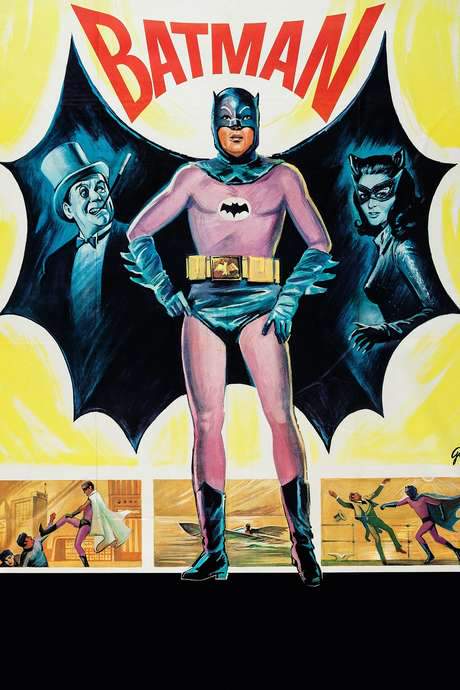
Batman
1966

HK: Forbidden Super Hero
2013
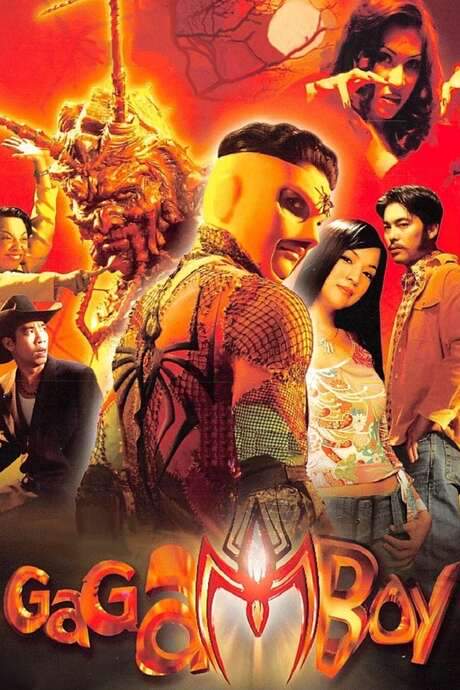
Gagamboy
2004

Super Buddies
2013

Toonpur Ka Superrhero
2010
Spider-Plant Man
2005

Italian Spiderman
2007
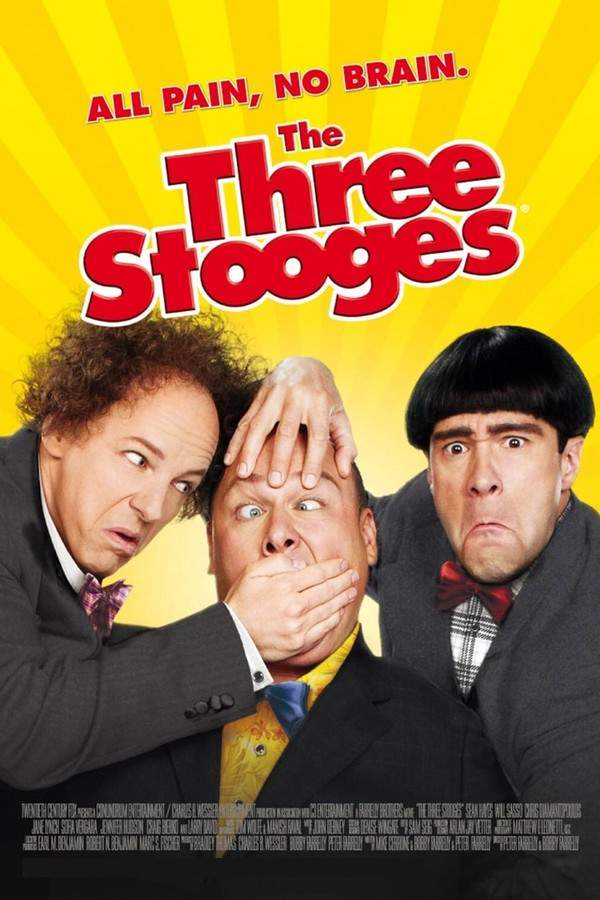
The Three Stooges
2012
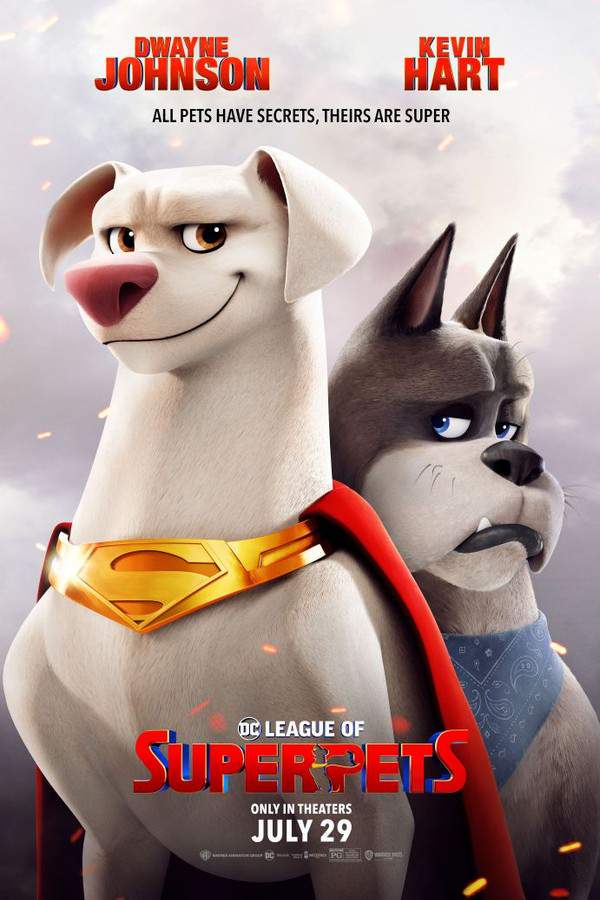
DC League of Super-Pets
2022
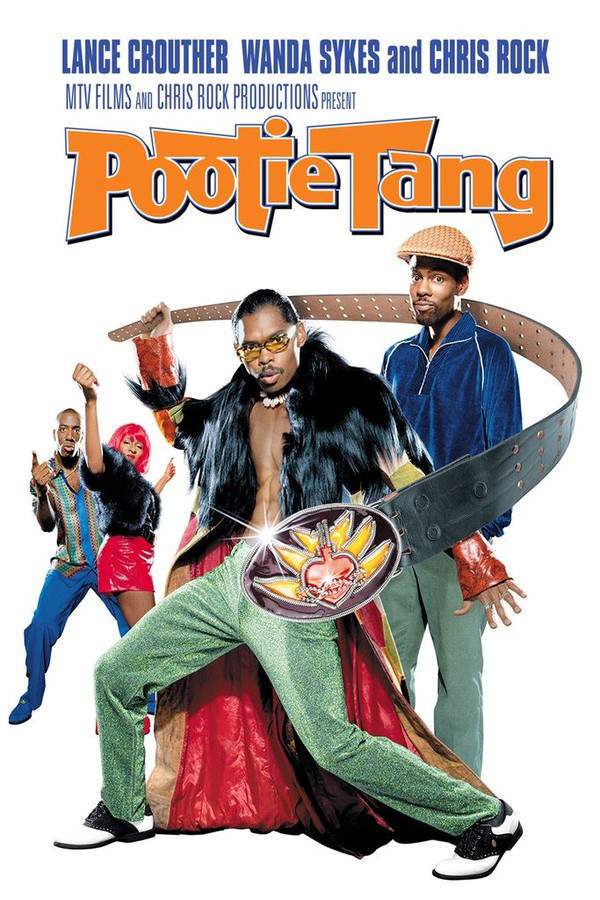
Pootie Tang
2001

The Toxic Avenger: The Musical
2018

Phony Express
1943

The Mask
1994

Kung Phooey!
2003

Mortadelo & Filemon: The Big Adventure
2003
Narrative Summary
These narratives often follow a straightforward parody structure, introducing a ridiculous hero, a comedic rival, and a conflict resolved through humor rather than genuine peril. The journey is more about delivering jokes and satirical commentary than building suspense or emotional arcs.
Why These Movies?
These films are grouped together because they share a primary goal of comedic satire aimed squarely at superhero conventions. They maintain a whimsical tone, fast pacing to keep the jokes coming, and a light emotional touch that ensures the fun is never bogged down by seriousness.
Whimsical Sketch Comedy Stories like Spider-Plant Man
Short-form, high-energy comedies built on a rapid succession of jokes and celebrity cameos.If you enjoyed the sketch-like feel of Spider-Plant Man, explore more movies with a similar high-energy, comedic style. These films feature playful narratives, quick jokes, and a vibe that feels like an extended, hilarious sketch.

Laughing Gravy
1931

Ghost Wanted
1940

The Simple Things
2015

Dirty Work
1933
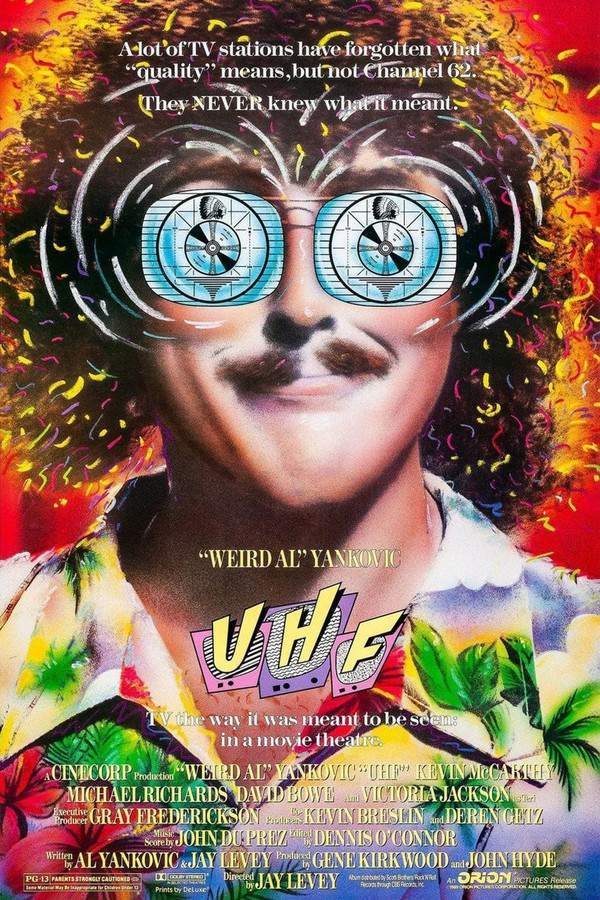
UHF
1989

Symphony in Slang
1951

Scrambled Brains
1951
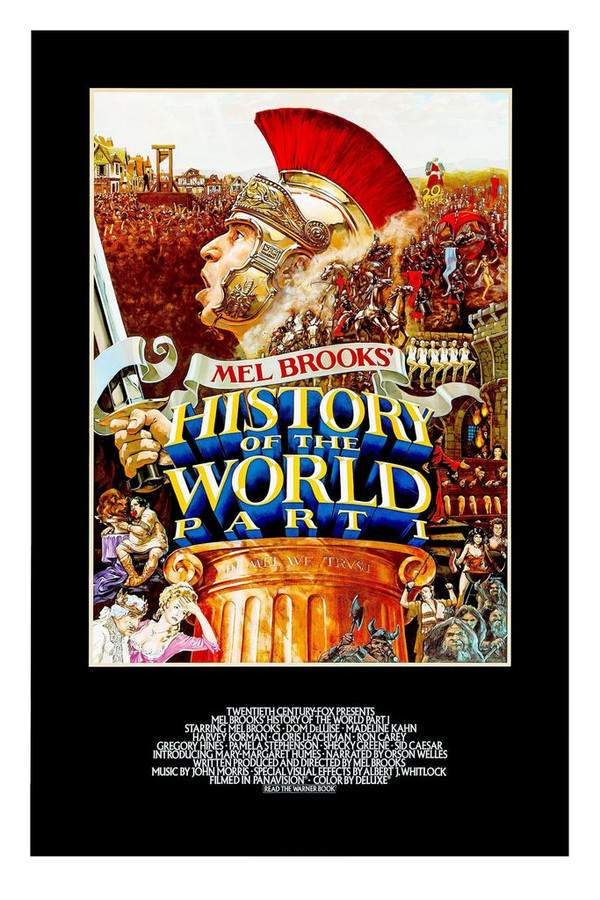
History of the World: Part I
1981
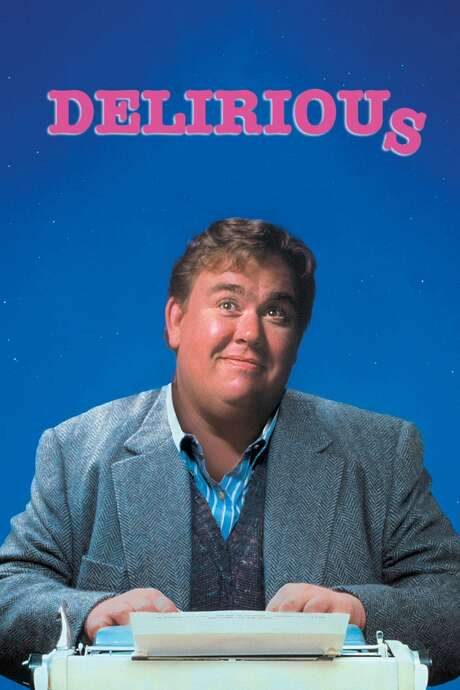
Delirious
1991
The Three Stooges
2012
Fierce Creatures
1997

Dog Tales
1958

Who Killed Who?
1943

The Adventures of Picasso
1978

Christmas in July
1940
Narrative Summary
The narrative pattern is straightforward and serves as a simple scaffold for comedic set-pieces. Scenes are often short and punchy, moving quickly from one joke to the next. Character arcs are minimal, with the primary focus on delivering a fun, entertaining experience through humor and cameos.
Why These Movies?
These movies are united by their commitment to a fast-paced, joke-first approach reminiscent of sketch comedy. They share a light tone, an emphasis on playful absurdity, and a structure that feels more like a series of connected funny moments than a deeply plotted story.
Unlock the Full Story of Spider-Plant Man
Don't stop at just watching - explore Spider-Plant Man in full detail. From the complete plot summary and scene-by-scene timeline to character breakdowns, thematic analysis, and a deep dive into the ending - every page helps you truly understand what Spider-Plant Man is all about. Plus, discover what's next after the movie.
Spider-Plant Man Timeline
Track the full timeline of Spider-Plant Man with every major event arranged chronologically. Perfect for decoding non-linear storytelling, flashbacks, or parallel narratives with a clear scene-by-scene breakdown.

Characters, Settings & Themes in Spider-Plant Man
Discover the characters, locations, and core themes that shape Spider-Plant Man. Get insights into symbolic elements, setting significance, and deeper narrative meaning - ideal for thematic analysis and movie breakdowns.


Similar Movies to Spider-Plant Man
Discover movies like Spider-Plant Man that share similar genres, themes, and storytelling elements. Whether you’re drawn to the atmosphere, character arcs, or plot structure, these curated recommendations will help you explore more films you’ll love.

Spider-Man
2002

Spider-Ham: Caught in a Ham
2019

Miss Spider’s Sunny Patch Kids
2003

Cornman: American Vegetable Hero
2001

Jack Black: Spider-Man
2002

Mr. Bean’s Wedding
2007

Comic Aid
2005

Alan Partridge Presents: The Cream of British Comedy
2005

Mr. Bean: Police Station
1991
Spider-Man
1977

Spider-Man Strikes Back
1978

Jack and the Beanstalk: The ITV Pantomime
1998

Baman Piderman
2009

Rowan Atkinson Live
1992

Spider-Man
1969
Explore More About Movie Spider-Plant Man
Spider-Plant Man (2005) Scene-by-Scene Movie Timeline
Spider-Plant Man (2005) Movie Characters, Themes & Settings
Spider-Plant Man (2005) Spoiler-Free Summary & Key Flow
Movies Like Spider-Plant Man – Similar Titles You’ll Enjoy
Spider-Man (2002) Movie Recap & Themes
Spider-Ham: Caught in a Ham (2019) Complete Plot Breakdown
Miss Spider’s Sunny Patch Kids (2003) Movie Recap & Themes
Cornman: American Vegetable Hero (2001) Plot Summary & Ending Explained
Jack Black: Spider-Man (2002) Full Summary & Key Details
Mr. Bean’s Wedding (2007) Film Overview & Timeline
Comic Aid (2005) Full Movie Breakdown
Alan Partridge Presents: The Cream of British Comedy (2005) Plot Summary & Ending Explained
Mr. Bean: Police Station (1991) Movie Recap & Themes
Spider-Man (1977) Ending Explained & Film Insights
Spider-Man Strikes Back (1978) Full Summary & Key Details
Jack and the Beanstalk: The ITV Pantomime (1998) Complete Plot Breakdown
Baman Piderman (2009) Full Summary & Key Details
Rowan Atkinson Live (1992) Complete Plot Breakdown
Spider-Man (1969) Plot Summary & Ending Explained